
Reaching high kitchen cabinets can feel like a daily struggle for many people. Whether you are short, have limited mobility, or just want a safer and smarter way to access your overhead storage, you are not alone. Kitchen cabinets are often designed to maximize space, but that top shelf can feel impossible to reach without a little help.
Many people try standing on tiptoes, grabbing a chair, or even climbing on countertops, but these methods can be risky—and sometimes dangerous. There are much better solutions, and with the right approach, you can make your kitchen both safer and more functional.
In this guide, you will discover the safest and most effective ways to reach high cabinets. You will learn about different tools, creative storage ideas, safety tips, and even simple changes you can make to your kitchen. You will also find practical advice, real-world examples, and insights that beginners often miss.
No matter your height, age, or physical ability, you will find a solution that fits your needs and makes your daily kitchen routine smoother.
Understanding The Challenge Of High Kitchen Cabinets
Before looking for solutions, it helps to understand why reaching high kitchen cabinets is a common problem. Most kitchens are built to use all available vertical space, especially in small homes or apartments. This means the upper shelves are often out of reach for many people.
Standard kitchen cabinets are usually mounted so their top edge is 84 to 90 inches from the floor, while the average person can comfortably reach up to 72 inches. That leaves a gap that can only be bridged with the right tools or strategies.
Key challenges include:
- Safety risks: Standing on unstable objects can lead to falls.
- Limited mobility: Elderly or disabled people may find it impossible to reach.
- Time and effort: Constantly struggling adds frustration to daily life.
Understanding these challenges is the first step toward finding a solution that will work for you.
Safe And Effective Tools For Reaching High Cabinets
One of the best ways to solve this problem is to use tools designed for the task. Not all solutions are equal—some are safer, more convenient, or offer more flexibility. Here are the most popular and effective tools:
1. Step Stools
A step stool is the most common and practical tool for reaching high cabinets. Look for a sturdy design with non-slip feet and a handle for support. Lightweight aluminum or plastic stools are easy to move and store. Choose a stool with at least two steps if your cabinets are especially high.
Practical Tips:
- Always place the stool on a flat, dry surface.
- Avoid using broken or wobbly stools.
- Foldable stools can be stored easily in a closet or pantry.
2. Small Ladders
A kitchen ladder provides even more height and stability than a step stool. Some models come with wide steps and handrails, making them safer for seniors or children. A 3-step ladder is usually enough for most kitchens.
Example:
- A household with 9-foot ceilings may need a ladder with at least three steps to reach the highest shelves.
3. Reach Grabbers
A reach grabber (or reaching tool) is a long stick with a gripping mechanism. Squeeze the handle, and the end closes to grip objects. This tool is especially useful for lightweight items like spices or small boxes.
Non-obvious Insight:
- Not all grabbers are strong enough for glass jars or heavy cans. Check the weight rating before buying.
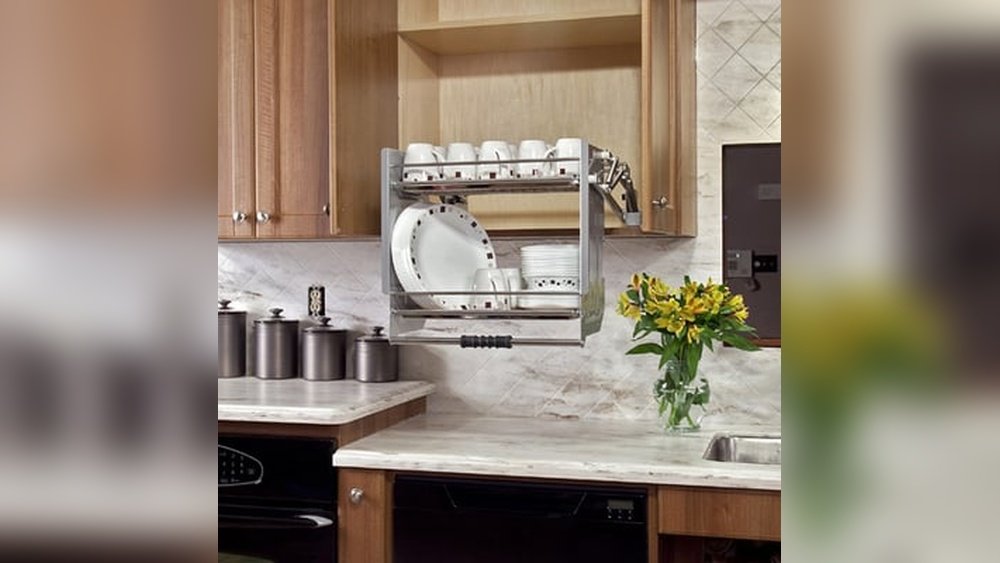
4. Pull-down Shelves
Some modern kitchen cabinets offer pull-down shelves. These shelves swing down and out, bringing items within easy reach. Installation can be done by a handyman or as a DIY project.
Key Benefit:
- Pull-down shelves are ideal for people with limited mobility or those who want a permanent, elegant solution.
5. Cabinet Lifts
A cabinet lift is a mechanical device that allows entire shelves to move up and down with a lever or button. While more expensive, this solution offers the ultimate convenience and accessibility.
Common Mistake:
- Many people overlook cabinet lifts because of the cost. But for aging-in-place or accessible kitchens, they are a long-term investment.
6. Custom Step Drawers
Some kitchen remodels include step drawers—deep bottom drawers that can double as a small step. When closed, they look like a regular drawer; when open, they support your weight.
Example:
- Families with children can use step drawers to help kids safely reach snacks or dishes.
Comparison: Step Stools Vs Ladders Vs Grabbers
Below is a quick comparison to help you choose the right tool.
| Tool | Best For | Pros | Cons |
|---|---|---|---|
| Step Stool | Most adults, kids | Easy to store, affordable | Limited height |
| Small Ladder | High cabinets, seniors | Very stable, more height | Bulky, needs storage space |
| Reach Grabber | Light items, mobility issues | No climbing needed | Cannot lift heavy items |
Choosing the right tool depends on your kitchen layout, physical ability, and what you need to reach.
Smart Storage Ideas To Minimize The Need To Reach
One of the best solutions is to avoid storing frequently used items in high cabinets. Smart storage can save you time, effort, and reduce the risk of injury.
1. Store Everyday Items Lower
Move everyday dishes, glasses, and food to lower shelves or drawers. Reserve upper cabinets for rarely used items like holiday platters or large pots.
2. Use Pull-out Shelves And Drawers
Install pull-out shelves in lower cabinets. These make it easier to access items in the back without bending or stretching.
3. Lazy Susans
A lazy Susan is a spinning tray that makes it easy to reach items stored in the corners of cabinets. Place one on a lower shelf for spices, sauces, or small jars.
4. Hanging Racks
Add hanging racks under cabinets for mugs, utensils, or even small baskets. This frees up space and puts items within easy reach.
5. Clear Storage Bins
Use clear bins to group similar items together. Label them so you can grab what you need without searching or reaching awkwardly.
Example Of A Smart Storage Layout
| Cabinet Level | Items to Store |
|---|---|
| Top Shelf | Seasonal dishes, infrequently used appliances |
| Middle Shelf | Backup pantry items, mixing bowls |
| Lower Shelf/Drawers | Daily plates, cups, utensils, spices |
Arranging your kitchen this way can nearly eliminate the need to climb or stretch.
Safe Habits And Techniques For Reaching High Cabinets
Even with the right tools and storage, you sometimes need to access high shelves. Using proper technique is essential to avoid injuries.
1. Never Stand On Chairs
Chairs are not designed for standing. Their surfaces are often slippery, and they can easily tip over.
2. Use Both Hands
When climbing a step stool or ladder, keep one hand on the handle or rail for balance. Avoid carrying heavy or bulky items while climbing.
3. Move Slowly And Carefully
Take your time. Quick movements can cause you to lose balance, especially when reaching up.
4. Ask For Help
If you feel unsafe or unsteady, ask a family member or friend to help. There is no shame in prioritizing safety.
5. Check Your Tools
Inspect stools, ladders, and grabbers regularly for damage. A broken tool is more dangerous than you think.
6. Wear Proper Shoes
Non-slip shoes or bare feet are safer than socks, which can slide on steps.
Real-world Example
Maria, a retiree living alone, used to climb her kitchen counter to reach her baking pans. After a fall, she invested in a wide, stable step stool and moved her baking pans to a lower cabinet. Now she feels safer and enjoys baking again without fear.
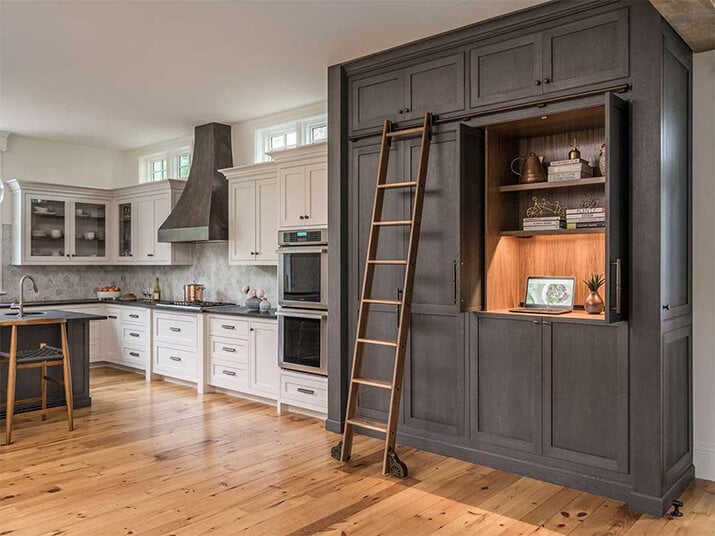
Credit: kitchencabinetkings.com
Adapting Your Kitchen For Long-term Accessibility
If you plan to age in place or have family members with mobility challenges, consider permanent changes to your kitchen. These adaptations can make your home safer and more comfortable for years to come.
1. Install Pull-down Or Adjustable Shelving
Modern hardware makes it possible to add pull-down or adjustable shelves to existing cabinets. These systems let you bring the shelf down to your level, then push it back when finished.
2. Lower Cabinet Height
When remodeling, ask your contractor about installing lower cabinets or reducing the space between countertops and upper cabinets. This is common in accessible kitchen design.
3. Open Shelving
Replace some upper cabinets with open shelves at a reachable height. This not only improves access but can make your kitchen look more spacious.
4. Drawer-based Storage
Switching to deep drawers instead of cabinets makes it easier to see and reach everything. Drawers can be fitted with organizers, pull-outs, and soft-close hardware for convenience.
5. Accessible Hardware
Choose cabinet handles and pulls that are easy to grip. Large, D-shaped handles are better for people with arthritis or limited hand strength.
Accessibility Feature Comparison
| Feature | Accessibility Benefit | Installation Difficulty |
|---|---|---|
| Pull-Down Shelf | Brings items to reachable height | Medium |
| Open Shelving | Flexible, customizable height | Low |
| Drawer Storage | Easy access to all items | Medium |
| Lower Cabinets | No overhead reaching | High (remodel required) |
These changes require an investment but can transform your kitchen experience.
Mistakes To Avoid When Reaching High Cabinets
Many people develop bad habits when trying to reach high places in the kitchen. Avoiding these mistakes can keep you safe and make your kitchen more efficient.
1. Using Unstable Furniture
Standing on rolling chairs, barstools, or boxes is a recipe for falls. Always use a tool designed for the purpose.
2. Overloading Upper Cabinets
Heavy items like glass baking dishes or large cans should be stored low. Upper shelves are for lightweight, seldom-used items only.
3. Storing Daily Items Out Of Reach
If you use something daily, it should always be within easy reach. You can reorganize your kitchen to make life much easier.
4. Ignoring Tool Maintenance
A broken step stool or grabber can lead to accidents. Inspect your tools regularly and replace them if they show signs of wear.
5. Stretching Too Far
Trying to grab something just out of reach can cause muscle strains or falls. Move your stool closer or ask for help.
6. Failing To Plan For Aging Or Disability
If you plan to stay in your home as you age, adapt your kitchen sooner rather than later. Waiting too long can make renovations more difficult.
Credit: www.homesandgardens.com
How To Choose The Right Solution For Your Needs
There is no single “best” way to reach high kitchen cabinets. The right solution depends on your height, age, physical ability, kitchen layout, and budget. Here’s how to decide:
1. Assess Your Needs
- Are you trying to reach lightweight or heavy items?
- Will children or seniors need access?
- Do you need a temporary or permanent solution?
2. Measure Your Cabinets
- Know the height of your cabinets and the reach of your chosen tool.
- Make sure your step stool or ladder is tall enough but not so tall it is dangerous.
3. Think About Storage
- Do you have space to store a ladder or stool?
- If not, consider a compact, foldable model.
4. Consider Future Needs
- Are you planning to age in place?
- Do you have guests or family with special needs?
5. Budget For Quality
- A good tool or modification is an investment in your safety and comfort.
- Cheap, unstable stools or grabbers can cause more harm than good.
Creative Diy Solutions For Better Access
If you are handy or enjoy home projects, there are several do-it-yourself solutions that can make your kitchen more accessible.
1. Diy Pull-out Pantry
Convert a narrow space beside your fridge into a pull-out pantry. This tall, rolling shelf brings items out to you, rather than making you reach deep into cabinets.
2. Add A Step Drawer
With some basic woodworking skills, you can turn a lower drawer into a sturdy step. Reinforce the bottom and add anti-slip tape for safety.
3. Install Under-cabinet Hooks
Screw-in hooks under your cabinets can hold mugs, utensils, or baskets. Place them at a height you can reach comfortably.
4. Magnetic Knife Strips
Instead of storing knives in a block on the counter or a high drawer, use a magnetic strip at an accessible height for safe and easy access.
5. Use A Decorative Ladder
If you have space, a small wooden ladder can double as decor and a practical way to reach high cabinets. Paint or stain it to match your kitchen style.
When To Consider Professional Help
Sometimes, the problem is more than just out-of-reach shelves. If you have serious mobility issues, live alone, or want a permanent kitchen upgrade, it may be best to consult a professional.
1. Occupational Therapists
An occupational therapist can assess your kitchen and recommend changes to improve accessibility and safety.
2. Kitchen Designers
A professional kitchen designer can create a custom plan with pull-down shelves, lower cabinets, and specialized hardware.
3. Handyman Services
For installing pull-down shelves or step drawers, a handyman can complete the work quickly and safely.
4. Home Health Services
For elderly or disabled individuals, many communities offer home safety checks or kitchen modification grants. Check with your local council or senior services.
For more information about accessible design, visit the official ADA Standards for Accessible Design.
Frequently Asked Questions
How Can I Reach High Kitchen Cabinets If I Am Short?
Use a sturdy step stool or small ladder designed for home use. Store frequently used items on lower shelves and reserve upper cabinets for rarely used things. You can also install pull-down shelves for better access.
Are Reach Grabbers Safe For Heavy Items?
Most reach grabbers are designed for light objects such as boxes or plastic containers. Do not use them for glass jars, heavy pans, or large appliances. Always check the weight limit before using a grabber.
What Is The Best Way To Organize A Kitchen For Easy Access?
Store daily-use items on lower shelves or drawers. Use pull-out shelves, clear bins, and lazy Susans to make everything easy to see and reach. Keep heavy items below waist height and lighter, rarely used items up high.
Can I Install Pull-down Shelves In Any Kitchen Cabinet?
Most standard cabinets can be fitted with pull-down shelves, but you will need enough space above and below the shelf to allow for the swinging motion. Check the product instructions or consult a professional installer.
Is It Safe To Use A Chair To Reach High Cabinets?
No. Chairs are not designed for standing and can easily tip over. Always use a step stool or ladder with non-slip feet for safety.
Reaching high kitchen cabinets does not have to be a daily struggle or a safety risk. With the right tools, smart storage, and a few simple changes, you can enjoy a kitchen that works for everyone. By planning ahead, investing in quality solutions, and avoiding common mistakes, you will make your home safer and your daily routines much easier.

Credit: herringbonehouse.com