
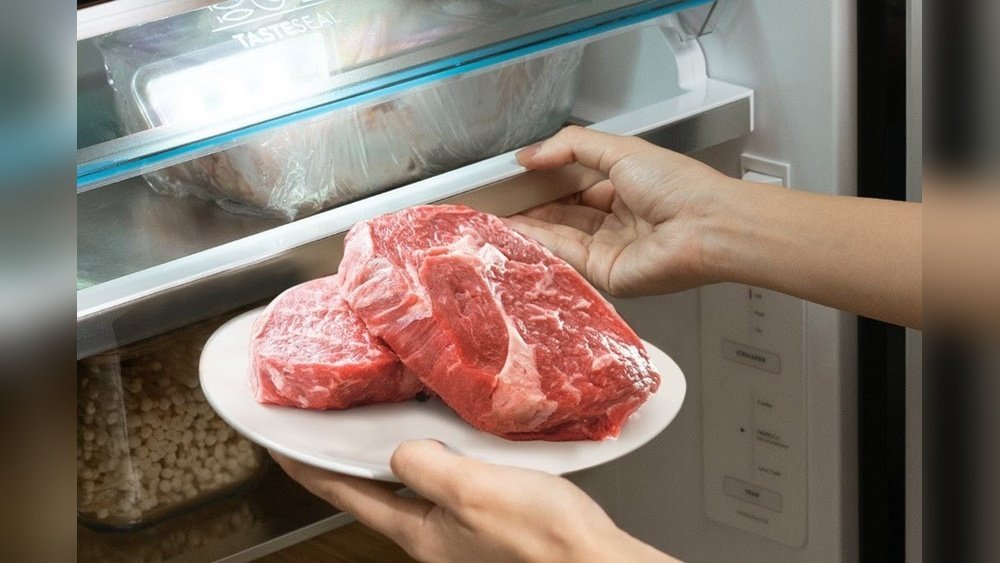
Storing beef the right way is more important than most people realize. If you keep beef too long, or in the wrong conditions, it can spoil quickly. Bad beef is not just a waste of money—it can also make you seriously sick.
On the other hand, storing beef properly means you keep its taste, texture, and safety for much longer. Whether you’re cooking every day or you buy beef in bulk, knowing how to store it is a skill every home cook should have.
This article will guide you through everything you need to know about storing beef safely at home, from the moment you bring it home to the day you use it.
Why Proper Beef Storage Matters
Beef is a rich source of protein, vitamins, and minerals, but it is also highly perishable. As soon as beef is exposed to air, bacteria start to multiply. Some bacteria only spoil the taste, but others, like E. coli and Salmonella, can cause food poisoning. According to the USDA, about 48 million Americans get sick from foodborne illnesses each year, and improper meat storage is a major cause. Proper storage not only prevents waste and sickness but also keeps your meals tasting fresh.
Understanding Beef Shelf Life
How long beef lasts depends on factors like temperature, packaging, and cut. Here’s a quick look at the general shelf life of common beef types:
| Beef Type | Refrigerator (40°F or below) | Freezer (0°F or below) |
|---|---|---|
| Raw steaks | 3-5 days | 6-12 months |
| Raw roasts | 3-5 days | 4-12 months |
| Raw ground beef | 1-2 days | 3-4 months |
| Cooked beef | 3-4 days | 2-3 months |
| Deli beef (opened) | 3-5 days | 1-2 months |
Notice how ground beef lasts much less time than steaks or roasts. This is because ground beef has more surface area exposed to bacteria.
How To Store Fresh Beef In The Refrigerator
Refrigeration slows down bacteria growth, but it does not stop it. To get the most out of your beef, follow these steps:
1. Keep Beef Cold
As soon as you get home from the store, put beef into your refrigerator right away. The best temperature for storing beef is below 40°F (4°C). If your fridge does not have a digital display, use a thermometer to check.
2. Use The Right Packaging
Supermarket beef often comes in thin, plastic-wrapped trays. These are fine for a day or two, but not for longer storage. For best results:
- Leave beef in its original packaging if you’ll use it within 1-2 days.
- For longer storage (up to 5 days), rewrap beef tightly in plastic wrap, aluminum foil, or use a resealable plastic bag. Remove as much air as possible.
3. Store On The Bottom Shelf
Always keep raw beef on the lowest shelf of your fridge. This prevents juices from dripping onto other foods, which can cause cross-contamination.
4. Don’t Overcrowd
Allow cool air to circulate around the beef. If you stack packages, the cold air won’t reach all parts evenly, which can lead to uneven spoilage.
5. Label And Date
Use a marker to write the date of purchase on the package. This helps you use the oldest beef first and reduces waste.
Freezing Beef: The Right Way
Freezing is the best long-term way to store beef. It stops bacteria growth completely. But freezing must be done correctly to avoid freezer burn and quality loss.
1. Use Freezer-safe Packaging
The packaging you use in the freezer is more important than in the fridge. Air causes freezer burn, which dries out beef and affects taste. Use one of these:
- Heavy-duty aluminum foil
- Freezer paper
- Vacuum-sealed bags (best option)
- Plastic freezer bags (with as much air as possible removed)
If you buy beef in bulk, consider a vacuum sealer. It keeps beef fresh for much longer by removing air.
2. Divide Beef Into Portions
Don’t freeze a huge slab unless you plan to use it all at once. Divide beef into meal-sized portions before freezing. This way, you only thaw what you need.
3. Label Everything
Write the date and type of beef on each package. Frozen beef looks similar after a few weeks, and it’s easy to forget what’s inside.
4. Freeze Quickly
The faster beef freezes, the smaller the ice crystals, which means less damage to the meat. Place beef flat, in a single layer, in the coldest part of your freezer.
5. Store At 0°f (-18°c) Or Below
Your freezer should stay at 0°F or lower for the best results. Check with a thermometer, not just a dial.
Thawing Beef Safely
How you thaw beef is as important as how you freeze it. Thawing incorrectly can let bacteria multiply fast.
1. Refrigerator Thawing
This is the safest method. Place beef (in a leak-proof bag or dish) on the bottom shelf and let it thaw slowly. This may take 24 hours for large cuts.
2. Cold Water Thawing
For faster thawing, submerge beef in cold water. Keep the beef in a sealed bag, and change the water every 30 minutes. Most cuts thaw in 1-3 hours.
3. Microwave Thawing
You can use the microwave’s defrost setting for small amounts. Cook the beef right after thawing, as some parts may start to cook during this process.
4. Never Thaw At Room Temperature
Leaving beef on the counter is unsafe. Bacteria multiply quickly between 40°F and 140°F—this is known as the danger zone.
Storing Cooked Beef
Cooked beef needs different care than raw beef. Once cooked, bacteria are mostly killed, but food can still spoil or pick up new bacteria.
1. Cool Quickly
After cooking, let beef cool at room temperature for no more than two hours. For large roasts, cut into smaller pieces to cool faster.
2. Use Shallow Containers
Store cooked beef in shallow, airtight containers. This helps it cool evenly and prevents bacteria from growing in the center.
3. Refrigerate Or Freeze
- In the fridge: Use within 3-4 days.
- In the freezer: Good for 2-3 months, though the texture may change.
4. Reheat Properly
When reheating, bring beef to an internal temperature of 165°F (74°C). Do not reheat more than once, as quality and safety drop each time.
Vacuum Sealing Beef
Vacuum sealing removes air and extends beef’s shelf life, both in the fridge and freezer.
Benefits Of Vacuum Sealing
- Longer freshness: Sealed beef can last up to 2-3 years in the freezer.
- No freezer burn: Air is the enemy of beef quality.
- Better taste: Sealing keeps juices and flavors inside.
Tips For Best Results
- Always use vacuum bags made for freezing.
- Freeze beef right after sealing.
- Label with date and cut.
Vacuum sealing is especially useful if you buy beef in bulk or want to store expensive steaks for months.
Storing Ground Beef Vs. Whole Cuts
Ground beef spoils faster than whole cuts because bacteria have more surface to grow on.
| Beef Type | Refrigerator Shelf Life | Freezer Shelf Life | Key Storage Tip |
|---|---|---|---|
| Ground Beef | 1-2 days | 3-4 months | Freeze immediately if not using in 1 day |
| Steaks/Roasts | 3-5 days | 6-12 months | Keep in original packaging for short-term |
Whole cuts are more forgiving, but ground beef must be used or frozen quickly.
Storing Beef Jerky And Dried Beef
Jerky and dried beef are popular for their long shelf life, but they still need the right conditions.
- Unopened jerky: Store in a cool, dry place. Lasts up to 1 year.
- Opened jerky: Reseal tightly. Store in the fridge for up to 1 week.
- Homemade jerky: Always refrigerate; lasts 1-2 weeks.
Moisture is the enemy here. If you see condensation, mold, or off smells, throw it away.
Signs Your Beef Has Gone Bad
Even with the best storage, beef eventually spoils. Learn to spot the warning signs.
- Color change: Fresh beef is bright red (or deep purple if vacuum-packed). Brown or gray edges are normal after a few days, but green or black means spoilage.
- Slimy texture: Beef should be dry or slightly moist. A sticky or slimy surface is a red flag.
- Bad smell: Fresh beef has a mild, meaty smell. A sour, ammonia, or rotten odor means it’s time to toss it.
- Excessive freezer burn: While small ice crystals are harmless, large white patches or dry spots mean poor quality.
When in doubt, throw it out.
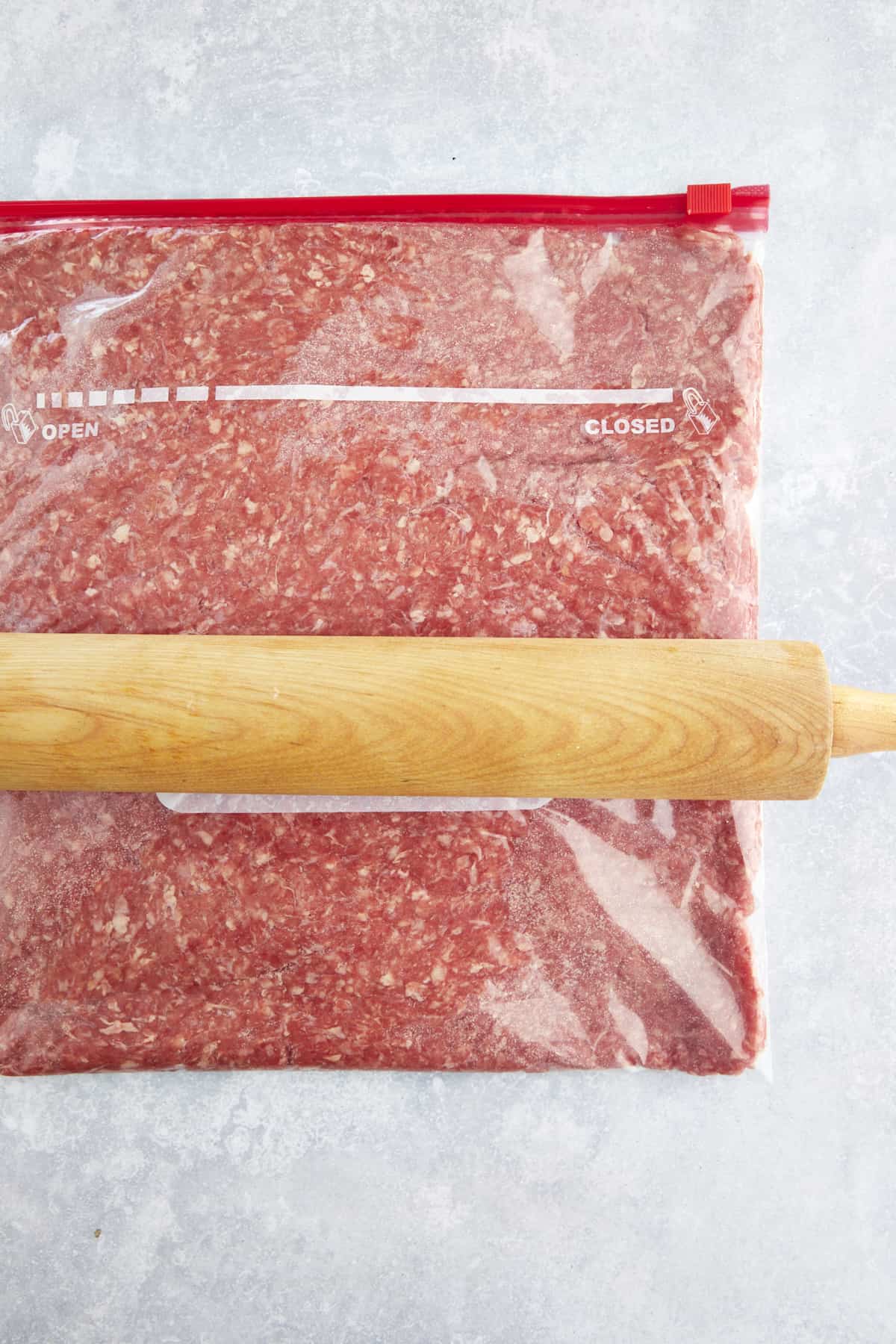
Credit: www.fooddolls.com
Best Practices For Bulk Beef Storage
Buying in bulk can save money, but improper storage leads to big losses.
1. Plan Your Portions
Divide bulk purchases into meal-sized packs before freezing. This avoids thawing more than you need.
2. Use A Chest Freezer
Upright freezers warm up more when opened. Chest freezers stay colder and are ideal for long-term beef storage.
3. Rotate Your Stock
Always use the first-in, first-out method. Place new beef at the back and move older packs to the front.
4. Check For Power Outages
A freezer full of beef can spoil quickly during a long power cut. Consider a freezer alarm or temperature monitor.
Dry Aging Vs. Wet Aging Beef At Home
Most beef in stores is wet-aged (sealed in bags), but some people dry-age beef at home for better flavor. However, dry aging is not for beginners.
Dry Aging
- Needs a dedicated fridge with steady temperature (34-38°F) and humidity (80-85%).
- Beef is exposed to air on a rack for 2-4 weeks.
- Risk of mold and spoilage is high without the right setup.
Wet Aging
- Beef stays in vacuum-sealed bags.
- Aged in its own juices for 4-10 days.
- Safer and easier for home cooks.
For most people, stick to wet aging or buy professionally dry-aged beef.
How To Store Beef When Traveling Or Camping
Keeping beef safe without a fridge or freezer is a real challenge.
- Use ice packs or dry ice: Store beef in a well-insulated cooler.
- Keep out of direct sun: Shade makes a big difference.
- Eat beef first: Use beef before other, less perishable foods.
- Consider canned or dried beef: These are safe for longer trips.
A good tip: Place a thermometer in your cooler. If it goes above 40°F, eat or cook the beef soon.
Storing Beef In The Marinade
Marinating beef adds flavor, but it also changes how you store it.
- In the fridge: Marinate up to 24 hours. Always keep the beef cold.
- In the freezer: You can freeze beef in the marinade. This saves time, and the flavor soaks in as it thaws.
- Never reuse marinade: After touching raw beef, it can contain harmful bacteria.

Credit: malenyblackangusbeef.com.au
Mistakes To Avoid When Storing Beef
Even experienced cooks make mistakes. Here are the most common ones:
- Storing beef above other foods: Juices can drip onto ready-to-eat items.
- Leaving beef in warm cars: Even a short trip home can cause bacteria growth.
- Defrosting beef on the counter: This encourages dangerous bacteria.
- Not labeling packages: Leads to forgotten, wasted beef.
- Refreezing thawed beef: Only safe if thawed in the fridge and cooked before refreezing.
- Ignoring freezer temperature: Warm freezers ruin quality.
- Relying on “best by” dates only: Use your senses, not just the label.
Comparing Storage Methods
Here’s a quick look at different ways to store beef and how they compare for both quality and safety.
| Storage Method | Beef Quality | Maximum Shelf Life | Best For |
|---|---|---|---|
| Original Packaging (fridge) | Good (short-term) | 1-2 days | Quick use |
| Plastic Wrap/Foil (fridge) | Better | 3-5 days | Steaks, roasts |
| Vacuum Sealed (freezer) | Best | 2-3 years | Bulk storage |
| Freezer Bag (freezer) | Good | 4-12 months | Most cuts |
| Cooked (shallow containers) | Good | 3-4 days (fridge) | Leftovers |
Non-obvious Insights For Storing Beef
- Temperature “zones” in your fridge matter: The back of the fridge is usually colder than the front or the door. Store beef in the coldest part, not in the door.
- Do not wash beef before storing: Washing spreads bacteria around your kitchen, and any leftover moisture speeds up spoilage.
- Humidity control can make a difference: If your fridge has a humidity drawer, keep beef in the low-humidity drawer. Too much moisture makes beef spoil faster.
- Thin cuts spoil faster: Sliced or thin cuts have more surface for bacteria. Use them sooner or freeze right away.
- Don’t trust color alone: Sometimes beef turns brown in the fridge due to oxidation, not bacteria. Always check smell and texture too.
How To Store Beef For Special Diets
If you follow a special diet, like keto or paleo, you may store more beef at home. The same rules apply, but portion control and meal planning become even more important. Freeze beef in the exact sizes you need for each meal. This avoids waste and makes meal prep easier.
Beef Storage And Food Safety For Families
Families with small children or seniors need to be extra careful. Vulnerable people are more likely to get sick from spoiled beef. Always stick to USDA guidelines for storage times, and never risk using questionable beef.
For more information on beef safety, you can visit the USDA Food Safety and Inspection Service website.
Frequently Asked Questions
How Long Can I Keep Beef In The Refrigerator?
Raw steaks and roasts last 3-5 days in the fridge, while ground beef should be used within 1-2 days. Cooked beef can be stored for 3-4 days. Always keep your fridge at or below 40°F.
Can I Freeze Beef In Its Original Packaging?
You can, but it’s not ideal for long-term storage. Supermarket packaging lets air in, which causes freezer burn. For best results, wrap beef in heavy-duty foil, freezer paper, or use a vacuum sealer.
Is It Safe To Refreeze Beef After Thawing?
Only if you thawed the beef in the refrigerator and it has not reached room temperature. If beef was thawed on the counter or in warm water, refreezing is not safe.
What’s The Best Way To Thaw Beef Quickly?
Submerge beef (in a sealed bag) in cold water, changing the water every 30 minutes. Never use hot water, as it puts beef in the danger zone. Microwave thawing works for small amounts but must be cooked immediately.
How Do I Know If Beef Has Gone Bad?
Trust your senses. If beef has a sour smell, sticky or slimy texture, or unusual colors (green, black), it’s no longer safe. When in doubt, throw it out.
Keeping beef safe and tasty is not hard, but it does take attention to detail. With the right steps, you can enjoy beef at its best every time. By following the advice above, you’ll reduce waste, save money, and protect your health—and that’s something every cook can feel good about.

Credit: thejerkyco.com.au