
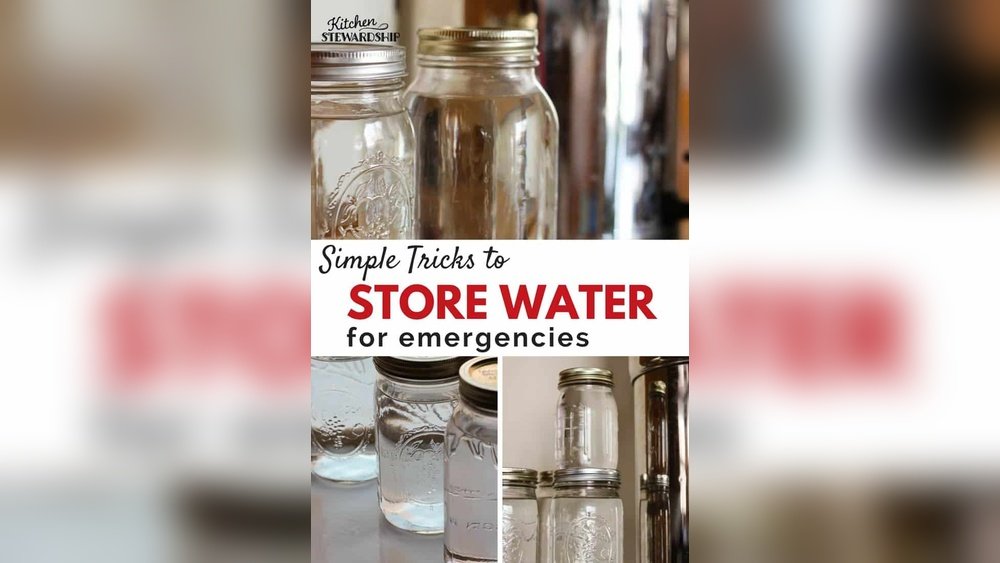
Storing water is more than just filling a container and placing it in your pantry. If you want a reliable emergency supply or simply enjoy the convenience of having fresh water on hand, Mason jars are a popular choice for home storage. Their glass construction, easy sealing, and long shelf life make them ideal for keeping water safe and clean. However, to truly benefit from using Mason jars, you need to follow proper steps for preparation, filling, sealing, and storage. Many beginners make small mistakes that can ruin their supply or even make water unsafe to drink.
In this guide, you’ll learn everything you need to know about how to store water in Mason jars. From choosing the right jars and cleaning them effectively, to preventing common problems like mold or contamination, each step will help you store water the right way.
Whether you’re getting ready for a power outage, want to build a small emergency reserve, or just like the look of glass jars on your shelf, you’ll find practical advice and science-backed tips to keep your water fresh and drinkable for months or even years.
Why Store Water In Mason Jars?
Mason jars have been trusted for food and beverage storage for over a century. Their strong glass bodies and tight-sealing lids offer several unique advantages:
- Non-porous glass: Mason jars do not leach chemicals into water, unlike some plastics.
- Airtight seal: Proper lids prevent air, bacteria, and dust from entering.
- Reusable: You can clean and refill them many times.
- Transparent: Easily check for sediment or mold without opening.
- Variety of sizes: From half-pint to gallon jars, you can store the amount you need.
Compared to plastic bottles, glass jars are more durable under the right conditions and do not affect the taste of water. Their classic design fits well in most kitchens and pantries. However, Mason jars are heavier than plastic, so they are best for home use rather than travel or bug-out bags.
Choosing The Best Mason Jars For Water Storage
Not all Mason jars are equal, especially for water storage. Selecting the right jars makes a big difference in safety and longevity.
Size Matters
Common sizes include:
- Pint (16 oz)
- Quart (32 oz)
- Half-gallon (64 oz)
- Gallon (128 oz)
Larger jars are more efficient for storing big amounts, but smaller jars are easier to carry and use. If you plan to rotate your water often, pints and quarts are a good choice. For long-term, half-gallon and gallon jars save space and reduce the number of lids needed.
Wide Mouth Vs Regular Mouth
- Wide-mouth jars make cleaning, filling, and pouring easier.
- Regular-mouth jars are a bit harder to fill but take up less shelf space.
For water storage, wide-mouth jars are usually better, especially if you want to add ice or clean inside with a brush.
Lid Types
There are two main lid parts: the flat metal lid and the screw-on band. For water, you want a lid that seals completely.
- Two-piece metal lids (flat lid + band) are standard and work well.
- Plastic one-piece lids can be used, but make sure they are food-safe and seal tightly.
- Avoid rusty, dented, or warped lids as they may not seal properly.
Avoiding Old Or Damaged Jars
Check for:
- Cracks or chips: Even tiny ones can lead to leaks or breakage.
- Cloudy glass: Indicates possible weakness or leftover residue.
New jars are best, but clean, undamaged used jars are also fine.
Cleaning And Preparing Mason Jars
Clean jars are the foundation of safe water storage. Dirty jars can introduce bacteria, mold, or chemicals into your water.
Step-by-step Cleaning
- Wash with hot soapy water: Scrub inside and outside thoroughly.
- Rinse well: Remove all soap residue. Soap can affect water taste and safety.
- Sanitize:
- Boil jars in water for 10 minutes, or
- Soak in a solution of 1 tablespoon of household bleach per gallon of water for 2 minutes, then rinse with clean water.
Both methods kill most germs. Air-dry jars upside down on a clean towel.
Cleaning Lids And Bands
- Wash and rinse lids and bands just like jars.
- If using metal lids, do not boil them. Instead, soak in hot soapy water and rinse.
- Check for rust or dents and replace if needed.
Pro Tips Beginners Miss
- Don’t touch the inside after cleaning. Your hands can reintroduce bacteria.
- Dry completely before filling. Trapped moisture can cause mold.
What Water To Use For Storage
The quality of water you store matters as much as the jar.
Tap Water
- Most city tap water is already treated and safe for storage.
- If your water is chlorinated, it will last longer (chlorine prevents bacteria growth).
- If using well water, filter and disinfect it before storing.
Boiled Water
- Boil for at least one minute, cool, and then pour into jars.
- This kills most bacteria, viruses, and protozoa.
Bottled Water
- Commercial bottled water is safe, but expensive for large amounts.
- If you pour it into jars, keep everything clean to avoid contamination.
Filtering And Disinfection
- If unsure about your water, use a home filter plus a disinfectant (like a few drops of unscented bleach per gallon).
- Let sit for 30 minutes before filling jars.
Avoiding Common Mistakes
- Don’t use flavored, mineral, or carbonated water. Only plain, clean water is safe for storage.
- Don’t add ice, fruit, or herbs for flavor. This can cause bacterial growth and spoilage.
Filling And Sealing Mason Jars
How you fill and seal your jars is just as important as the water you use.
Filling Steps
- Use a funnel: This prevents spills and keeps jar rims clean.
- Fill to 1/2 inch below the rim: Leave space for expansion, especially if freezing.
- Wipe the rim: Use a clean, damp cloth to remove drops or debris.
- Place lid and band: For metal lids, place the flat lid on and screw the band until finger-tight. Do not over-tighten.
Sealing Tips
- For long-term storage, many people ask if you need to “can” water (process in boiling water). It is not necessary for clean, disinfected water, but you can boil the filled jars for 10 minutes if you want extra safety.
- If using plastic lids, double-check that they are airtight.
- Label each jar with the date filled.
Non-obvious Insights
- Some people use vacuum sealers to remove air before sealing. This is optional, but can extend shelf life.
- Always fill jars in a clean area. Kitchen counters, hands, and tools should be sanitized.
Where And How To Store Mason Jars Filled With Water
The environment where you store your jars affects how long the water stays good.
Ideal Storage Conditions
- Cool, dark place: 50–70°F (10–21°C) is ideal.
- No direct sunlight: Light promotes algae growth and can break down seals.
- Low humidity: Reduces risk of rust on metal lids.
- Away from chemicals: Do not store near gasoline, cleaners, or paint.
Shelf Life
- Properly stored water in Mason jars can last 6 months to 1 year or longer if sealed and kept away from light and heat.
- Rotate your supply every 6–12 months for best taste and safety.
Placement Tips
- Store jars on sturdy shelves, not directly on concrete floors (concrete can cause glass to crack over time).
- Do not stack jars; they may tip and break.
Storage Mistakes To Avoid
- Never store jars in the attic, garage, or car trunk where temperatures swing wildly.
- Do not open and reseal jars often—each opening can introduce germs.
Comparing Mason Jars To Other Water Storage Options
It’s useful to see how Mason jars compare with other common storage methods.
| Storage Method | Durability | Cost | Best Use | Drawbacks |
|---|---|---|---|---|
| Mason Jars | High (if not dropped) | Medium | Home, short to medium term | Heavy, breakable |
| Plastic Bottles | Medium | Low | Travel, large volume | May leach chemicals |
| Stainless Steel | Very high | High | Travel, outdoors | Expensive, not transparent |
| Commercial Water Barrels | Very high | Medium-High | Long-term, large storage | Bulky, hard to move |
Mason jars are best for small to moderate home supplies, not for storing hundreds of gallons.
How To Keep Stored Water Safe And Fresh
Stored water can develop problems if not checked or rotated regularly.
Signs Of Bad Water
- Cloudiness or floating particles
- Green, brown, or black growth inside the jar
- Odd smell or taste
If you see any of these, discard the water, clean the jar, and refill.
Rotating Your Water
- Every 6 months, open and smell or taste a small sample.
- If the water tastes flat, you can pour it between clean jars to re-oxygenate.
- Always replace water sooner if you see any sign of spoilage.
Adding Chlorine Or Bleach
If your water is not already chlorinated, you can add 1/8 teaspoon (8 drops) of regular, unscented household bleach per gallon before sealing. This helps prevent bacteria growth.
Important Note
Never use scented, color-safe, or “splashless” bleach. Only plain, regular bleach with 4–6% sodium hypochlorite is safe for water disinfection.

Credit: www.youtube.com
Emergency Use: Making Stored Water Safe Again
If you ever doubt your stored water, you can make it safe before drinking.
Emergency Treatment Steps
- Boil: Bring water to a rolling boil for at least 1 minute (3 minutes at high altitudes).
- Disinfect: Add 2 drops of bleach per quart, stir, and let stand for 30 minutes.
- Filter: If there are visible particles, filter water through a clean cloth, paper towel, or coffee filter first.
Example Scenario
If a storm knocks out your water supply, you can safely drink water from Mason jars stored as described above. If a jar looks or smells odd, treat it again before drinking.
Mason Jar Water Storage For Special Situations
For Babies Or Medical Use
- Use only boiled, cooled water.
- Sanitize jars and lids extra carefully.
- Store in small jars (pint or half-pint) to use quickly.
For Pets
- Mason jars are fine for pet water, but use clean jars and rotate often.
- Do not let pets drink from the jar directly; pour into a clean bowl.
For Cooking
- Water stored in Mason jars is safe for all cooking needs if properly cleaned and rotated.

Credit: www.kitchenstewardship.com
Storing Flavored Or Infused Water
Some people ask if they can store lemon water, herbal water, or other infusions in Mason jars for long periods.
- Not recommended for long-term storage.
- Flavors, fruits, and herbs add sugars that bacteria and mold love.
- For short-term, in-fridge use, infuse water for up to 24 hours, then clean jars thoroughly.
Troubleshooting Common Problems
Cloudy Water
- Cause: Usually mineral deposits or bacteria.
- Solution: Discard, clean jars, refill with filtered or distilled water.
Floating Particles
- Cause: Poor jar cleaning, dirty water, or lid not sealing.
- Solution: Clean and sanitize everything before refilling.
Mold Growth
- Cause: Moisture or organic matter left in jar, or unclean lid.
- Solution: Wash with soap, sanitize with bleach, dry completely.
Rusty Lids
- Cause: High humidity or old lids.
- Solution: Use new lids, store in low humidity, and check for rust every 6 months.

Credit: theprovidentprepper.org
Cost Comparison: Mason Jars Vs Other Methods
Understanding cost helps you plan your water storage project.
| Container Type | Approximate Cost per Gallon (2024) | Reusable? | Expected Lifespan |
|---|---|---|---|
| Mason Jar (quart size) | $4.00–$6.00 | Yes | 10+ years |
| Plastic Bottle (store-bought) | $1.00–$2.00 | No (single use) | 1 year |
| 5-Gallon Water Jug | $2.00–$3.00 | Yes | 5–10 years |
| Stainless Steel Jug | $10.00+ | Yes | 20+ years |
While Mason jars are not the cheapest, their reusability and safety make them a good investment for home storage.
Real-world Examples And Advice
Many families use Mason jars for water storage alongside other methods. For example, one family might keep 10 gallons in Mason jars for drinking and food prep, and use larger plastic containers for bathing and cleaning during emergencies. This mixed approach balances safety, convenience, and cost.
Pro tip: In a blackout, Mason jars filled with water can double as weights for food fermentation, or even as heat sinks in a cooler. Their versatility goes far beyond just drinking.
Another insight: Label jars with a permanent marker not only with the date, but also the source (tap, filtered, boiled). This helps you track what works best for your situation over time.
Recycling And Reusing Mason Jars
After using the water, simply wash and sanitize the jars and lids before refilling. Glass does not hold odors or flavors like plastic, so you can switch from water to food storage without issues (just clean well).
If a jar cracks or chips, recycle it according to your local guidelines. Never store water in a damaged jar.
Environmental Impact
Glass Mason jars are eco-friendly compared to disposable plastic bottles. They are reusable for decades and recyclable at the end of their life. Choosing glass helps reduce plastic waste in landfills and oceans, making this a more sustainable choice for both you and the planet.
For more details on water safety and glass storage, see the CDC’s water safety guidelines.
Frequently Asked Questions
Can I Freeze Water In Mason Jars?
Yes, but you must leave extra space—at least 1 inch below the rim—because water expands when it freezes. Use only wide-mouth jars and do not screw lids on tightly until water is fully frozen to avoid cracks.
How Do I Know If My Stored Water Is Still Good?
Check for clarity, no odor, and no particles. If unsure, boil or disinfect before drinking. If water looks, smells, or tastes odd, discard it.
Can I Use Used Mason Jars For Water Storage?
Yes, as long as the jars are free from cracks, chips, and cloudiness. Clean and sanitize thoroughly before each use.
How Often Should I Rotate My Stored Water?
For best quality, rotate every 6 to 12 months. Old water is usually safe if stored well, but may taste flat.
What Is The Safest Way To Disinfect Jars Before Storing Water?
Boil for 10 minutes or use a bleach solution (1 tablespoon bleach per gallon of water, soak for 2 minutes, then rinse with clean water).
Storing water in Mason jars is a simple, effective, and safe way to prepare for emergencies or just make daily life more convenient. With the right steps and regular checks, you can count on your water being clean and ready when you need it most.