
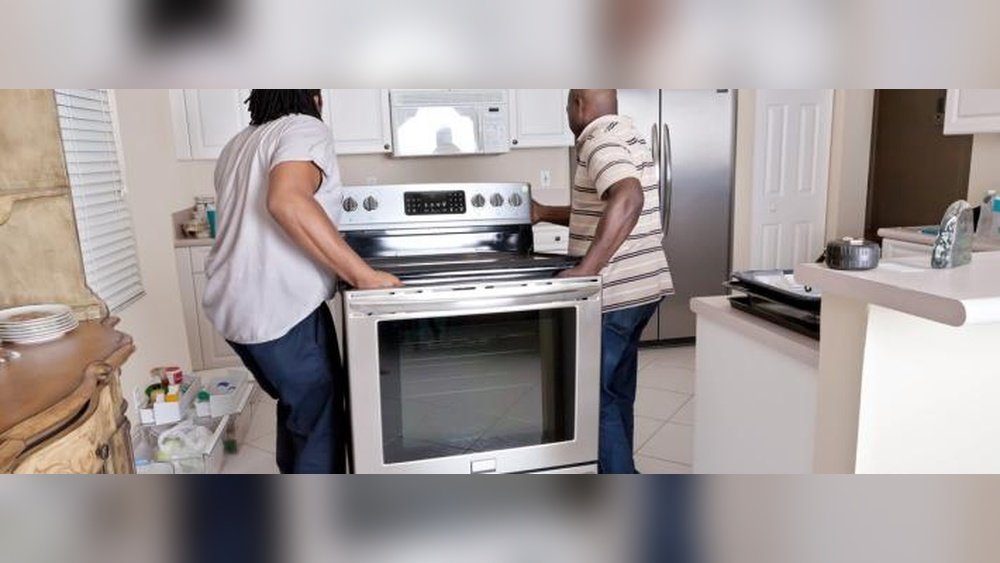
Moving a gas oven is a task that requires careful planning and strict attention to safety. Many people think it’s as simple as shifting a regular appliance, but a gas oven is different. It connects to your home’s gas supply, which makes it both useful and risky.
If you make a mistake, you could cause a gas leak, damage your oven, or even start a fire. This is why most experts recommend hiring a licensed professional. However, there are situations where you may need or want to move a gas oven yourself, like during a kitchen remodel, a deep cleaning, or when moving to a new house.
This guide will help you understand every step of the process, from preparing your space to reconnecting the oven safely. It will explain the tools you need, the risks to watch for, and what mistakes to avoid. If you’re not a trained technician, you’ll learn how to decide which steps you can do yourself and when to call for help.
You’ll also find out why moving a gas oven is not the same as moving an electric one, and why a few extra safety steps can make a huge difference.
Understanding The Risks Of Moving A Gas Oven
Before you start, it’s important to understand why moving a gas oven is a special challenge. Unlike electric ovens, gas ovens are connected to your home’s natural gas or propane supply. Gas is flammable, invisible, and can be deadly if leaked. Even a small mistake, like loosening the wrong fitting, can fill your kitchen with gas in minutes.
Most gas ovens have a flexible connector, but these hoses are not designed to be bent or twisted repeatedly. Old connectors can crack or leak, especially if disturbed. If your oven has a rigid metal pipe, moving it without disconnecting the gas line can damage the pipe or the oven’s internal valve.
Some important statistics to keep in mind:
- According to the National Fire Protection Association, gas ranges and ovens cause an average of 4,800 house fires per year in the US.
- About 60% of these fires start because of equipment malfunction or improper handling during installation or moving.
You should never attempt to move a gas oven without knowing how to shut off the gas supply and checking for leaks afterward.
Tools And Materials Needed
You will need the right tools to move a gas oven safely. Here’s a list of what most people require:
- Adjustable wrench (for disconnecting the gas line)
- Pipe thread sealant (approved for gas connections)
- Gas leak detector solution (or a mix of dish soap and water)
- Work gloves and safety glasses
- Moving dolly or appliance rollers
- Furniture sliders (for hardwood or tile floors)
- Flashlight
- Teflon tape (yellow, for gas lines only)
- Drop cloths or cardboard sheets (to protect flooring)
- Masking tape and permanent marker (for labeling connections)
- Bucket and old towels (for cleaning as you go)
If your oven has a wall vent or is hardwired for electric ignition, you may also need a screwdriver or drill.
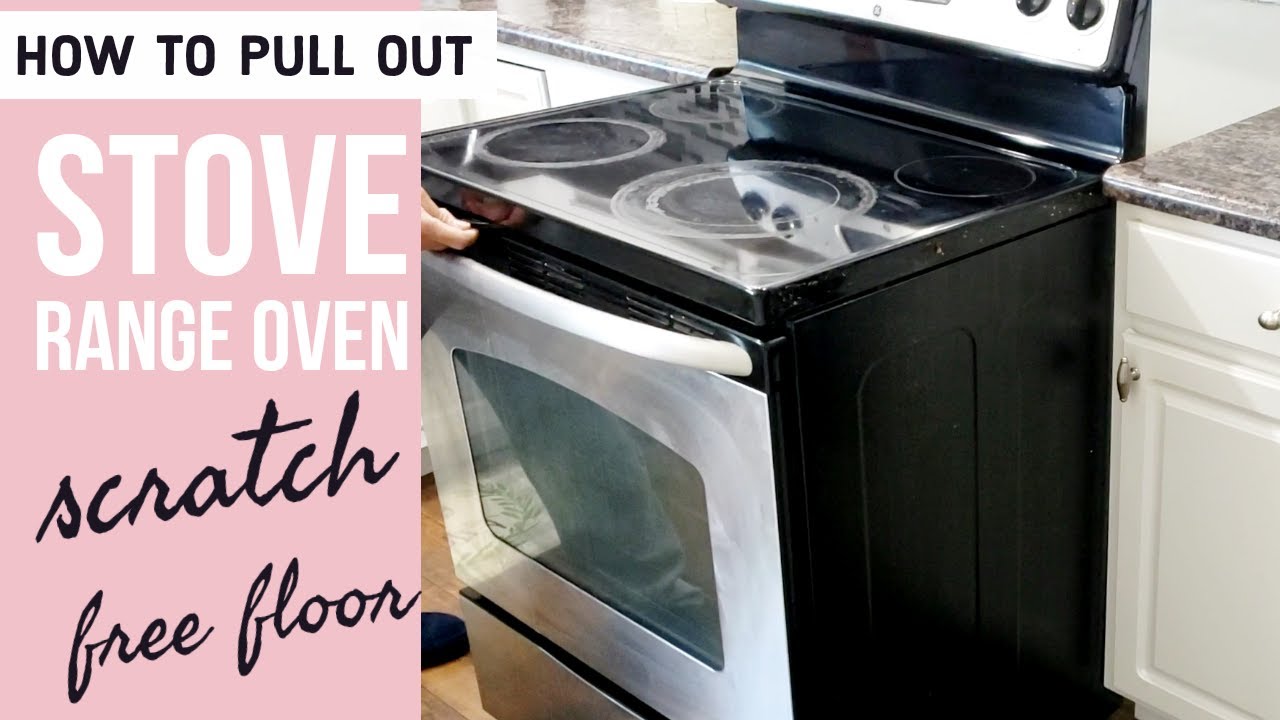
Credit: www.youtube.com
Planning And Preparation
Moving a gas oven is not just about strength; it’s about planning. Start by looking at your kitchen layout and the path you’ll take when moving the oven. Ask yourself:
- Are there cabinets or counters that block the oven?
- Is there enough room to tip the oven forward without damaging the floor or walls?
- Will you need to move the oven through a doorway or downstairs?
- Is the gas supply valve easy to reach?
Clear the area around the oven. Remove any objects from countertops, and sweep the floor to prevent slipping. If possible, open windows for ventilation. You should also keep a fire extinguisher nearby in case of emergency.
Before you do anything else, locate the main gas shutoff valve for your kitchen or home. This is usually a lever or knob on the pipe near the wall behind the oven. If you can’t find it, do not proceed until you know where it is.
Step-by-step Guide To Moving A Gas Oven
1. Shut Off The Gas Supply
Turn the oven knobs to the “off” position. Then, find the shutoff valve and turn it 90 degrees (a quarter-turn) so it’s perpendicular to the pipe. This stops the flow of gas. Wait a minute, and sniff for any gas smell.
If you smell gas, stop and call your gas company immediately.
2. Unplug The Oven
Most modern gas ovens need electricity for ignition and lights. Pull the oven slightly forward and unplug it from the wall. If the plug is hard to reach, use a wooden stick or a plastic tool—never use metal tools near gas lines.
3. Disconnect The Gas Line
Now, use your adjustable wrench to loosen the flexible gas connector where it joins the oven. Turn counterclockwise. Place a towel under the connector to catch any drips. If you see a rigid pipe, this is more complex, and you should call a professional.
Once the connector is free, plug the open pipe with a gas-rated cap or tape to prevent accidental leaks. Label the connector with masking tape if you plan to reuse it.
4. Secure Oven Parts
Remove oven racks, trays, and burners. Place them in a box or wrap them in towels. Tape the oven door shut to prevent it from swinging open.
5. Protect The Floor
Place drop cloths or cardboard under the oven’s feet. For tile or wood floors, use furniture sliders.
6. Move The Oven
With a helper, gently rock the oven forward. Slide the moving dolly under the oven if possible. If you don’t have a dolly, lift with your legs, not your back. Move slowly to avoid bending the gas connector.
If you must move the oven over a threshold or down stairs, always have someone spotting you.
7. Position The Oven In Its New Location
Set the oven in its new spot. Make sure it’s level using a bubble level. Check that the floor is strong enough to hold the oven’s weight.
8. Reconnect The Gas Line
Before reconnecting, inspect the flexible connector for cracks or wear. Never reuse a damaged connector—replace it with a new, approved one. Wrap the threads with yellow Teflon tape or apply gas-rated pipe sealant.
Hand-tighten the connector, then use the wrench for an extra quarter-turn. Do not overtighten.
9. Test For Gas Leaks
Open the shutoff valve slowly. Mix a solution of dish soap and water. Brush it over the connector and joints. If you see bubbles, you have a leak. Tighten the joint or disconnect and reconnect. Test again. Only plug in the oven and use it when you’re sure there are no leaks.
10. Plug In The Oven
Plug the power cord back into the outlet. Slide the oven gently into place, making sure not to pinch the gas connector.
11. Final Checks
Turn on the oven briefly to make sure it lights properly. Listen and smell for any signs of a gas leak. Watch for error codes or ignition problems. Replace the oven racks and trays.

Credit: www.youtube.com
Comparing Gas And Electric Oven Moves
Moving a gas oven is more complicated than moving an electric oven. Here’s how they differ:
| Feature | Gas Oven | Electric Oven |
|---|---|---|
| Power Source | Gas line + electricity | Electric outlet only |
| Risk Level | High (gas leaks, fire) | Lower (mainly shock risk) |
| Tools Needed | Wrench, sealant, leak detector | Screwdriver, outlet tester |
| Professional Help | Often required | Less often needed |
The main difference is the risk of gas leaks. Electric ovens only need unplugging and careful lifting. Gas ovens must be handled with extra care due to the flammable gas supply.
When To Call A Professional
You should always call a licensed gas technician if:
- The oven is hardwired or has no flexible connector.
- You cannot identify or reach the shutoff valve.
- The gas line looks old, rusted, or damaged.
- You smell gas, even faintly, at any time.
- You are unsure about any step.
Professional movers have the right tools, insurance, and experience. In some cities, local laws require a licensed plumber or gasfitter to connect or disconnect gas appliances. If you rent your home, check your lease—moving a gas oven yourself could break your contract.
Common Mistakes To Avoid
Many DIY movers make the same errors when moving gas ovens. Here are the most common mistakes and how to avoid them:
- Not shutting off the gas before starting. This can cause leaks or explosions.
- Using the wrong sealant. Only use Teflon tape or pipe dope rated for gas lines.
- Reusing old, cracked connectors. Always inspect and replace old hoses.
- Overtightening fittings. This can strip threads and make leaks worse.
- Skipping the leak test. Never assume a connection is tight—always test with soap solution.
- Forgetting to unplug the oven. Electricity and gas can be a deadly mix.
- Moving the oven alone. Always get help to avoid injury or damage.
- Kinking or twisting the gas connector. This weakens the hose and can cause leaks.
- Not leveling the oven. An uneven oven can affect cooking and cause doors to swing open.
- Blocking the vent or air supply. This can cause poor combustion and carbon monoxide buildup.
Safety Tips And Best Practices
For a safe move, keep these best practices in mind:
- Work with a partner. Ovens are heavy and awkward.
- Label all connections before you disconnect anything.
- Use protective gear like gloves and safety glasses.
- Keep children and pets out of the area.
- Ventilate the room well.
- Keep a fire extinguisher nearby.
- After moving, check all burners and oven functions before using for cooking.
If you live in an apartment or high-rise, tell your building manager before you move a gas appliance.
How To Choose A New Flexible Gas Connector
If your current connector is old or damaged, you must replace it. Here’s how to choose the right one:
| Feature | What to Look For |
|---|---|
| Material | Stainless steel or coated brass (never rubber only) |
| Length | Long enough to allow oven movement, but not so long it kinks |
| Diameter | Match your oven’s BTU rating (check manual) |
| End Fittings | Match the oven and wall connections (usually 1/2″ or 5/8″) |
| Certification | Look for CSA or UL approval |
Never buy a used connector. Always check the package for safety certifications.
What To Do If You Smell Gas
If you ever smell gas during or after moving the oven:
- Do not use light switches, plugs, or your phone in the area.
- Open windows and doors.
- Leave the house immediately.
- Call your gas company from outside.
- Do not return until a technician says it’s safe.
Gas has a strong odor (like rotten eggs) due to added chemicals. Even a faint smell can mean a dangerous leak.

Credit: www.reddit.com
How To Move A Gas Oven Upstairs Or Through Tight Spaces
Moving a gas oven through a narrow doorway, up stairs, or around corners is even harder. Here are tips for these situations:
- Measure the oven and all doorways before you start.
- Remove the oven door if possible (check your manual).
- Use a furniture dolly with straps for stairs.
- Go slow, and have someone guide you from each end.
- Protect walls and door frames with towels or cardboard.
Never force the oven through a space that’s too small. You could damage the oven or the gas line.
Cleaning The Area After Moving The Oven
Once the oven is out, you’ll see lots of dust, crumbs, or grease. Here’s how to clean up:
- Sweep or vacuum the floor and walls.
- Wipe down surfaces with a degreaser.
- Check for any signs of water or gas leaks.
- Clean the oven exterior before reinstalling.
Moving the oven is a good chance to do a deep clean you can’t do otherwise.
Moving A Gas Oven During A Kitchen Remodel
If you’re remodeling your kitchen, you may need to move the oven multiple times. Here’s how to manage this safely:
- Plan the new gas line location with your contractor.
- Shut off the gas before every move.
- Leave enough space for the oven to slide in and out easily.
- Have the final gas hookup done by a licensed technician.
A remodel is a great time to upgrade to a new, safer flexible connector or install a safety shutoff valve behind the oven.
How To Move A Gas Oven To A New House
If you’re moving to a new home, you may want to take your gas oven with you. Here’s what to do:
- Check with your moving company—many do not allow gas appliances.
- Remove all detachable parts and pack them separately.
- Cap all gas connections securely.
- Transport the oven upright if possible.
- At your new home, have a licensed technician reconnect the oven and test for leaks.
Moving a gas oven is more complex than moving a fridge or dishwasher. Plan extra time for disconnecting and reconnecting.
Environmental And Cost Considerations
Reusing a gas oven is environmentally friendly, but only if you move it safely. Gas leaks waste energy and can harm air quality. If your oven is over 15 years old, compare the cost of moving it to the cost of buying a new, energy-efficient model.
The average cost for professional moving and reinstallation of a gas oven is $150–$350, depending on your location. DIY moves may save money but increase risk if not done properly.
What To Do After The Move
Once your oven is in its new spot and reconnected:
- Run the oven at 350°F for 10 minutes to burn off any dust or residue.
- Test all burners and oven functions.
- Listen for unusual noises or smells.
- Register your oven with the manufacturer if you’ve just moved.
If you notice any problems, turn off the gas and call a technician immediately.
Non-obvious Insights Most People Miss
- Flexible connectors have a shelf life. Even if they look fine, gas connectors should be replaced every 10 years for maximum safety.
- Some older ovens use a standing pilot light. If you have an older model, you may need to relight the pilot after moving. Newer ovens use electronic ignition.
- Gas shutoff valves can stick. Test your shutoff valve every year, even if you’re not moving the oven. If it’s hard to turn, replace it before you need it.
- Insurance may not cover DIY moves. If you damage your oven or cause a gas leak, some home insurance policies won’t pay if you didn’t use a licensed technician.
These details can save you from unexpected headaches or dangers during your move.
Frequently Asked Questions
What Should I Do If I Cannot Find The Gas Shutoff Valve?
If you can’t find the shutoff valve, do not try to move the oven. Call your gas company or a licensed technician to help you locate and shut off the gas safely.
Is It Safe To Reuse The Old Gas Connector?
It is usually not safe to reuse an old gas connector. Over time, connectors can crack or corrode, even if they look fine outside. Always use a new, certified flexible connector when reinstalling your oven.
Can I Move A Gas Oven Alone?
It’s not recommended to move a gas oven by yourself. Ovens are heavy, and moving alone increases the risk of injury, dropping the appliance, or damaging the gas line. Always get help.
How Do I Test For Gas Leaks After Reconnecting The Oven?
Mix a little dish soap and water, and brush it on all gas connections. If you see bubbles, there’s a leak. Tighten the connections or call a technician if the bubbles continue.
Where Can I Find Official Safety Information About Gas Appliances?
You can find trustworthy safety information at the Consumer Product Safety Commission.
Moving a gas oven is not a casual weekend project. With careful planning, the right tools, and attention to detail, you can do it safely. But when in doubt, always call a professional. Your safety—and your home—are worth it.