
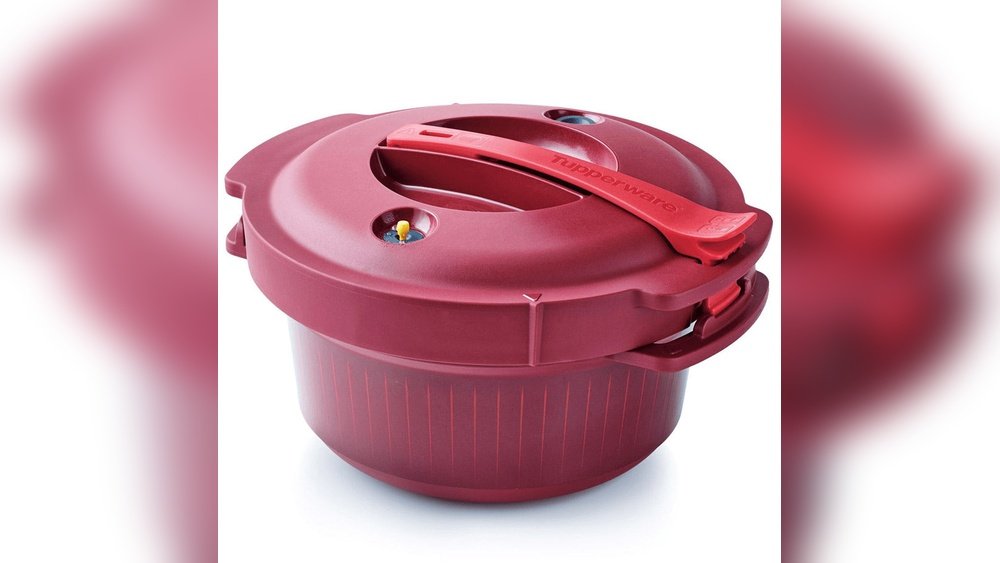
If you want to cook delicious meals faster and with less effort, a microwave pressure cooker can be a game-changer in your kitchen. This tool combines the speed of a microwave with the power of pressure cooking, letting you make soups, stews, rice, beans, and even desserts in record time. Many people are surprised by how easy it is to use, but there are important safety rules and tips that you should know before you get started.
In this guide, you’ll learn everything you need to safely and effectively use a microwave pressure cooker. Whether you’re completely new or have tried it a few times, you’ll discover how to prepare, cook, and clean your device—and even pick up some expert tricks that most beginners miss.
What Is A Microwave Pressure Cooker?
A microwave pressure cooker is a special container designed to use both pressure and microwave energy to cook food quickly. It usually has a locking lid, a pressure valve, and a safety mechanism. Unlike traditional stovetop or electric pressure cookers, this device goes inside your microwave oven.
The science is simple: as food heats up, steam builds pressure inside the sealed container. This high-pressure environment cooks food much faster than regular boiling or baking. For example, dried beans that might take over an hour on the stove can be ready in under 20 minutes with this tool.
Key features include:
- Locking lid to keep steam inside
- Pressure release valve for safety
- Microwave-safe materials (usually BPA-free plastic)
- Steaming basket (in some models)
Microwave pressure cookers are popular for people with small kitchens, busy schedules, or limited cooking skills. They’re also safer than many people think, thanks to built-in safety systems.
How Does A Microwave Pressure Cooker Work?
Understanding the working principle will help you use the cooker safely and effectively. When you add liquid (like water or broth) and seal the lid, the microwave heats the liquid rapidly. Steam forms and cannot escape, so pressure builds up. This raises the boiling point of water, allowing food to cook at higher temperatures and more quickly.
Main steps in action:
- Food and liquid go inside the cooker.
- The lid locks, and the cooker is placed in the microwave.
- As the microwave runs, steam builds pressure inside.
- The food cooks faster due to high pressure and heat.
- Pressure is released through a valve before opening.
Unlike stovetop pressure cookers, the microwave version never reaches extremely high pressures, but it’s enough to cut cooking times by 50–70%.
One common mistake is overfilling the cooker. Always leave enough space for steam—usually no more than two-thirds full.
Why Use A Microwave Pressure Cooker?
There are several reasons to use this tool instead of regular pots or even other pressure cookers.
- Speed: Meals that take an hour can be ready in 20 minutes or less.
- Energy Savings: Microwaves use less power than stovetops or ovens.
- Less Supervision: You don’t need to watch the stove—just set the timer and walk away.
- Safer for Beginners: Built-in safety features reduce the risk of burns or explosions.
- Easy Cleanup: Most parts are dishwasher safe and have no exposed heating elements.
- Versatility: Perfect for rice, beans, soups, curries, vegetables, and even cakes.
People often overlook that this cooker is great for small kitchens or dorms, where a full-sized pressure cooker is not practical. Also, it’s ideal if you want to avoid heating up your kitchen with a stovetop.
Choosing The Right Microwave Pressure Cooker
Not all microwave pressure cookers are the same. Making a smart choice will help you avoid frustration and wasted money.
Key Factors To Consider
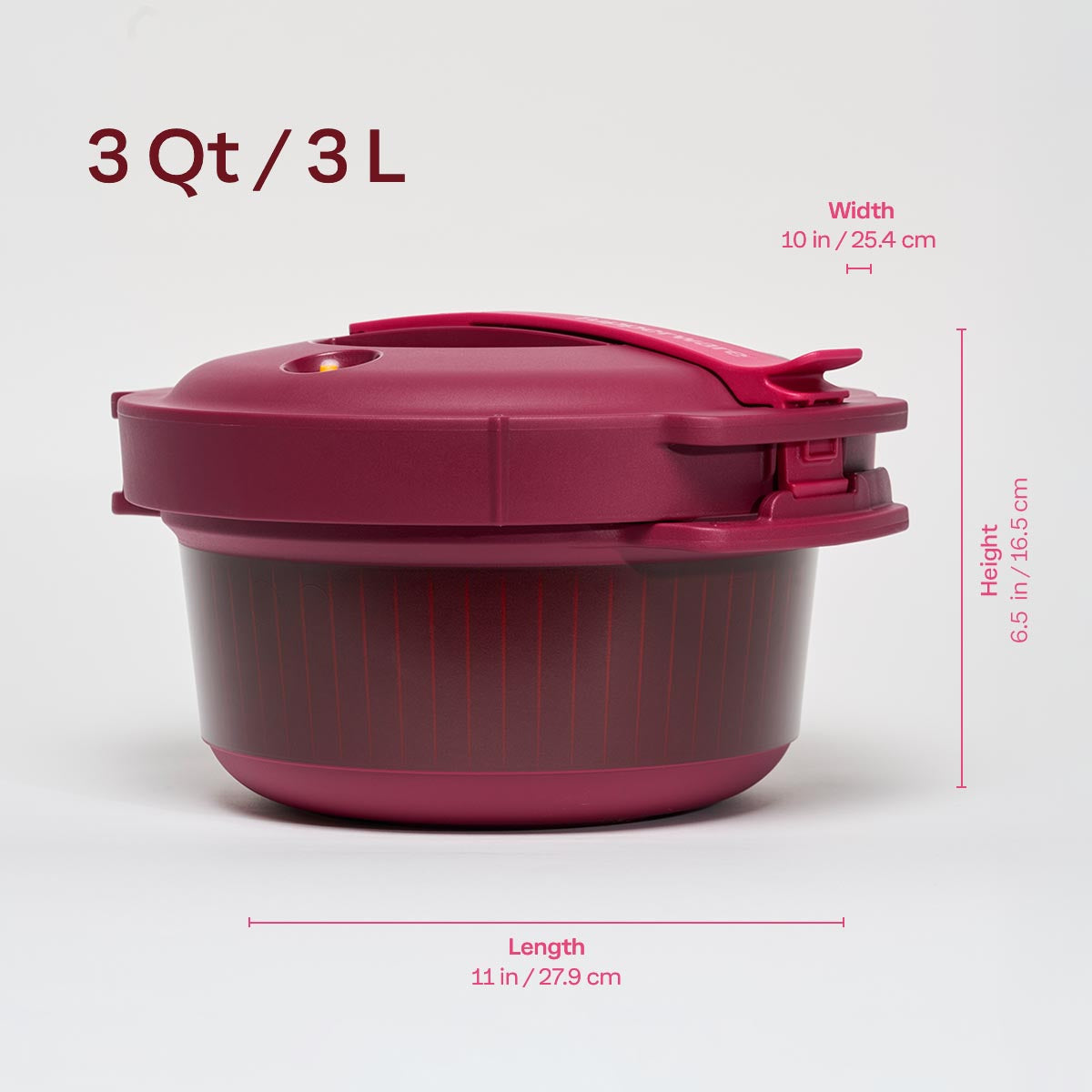
- Capacity: Most hold between 2 to 3 liters (8–12 cups). Choose based on your family size.
- Material Quality: Look for BPA-free, high-quality plastic. Cheap materials can warp or crack.
- Lid Locking System: A sturdy, secure lock is essential for safety.
- Pressure Release Valve: This should be easy to use and clean.
- Accessories: Some models come with steaming baskets or recipe booklets.
- Brand Reputation: Read reviews and check for safety certifications.
Comparison Table: Popular Models
Here’s a look at three top microwave pressure cooker models and how they compare.
| Model | Capacity | Material | Safety Features | Accessories |
|---|---|---|---|---|
| Tupperware Microwave Pressure Cooker | 2 liters | BPA-free plastic | Double-lock lid, pressure valve | Steamer basket, recipes |
| SilverStone Microwave Pressure Cooker | 2.8 liters | BPA-free plastic | Pressure release button, safety lock | None |
| Prep Solutions by Progressive | 2.8 liters | BPA-free plastic | Pressure control valve | Rice paddle, measuring cup |
Common mistake: Choosing a cooker that’s too large for your microwave. Always measure your microwave interior before buying.
Preparing To Use Your Microwave Pressure Cooker
Before cooking your first meal, take a few simple steps to ensure safety and great results.
Initial Setup
- Wash all parts: Clean the lid, base, gasket, and accessories with warm soapy water.
- Read the manual: Every model is a bit different. Pay special attention to safety instructions.
- Check the pressure valve: Make sure it’s clean and not blocked.
- Inspect the gasket: This rubber ring creates a seal. It should be soft, not cracked.
Microwave Compatibility
Not all microwaves have the same power. Most microwave pressure cookers work best with ovens from 900 to 1200 watts. If your microwave is weaker, you may need to add a few minutes to cooking times.
Pro tip: Test your microwave with a cup of water to see how fast it boils. This helps estimate cooking times more accurately.
How To Use A Microwave Pressure Cooker: Step-by-step Guide
Cooking with a microwave pressure cooker is simple, but following the right steps ensures safety and the best taste.
1. Add Ingredients And Liquid
Place your food inside the cooker. Always add enough liquid (water, broth, or sauce). Pressure cooking needs steam—no liquid means burnt food or a damaged cooker.
General rule: For grains, use at least 1 cup of liquid per cup of grains. For meats and beans, cover the food with liquid.
2. Do Not Overfill
Leave at least one-third of the cooker empty for steam to build. Never fill past the max fill line. Overfilling can block the valve or cause leaks.
3. Secure The Lid
Lock the lid firmly. Make sure the pressure valve is in the correct position (usually “closed” or “sealed”).
4. Set The Pressure Valve
Check the valve is clean and set to “pressure cook” (not “release” or “steam”).
5. Place In The Microwave
Set the cooker in the center of the microwave turntable. This ensures even heating.
6. Set Cooking Time
Microwave cooking times are much shorter than stovetop pressure cooking. Here are some examples:
- White rice: 10–12 minutes
- Lentils: 7–9 minutes
- Chicken breasts: 10–14 minutes
- Stews: 15–18 minutes
Always use your model’s cooking chart as a starting point.
7. Let Pressure Release
After cooking, let the pressure drop before opening. Most cookers need a few minutes for natural release, or you can use the quick-release valve.
Warning: Never force the lid open until all pressure is gone.
8. Open Carefully
Lift the lid away from your face to avoid hot steam. Stir and check if your food is done. If not, you can reseal and cook for 1–2 more minutes.
9. Serve And Enjoy
Your meal is ready! Serve directly or let it cool in the cooker.
Safety Tips For Microwave Pressure Cooking
While microwave pressure cookers are generally safe, it’s important to follow key rules to avoid accidents.
- Never open under pressure: Always wait until the pressure valve shows it’s safe.
- Do not block the vent: This can cause dangerous buildup.
- Check gasket and seals regularly: Replace if cracked or stiff.
- Only use recommended foods: Avoid very fatty meats or foods that foam (like pasta or applesauce).
- Don’t use oil as the main liquid: Water-based liquids are best for steam.
Non-obvious insight: Foods that expand (like rice, beans, or oatmeal) need extra space—never fill the cooker more than half full with these.
Foods You Can And Cannot Cook
Microwave pressure cookers are flexible, but there are limits.
Great Foods For Microwave Pressure Cooking
- Rice and grains: Fast, fluffy, and perfect every time.
- Beans and lentils: No soaking needed for many types.
- Stews and soups: Meat and vegetables cook together quickly.
- Vegetables: Broccoli, carrots, potatoes steam fast.
- Chicken and fish: Moist, tender results.
- Cakes and puddings: Moist desserts in minutes.
Foods To Avoid
- Pasta: Can foam and block the valve.
- Oats and cereals: Too much foaming.
- Dairy-heavy dishes: Milk can scald and stick.
- Large cuts of meat: May not cook evenly.
Another tip: Cut food into even pieces for best results.
Sample Recipes To Try
Here are three easy recipes you can make with a microwave pressure cooker. These illustrate the process and help you get started.
1. Quick Chicken Stew
Ingredients:
- 2 chicken breasts, cut in pieces
- 2 cups chopped potatoes
- 1 cup carrots
- 1 onion, sliced
- 2 cups chicken broth
- 1 tsp salt
- 1/2 tsp pepper
Instructions:
- Add all ingredients to the cooker.
- Lock the lid and set the pressure valve.
- Microwave on high for 14 minutes.
- Let pressure release for 5 minutes before opening.
- Stir and serve.
2. Fluffy White Rice
Ingredients:
- 1 cup white rice
- 1 3/4 cups water
- 1/2 tsp salt
Instructions:
- Rinse rice, add to cooker with water and salt.
- Lock lid and set valve.
- Microwave on high for 11 minutes.
- Let pressure drop naturally, then fluff and serve.
3. Vegetable Medley
Ingredients:
- 1 cup broccoli florets
- 1 cup carrot slices
- 1 cup potato cubes
- 1/2 cup water
- Salt and pepper to taste
Instructions:
- Add vegetables and water to cooker.
- Lock lid and set valve.
- Microwave on high for 6 minutes.
- Quick-release pressure, season, and serve.
Cleaning And Maintenance
Taking care of your microwave pressure cooker keeps it working well and safe to use.
Cleaning Steps
- Disassemble: Remove the lid, gasket, and any accessories.
- Wash: Use warm soapy water. Most parts are dishwasher safe, but check your manual.
- Clean the valve: Use a brush or toothpick to remove residue.
- Dry thoroughly: Prevents mold or smells.
Maintenance Tips
- Inspect the gasket for cracks every month.
- Store the cooker with the lid off to avoid trapped smells.
- Replace any worn parts as needed.
Non-obvious tip: Food odors can stick to plastic. To remove, soak the cooker with a mix of water and baking soda overnight.

Credit: www.amazon.com
Troubleshooting Common Problems
Even with careful use, you might run into issues. Here’s how to solve them.
Problem: Lid Won’t Open
- Cause: Pressure is not fully released.
- Fix: Wait longer or gently move the valve to release steam.
Problem: Food Is Undercooked
- Cause: Not enough cooking time or liquid.
- Fix: Add 1–2 minutes and a bit more liquid.
Problem: Liquid Leaks During Cooking
- Cause: Overfilled cooker or gasket not seated properly.
- Fix: Fill to the correct line and check the gasket.
Problem: Food Burns Or Sticks
- Cause: Not enough liquid or high-sugar ingredients.
- Fix: Always add enough water, and avoid sticky sauces.
Quick guide: When in doubt, add a bit more liquid and check food halfway through the first tries.
Comparison: Microwave Vs. Stovetop Pressure Cookers
How does a microwave pressure cooker stack up against traditional models? Here’s a quick look.
| Feature | Microwave Pressure Cooker | Stovetop/Electric Pressure Cooker |
|---|---|---|
| Cooking Speed | Very fast for small meals | Fast, handles larger batches |
| Safety | More safety features, less risk | Safe but needs supervision |
| Capacity | 2–3 liters (small/medium) | Up to 8 liters (large meals) |
| Ease of Use | Simple, “set and forget” | More steps, more monitoring |
| Price | Usually $25–$45 | $60–$150+ |
Microwave pressure cookers are best for quick, small meals or side dishes, while stovetop models are better for large families or batch cooking.
Maximizing Results: Pro Tips
To get the most from your microwave pressure cooker, try these expert suggestions.
- Cut ingredients evenly: This ensures all pieces cook at the same rate.
- Season well: Flavors can fade in pressure cooking. Use enough salt and spices.
- Let food rest: After cooking, let the dish sit for a few minutes. Flavors blend and textures improve.
- Test with water: Before your first meal, try boiling just water. This helps you learn how pressure builds and releases.
- Keep a cooking log: Write down times and results for your favorite recipes.
Unexpected insight: Some foods taste even better when reheated from leftovers cooked in a pressure cooker, as flavors continue to develop.
When Not To Use A Microwave Pressure Cooker
There are situations where another tool is better.
- Large roasts or whole poultry: Won’t fit or cook evenly.
- Very fatty foods: Fat can clog the valve or cause spattering.
- Delicate fish: May overcook or fall apart.
- Recipes needing browning: Searing meat for flavor is better done before pressure cooking.
If you need to brown meat, do it in a pan first, then transfer to the cooker.
Credit: www.tupperware.com
Accessories And Upgrades
Some microwave pressure cookers come with useful add-ons.
- Steaming baskets: For vegetables or dumplings.
- Measuring cups and spoons: For precise results.
- Recipe booklets: Good for beginners.
- Replacement gaskets: Extend the life of your cooker.
You can also use your own microwave-safe tools, but avoid metal parts.
Storing And Handling Leftovers
Microwave pressure cookers double as storage containers. Just let the food cool, then seal and refrigerate. However, always reheat with the lid off or vented.
Tip: Pressure-cooked meals often keep their flavor and moisture better than regular microwaved dishes.

Credit: www.amazon.com
Environmental Impact
Microwave pressure cooking uses less energy than traditional methods, which is good for your utility bills and the planet. Because meals cook faster and with less heat, you’re also keeping your kitchen cooler in the summer.
According to the U.S. Department of Energy, microwave ovens use up to 80% less energy than a regular oven for small meals (Energy.gov).
Frequently Asked Questions
What Foods Are Not Safe In A Microwave Pressure Cooker?
Avoid foods that foam or expand a lot, like pasta, oatmeal, and applesauce. These can block the pressure valve and cause leaks.
How Much Liquid Should I Add?
Always add at least 1 cup of water or broth. For grains and beans, enough liquid to cover them is best. Never cook dry foods without liquid.
Can I Cook Frozen Meat Or Vegetables?
Yes, but add extra cooking time—usually 2–5 minutes more. Be sure to check doneness before serving.
Is A Microwave Pressure Cooker Dishwasher Safe?
Most are, but always check the manual. Gaskets and valves may need hand washing to avoid damage.
Do Microwave Pressure Cookers Work In All Microwaves?
They work best in microwaves from 900 to 1200 watts. If your oven is smaller, cook in shorter bursts and check food more often.
Using a microwave pressure cooker can make mealtime faster, easier, and even more enjoyable. With the right techniques, you’ll be surprised by how many delicious dishes you can make with just a few minutes of effort. Remember to follow safety steps, experiment with flavors, and enjoy the convenience this modern tool brings to your kitchen.