
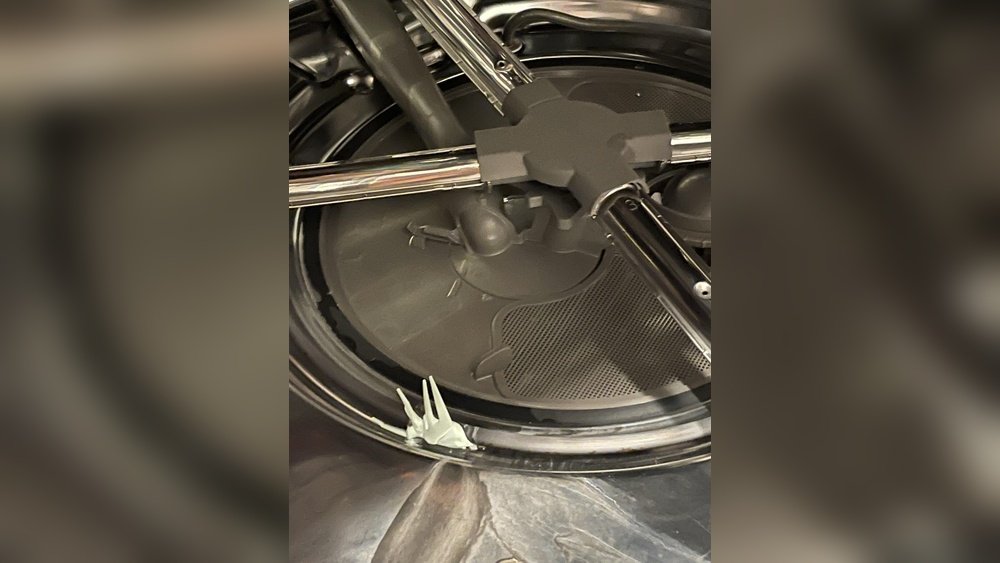
If you’ve ever opened your dishwasher to find a melted plastic mess, you know how stressful and confusing the situation feels. The plastic odor, sticky residue, and fear of damaging your expensive appliance can be overwhelming. But don’t panic or rush to buy a new dishwasher just yet.
With the right steps, you can clean up melted plastic and restore your dishwasher to its original condition.
Many homeowners make the mistake of using sharp tools, harsh chemicals, or the wrong cleaning methods. These can scratch, discolor, or even break your dishwasher. This guide will walk you through every step, giving you practical advice and clear explanations.
Even if English is not your first language, you’ll find these instructions easy to follow. You’ll also discover tips that most people overlook, helping you avoid mistakes and keep your dishwasher safe for future use.
Why Plastic Melts In The Dishwasher
Understanding why plastic melts helps you prevent it from happening again. Most dishwashers heat water between 120°F and 160°F (49°C to 71°C) for cleaning and use a drying cycle that can push temperatures even higher. Not all plastics are designed to handle these temperatures. Thin or low-quality items, like takeout containers or plastic lids, can soften and deform. If these items fall onto the dishwasher’s heating element, they can melt quickly.
Some common reasons melted plastic ends up in your dishwasher include:
- Placing items not labeled dishwasher safe
- Thin plastic falling through the rack onto the heating element
- Overloading the dishwasher, causing items to shift during the cycle
- Placing plastics in the bottom rack (top rack is usually safer)
Knowing these causes will help you choose the right items and placement in the future.
Safety Precautions Before You Start
Before you touch melted plastic, think about your safety. Melted plastic releases fumes and can burn your skin. Follow these steps to protect yourself and your appliance:
1. Turn Off And Unplug The Dishwasher
If possible, unplug the dishwasher or turn off the circuit breaker. Wait for the appliance to cool down completely before you begin cleaning.
2. Ventilate The Area
Open windows and turn on kitchen fans. This helps remove any lingering plastic fumes.
3. Wear Protective Gear
Use heat-resistant gloves to protect your hands. If you have sensitive lungs, consider wearing a mask.
4. Gather Cleaning Supplies
You’ll need:
- Plastic scraper or old credit card
- Baking soda
- Vinegar
- Dish soap
- Soft cloths or sponges
- Toothbrush or small brush
- Ice cubes (optional)
- Ziplock bag (optional)
- Mild abrasive cleaner (optional)
Preparing these items in advance saves time and keeps you safe.
Credit: www.onesmileymonkey.com
Identifying The Type And Location Of Melted Plastic
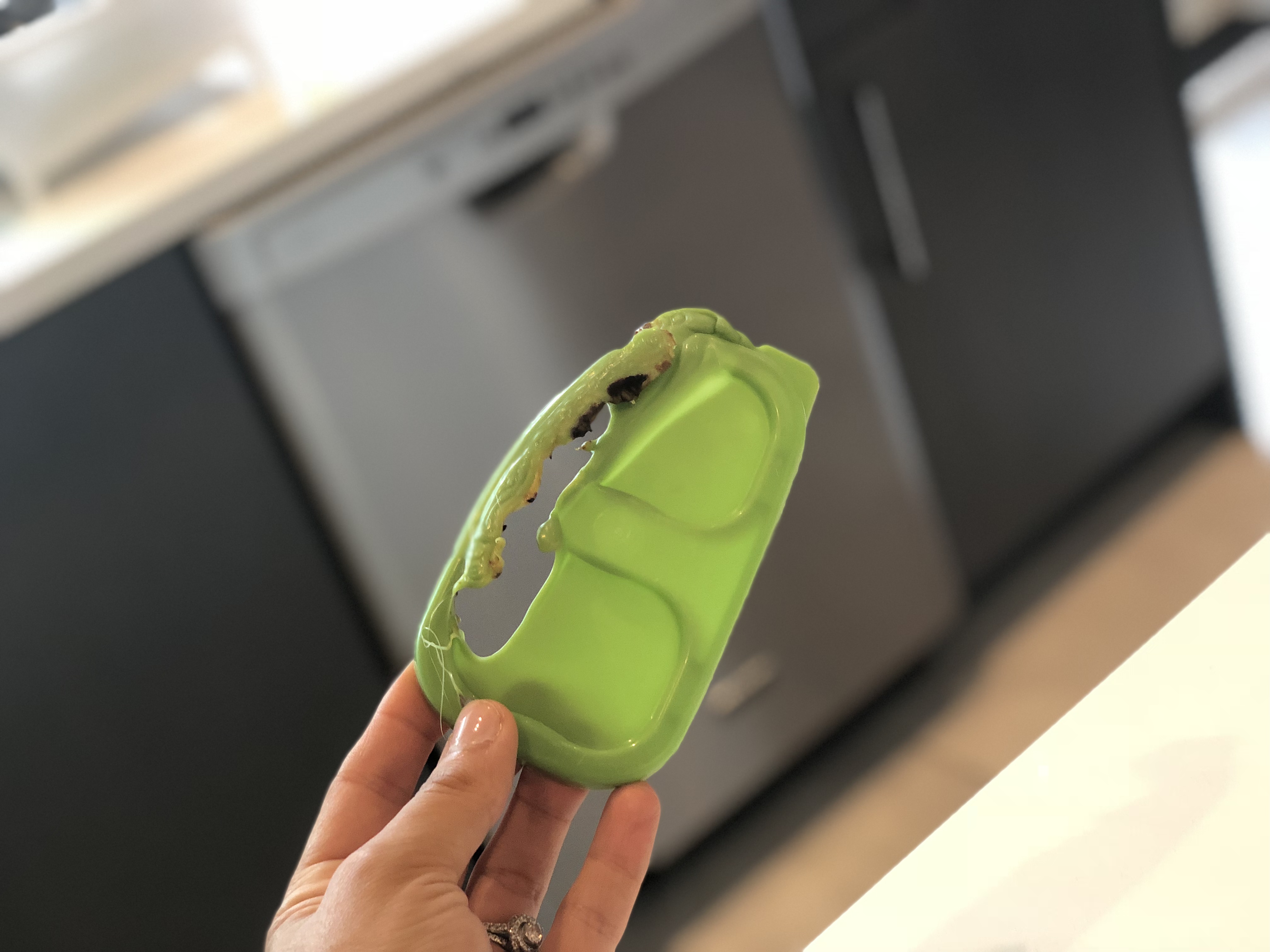
Not all melted plastic is the same. Some forms a thin film, while other times it’s a thick glob. The location also matters—plastic on the heating element is different from plastic on the racks or tub.
Common Places Where Plastic Melts
- Heating Element: The most common spot. The element gets extremely hot and melts plastic instantly.
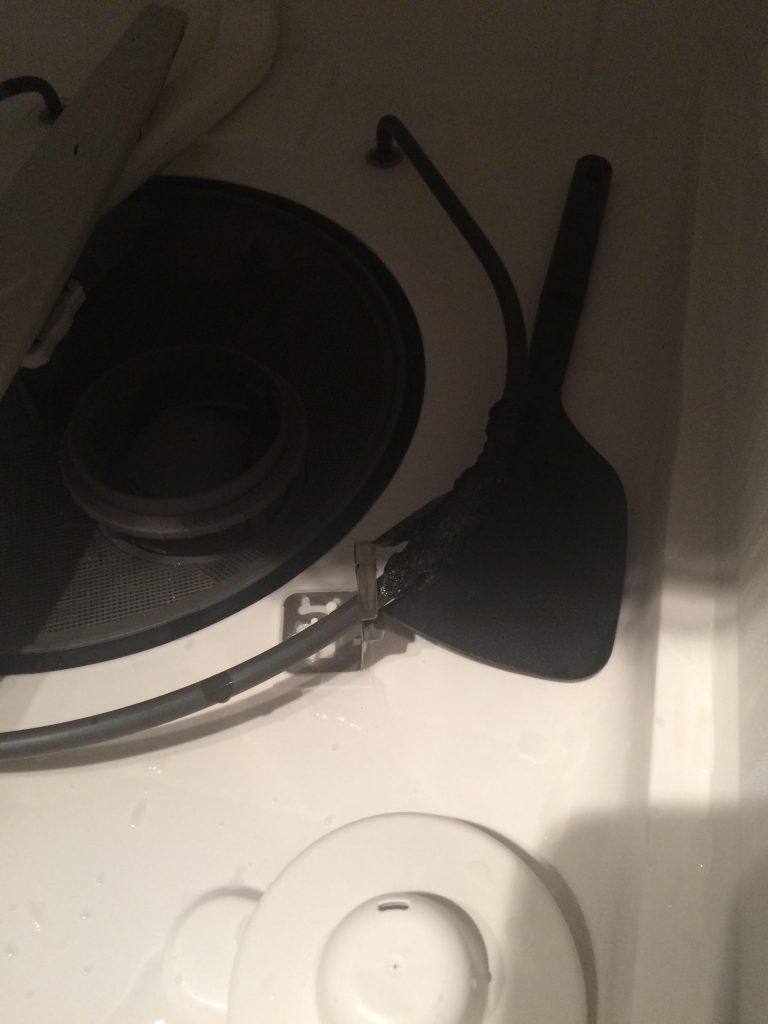
- Dishwasher Rack: Thin plastics can drape or wrap around the wires.
- Tub/Interior Walls: Sometimes, plastic sticks to the sides or bottom.
- Drain Area: Small pieces may clog the drain, causing drainage problems.
Why Location Matters
Plastic on the heating element is more difficult and dangerous to remove. It may harden or burn, making it sticky or brittle. In contrast, plastic on racks or the tub is easier to clean.
Tip most people miss: Smell can guide you. A burnt odor near the bottom or vent usually means the heating element is affected. A faint plastic smell can mean a hidden piece in the drain or under the rack.
Removing Melted Plastic From The Heating Element
This is the trickiest part. The heating element is delicate, so you must be careful.
Step-by-step Removal Process
1. Ensure The Element Is Cool
Never touch the heating element until it’s completely cool. Check by gently hovering your hand above it.
2. Try Freezing The Plastic
Place a handful of ice cubes in a ziplock bag. Lay the bag on the melted plastic for 10-15 minutes. This makes the plastic brittle and easier to remove.
3. Gently Scrape With A Plastic Tool
Use a plastic scraper, old credit card, or wooden spatula. Never use metal tools—they scratch or break the element. Carefully pry off the plastic in small pieces.
4. For Stubborn Plastic
If some residue remains, dampen a soft cloth with a little vinegar and baking soda paste. Wrap the cloth around the spot and let it sit for 15 minutes. The combination helps dissolve the plastic without damaging the element.
5. Wipe Clean
Use a damp cloth to remove any leftover bits or paste.
What To Avoid
- Don’t use sharp knives or metal scrapers.
- Don’t pull hard on stuck plastic—it may bend the heating element.
- Avoid using strong chemical cleaners.
Example
Sarah found a melted sandwich bag on her dishwasher’s heating element. After cooling, she used an ice pack and a plastic scraper. Most of the plastic came off easily. The last bit dissolved after she applied a baking soda paste.
Removing Melted Plastic From Racks And Dishwasher Tub
Plastic that melts on racks or the tub is less risky but still tricky to clean.
Steps For Racks
1. Remove The Rack
If possible, take the rack out of the dishwasher. This gives better access and prevents damage to the machine.
2. Soak And Scrape
Lay the rack in the sink. Pour hot (but not boiling) water over the melted plastic to soften it. Use a plastic scraper or old toothbrush to gently remove the residue.
3. Clean With Dish Soap
Wash the area with dish soap and warm water. Rinse well.
Steps For Tub Or Interior Walls
1. Soften The Plastic
If the plastic is thick, use a hair dryer on low heat to soften it. Keep the dryer moving and don’t overheat the area.
2. Scrape Carefully
Use a plastic scraper or credit card to lift the plastic. For stubborn bits, a paste of baking soda and water helps loosen the residue.
3. Wipe And Rinse
Use a soft, damp cloth to clean the area. Run a rinse cycle with no dishes to clear away any remaining bits.
Two Extra Tips Beginners Miss
- Check Under Racks: Plastic can drip and solidify underneath, so always check both sides.
- Use an Old Toothbrush: For plastic stuck in corners, a toothbrush is more effective than a sponge.
Cleaning Melted Plastic From The Drain Area
Plastic that melts and breaks off can clog your dishwasher’s drain. This may lead to poor draining or error codes.
How To Check And Clean The Drain
1. Remove Lower Rack
Take out the lower rack for clear access.
2. Locate And Remove The Drain Cover
Most dishwashers have a removable drain cover. Check your manual if you’re not sure how to take it off.
3. Remove Plastic Pieces
Use a flashlight to see any small plastic bits. Remove them with tongs or your fingers (wear gloves).
4. Clean The Filter
Wash the filter under warm water and scrub with dish soap. Replace it securely.
5. Run A Rinse Cycle
After reassembling, run a short rinse cycle to check for proper drainage.
Why It Matters
A blocked drain can cause water to back up or leave dirty water in the tub. Small plastic bits can even damage the dishwasher pump over time.
Odor Removal After Cleaning Melted Plastic
Even after the plastic is gone, the smell can linger. Burnt plastic odors are strong and can last for days.
How To Remove Odors
1. Run A Vinegar Cycle
Pour 1 cup of white vinegar into a dishwasher-safe bowl. Place it on the top rack and run the hottest cycle.
2. Baking Soda Rinse
Sprinkle 1 cup of baking soda on the bottom of the dishwasher. Run a short hot water cycle.
3. Leave Door Open
After cleaning, leave the dishwasher door open for a few hours to air out.
Pro Tip
If the smell persists, repeat the vinegar and baking soda cycles. Avoid using bleach, especially if your dishwasher has stainless steel parts—it can cause corrosion.
When To Call A Professional
Sometimes, melted plastic causes damage that you cannot fix yourself. Here are signs you need expert help:
- Discoloration or Burn Marks: If the heating element is discolored, cracked, or warped.
- Persistent Odor: If the smell does not go away after several cleanings.
- Error Codes or Draining Issues: If the dishwasher displays error codes or fails to drain, even after cleaning.
- Electrical Problems: If you notice sparks, flickering lights, or the dishwasher won’t start.
A technician can check for internal damage and replace faulty parts.
Preventing Melted Plastic In The Future
Prevention is always better than repair. Here’s how to stop melted plastic accidents before they start:
1. Check Labels
Only place items in the dishwasher that are marked dishwasher safe. If not sure, wash them by hand.
2. Place Plastics On The Top Rack
The top rack is farther from the heating element and less likely to get too hot.
3. Avoid Thin Or Low-quality Plastics
Items like takeout boxes or lightweight lids are more likely to melt.
4. Don’t Overload The Dishwasher
Overloading causes items to shift and fall, increasing the risk of melting.
5. Secure Small Items
Use a dishwasher basket or mesh bag for small plastics so they don’t fall to the bottom.
6. Check After Loading
Before running the dishwasher, check that no plastics are hanging below the racks.
7. Choose The Right Cycle
If your dishwasher has a “top rack only” or “delicate” cycle, use it for plastics.
8. Educate Family Members
Teach everyone in your household what can and cannot go in the dishwasher.
Example
James used to put all his kids’ plastic lunch containers on the bottom rack. After one melted, he switched to placing them on the top rack and never had the problem again.
Comparing Diy Cleaning Methods
Not all cleaning methods are equal. Here’s a quick comparison to help you choose the safest and most effective way to remove melted plastic.
| Method | Effectiveness | Safety | Recommended For |
|---|---|---|---|
| Plastic scraper + ice pack | High | Very safe | Heating element, racks |
| Baking soda paste | Medium | Safe | Small residue spots |
| Vinegar soak | Medium | Safe | Odor removal, residue |
| Metal scraper/knife | High | Unsafe | Not recommended |
| Chemical cleaners | Low | Unsafe | Avoid |
:max_bytes(150000):strip_icc()/how-to-remove-melted-plastic-5080445_05-96e8c46e59104d26a4d2de005dc7ae10.jpg)
Credit: www.thespruce.com
Common Mistakes To Avoid
Many people cause more harm than good when trying to remove melted plastic. Avoid these errors to keep your dishwasher in top shape.
1. Using Metal Tools
Metal can scratch or break the heating element and racks.
2. Scrubbing With Abrasive Pads
Steel wool or rough sponges can damage the dishwasher’s coating and make it rust.
3. Forgetting To Ventilate
Melted plastic fumes can cause headaches and irritation. Always keep the area well-ventilated.
4. Rushing The Job
Trying to peel off plastic while it’s still hot can cause burns and spread the mess.
5. Ignoring Small Bits
Even tiny pieces can melt further or clog the drain. Double-check all areas.
6. Using Harsh Chemicals
Products like bleach or oven cleaners are too strong for dishwashers and can cause permanent damage.
Signs Of Dishwasher Damage After Plastic Melts
After cleaning, it’s important to check for any lasting damage. Here’s what to look for:
- Discoloration on Heating Element: A slight color change is normal, but black or burnt spots are not.
- Cracks or Warping: If the heating element is misshapen, it might not heat properly.
- Poor Cleaning Performance: If dishes aren’t coming out clean, melted plastic may have blocked spray arms or filters.
- Strange Noises: Clicking, grinding, or whirring sounds can mean something is stuck.
If you notice any of these issues, consult your dishwasher’s manual or call a technician.
How To Deep Clean Your Dishwasher After A Melted Plastic Incident
Once the plastic is gone, a thorough cleaning helps remove residue, odors, and any harmful particles.
Steps For A Deep Clean
1. Empty The Dishwasher
Make sure all racks and utensils are removed.
2. Clean The Spray Arms
Use a toothpick or small brush to clear any holes. Plastic bits can block water flow.
3. Wash The Racks And Utensil Holders
Soak them in warm, soapy water. Scrub away any remaining residue.
4. Clean The Door And Gasket
Wipe the door edges and rubber gasket with a vinegar-dampened cloth.
5. Run A Cleaning Cycle
Use a dishwasher cleaner or 2 cups of vinegar on the top rack. Run the hottest cycle.
6. Final Rinse With Baking Soda
Sprinkle 1 cup of baking soda in the bottom and run a short hot water cycle.
This process will help restore your dishwasher to a fresh, like-new condition.
What To Do If Plastic Melts During A Cycle
If you notice a burning smell or see melted plastic during a wash cycle, act quickly:
1. Pause The Cycle
Open the dishwasher door slightly to stop the cycle. Let steam escape for a few minutes.
2. Unplug The Dishwasher
If possible, unplug or turn off the breaker for safety.
3. Wait For Cooling
Never touch melted plastic while it’s still hot.
4. Ventilate The Area
Open windows to clear out fumes.
5. Follow The Cleaning Steps
Once the machine is cool, remove the plastic using the earlier methods.
Comparing Dishwasher Safe Plastics
Not all plastics are equal. Some can handle dishwasher temperatures, while others melt easily.
| Plastic Type | Dishwasher Safe? | Max Temperature | Common Uses |
|---|---|---|---|
| Polypropylene (PP) | Yes | 210°F (99°C) | Food containers, lids |
| Polyethylene (PE) | Usually not | 160°F (71°C) | Bags, wraps |
| Polystyrene (PS) | No | 140°F (60°C) | Takeout boxes |
| Polycarbonate (PC) | Yes (top rack) | 250°F (121°C) | Reusable bottles |
Tip: Always check for the dishwasher safe symbol on the bottom of your items. If the label is missing or unclear, it’s safer to wash by hand.
Environmental And Health Impacts Of Melted Plastic
When plastic melts in your dishwasher, it doesn’t just make a mess. It can also release chemicals and particles that are harmful to your health and the environment.
- Fumes: Burning plastic releases chemicals like BPA and phthalates, which can irritate your lungs or cause long-term health problems.
- Microplastics: Tiny bits may enter your dishwasher’s water system, spreading to your dishes or the environment.
- Food Safety: Any residue left behind can contaminate your next load of dishes.
To learn more about the dangers of melted plastic, the EPA offers detailed information.
How To Tell If Your Dishwasher Needs Replacement
Some melted plastic incidents are so severe they damage the appliance beyond repair. Here’s how to know if you need a new dishwasher:
- Repeated Melting Incidents: If plastic keeps melting, there may be a design flaw or a malfunctioning heating element.
- Unfixable Damage: If the heating element is broken, the racks are warped, or the tub is permanently discolored.
- Frequent Breakdowns: If your dishwasher keeps showing errors, leaking, or not cleaning dishes.
Data point: Most dishwashers last 9 to 12 years with regular care. If yours is older, replacement may be more cost-effective.
How To Explain Dishwasher Safety To Kids And Guests
Even adults sometimes don’t know which plastics are safe for dishwashers. If you have children or guests in your home, it’s smart to explain the basics:
- Show them the dishwasher safe symbol.
- Explain why only sturdy plastics go on the top rack.
- Demonstrate how to load plastics so they don’t fall.
- Remind them that takeout containers, plastic bags, and thin lids should never go in the dishwasher.
A quick lesson can prevent future problems and protect your appliance.
Credit: guinco.com
Quick Reference Guide: What To Do If Plastic Melts
When plastic melts, you need to act quickly and safely. Here’s a summary to help you remember:
- Turn off and cool the dishwasher.
- Ventilate the area.
- Use an ice pack and plastic scraper for the heating element.
- Remove racks and soak if needed.
- Check and clean the drain.
- Run vinegar and baking soda cycles to remove odors.
- Inspect for damage.
- Take steps to prevent future accidents.
Print this list and keep it near your dishwasher for easy access.
Frequently Asked Questions
How Do I Know If My Dishwasher Heating Element Is Damaged By Melted Plastic?
Check for burn marks, discoloration, cracks, or warping on the heating element. If the element looks bent or doesn’t heat properly, it may be damaged. In this case, it’s best to call a repair technician.
Can I Use Chemical Cleaners To Remove Melted Plastic?
No, chemical cleaners like oven cleaner or bleach are too harsh for dishwashers. They can damage the interior and leave harmful residues. Stick to baking soda, vinegar, and mild dish soap.
Is It Safe To Use The Dishwasher After Removing Melted Plastic?
Yes, as long as all plastic and residue are gone and the dishwasher is not damaged. Run a vinegar or baking soda cycle before washing dishes again to remove odors and particles.
Why Do Plastic Items Melt On The Bottom Rack But Not The Top Rack?
The bottom rack is closer to the heating element, which gets much hotter during drying cycles. The top rack stays cooler, making it safer for plastics.
What Plastics Are Most Likely To Melt In The Dishwasher?
Thin plastics like takeout containers, plastic bags, and lightweight lids melt easily. Always check for a dishwasher safe symbol before placing any plastic in your machine.
Removing melted plastic from a dishwasher can be frustrating, but with the right steps, you can solve the problem safely and prevent it in the future. By using safe cleaning methods, checking for damage, and teaching everyone in your home about dishwasher safety, you’ll keep your appliance working well for years to come.