
If you want to cook healthy meals with less oil, a GreenPan pot is a smart choice. It’s not just another nonstick cookware. This pot uses a ceramic nonstick surface called Thermolon, which is made without PFAS, PFOA, lead, or cadmium. This means your food is safer, and you are not breathing in harmful fumes. But if you’re new to using a GreenPan pot, you might wonder how to get the best results. How do you cook with it? What are the dos and don’ts? How do you clean it and make it last for years?
If you want answers to these questions and more, you are in the right place. This guide will show you how to use a GreenPan pot the right way, from the first use to daily cooking, cleaning, and storage. You’ll also see how it compares to other cookware, what mistakes to avoid, and expert tips that most beginners miss.
Whether you are a student, a new home cook, or just want to eat healthier, you’ll find clear steps and practical advice here.
What Makes A Greenpan Pot Special?
Before you start cooking, it’s good to know why GreenPan pots are different. Unlike classic nonstick pans that use plastic-based coatings, GreenPan uses Thermolon ceramic. This means:
- No toxic fumes at high heat
- Nonstick performance with less oil or butter
- Safe for most types of stovetops, including induction (depending on the model)
- Easy to clean, even with sticky foods
Because of these features, GreenPan pots are popular with people who want both convenience and health.
Getting Ready: First Use Of Your Greenpan Pot
When you first unbox your GreenPan pot, don’t just put it on the stove and start cooking. These steps help your pot last longer and perform better:
1. Wash Before First Use
Wash the pot with warm soapy water and a soft sponge. Rinse well and dry with a towel.
2. Check For Stickers And Packaging
Remove any stickers, tags, or packaging materials, especially on the base or inside.
3. Seasoning (optional But Useful)
While GreenPan says seasoning is not required, rubbing a small amount of oil (like sunflower or canola) and wiping off the excess helps the nonstick surface last longer. Just pour a teaspoon of oil, spread it with a paper towel, and wipe away any extra.
4. Choose The Right Burner Size
Use a burner that matches the bottom of your pot. This helps heat spread evenly and prevents warping.

Credit: greenpan.com.au
Cooking With Your Greenpan Pot
Cooking with a GreenPan pot is simple, but a few techniques make all the difference.
Preheating The Right Way
Always preheat the pot for about 30 seconds on low or medium heat. Never use high heat. Ceramic nonstick needs less heat to cook food evenly.
Tip: If you see a drop of water sizzle and dance on the surface, the pot is ready.
Using Oil And Fats
While you can cook with less oil, adding a small amount improves both taste and nonstick performance. Don’t use aerosol sprays—they can leave a sticky build-up.
- Use a teaspoon of olive, avocado, or canola oil.
- Butter also works but don’t let it burn.
Cooking Techniques
GreenPan pots are versatile for many cooking methods:
- Boiling pasta, rice, or vegetables
- Making soups and stews
- Simmering sauces
- Sautéing vegetables or meats
But avoid deep frying or broiling, as high temperatures can damage the nonstick surface.
Stirring And Flipping
Always use wooden, silicone, or plastic utensils. Metal tools can scratch the ceramic coating. Even light scratches can reduce nonstick ability over time.
Common Cooking Mistakes To Avoid
- Overheating: High heat is not needed. Medium or low is best.
- Empty Pot on Heat: Never leave the pot empty on a hot burner for long—it can overheat and damage the surface.
- Thermal Shock: Don’t pour cold water into a hot pot. Sudden temperature changes can warp the base.
Sample Recipes For Your Greenpan Pot
Here are three easy recipes to start with:
Vegetable Stir-fry
- Heat 1 teaspoon of oil on medium.
- Add chopped onions, bell peppers, carrots, and broccoli.
- Stir with a wooden spoon for 5–6 minutes.
- Season with salt, pepper, and soy sauce.
Simple Tomato Soup
- Sauté 1 chopped onion and 2 garlic cloves with 1 teaspoon oil.
- Add 4 cups chopped tomatoes, 2 cups water, salt, and pepper.
- Simmer for 20 minutes.
- Blend until smooth.
Rice Pilaf
- Heat 1 teaspoon oil.
- Add 1 cup washed rice, stir for 2 minutes.
- Pour in 2 cups water and a pinch of salt.
- Cover and simmer until water is absorbed.
Cleaning Your Greenpan Pot
Cleaning the pot is just as important as cooking. It’s the key to making your pot last for years.
Daily Cleaning Steps
- Let the pot cool before washing. Hot pots in cold water can warp or crack.
- Use warm water, mild dish soap, and a soft sponge.
- For stuck-on food, soak the pot for 15–20 minutes in warm soapy water.
- Never use steel wool, abrasive pads, or harsh cleaners.
Tip: If something is really stuck, make a paste with baking soda and water. Gently rub with a soft cloth.
Dishwasher Use
Most GreenPan pots are “dishwasher safe,” but hand washing is better. Dishwashers use strong detergents and high heat, which can reduce nonstick life.
Removing Stains
Sometimes, you’ll see brown or rainbow stains after cooking. This is normal and comes from oil or food residue.
- Use a solution of 1 part vinegar and 3 parts water.
- Boil gently in the pot for 5 minutes, let cool, then wash as usual.
Drying And Storing
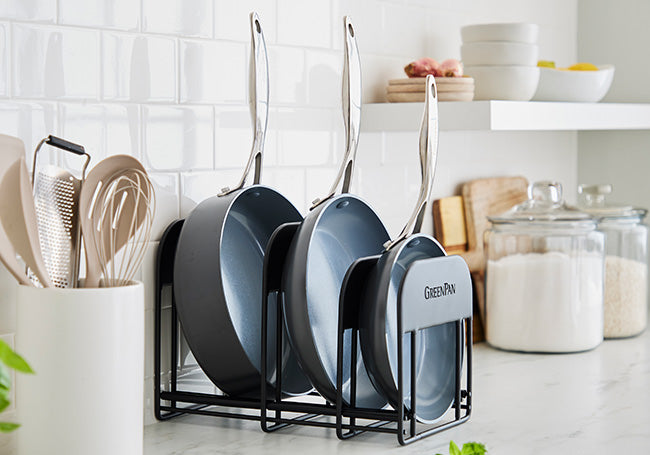
Always dry your pot completely with a towel to prevent water spots. Stack pots with a soft cloth or paper towel between them to protect the surface.
How Greenpan Pots Compare To Other Cookware
Choosing cookware is a big decision. Here’s how GreenPan pots stack up against other common types.
| Feature | GreenPan Pot | Traditional Nonstick | Stainless Steel | Cast Iron |
|---|---|---|---|---|
| Nonstick Coating | Thermolon Ceramic | PTFE (Teflon) | None | Natural (with seasoning) |
| Healthy/Non-Toxic | Yes | Depends on heat/use | Yes | Yes |
| Oven Safe | Yes (check limits) | Sometimes | Yes | Yes |
| Dishwasher Safe | Usually | Usually | Yes | No |
| Durability | Good, if cared for | Wears out faster | Very durable | Very durable |
| Best For | Low-oil cooking | Easy clean-up | Browning, deglazing | Searing, baking |
Storing Your Greenpan Pot For Long Life
How you store your cookware makes a big difference in how long it lasts.
- Always let the pot cool and dry before putting it away.
- If stacking, place a paper towel, cloth, or pan protector between pots.
- Store with the lid off to prevent moisture buildup.
Tip: Never hang your pot by the handle if it is heavy—this can loosen the handle over time.
Advanced Tips: Getting The Most From Your Greenpan Pot
Most people just use GreenPan pots like any other cookware. But a few extra habits can make cooking easier and keep your pot in top shape.
1. Use The Right Heat Settings
Ceramic nonstick works best on low to medium heat. High heat can break down the coating faster, even if you don’t see damage right away.
2. Avoid Cooking Sprays
Aerosol sprays (like PAM) can leave a sticky residue that builds up over time. This makes the surface less nonstick and harder to clean. Use a small amount of oil instead.
3. Watch The Utensils
Even a small scratch from a metal fork or knife can ruin the nonstick ability in that spot. Stick to wood, silicone, or plastic.
4. Don’t Store Food In The Pot
Leaving food in the pot, especially acidic foods like tomato sauce, can damage the coating. Always transfer leftovers to another container.
5. Deep Cleaning For Stubborn Stains
If you notice the pot looking dull or not as nonstick, try this:
- Sprinkle baking soda over the surface.
- Add a little water to make a paste.
- Let it sit for 10–15 minutes.
- Gently scrub with a soft cloth, then rinse.
6. Handle Care
If your GreenPan pot has a stainless steel handle, it can get hot. Use a pot holder or oven mitt when moving the pot.
7. Use On The Right Stovetop
Most GreenPan pots work on gas, electric, and ceramic stovetops. For induction, check the product label for compatibility.
8. Oven Use
Many GreenPan pots are oven safe up to a certain temperature (often 350–600°F). Check your specific model. Never use the pot under a broiler.
9. Avoid Drastic Temperature Changes
Don’t move the pot straight from the fridge to the stove, or from the stove to cold water. Let it come to room temperature first.
10. Regular Maintenance
Every few weeks, repeat the oil seasoning step. This keeps the nonstick surface in good condition.
Common Mistakes Beginners Make
Beginners often make a few mistakes with their GreenPan pots. Here’s how to avoid them:
- Using Too Much Heat: High heat is not needed. Medium is enough for most foods.
- Metal Utensils: Even one scrape can damage the coating.
- Using Harsh Cleaners: These scratch and dull the surface.
- Stacking Without Protection: This can chip or scratch the coating.
- Not Letting the Pot Cool Before Washing: Sudden changes in temperature can warp the pot.
How To Tell If Your Greenpan Pot Needs Replacement
Even with good care, all cookware wears out. Here are signs your pot might need replacing:
- Food sticks even with oil and proper heat
- Deep scratches or chips in the ceramic coating
- The base is warped or uneven
- Handles are loose or unsafe
On average, with good care, a GreenPan pot lasts 3–5 years or more.
Choosing The Right Greenpan Pot For Your Needs
GreenPan offers many types of pots. Here’s a quick look at the main options:
| Pot Type | Best For | Sizes | Induction Compatible | Oven Safe Up To |
|---|---|---|---|---|
| Saucepan | Soups, sauces, reheating | 1–3 qt | Some models | 350–600°F |
| Stockpot | Pasta, stews, boiling | 5–8 qt | Some models | 350–600°F |
| Dutch Oven | Braising, baking, slow-cooking | 4–6 qt | Some models | Up to 600°F |
| Saute Pan | Sautéing, stir-fry, shallow frying | 3–5 qt | Some models | Up to 600°F |
When buying, look for:
- The right size for your family
- Stovetop compatibility (especially for induction)
- Oven safety if you want to bake
- Type of handle (stainless steel stays cool longer)

Credit: cookerswar.com
Real-world Examples: Cooking With Greenpan Pots
Let’s look at some real kitchen situations.
Example 1: Making Oatmeal
You want to make oatmeal for breakfast. With a GreenPan pot, you add water and oats, simmer on low heat, and stir with a silicone spoon. Oatmeal slides out easily, and cleaning is simple—just a quick rinse.
Example 2: Simmering Tomato Sauce
A classic tomato sauce is acidic and can damage regular nonstick. But with GreenPan, you use less oil, stir with a wooden spoon, and the sauce doesn’t stick. Just don’t leave it in the pot after cooking.
Example 3: Reheating Leftovers
Reheating rice or pasta can lead to sticking in other pots. In a GreenPan pot, a dash of water and gentle heat is enough—food slides out easily.
How To Make Your Greenpan Pot Last Longer
Most people focus only on cooking and cleaning, but a few extra habits can add years to your pot’s life.
- Dry thoroughly after every wash to prevent water spots.
- Store with protection between pots to avoid scratches.
- Repeat oil seasoning every month.
- Don’t use it for tasks like popping popcorn or deep frying, which need high heat.
Credit: www.greenpan.us
Environmental Benefits Of Greenpan Pots
One reason people choose GreenPan is for the environment. The Thermolon coating is made with fewer CO₂ emissions than traditional nonstick coatings. There’s no PFAS or PFOA, so fewer chemicals end up in water and soil.
If you care about health and the planet, GreenPan is a smart option. For more about the science behind ceramic nonstick cookware, see this Wikipedia article.
Frequently Asked Questions
How Do I Remove Stubborn Stains From My Greenpan Pot?
Soak the pot in warm, soapy water for 15–20 minutes. For tough stains, make a paste with baking soda and water. Rub gently with a soft cloth, rinse, and dry. Avoid steel wool or harsh chemicals.
Can I Use My Greenpan Pot On An Induction Stove?
Some GreenPan pots are induction compatible, but not all. Check the product label or the base of the pot for an induction symbol. Only pots with a magnetic base will work on induction stoves.
Is It Safe To Use Metal Utensils With Greenpan Pots?
No, you should not use metal utensils. They can scratch and damage the ceramic coating. Use only wooden, silicone, or plastic utensils to keep the nonstick surface in good condition.
Can I Put My Greenpan Pot In The Dishwasher?
While many GreenPan pots are labeled “dishwasher safe,” hand washing is best. Dishwashers can shorten the life of the nonstick coating due to strong detergents and high heat.
How Long Does A Greenpan Pot Last?
With good care, a GreenPan pot can last 3–5 years or more. Avoid high heat, metal utensils, and harsh cleaners to extend its life.
Cooking with a GreenPan pot is easy and rewarding when you know the right steps. With a little care, you’ll enjoy healthier meals, easier clean-up, and a pot that lasts for years. Remember these tips and enjoy your time in the kitchen!