
A dishwasher is one of the most convenient kitchen appliances, but it needs regular maintenance to keep working smoothly. One small but important part many people overlook is the air gap. It sits above your sink or countertop and plays a key role in preventing dirty water from backing up into your dishwasher. If your air gap gets clogged or dirty, you might see water leaking onto your counter, dishes not getting clean, or even bad smells coming from your kitchen. Cleaning the air gap is a simple job, but many homeowners don’t know where to start or how often to do it. If you want your dishwasher to work its best and avoid expensive repairs, learning how to clean the air gap is essential.
Let’s walk through everything you need to know—what an air gap is, why it matters, how to spot problems, and step-by-step instructions for a thorough cleaning. Along the way, you’ll see real examples, tips that save time, and expert advice to help you avoid common mistakes.
By the end, you’ll have the confidence and know-how to keep your dishwasher running safely for years.
What Is A Dishwasher Air Gap And Why Does It Matter?
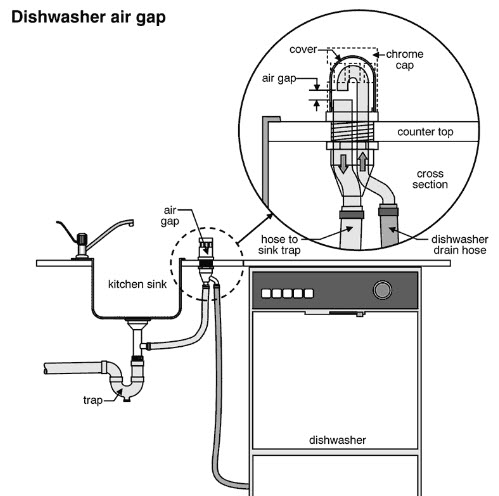
The air gap is a small, often silver or plastic device mounted near your kitchen sink. You might notice it as a round or square “cap” next to your faucet. Its main job is to act as a safety valve. When your dishwasher drains, water travels through a hose to the air gap. There, a small break (the gap) allows air in, preventing dirty water from the sink or garbage disposal from flowing backward into your dishwasher.
This is not just a good practice—it’s required by plumbing codes in many states in the US. The air gap protects your home from potential contamination, keeps your dishwasher running properly, and helps prevent water damage. If it’s blocked or dirty, water can’t drain correctly, which may lead to leaks, poor cleaning results, or even flooding under your sink.
How Does The Dishwasher Air Gap Work?
Understanding how the air gap works makes cleaning and troubleshooting much easier. Here’s a simple breakdown:
- Dirty water from your dishwasher is pumped out through a hose.
- Water enters the air gap, where it must jump across a physical break (the gap).
- If the main drain line is clear, water flows through a second hose into the sink drain or garbage disposal.
- If the drain is blocked, water escapes through the air gap’s vent, spilling onto the countertop as a warning.
The air gap forces water to travel in one direction—out of the dishwasher, never back in. This keeps food particles, bacteria, and dirty water from contaminating your clean dishes or the dishwasher itself.

Credit: www.youtube.com
Signs Your Dishwasher Air Gap Needs Cleaning
Many people don’t realize their air gap is clogged until there’s a problem. Watch for these common signs:
- Water leaking from the air gap cap onto your counter during or after dishwasher cycles.
- Bad smells coming from the air gap or sink area.
- Dishes not getting clean—especially if you notice dirty water left in the bottom of the dishwasher.
- Gurgling sounds from the sink or dishwasher drain.
- Visible debris or buildup when you remove the air gap cover.
It’s easy to mistake these symptoms for a dishwasher problem, but often the fix is a quick air gap cleaning.
What Causes Air Gap Blockage?
Air gaps can become blocked for several reasons. Understanding the causes helps prevent future problems:
- Food particles: Small pieces of food, grease, or soap scum can build up in the hoses or the air gap itself.
- Mineral deposits: Hard water can leave behind white or crusty deposits, especially if you live in an area with high mineral content.
- Broken or kinked hoses: If a hose is pinched or damaged, water can back up and push debris into the air gap.
- Improper installation: Sometimes, the hoses or air gap were not set up correctly, making clogs more likely.
Regular cleaning can prevent most of these issues.
Tools And Supplies Needed For Cleaning
Before you start, gather a few basic tools. Most people already have these at home:
- Small cup or bowl (to catch water)
- Old toothbrush or small bottle brush
- Toothpick or pipe cleaner
- Mild dish soap
- White vinegar (for tough buildup)
- Clean cloth or paper towels
- Flathead screwdriver (sometimes, for removing the cap)
- Rubber gloves (optional, for hygiene)
Having everything ready saves time and prevents messes.
How Often Should You Clean The Air Gap?
Experts recommend cleaning the air gap at least every 3 to 6 months. If you notice leaks, smells, or slow draining, clean it immediately. Homes with hard water or heavy dishwasher use may need more frequent cleanings.
Some people make air gap cleaning part of their regular kitchen deep-cleaning schedule. Mark it on your calendar or set a reminder—regular attention takes just a few minutes and prevents big problems later.
Step-by-step Guide: How To Clean Your Dishwasher Air Gap
Cleaning the air gap is simple, but doing it thoroughly is important. Here’s how:
1. Turn Off The Dishwasher
Safety first. Make sure the dishwasher is off and has finished any cycles. You don’t want it to start draining while you’re working.
2. Locate And Remove The Air Gap Cover
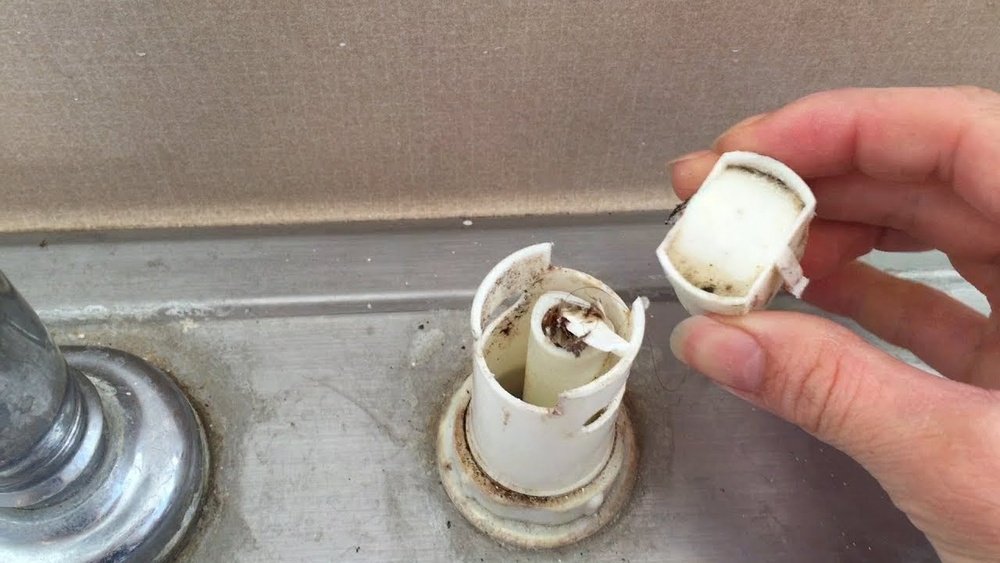
Find the air gap—usually a round or square cap next to your kitchen faucet. Most covers simply lift off. Some may twist off or have a small screw; use a flathead screwdriver if needed. Set the cover aside.
3. Inspect For Visible Debris
Look into the opening. You might see food particles, grease, or white mineral buildup. This is where many clogs begin.
4. Clean The Air Gap Cap And Visible Parts
Wash the cap with warm, soapy water. Use an old toothbrush to scrub away any grime inside and out. Rinse and dry.
5. Remove The Inner Cylinder (if Present)
Some air gaps have a plastic inner cylinder. Gently pull it out. Brush it clean with soap and water, or soak it in vinegar if there’s stubborn buildup.
6. Use A Bottle Brush Or Toothbrush
Insert a small bottle brush or toothbrush into the air gap opening. Twist and scrub the inside. Don’t force it—if there’s resistance, gently work around the edges.
7. Clear The Hoses
If you suspect a deeper blockage, use a pipe cleaner or straightened paperclip to gently push through the hose connected to the air gap. Be careful not to damage the hose.
8. Flush With Water And Vinegar
Pour a cup of white vinegar down the air gap, followed by hot water. This breaks down grease and mineral deposits. Let it sit for a few minutes, then rinse again with more hot water.
9. Check For Free Flow
Run the dishwasher’s rinse or drain cycle. Watch the air gap. If water flows smoothly into the sink drain and doesn’t leak from the cap, you’ve solved the problem.
10. Replace All Parts
Once everything is clean and dry, reassemble the air gap: insert the inner cylinder, snap or screw on the cap, and wipe the area clean.
11. Test Again
Run another rinse cycle to double-check for leaks or backups. If everything looks good, you’re done.
What If My Air Gap Is Still Clogged?
Sometimes, cleaning doesn’t solve the problem. If you’re still having issues:
- Check the drain hose from the air gap to the sink or garbage disposal. Detach it and flush it with hot water.
- Make sure the hose is not kinked or pinched.
- If water backs up from the sink drain, there may be a clog further down the line—use a drain snake or call a plumber.
If you’re unsure, it’s best to ask a professional rather than risk water damage.
Alternative Solutions: What If I Don’t Have An Air Gap?
Not all dishwashers have an air gap. Some use a “high loop” method—where the drain hose is looped up and attached high under the countertop. While this also helps prevent backflow, it’s less foolproof. In many areas, an air gap is required by code for new installations.
If your home is older or you’re replacing a dishwasher, consider adding an air gap. It’s a small cost for better safety and peace of mind.
Comparing Air Gap Vs. High Loop Drain Methods
Here’s a quick comparison to help you understand the difference:
| Feature | Air Gap | High Loop |
|---|---|---|
| Backflow Prevention | Excellent (physical break) | Good (but not perfect) |
| Required by Code | Often Yes | Rarely |
| Maintenance | Needs cleaning | Rarely needs attention |
| Cost | Low ($10-$30) | Very low |
Common Mistakes To Avoid When Cleaning
Cleaning an air gap isn’t hard, but many people make simple mistakes. Here are some to watch for:
- Forgetting to turn off the dishwasher: Always make sure the appliance isn’t running.
- Using harsh chemicals: Stick to vinegar and mild soap. Strong chemicals can damage the plastic or rubber parts.
- Skipping the hoses: Many clogs happen in the hoses, not just the air gap itself.
- Losing small parts: Some air gaps have small clips or screws. Keep track so you can reassemble easily.
- Over-tightening the cap: This can crack the plastic. Tighten gently.
- Ignoring leaks: If you still see water after cleaning, don’t ignore it—double-check your work or call a pro.
Real Examples: When Cleaning The Air Gap Fixed The Dishwasher
Let’s look at a few real-life situations to show how powerful this small cleaning task can be.
Example 1: Anna noticed her dishwasher was leaving dirty water in the bottom after every cycle. She tried running cleaning solutions through the dishwasher, but nothing worked. When she finally checked the air gap, she found it filled with food sludge. After a quick clean, her dishwasher drained perfectly again.
Example 2: Mark saw water pooling on the countertop every time the dishwasher ran. He worried the appliance was broken. But after cleaning the air gap and checking the hoses, the leak disappeared—saving him hundreds in possible repairs.
Example 3: A family with hard water had to clean their air gap every two months due to mineral buildup. They now add vinegar to their cleaning routine and haven’t had a clog in over a year.
How A Clean Air Gap Improves Dishwasher Performance
Many people don’t realize how much a clean air gap can help:
- Cleaner dishes: Dirty water drains away completely, so soap and food residues don’t stay behind.
- No leaks: Water stays where it belongs—in the pipes, not on your counters or floors.
- Better smells: No more bad odors from stagnant water or old food in the air gap.
- Longer dishwasher life: Prevents water backup, which can damage pumps and motors.
A little prevention goes a long way.
Signs It’s Time To Replace Your Air Gap
Most air gaps last for years, but sometimes they need replacing. Watch for these signs:
- Cracked or broken parts
- Persistent leaks even after cleaning
- Rust or severe mineral buildup that won’t scrub away
- Loose fit that won’t tighten
Replacement air gaps are inexpensive and available at any hardware store. Installation is usually DIY-friendly.
Credit: www.subzero-wolf.com
Table: Air Gap Cleaning Frequency For Different Households
Here’s a quick guide based on how much you use your dishwasher and your water quality:
| Household Type | Dishwasher Use | Water Quality | Recommended Cleaning Frequency |
|---|---|---|---|
| Single Person | 1-2 loads/week | Soft water | Every 6 months |
| Family of 4 | 5-7 loads/week | Hard water | Every 2-3 months |
| Shared Apartment | Daily use | Average | Every 3-4 months |
| Heavy Use + Pets | 2+ loads/day | Hard water | Monthly |
If in doubt, clean more often—especially if you notice slow draining or odors.
Expert Tips For Hassle-free Cleaning
- Pre-rinse plates before loading the dishwasher to reduce food particles going down the drain.
- Use a water softener if you have hard water—this prevents mineral buildup everywhere, not just in the air gap.
- Mark your calendar for regular air gap checks.
- Replace old hoses if they’re brittle or kinked.
- For stubborn clogs, use a wet/dry vacuum on the air gap opening to suck out debris.
What Most People Miss About Air Gap Maintenance
Here are two non-obvious insights even experienced homeowners sometimes miss:
- If the air gap leaks, it’s working—leaks mean it’s doing its job by preventing dirty water from going back into the dishwasher. The leak is a warning, not a failure.
- Check under the sink—sometimes clogs aren’t in the air gap but where the drain hose connects to the garbage disposal or sink tailpiece. Take a minute to inspect and clean that area too.
When To Call A Professional
Most air gap cleaning is DIY-friendly. But call a plumber if:
- You’ve cleaned the air gap and hoses, but water still backs up.
- You see water damage under the sink.
- Parts are broken or missing.
- You’re uncomfortable disconnecting hoses or working under the sink.
A pro can quickly diagnose and fix the issue, saving you time and hassle.

Credit: www.dummies.com
External Resource For Further Reading
For more technical details about air gaps and plumbing codes, the Wikipedia Air Gap (Plumbing) page is a reliable source.
Frequently Asked Questions
Why Is Water Coming Out Of My Dishwasher Air Gap?
If water is coming out of your air gap, it usually means there is a blockage in the hose running from the air gap to the sink drain or garbage disposal. The air gap is designed to release water onto your counter as a warning. Cleaning the air gap and clearing the drain hose usually solves the problem.
Can I Use Bleach To Clean The Air Gap?
It’s best to avoid bleach or strong chemicals. They can damage the plastic parts of the air gap and hoses. Use mild dish soap, white vinegar, and hot water for safe and effective cleaning.
How Do I Know If My Dishwasher Has An Air Gap?
Check for a small cap or cylinder near your kitchen faucet, usually on the sink or countertop. If you see one, that’s your air gap. If not, your dishwasher might use a high loop in the drain hose instead.
How Often Should I Clean The Air Gap?
Most experts recommend cleaning the air gap every 3 to 6 months. Clean it sooner if you notice leaks, smells, or slow draining.
Do All Dishwashers Need An Air Gap?
Not all dishwashers require an air gap, but many local plumbing codes do. High loop drain methods are used in some areas, but air gaps offer better protection against backflow and contamination.
A clean air gap keeps your dishwasher running efficiently, protects your home, and helps you avoid unpleasant surprises. A few minutes of maintenance every few months can save you from costly repairs and keep your kitchen safe and healthy.