
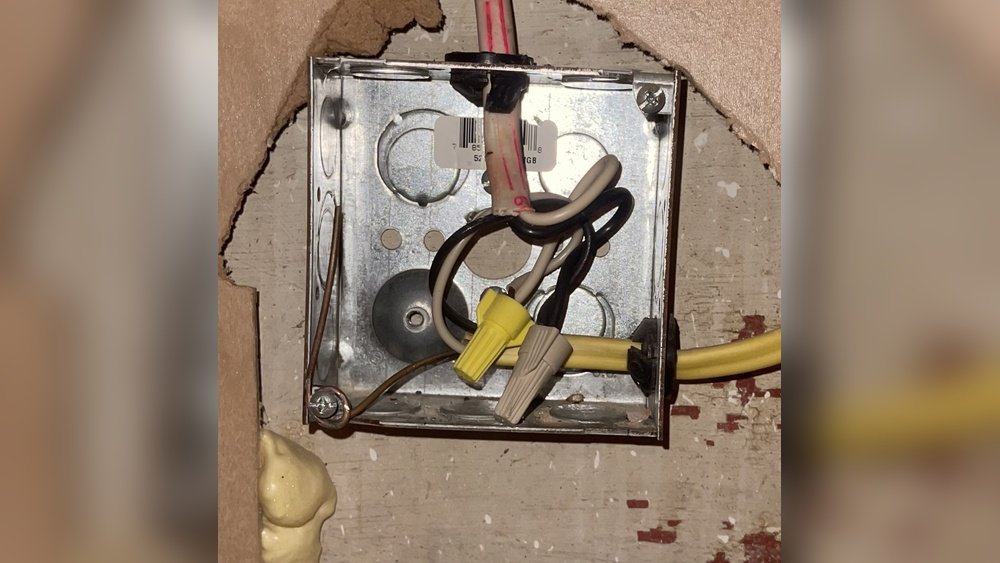
If your dishwasher stopped working, or you want to replace it with a new model, you may wonder about the wiring. Many dishwashers can be plugged into a wall outlet. But some homes have dishwashers hardwired directly into the electrical system. Hardwiring a dishwasher means connecting it permanently to your house wiring, without a plug or socket. This method is safe and neat but needs careful work. It’s not as simple as plugging in a toaster. In this guide, you will learn exactly how to hardwire a dishwasher, step by step. You’ll also discover helpful tips, real-life examples, and the most common mistakes people make.
Hardwiring a dishwasher is not only about joining wires. You need to understand the electrical code, safety rules, and the tools you need. Even if you’re not a professional, you can do this job safely if you follow the right process.
But if you feel unsure at any point, always call a licensed electrician.
This article will take you through every part of the job. You’ll learn how to prepare, what tools and materials are needed, how to disconnect old wiring, install the new connections, test everything, and avoid danger. Plus, you’ll find answers to the most common questions people ask about hardwiring dishwashers.
Why Hardwire A Dishwasher?
Some people wonder if hardwiring is better than using a plug-in cord. Both methods power the dishwasher, but there are important differences.
Hardwiring is common in older homes, or where a dedicated dishwasher outlet is missing. When you hardwire a dishwasher:
- There is no visible power cord.
- The connection is less likely to come loose.
- The risk of someone unplugging the dishwasher by mistake is gone.
- Some local codes may require hardwiring, especially in kitchens with certain layouts.
However, hardwiring can make repairs or replacements a bit harder, since you must disconnect the wiring each time.
Plug-in installation is easier for quick replacement, but not always possible if there’s no outlet under the sink.
Key Points To Consider
- Local Codes: Always check local electrical codes. Some areas require dishwashers to be hardwired, others may require a plug-in with a GFCI outlet.
- Safety: Hardwiring prevents accidental unplugging, but makes quick disconnects harder.
- Convenience: Plug-in models are easier to swap out.
- Aesthetics: Hardwiring looks cleaner with no visible cord.
Safety First: What You Must Know
Working with electricity is dangerous if you’re not careful. Before you begin, learn these basic safety steps:
- Turn off the power at the circuit breaker. Never rely only on the dishwasher’s “off” button.
- Test the wires with a voltage tester before touching them.
- Wear safety gear: Gloves, safety glasses, and shoes with rubber soles.
- Work in a dry area. Never mix water and electricity.
- Do not rush. Take your time to do every step right.
If you see damaged wires, corrosion, or signs of previous electrical fires, stop immediately and call an electrician.
Tools And Materials Needed
Having the right tools and materials will make the job smoother and safer. Here’s what you will need:
- Screwdriver set (Phillips and flathead)
- Wire strippers
- Needle-nose pliers
- Voltage tester or multimeter
- Wire nuts (wire connectors)
- Electrical tape
- Cordless drill (optional)
- Utility knife
- Cable clamps
- Dishwasher installation kit (if not included)
- Romex cable (usually 12/2 with ground, for 20-amp circuits)
- Cable staples
- Electrical box (if needed)
- Dishwasher junction box (some models require this)
- User manual for your dishwasher
Always check your dishwasher’s installation instructions for any special requirements.
Understanding Your Home’s Electrical Circuit
Before you start, you need to know about your kitchen’s electrical wiring. Most dishwashers use a dedicated 15-amp or 20-amp circuit. This means the dishwasher has its own circuit breaker, not shared with other appliances.
How To Identify The Circuit
- Find the breaker panel. Look for a labeled breaker marked “dishwasher” or “kitchen.”
- Turn off the breaker before you start any work.
- Test the wires in the dishwasher area with a voltage tester to confirm they are dead.
What If There’s No Dedicated Circuit?
If your dishwasher shares a circuit with other appliances, you may experience tripped breakers, poor performance, or even fire risk. It’s best to have a dedicated circuit. If you’re not sure, consult an electrician.
Removing The Old Dishwasher (if Replacing)
If you are replacing an old dishwasher, you need to remove it safely.
- Turn off the power at the breaker.
- Shut off the water supply under the sink.
- Disconnect the drain hose from the sink or garbage disposal.
- Unscrew the mounting brackets holding the dishwasher in place.
- Gently slide the dishwasher out from under the counter.
- Find the electrical connection (usually a small metal box at the bottom front or back of the machine).
- Remove the cover and disconnect the wires (note the colors and positions).
This step lets you see how the old dishwasher was wired and helps you plan the new connection.
Planning The Hardwired Connection
Not all kitchens are wired the same way. Before you install the new dishwasher, plan your wiring path.
Key Planning Steps
- Find the electrical cable coming from the wall or floor. It should be 12/2 or 14/2 Romex with black (hot), white (neutral), and bare copper (ground) wires.
- Decide where to connect: Many new dishwashers have a built-in junction box behind a small cover. Some require a separate junction box mounted nearby.
- Make sure the cable is long enough to reach the connection point with some slack.
Pro tip: Don’t cut the wire too short. Leave at least 18 inches of wire to make connections comfortable.

Credit: diy.stackexchange.com
How To Hardwire A Dishwasher: Step-by-step Guide
Now you’re ready for the main part. Follow these steps carefully.
1. Turn Off Power And Confirm
Go to your electrical panel. Turn off the breaker labeled for the dishwasher. If there is no label, turn off the main kitchen breaker.
Use a voltage tester on the wires to make sure there is no power. Test both the black and white wires separately.
2. Prepare The Electrical Cable
If you have a new wire, strip the outer plastic jacket using a utility knife, being careful not to cut the wires inside.
- Strip about 8 inches of outer sheath.
- Use wire strippers to remove ¾ inch of insulation from the ends of the black and white wires.
3. Install The Electrical Box Or Junction Box (if Needed)
Some dishwashers have a built-in box, while others need a separate one.
- If your dishwasher has a junction box at the bottom, open its cover.
- If not, mount a small metal electrical box under the sink or behind the dishwasher, close to the machine.
- Feed the house wire through a cable clamp into the box to prevent pulling.
4. Connect The Wires
Now, join the home wiring to the dishwasher’s wires.
- Black (hot) to black
- White (neutral) to white
- Green or bare copper (ground) to green or ground screw
Twist the wires together with pliers and secure each pair with a wire nut. Tug each connection gently to ensure it’s tight.
Wrap each wire nut connection with electrical tape for extra safety.
If your dishwasher has a green ground screw, connect the ground wire there using a small loop.
5. Secure The Wires
Push the connected wires neatly into the junction box. Do not crush or bend them sharply.
- Fasten the box cover securely.
- Use cable staples to secure the Romex cable to the wall or cabinet, keeping it out of the way.
6. Connect Water And Drain Lines
While not part of the hardwiring, do this before pushing the dishwasher back in.
- Attach the water supply line to the dishwasher inlet.
- Connect the drain hose to the sink drain or garbage disposal.
- Check for leaks by turning on the water briefly.
7. Push Dishwasher Into Place
Slide the dishwasher back under the counter. Be careful not to pinch the wires or hoses.
- Level the dishwasher using the adjustable legs.
- Attach the mounting brackets to secure the machine.
8. Restore Power And Test
Go to your breaker panel and turn the power back on.
- Run the dishwasher on a short cycle.
- Listen for motor sounds and check that the control panel lights up.
- Inspect under the dishwasher for leaks or loose wires.
If everything works, you’re done. If not, turn off the power and check your connections.
Common Wiring Methods Compared
Here’s a comparison of hardwiring versus plug-in installation for dishwashers:
| Feature | Hardwired | Plug-In |
|---|---|---|
| Installation Difficulty | More complex | Easier |
| Code Compliance | Sometimes required | Common in new homes |
| Quick Disconnect | No | Yes |
| Looks | No visible cord | Cord may be visible |
| Safety | Less likely to unplug accidentally | Easy to disconnect in emergency |
Mistakes To Avoid When Hardwiring A Dishwasher
Many DIYers make the same errors. Knowing them can save you time, money, and frustration.
- Not turning off the breaker. Always cut power at the source, not just at the appliance.
- Using the wrong wire size. Most dishwashers need 12-gauge wire for a 20-amp circuit. Check your manual.
- Skipping the ground wire. The ground connection is critical for safety.
- Making loose connections. Poor connections cause arcing and fire risk.
- Leaving wires exposed. Always use a proper junction box and cover.
- Ignoring local codes. Some areas have special rules for kitchens.
- Forgetting cable clamps. These prevent wire damage and are required by code.
Hidden insight: Many people forget to check if the dishwasher’s new wiring matches the breaker size. If your breaker is 20 amps but you use 14-gauge wire (meant for 15 amps), you create a fire hazard. Always match wire size and breaker.
Useful Tips For A Professional Result
- Take photos of the wiring before disconnecting the old dishwasher. This helps you remember where each wire goes.
- Label the wires if you have multiple cables in the box.
- Use a flashlight under the sink for better visibility.
- Test the dishwasher before pushing it fully into place. It’s easier to fix wiring when you can reach it.
- Check for leaks right after connecting the water line.
How To Choose The Right Wire And Breaker
Not all dishwashers are the same. Some use more power, some less. Here’s a quick guide:
| Dishwasher Wattage | Recommended Wire Size | Breaker Size |
|---|---|---|
| Up to 1200W | 14-gauge | 15 amps |
| 1200W – 1800W | 12-gauge | 20 amps |
| 1800W+ | Check manual | Check manual |
Pro tip: Most new dishwashers run on 15 or 20 amps. But always read your model’s label and instructions.
What To Do If Your Home Isn’t Ready For Hardwiring
Sometimes, you find that your kitchen isn’t set up for a hardwired dishwasher. Maybe there’s no dedicated circuit, or the wiring is old or damaged.
Here’s what you can do:
- Install a new circuit: This is the safest and best solution. Hire a licensed electrician to pull a new wire from your breaker panel to the dishwasher location.
- Add a junction box: If the wiring is there but not long enough, you can add a metal box and extend the wires using the correct wire nuts and connectors.
- Convert to plug-in: Some people use a dishwasher cord kit to convert a hardwired model to plug-in. This is allowed only if your local code and the dishwasher manufacturer allow it.
Non-obvious insight: If you live in a condo or apartment, always check with building management before making changes.

Credit: www.reddit.com
When Should You Call An Electrician?
Hardwiring a dishwasher is a safe DIY project for many homeowners. But sometimes, it’s better to get professional help. Call an electrician if:
- You are not sure about your home’s wiring.
- The wires are old, frayed, or have aluminum (instead of copper).
- There is no dedicated breaker.
- The dishwasher needs a new circuit.
- You want to add a GFCI or AFCI breaker for extra protection.
Electricians can also help if you have a smart dishwasher that needs special wiring or Wi-Fi connections.
Inspecting Your Work: Final Checklist
Before you finish, check everything carefully.
- Breaker is off while working.
- All wires are joined correctly: Black to black, white to white, ground to ground.
- Wire nuts are tight and taped.
- No bare wires are showing outside the box.
- Cable is secured with staples or clamps.
- Junction box cover is in place.
- Dishwasher runs properly when power is restored.
- No leaks from water lines.
This inspection helps prevent future problems.

Credit: www.reddit.com
Dishwasher Models And Their Wiring Requirements
Not all dishwashers use the same wiring setup. Here’s a quick look at common brands and features:
| Brand | Default Connection | Junction Box Required? | Notes |
|---|---|---|---|
| GE | Hardwire or plug-in | Yes | Often includes junction box |
| Bosch | Hardwire | Yes | Special junction box included |
| Whirlpool | Plug-in | No | Can be converted to hardwire |
| KitchenAid | Hardwire or plug-in | Yes | Check manual for details |
| Frigidaire | Hardwire | Yes | Junction box under machine |
Practical insight: Always read your model’s manual. Some dishwashers require buying a separate hardwire kit or junction box.
The Role Of Gfci And Afci Protection
Modern codes often require GFCI (Ground Fault Circuit Interrupter) or AFCI (Arc Fault Circuit Interrupter) protection for kitchen appliances. GFCI helps prevent shocks, especially around water. AFCI protects against electrical fires.
- If your dishwasher is on a plug, you can use a GFCI outlet.
- For hardwired dishwashers, ask your electrician about GFCI or AFCI breakers in your panel.
To learn more about GFCI and AFCI codes, visit the National Fire Protection Association.
Environmental And Energy Considerations
When hardwiring a new dishwasher, you can also improve energy efficiency. Modern dishwashers use less water and power. Upgrading your wiring can help:
- Reduce energy loss due to old or undersized wires.
- Allow your dishwasher to run at full power for better cleaning.
- Prevent breaker trips caused by overload.
If your home has very old wiring, consider updating it during your dishwasher project.
Special Situations: Old Homes, Mobile Homes, And Condos
Older houses and mobile homes may have different rules. In some cases:
- The wiring may be aluminum, not copper. Aluminum wiring requires special connectors.
- The circuit breaker panel may be outdated.
- Local codes may be stricter.
In condos or apartments, you might need permission to change wiring. Always check with your landlord or building manager.
Non-obvious tip: In some old homes, grounding may not be present. If there’s no ground wire, do not proceed—call an electrician.
What To Do If The Dishwasher Doesn’t Start
If your dishwasher doesn’t start after wiring:
- Check that the breaker is on.
- Test for power at the wires using a multimeter.
- Check the dishwasher’s door latch—many models won’t run if the door isn’t fully closed.
- Make sure all wire nuts are tight.
- If it still doesn’t work, consult the manual or call a professional.
Sometimes a simple mistake, like a loose wire, can stop everything.
Cost Of Hardwiring A Dishwasher
Doing the work yourself can save money. Here are typical costs:
- DIY materials: $20–$60 (wires, box, connectors)
- Professional electrician: $100–$300 for labor, more if a new circuit is needed
If you need to install a new breaker or run a new cable, the cost will be higher.
Tip: Compare the price of hiring a pro with the cost of tools and your own time.
Frequently Asked Questions
How Do I Know If My Dishwasher Should Be Hardwired Or Plugged In?
Check the installation manual for your dishwasher model. Some dishwashers can be installed either way, but others require a specific method. Look under your sink for a dedicated outlet—if there’s none, hardwiring is usually needed.
Is It Legal To Hardwire A Dishwasher Myself?
In many places, homeowners can do simple electrical work like hardwiring a dishwasher. However, some areas require a licensed electrician or an inspection. Always check your local electrical codes before starting.
What Wire Size Do I Need For My Dishwasher?
Most dishwashers use 12-gauge wire on a 20-amp circuit or 14-gauge wire on a 15-amp circuit. Check your dishwasher’s label and your home’s breaker size to match them correctly.
Can I Convert My Hardwired Dishwasher To A Plug-in?
Yes, many dishwashers can be converted using a dishwasher power cord kit. However, you must have a dedicated outlet nearby, and your local code must allow it. Follow the manufacturer’s instructions for safe conversion.
What If My House Has Aluminum Wiring?
Aluminum wiring needs special connectors and methods. It’s best to hire a licensed electrician if your home has aluminum wires, as mistakes can cause fires.
Hardwiring a dishwasher is a practical and rewarding project for many homeowners. By following the steps and safety tips above, you can enjoy a neat, reliable, and safe dishwasher installation for years. Remember: when in doubt, always seek professional help. Your safety is worth it.