
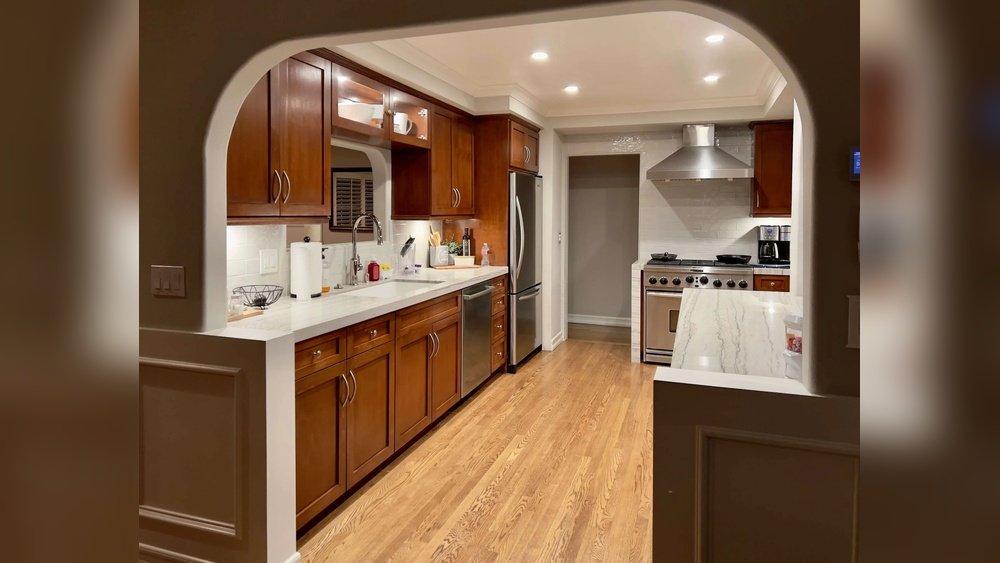
Seeing your kitchen cabinets in a different color can completely change how your kitchen feels. If your cabinets look old, too dark, or simply do not fit your style, it is natural to wonder how a new color would look.
But painting cabinets is a big commitment. What if you choose the wrong color? What if it does not match the rest of your kitchen? Many homeowners struggle with these questions before making a change.
This article is your complete guide to exploring new colors for your kitchen cabinets—without any regrets. Whether you want to just visualize a change or get hands-on with samples, you will find practical solutions. We will cover digital tools, DIY methods, real-life testing, and expert tips that help you see your kitchen cabinets in a different color before making any permanent decision.
Why Consider A New Color For Your Kitchen Cabinets?
Changing cabinet color is one of the fastest ways to update a kitchen. The right color can make the space feel bigger, brighter, or more modern. If your cabinets are scratched or faded, a new color can hide old damage.
For those planning to sell their home, fresh cabinet color often increases value and attracts buyers.
But the impact goes beyond looks. Studies show that kitchen color affects mood and energy. Lighter colors can make a small kitchen feel open. Deep blues and greens add a sense of calm. Warm wood tones create a cozy feeling, while bold colors make a statement. By seeing your cabinets in a different color first, you avoid mistakes and choose what truly fits your lifestyle.
Digital Visualization Tools
Modern technology makes it easy to see your kitchen cabinets in almost any color—right on your phone or computer. Here are the most effective digital tools you can use today.
1. Paint Brand Visualizers
Many major paint brands offer free visualizer tools. You can upload a photo of your kitchen and “paint” the cabinets with hundreds of colors. This helps you see how different shades look with your countertops, walls, and lighting.
- Sherwin-Williams ColorSnap Visualizer
- Behr Paint Your Place
- Benjamin Moore Personal Color Viewer
These tools are easy to use. Simply upload a well-lit photo, select the cabinet area, and try different colors. You can save or print your favorite options to compare.
2. Home Design Apps
Apps like Houzz, HomeByMe, and RoomSketcher allow you to create a 3D version of your kitchen. You can adjust cabinet color, add new finishes, and even change hardware. Some apps offer a “live view” with augmented reality, letting you see the color change as you move your camera around your real kitchen.
3. Augmented Reality (ar) Features
Many smartphones support AR. Some paint brands and home improvement stores offer AR apps. You simply point your phone at your cabinets, select a color, and see the change live on your screen. This is a quick way to test colors at different times of day and see how light changes the look.
4. Online Cabinet Visualizer Websites
Some cabinet companies have web-based tools. These let you choose different cabinet styles and colors, then place them in virtual kitchen layouts. While less personal than using your own kitchen photo, these tools are great for inspiration and for seeing popular color combinations.
5. Professional Rendering Services
If you want a realistic preview, consider hiring a designer for a digital rendering. You send photos and measurements, and the designer creates a detailed image of your kitchen with the new cabinet color. This service costs more but offers the most accurate preview.
Key Insights For Beginners
- Always use a high-quality, well-lit photo for best results with visualizers.
- Check how colors look on your phone and computer; screens can show colors differently.
- Save images of your top choices to review later or share with family.
Diy Methods: Low-tech Ways To Visualize Cabinet Colors
If you prefer hands-on methods, there are several creative ways to see your kitchen cabinets in a new color—without advanced tech or software.
1. Color Sample Boards
Buy or make sample boards (poster board or foam board works well). Paint these boards with your chosen cabinet colors. Move them around your kitchen, leaning them against cabinets at different times of day. This lets you see how the color looks with your lighting and other kitchen elements.
2. Temporary Contact Paper
Peel-and-stick contact paper comes in many colors and finishes. Cut pieces to fit your cabinet doors, then apply them for a temporary new look. This is especially useful for bold colors you are unsure about. You can live with the new color for a week, then remove the contact paper with no damage.
3. Large Paint Swatches
Most hardware stores offer large paint swatches or sample pots. Paint a large piece of paper or cardboard and tape it to your cabinets. This gives a more realistic preview than small color chips, especially for dark or dramatic colors.
4. Colored Masking Tape
For two-tone cabinets or accent colors, use colored masking tape to outline new color zones. This helps you see how a color split would look, such as white uppers and navy lowers.
5. Chalk Or Dry-erase Markers
If your cabinets have a smooth finish, you can draw color samples directly on them with chalk or dry-erase markers. This method is best for light colors and gives a quick, temporary preview.
Non-obvious Tips
- Always view color samples at different times (morning, afternoon, night). Kitchen lighting changes color appearance.
- Place samples near countertops and backsplash to check for clashing undertones.
Comparing Visualization Methods
Here is a side-by-side look at popular ways to visualize your kitchen cabinets in a new color. This can help you choose the best method for your needs.
| Method | Cost | Accuracy | Effort | Best For |
|---|---|---|---|---|
| Digital Visualizer | Free | Medium-High | Low | Quick ideas |
| AR App | Free | High | Low-Medium | Real-life preview |
| Sample Boards | Low | High | Medium | Testing in real light |
| Contact Paper | Low-Medium | High | Medium | Living with color |
| Professional Rendering | High | Very High | High | Major remodels |

Credit: apappainting.com
Practical Steps To See Your Kitchen Cabinets In A Different Color
Now, let’s walk through the exact steps to see your kitchen cabinets in a new color—from idea to final decision.
Step 1: Gather Inspiration
Start by collecting images of kitchens you like. Pinterest, home magazines, and design websites are great sources. Pay attention to cabinet colors, but also look at countertops, wall colors, and flooring. Save images with combinations you find appealing.
Step 2: Take Clear Photos Of Your Kitchen
Good photos are the foundation for digital visualization. Clean your cabinets and take wide, well-lit shots from multiple angles. Avoid using a flash, as it can distort colors. The better your photos, the more accurate your previews will be.
Step 3: Use A Visualization Tool
Upload your photos to a digital visualizer or AR app. Try at least three different colors—including one you would not normally choose. Sometimes a bold option surprises you in a good way. Save or print your favorite previews.
Step 4: Test With Physical Samples
Order or create large paint swatches or sample boards in your top color choices. Move them around your kitchen, checking how they look in different lighting and next to all surfaces (countertops, backsplash, appliances).
Step 5: Try Temporary Changes
For colors you are serious about, try contact paper or removable wallpaper. Cover a few doors and live with the new color for several days. This step often reveals if you will love (or hate) the color long-term.
Step 6: Get A Second Opinion
Show your top choices to friends, family, or even a local designer. Sometimes others notice things you miss—like how a color brings out undertones in your flooring or makes the space feel bigger.
Step 7: Make Your Final Decision
After seeing all options, choose the color that feels right. Make sure it works with your lighting, style, and other finishes. If you are still unsure, repeat the process with a new color or tool before committing to paint.
Insight Most People Miss
Many homeowners skip the “live with it” phase and regret their choice later. Even a few days with a temporary color can reveal whether you love it or grow tired of it quickly.
Common Mistakes To Avoid
Changing your kitchen cabinet color can be exciting, but some mistakes can lead to disappointment or extra work. Here’s what to watch out for:
Choosing Color From A Small Chip
Small paint chips do not show how a color will look on a large area or in your lighting. Always test with a large sample.
Ignoring Lighting
Kitchen lighting changes throughout the day. A color that looks great in the morning might feel dull at night. Test colors at all hours.
Forgetting Undertones
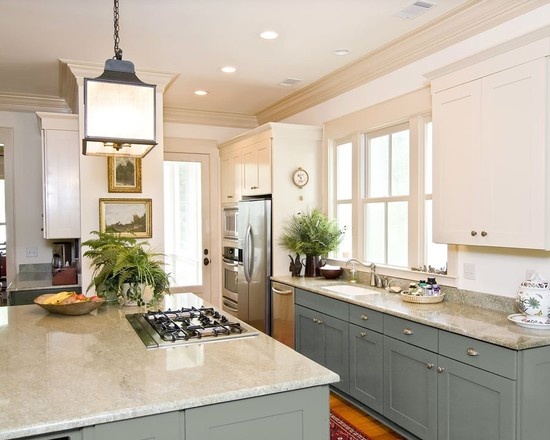
Cabinet color should work with your countertops, flooring, and backsplash. Cool gray cabinets can clash with warm beige counters. Check undertones to avoid surprises.
Rushing The Process
Taking time to test and visualize saves money and effort. Do not rush into painting before you are sure.
Not Considering Hardware
Cabinet handles and knobs also impact the final look. If you plan to change hardware, include it in your visualization.
Credit: thedecorologist.com
How To Use Cabinet Color To Achieve Different Kitchen Styles
Color does more than change the look of your cabinets—it sets the mood for the entire kitchen. Here’s how to use color to create popular styles:
Modern
White, gray, or even matte black cabinets with clean lines and sleek hardware create a modern feel. Pair with stainless steel appliances and simple decor.
Farmhouse
Soft cream, sage green, or light blue cabinets with vintage hardware give a cozy farmhouse vibe. Open shelving and rustic wood accents complete the look.
Traditional
Rich wood tones or classic navy and deep greens fit traditional kitchens. Add detailed molding and brass or bronze hardware for elegance.
Coastal
Soft aqua, seafoam, or white cabinets with light wood countertops create a breezy, beach-inspired look. Add woven baskets and nautical touches.
Industrial
Dark charcoal or metal-finished cabinets combined with exposed brick or pipe elements bring an industrial edge.
Contemporary
Two-tone cabinets (light uppers, dark lowers) or bold colors (like navy blue or forest green) with minimalist hardware give a fresh, contemporary style.
Example Color Combos
| Style | Main Cabinet Color | Accent/Hardware |
|---|---|---|
| Modern | Matte White | Brushed Nickel |
| Farmhouse | Sage Green | Antique Brass |
| Traditional | Deep Navy | Polished Brass |
| Coastal | Seafoam Blue | Matte Chrome |
| Industrial | Charcoal Gray | Matte Black |
How To Choose The Right Cabinet Color For Your Kitchen
Selecting the best color is not just about trends. It is about what works for your space and taste. Here is a process to help you decide.
1. Consider Kitchen Size And Light
- Small kitchens: Light colors (white, cream, pale gray) make the space look bigger.
- Large kitchens: You can use darker colors without making the room feel closed in.
- Low natural light: Choose warm or light shades to add brightness.
- Bright kitchens: You can use cooler or deeper colors.
2. Match With Permanent Features
Look at your countertops, floors, and backsplash. If they have warm tones (beige, brown, gold), pick cabinet colors with warm undertones. For cool features (gray, blue, silver), use cool cabinet colors.
3. Think About Mood
- Bright white or soft blue: Clean, fresh feeling.
- Deep green or navy: Calm, sophisticated.
- Bold red or yellow: Energetic, cheerful.
4. Test For Maintenance
Glossy or very dark colors can show fingerprints and smudges. If you want easy cleaning, choose mid-tone colors or matte finishes.
5. Consider Resale Value
If you plan to sell soon, neutral colors attract more buyers. White, light gray, and soft beige are safe choices.
Surprising Advice
Sometimes, a color you dislike on the swatch becomes your favorite in the full kitchen. Always test on a large surface.

Credit: www.reddit.com
Using Professional Help
If you feel overwhelmed, a kitchen designer or color consultant can help. These experts look at your space, lighting, and style, then suggest color options. Many designers offer digital visualizations or sample boards. This service can save time and prevent costly mistakes, especially for major remodels.
You can find certified kitchen designers through the National Kitchen & Bath Association or local design centers.
Preparing For The Real Change
Once you have chosen a color and are confident, plan your next steps:
1. Get Paint Or Materials
Buy quality paint samples or cabinet wraps. For a DIY job, choose paints designed for cabinets (more durable than wall paint). If hiring a pro, ask them to use your chosen brand and color.
2. Prep Your Cabinets
Clean and sand cabinets before painting or applying new finishes. Remove doors for best results. Label hardware to make reinstallation easier.
3. Test In A Hidden Area
Before painting everything, test your final color on the inside of a cabinet door or a small area. This last check gives you confidence to move forward.
4. Commit To The Change
Once you are sure, proceed with painting, wrapping, or replacing the cabinet doors. Take your time for a smooth, even finish.
Extra Advice
Take photos before, during, and after your project. These can help if you want to remember what worked or share your experience with others.
Real-life Example: A Simple Kitchen Transformation
Let’s look at a real case. Anna, a homeowner in Ohio, wanted her oak cabinets to feel brighter. She used the following process:
- She uploaded a kitchen photo to the Behr Paint Your Place tool and tried white, gray, and light blue.
- She printed her favorite visualizations and made large sample boards for each color.
- Anna leaned the boards against her cabinets for a week, checking the look in sunlight and evening.
- She chose a soft gray, bought a sample pot, and painted a hidden cabinet door.
- After loving the result, she painted all the cabinets and changed hardware to brushed nickel.
The kitchen now feels bigger, lighter, and more modern—without the cost of a full remodel.
Data On Kitchen Cabinet Color Choices
According to a 2023 survey by the National Kitchen & Bath Association:
- White cabinets remain the most popular (chosen by 41% of homeowners).
- Gray is second, at 21%.
- Blue and green shades are growing, especially in modern and farmhouse styles.
- About 65% of homeowners use visualization tools before painting cabinets.
This data shows you are not alone in wanting to see your kitchen cabinets in a different color before making a decision.
Comparing Paint Vs. Cabinet Wraps
You may be considering paint or vinyl wraps for your color change. Here’s a quick comparison:
| Feature | Paint | Vinyl Wrap |
|---|---|---|
| Durability | High (with prep) | Medium-High |
| Finish Options | Many (matte, satin, gloss) | Limited |
| DIY Friendly | Yes | Yes |
| Cost | Low-Medium | Medium |
| Removal | Difficult | Easy |
If you want a reversible option, vinyl wraps are worth considering. For a permanent, professional look, paint is usually the best.
Additional Resources
For more inspiration, check out the kitchen galleries and color trends at Houzz. You will find thousands of real kitchen photos and expert advice.
Frequently Asked Questions
How Do I Know If A Cabinet Color Will Look Good With My Countertops?
Test large color samples next to your countertops. Colors can look different in your kitchen than in a store. Look for undertones—if your countertop has warm (yellow, red) or cool (blue, gray) undertones, choose a cabinet color that matches.
Can I See How My Cabinets Look In A New Color Without Painting?
Yes! Use digital visualizer tools or apps, or apply temporary contact paper or large painted boards to your cabinets. These methods let you preview colors without any permanent changes.
What If I Do Not Like The New Color After Painting?
If you are not happy, you can repaint, but it means more work and cost. That’s why testing with samples and living with the color temporarily is so important.
Should I Hire A Professional To Visualize My Cabinets In A New Color?
For complex kitchens or major remodels, a designer can give you digital renderings and expert advice. For most homeowners, free online tools and DIY samples are enough to make a confident decision.
Are There Colors To Avoid For Kitchen Cabinets?
Very bright or trendy colors (like orange or neon) can feel overwhelming or lower resale value. If you want a bold color, test it first and consider using it as an accent rather than for all cabinets.
Seeing your kitchen cabinets in a different color is easier than ever. By taking the time to visualize, test, and compare, you can avoid mistakes and create a kitchen that feels brand new—without costly surprises. Whether you use digital tools or hands-on samples, the key is to experiment and trust your own style.
Your perfect kitchen is just a color away.