
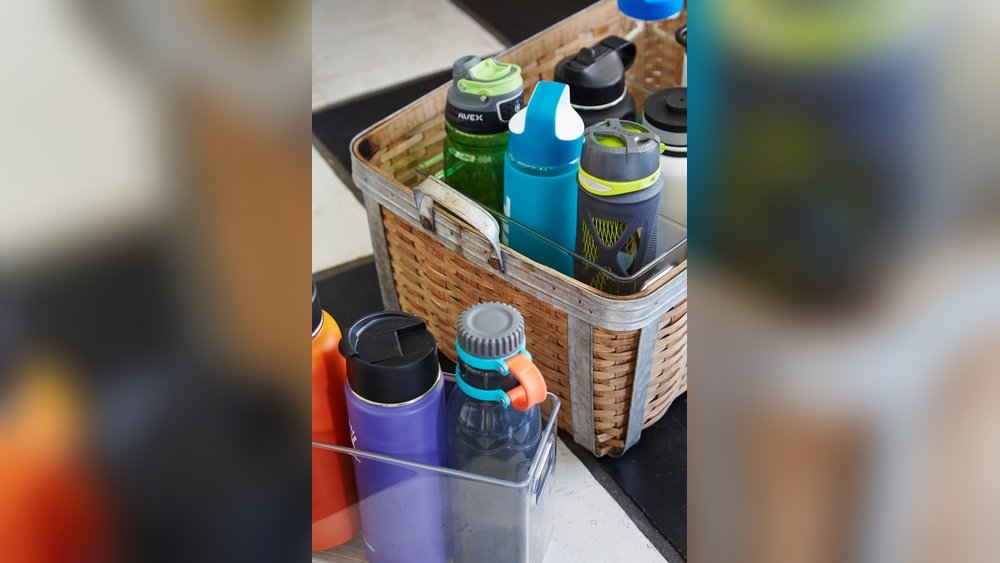
Storing water bottles in your kitchen may sound simple, but it can quickly become a challenge. Bottles take up space, fall over, or disappear to the back of a cabinet. Maybe you have reusable bottles, single-use bottles, or a mix of both.
Some families have only a few, while others need to store a dozen or more for sports, travel, and daily life. Finding the right method for your kitchen keeps things organized, saves space, and makes it easier to grab a bottle when you need one.
In this guide, you’ll discover practical solutions, creative storage ideas, and smart tips to manage every type of water bottle in your kitchen. By the end, you’ll know exactly how to keep your bottles tidy and accessible, no matter your kitchen size or style.
Why Proper Water Bottle Storage Matters
Most people don’t realize how much kitchen clutter comes from poorly stored water bottles. Bottles rolling in cabinets or piled on countertops make a kitchen look messy and can even become a safety hazard if they fall. But it’s not just about looks. Storing bottles the right way:
- Saves space for other kitchen essentials
- Keeps bottles clean and prevents dust or food particles from settling inside
- Reduces waste by reminding you to use reusable bottles instead of buying new ones
- Makes life easier for kids and adults to grab a bottle and go
A well-organized system also extends the life of your bottles. When bottles are stacked or squeezed tightly, caps crack, and plastic can warp. With proper storage, everything stays in good condition.
Types Of Water Bottles You Might Need To Store
Before choosing a storage method, it helps to know what kinds of bottles you have. Not all bottles are the same size, shape, or material. Here are some common types:
- Reusable Plastic Bottles – Lightweight, but can scratch or stain
- Stainless Steel Bottles – Durable and eco-friendly, but often heavier and larger
- Glass Bottles – Stylish and chemical-free, but fragile
- Sports Bottles – Usually tall and slim with special lids
- Kids’ Bottles – Smaller, with handles or spouts
- Disposable Bottled Water – Sold in bulk, need easy access
Each type may need a slightly different storage solution. For example, glass bottles should not be stacked, and kids’ bottles need to be within easy reach.
Assessing Your Kitchen Space
The best storage method depends on your kitchen’s layout and available space. Start by looking at these areas:
- Cabinets: Lower cabinets are good for heavy bottles. Upper cabinets work for lighter or less-used bottles.
- Drawers: Deep drawers can fit several bottles upright.
- Countertops: Good for daily-use bottles, but avoid clutter.
- Pantry: Store backup or bulk bottles here.
- Open Shelves: Stylish for matching or decorative bottles.
- Fridge: For bottles you want cold.
Take a quick inventory: How many bottles do you use every day? Which do you use only for trips or workouts? This will help you decide which bottles should be easy to grab and which can go into deeper storage.
Water Bottle Storage Ideas For Every Kitchen
Finding the right method can be life-changing. Here are detailed ideas for storing water bottles, from simple to creative.
1. Vertical Cabinet Racks
Many kitchens have tall cabinets that go underused. A vertical rack fits inside a cabinet and holds bottles upright. Most racks are adjustable, letting you move dividers for different bottle sizes. This stops bottles from rolling around and lets you see everything at a glance.
- Good for: Families with several bottles
- Tip: Put most-used bottles in the front row
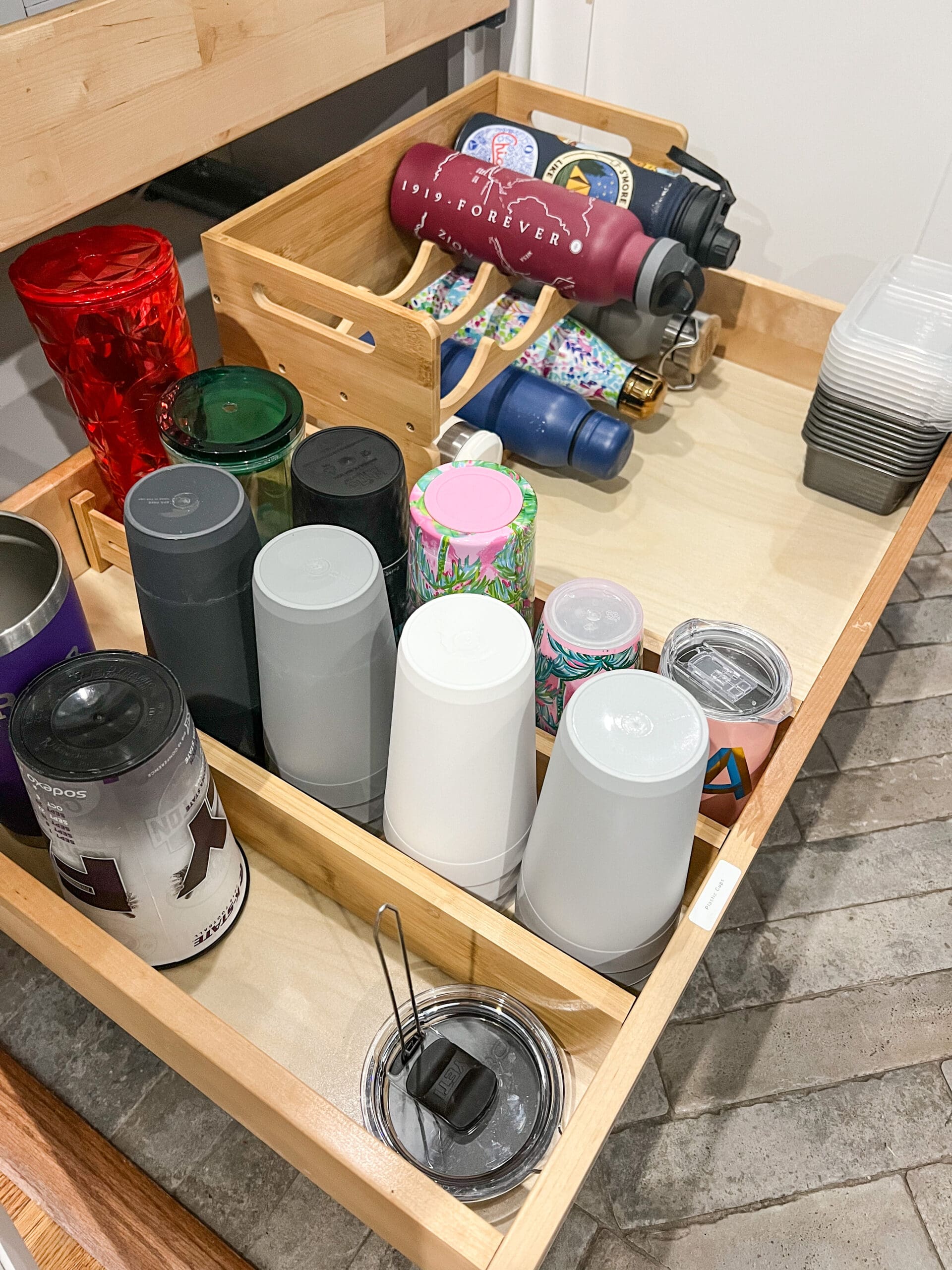
2. Drawer Dividers
Deep kitchen drawers are perfect for water bottles, but only if you add dividers. You can use adjustable bamboo or plastic dividers to create sections for each bottle. This keeps bottles from tipping and makes use of drawer space that might otherwise fill with clutter.
- Good for: People with wide, deep drawers
- Tip: Keep kids’ bottles in the lowest drawer for easy access
3. Over-the-door Organizers
A simple over-the-door organizer (like those used for shoes) can hold bottles. Hang it on a pantry or cabinet door. Each pocket fits one bottle. This is especially useful if your kitchen lacks extra cabinet or shelf space.
- Good for: Small kitchens or apartments
- Tip: Label each pocket for family members
4. Pull-out Cabinet Organizers
Install a pull-out organizer inside a lower cabinet. These shelves slide out, letting you reach bottles at the back without digging around. Some pull-outs have adjustable shelves for different bottle heights.
- Good for: People with deep cabinets
- Tip: Store matching bottles together for a neater look
5. Countertop Bottle Trees
A bottle tree is a vertical stand that holds bottles upright on your counter. It saves space and keeps bottles in view. Choose one with non-slip feet and adjustable branches for different bottle sizes.
- Good for: Daily-use bottles
- Tip: Clean the stand regularly to avoid dust
6. Open Shelving
If you have stylish or matching bottles, display them on open shelves. Arrange bottles by size or color for a decorative effect. This works best for bottles you use often, so they don’t collect dust.
- Good for: Modern kitchens or bottle collectors
- Tip: Store glass bottles upright to avoid tipping
7. Lazy Susans
A Lazy Susan (rotating tray) turns wasted corner space into usable storage. Place bottles upright, and spin the tray to grab what you need. This works inside cabinets or on countertops.
- Good for: Deep corner cabinets
- Tip: Choose a non-slip surface to prevent bottles from sliding
8. Stackable Bottle Holders
Use stackable bottle holders (often sold for wine) to store water bottles horizontally. These holders snap together, letting you add more as your collection grows. They save space and keep bottles from rolling.
- Good for: Families with many bottles
- Tip: Avoid stacking glass bottles to prevent breakage
9. Wall-mounted Racks
A wall-mounted rack keeps bottles off counters and frees up cabinet space. Install it near the fridge or entryway for quick access. Some racks are magnetic and can stick to the fridge, while others use screws.
- Good for: Small kitchens, renters, or busy families
- Tip: Hang racks at a height kids can reach
10. Under-shelf Baskets
Clip an under-shelf basket to an existing kitchen shelf. Bottles slide in horizontally, using space that’s often wasted. This works well in pantries or cabinets with tall shelves.
- Good for: Kitchens with tall shelves
- Tip: Measure shelf height before buying baskets
11. Fridge Bins
For cold water, use a fridge bin with slots for bottles. These bins keep bottles upright and easy to grab. Some are stackable to make the most of fridge space.
- Good for: Athletes, large families, or hot climates
- Tip: Only store clean bottles to avoid odors
12. Pantry Crates Or Bins
If you buy water bottles in bulk, use plastic crates or bins in your pantry. Label bins for easy finding. Stack crates to make a simple system for backup bottles.
- Good for: Large families or bulk shoppers
- Tip: Rotate older bottles to the front
13. Hanging Baskets
Install a hanging basket under a cabinet or shelf. Lightweight bottles fit here, freeing up counter and shelf space. Choose baskets with a tight weave to keep smaller bottles from falling through.
- Good for: Tiny kitchens or busy countertops
- Tip: Don’t overload baskets; check weight limits
14. Customized Bottle Drawers
Some modern kitchens come with custom bottle drawers. These are designed with special slots or foam inserts for bottles. If you’re renovating, ask your installer about this option.
- Good for: People designing a new kitchen
- Tip: Use inserts for different bottle sizes
15. Repurposed Wine Racks
A wine rack can double as a water bottle holder. Many racks fit standard bottle shapes and can be placed on counters or inside cabinets. This is a stylish and eco-friendly option.
- Good for: Homes with extra wine racks
- Tip: Clean racks before switching from wine to water bottles
16. Pegboards
A pegboard mounted on a wall or inside a cabinet door can hold bottle hooks or shelves. This flexible system lets you move hooks around as your collection changes.
- Good for: DIY enthusiasts and families with changing needs
- Tip: Use rubber-coated hooks to avoid scratches
17. Stackable Water Bottle Dispensers
Some companies make stackable dispensers that let you slide bottles in and out easily. These are great for disposable water bottles and work well in pantries or garages.
- Good for: People who buy water in packs
- Tip: Place dispensers near your recycling bin
18. Under-sink Storage
If you have space under your kitchen sink, use it for water bottles you don’t use every day. Store bottles in a basket or bin to keep them organized.
- Good for: Kitchens with big under-sink cabinets
- Tip: Avoid storing bottles near cleaning chemicals
19. Dedicated Water Bottle Cabinets
Some homes have a dedicated cabinet just for water bottles, travel mugs, and lids. If you have the room, this keeps everything organized and easy to find.
- Good for: Large kitchens or big families
- Tip: Add shelf risers to fit more bottles
20. Portable Caddies
A portable caddy is a basket with a handle, perfect for moving bottles around the house or even outdoors. This is handy for picnics, parties, or busy mornings.
- Good for: Families on the go
- Tip: Choose a caddy with adjustable sections
Comparison Of Popular Storage Solutions
To help you choose, here’s a quick comparison of the most common water bottle storage solutions.
| Storage Method | Space Needed | Best For | Pros | Cons |
|---|---|---|---|---|
| Vertical Cabinet Rack | Medium | Families | Organized, easy access | May need installation |
| Drawer Dividers | Large | Homes with deep drawers | Keeps bottles upright | Uses drawer space |
| Over-the-Door Organizer | Small | Small kitchens | No installation, easy to move | Limited bottle size |
| Countertop Bottle Tree | Small | Daily use | Visible, stylish | Countertop clutter |
| Stackable Bottle Holders | Medium | Many bottles | Expandable, organized | Not for glass bottles |
Tips For Keeping Water Bottles Clean And Safe
No matter how you store your bottles, cleanliness matters. Bottles can collect dust, mold, or even bacteria if not stored properly. Here are some ways to keep bottles clean and safe:
- Wash bottles regularly with soap and hot water
- Dry bottles completely before storing to prevent mold
- Store with lids off if possible, to let air flow inside
- Check for cracks or damage before putting bottles away
- Keep kids’ bottles separate from adults’ bottles to avoid confusion
Many people forget that even reusable bottles need a deep clean. Use a bottle brush to scrub hard-to-reach corners. For stainless steel or glass, baking soda and vinegar can remove odors.
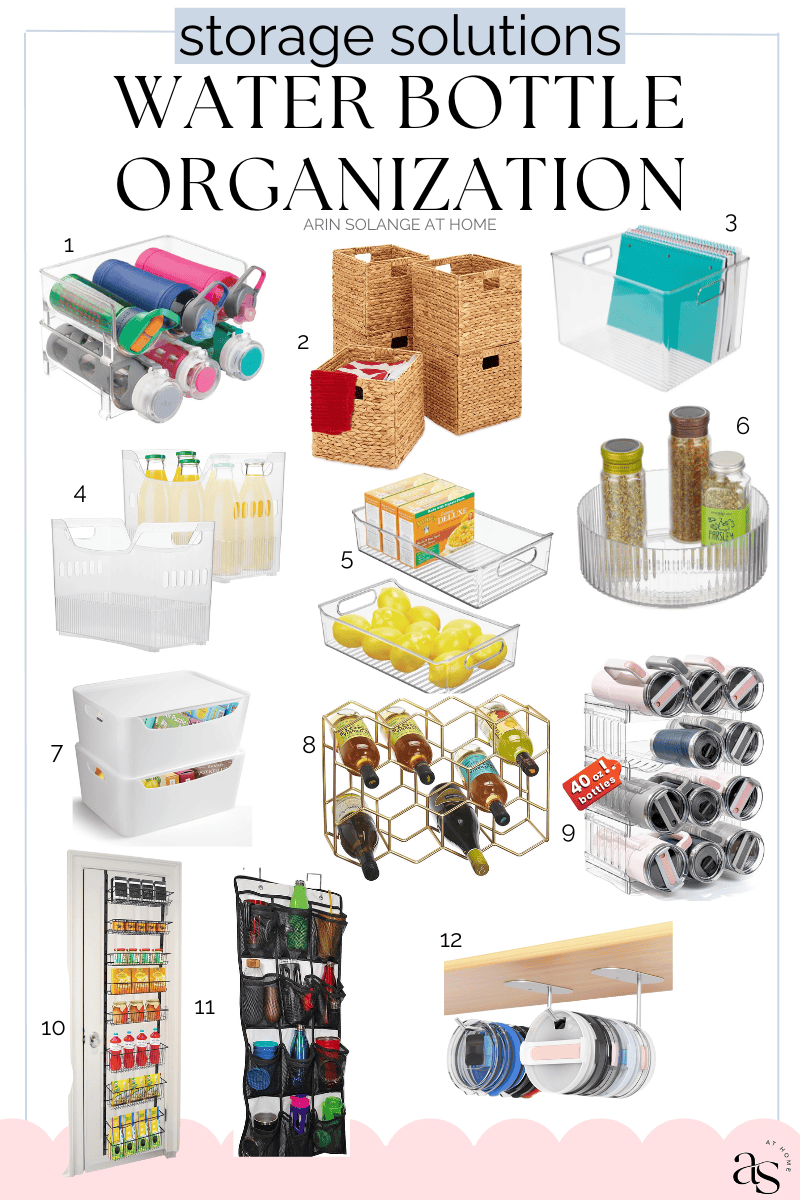
Credit: arinsolangeathome.com
How To Store Water Bottle Lids And Accessories
Lids and straws can be just as tricky as bottles. They get lost easily and take up space. Try these ideas:
- Small drawer bins: Use plastic or bamboo bins to divide lids by size or type.
- Over-the-door shoe organizer pockets: Use small pockets for straws, caps, and cleaning brushes.
- Lid racks: Some stores sell racks specifically for lids and accessories.
- Zip-top bags: Store small items like extra gaskets or straws in labeled bags.
For families, label each lid or straw with a name or color to avoid mix-ups.
Common Mistakes To Avoid
Even with the best intentions, it’s easy to make mistakes when storing water bottles. Here are some to watch out for:
- Storing bottles wet: Moisture leads to mold and smells.
- Stacking glass bottles: Glass can chip or break if not stored upright.
- Ignoring bottle size: Not all organizers fit every bottle.
- Filling every cabinet: Overcrowding causes clutter.
- Mixing clean and dirty bottles: Always keep them separate.
A non-obvious tip: If you have a lot of bottles, rotate them. Use the oldest first, just like food. This keeps plastic from sitting unused for too long, which can degrade the material.
Storing Bulk Or Emergency Water Bottles
If you keep cases of bottled water for emergencies, storing them safely is key. Here’s how:
- Keep cases off the floor: Use a shelf or pallet to avoid water damage.
- Store in a cool, dark place: Avoid direct sunlight or heat, which can break down plastic.
- Check expiration dates: Rotate stock to use old bottles first.
- Label cases with the date you bought them.
For large families or emergency planning, consider a dedicated shelf in a pantry, basement, or garage. Make sure everyone knows where to find emergency water.
How To Store Water Bottles In Small Kitchens
Small kitchens need extra creativity. Here are a few ways to maximize space:
- Use vertical space: Hang racks or baskets on walls or inside cabinet doors.
- Choose slim organizers: Stack bottles sideways in narrow shelves.
- Declutter: Only keep as many bottles as you need.
- Go portable: Use a caddy to move bottles in and out as needed.
A surprising insight: Many people keep more bottles than they use. Donate extras to local shelters or recycling centers to free up space.
Organizing Water Bottles For Kids
When kids have their own bottles, storage needs change. Make it easy for children to grab and put away their bottles:
- Use low shelves or drawers within their reach
- Label with pictures or colors for non-readers
- Choose organizers with soft edges for safety
- Clean kids’ bottles more often due to higher use
Teaching kids to store their bottles helps build good habits and keeps your kitchen tidy.
The Role Of Aesthetics In Water Bottle Storage
Today, kitchens are not just for cooking—they’re a centerpiece of the home. Stylish storage solutions can add to the look of your kitchen:
- Matching bottles: Choose bottles in similar colors or styles for open shelves
- Decorative racks: Pick racks that match your cabinet or hardware finish
- Integrated lighting: Use LED strips to highlight shelves or racks
Remember, the best storage is both practical and attractive. You don’t have to hide bottles away if you choose organizers that fit your kitchen’s look.
Water Bottle Storage For Special Needs
Some people need bottles for health or mobility reasons. Adapt your storage to these needs:
- Easy-grip racks for people with arthritis
- Low shelves for wheelchair users
- Clear bins for those with memory issues
Think about who uses the kitchen and adjust your storage for them. A little planning makes life easier for everyone.
Maintenance And Upkeep
Organizing bottles isn’t a one-time job. Bottles come in and out of the kitchen all the time. Here’s how to keep your system working:
- Review every month: Remove bottles you don’t use.
- Clean organizers: Wipe down racks and bins regularly.
- Check for broken bottles: Discard cracked or leaky bottles.
- Update labels: As your family changes, update names or colors.
A well-maintained system lasts for years and saves you time every day.
Credit: robynsfrenchnest.com
Smart Storage For Travel And Sports Bottles
If you have bottles just for travel or sports, store them separately. This avoids mixing clean, everyday bottles with bottles used outdoors or at the gym.
- Dedicated sports bin: Label a bin or basket for sports bottles and gear.
- Travel section: Keep travel bottles with luggage, not in the kitchen.
- Clean after use: Wash travel bottles before returning them to storage.
This small change prevents confusion and keeps your kitchen system organized.
Water Bottle Storage And Sustainability
Choosing the right storage also helps the environment. When bottles are easy to find and use:
- You’re less likely to buy disposable bottles
- Bottles last longer, reducing waste
- You can easily see when you need to clean or replace a bottle
A recent study found that organized storage reduced single-use bottle purchases by 30% in busy households. This is a simple change with a big impact.
For more ideas on reducing kitchen waste, visit EPA’s official recycling guide.
:max_bytes(150000):strip_icc()/aull-1ee55de8eb82411ca83cd49b8a2606d4.png)
Credit: www.thespruce.com
Space-saving Storage: A Side-by-side Look
See how common storage methods compare for saving space in a typical kitchen:
| Storage Option | Counter Space Used | Cabinet Space Used | Ideal Bottle Capacity |
|---|---|---|---|
| Bottle Tree | Low | None | 4–8 |
| Drawer Dividers | None | High | 6–12 |
| Over-the-Door Organizer | None | Low | 6–10 |
| Lazy Susan | Low | Medium | 5–8 |
| Wall-Mounted Rack | None | None | 3–6 |
Organizing Water Bottles By Frequency Of Use
Not all bottles are used every day. Organize by how often you need each type:
- Daily bottles: Store on counters or front of cabinets
- Weekly bottles: Place in mid-level cabinets or shelves
- Occasional bottles: Keep in the back or high shelves
This method saves time and keeps your kitchen running smoothly.
How To Choose The Right Storage Solution
With so many options, how do you choose? Consider these factors:
- Kitchen size: Small kitchens need vertical or door organizers. Large kitchens can use drawers or dedicated cabinets.
- Number of bottles: Big families need stackable holders or bins. Singles can use a simple rack.
- Bottle type: Heavy glass or steel bottles need sturdy shelves. Plastic bottles can use lighter organizers.
- Accessibility: Kids and people with disabilities need low, easy-to-reach storage.
- Aesthetics: Open shelving for pretty bottles, hidden racks for mismatched sets.
Don’t be afraid to mix and match solutions. Often, a combination works best.
Water Bottle Storage For Special Occasions
For parties, holidays, or guests, you may need to store extra bottles temporarily. Try these tips:
- Portable bins: Store extras in bins you can move as needed
- Garage or basement storage: Use for overflow bottles, but keep them clean and dry
- Loaner bottles: Have a separate box for guest bottles
After the event, return extras to their regular spot to avoid clutter.
Future Trends In Water Bottle Storage
As kitchens get smarter, storage solutions change. Some new trends include:
- Smart racks: Racks with sensors to track which bottles are clean or in use
- Eco-friendly materials: Organizers made from bamboo or recycled plastic
- Modular systems: Adjustable racks and bins that grow with your family
Keep an eye on these innovations if you’re planning a kitchen update.
Real-life Example: A Family’s Water Bottle Overhaul
The Lee family had a cluttered kitchen with bottles everywhere—counters, cabinets, even the car. They installed a vertical cabinet rack for everyday bottles, a bin for sports bottles, and an over-the-door organizer for kids. Within a week, mornings were less rushed, and bottles stopped disappearing.
The best part? They started using reusable bottles more often, cutting down on waste.
Many families find that a small change in storage makes a big difference. Try one solution at a time and adjust as needed.
Frequently Asked Questions
How Many Water Bottles Should I Keep In My Kitchen?
Keep only as many bottles as you use regularly—usually one per person, plus a couple of extras for guests or sports. Too many bottles add clutter.
Can I Store Water Bottles In The Fridge All The Time?
Yes, but don’t overcrowd. Store only clean bottles in the fridge, and keep lids off if possible to avoid odors.
What’s The Best Way To Store Glass Water Bottles?
Store glass bottles upright and avoid stacking them. Use padded bins or racks to prevent chipping. Do not place glass bottles where they can roll or fall.
How Do I Prevent Mold In Water Bottle Storage?
Always dry bottles completely before storing. Store with lids off for air flow, and clean organizers regularly to avoid moisture buildup.
Are There Any Organizers For Odd-shaped Bottles?
Yes. Use adjustable racks, pegboards, or open bins for bottles with unusual shapes or handles. Flexible systems work best for variety.
Keeping water bottles organized in your kitchen is more than a space-saver—it makes daily routines smoother and supports healthier, more sustainable habits. Choose the right solution for your family and kitchen, and enjoy a tidier, more efficient space every day.