
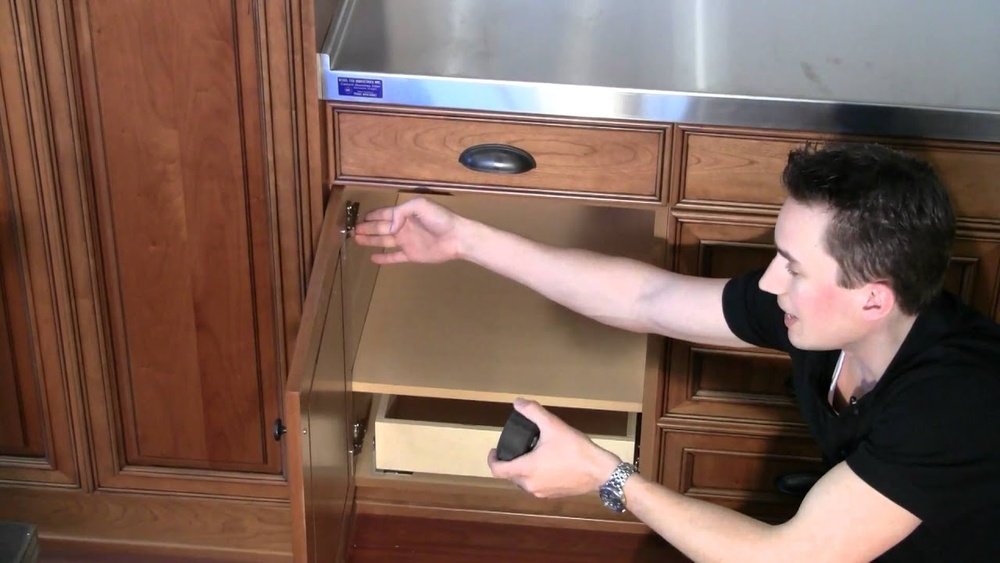
Measuring your cabinets for pull out shelves can feel tricky at first. But with the right steps, tools, and tips, you can get professional results—even if you have never done this before. Pull out shelves make kitchens and bathrooms much more organized.
If you measure carefully, your new shelves will fit perfectly and give you years of smooth use.
Many people make mistakes when measuring, leading to shelves that don’t slide, doors that won’t close, or wasted money. This guide will help you avoid those problems. You will learn how to measure every type of cabinet, what tools you need, and how to handle special situations.
You’ll also find answers to common questions and practical advice that even experienced DIYers sometimes miss.
Why Accurate Measurement Matters
A pull out shelf works only if it fits well inside your cabinet. If your measurements are off by even a fraction of an inch, you could face several problems:
- Shelf won’t slide: If the shelf is too wide, it will rub against the cabinet walls.
- Wasted space: If the shelf is too narrow, you lose valuable storage.
- Doors won’t close: A shelf that is too deep or too high can block cabinet doors.
Measuring is not just about length and width. You need to consider hinges, door overlays, and obstructions. Even small bumps inside a cabinet can affect the fit. Taking your time with this step saves money, time, and frustration later.
Tools You Need For Measuring Cabinets
You do not need expensive tools to measure for pull out shelves. But using the right tools makes the job much easier and more accurate.
- Tape Measure: A metal tape measure (at least 12 feet) gives the best accuracy.
- Pencil and Notepad: For recording measurements and making quick sketches.
- Straight Edge or Ruler: To check if cabinet sides are straight.
- Level: Useful for checking if your cabinet is square.
- Flashlight: Cabinets can be dark, especially under sinks.
- Camera or Phone: Take pictures of tricky corners or obstructions.
Pro Tip: Always double-check your measurements. Measure twice, cut once is the golden rule for any home improvement project.
Understanding Cabinet Types And Pull Out Shelf Styles
Before you measure, it’s important to know what kind of cabinet you have and what type of pull out shelf you want to install. Not all cabinets are the same, and the style affects your measurements.
Types Of Cabinets
- Base Cabinets: These sit on the floor, usually under counters.
- Wall Cabinets: Mounted above counters, mostly used for dishes and glasses.
- Pantry Cabinets: Tall and narrow, often used for food storage.
- Sink Cabinets: Usually have pipes, drains, and sometimes garbage disposals inside.
Pull Out Shelf Styles
- Full Extension Shelves: Slide all the way out, letting you see everything.
- Half Extension Shelves: Slide out halfway, usually cheaper.
- Single Tier: One shelf per cabinet section.
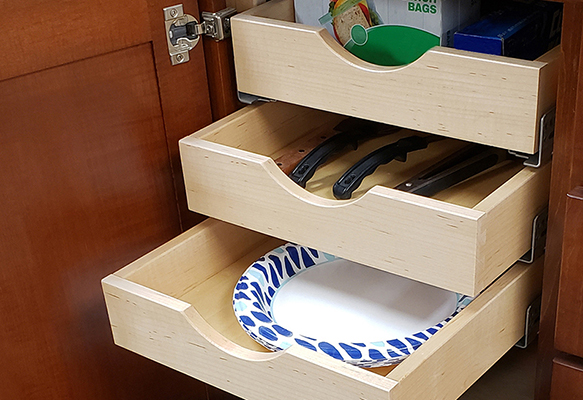
- Multi-Tier: Two or more shelves stacked vertically.
Knowing your cabinet and shelf type helps you measure the right way. For example, a sink cabinet may need a U-shaped shelf to fit around plumbing.
Step-by-step Guide To Measuring Cabinets For Pull Out Shelves
Now let’s get to the heart of the process. These steps work for most cabinets and shelf styles.
Step 1: Empty The Cabinet
Take out everything inside your cabinet. This helps you see all corners and sides. It also makes measuring much easier and prevents mistakes.
Step 2: Check For Obstacles
Look for anything that sticks into the cabinet space:
- Hinges inside the frame
- Pipes or plumbing under sinks
- Brackets, screws, or shelf pins
- Electrical outlets or cords
You need to measure around these obstacles or choose shelves designed for them.
Step 3: Measure The Cabinet Opening
The opening is the space you see when the cabinet door is open. It is usually smaller than the inside because of the frame.
- Width: Measure the distance from the left inside edge to the right inside edge at the opening. Write this number down.
- Height: Measure from the top edge of the opening to the bottom edge. If you plan to install more than one shelf, measure the space for each shelf.
- Depth: Measure from the front edge of the opening to the back wall of the cabinet.
Important: If your cabinet has a center divider (a vertical piece of wood in the middle), measure each opening separately.
Step 4: Measure The Inside Of The Cabinet
Now measure the space inside the cabinet. This is where your shelf will actually fit.
- Inside Width: Measure from the left inside wall to the right inside wall.
- Inside Depth: Measure from the front inside edge to the back wall.
- Inside Height: Only needed if you are installing more than one shelf or if there are obstructions.
Write down all three measurements for each shelf location.
Step 5: Note Frame Type (frameless Vs. Face Frame)
Cabinets come in two main designs:
- Face Frame Cabinets: Have a wood frame around the opening (common in the US).
- Frameless Cabinets: The sides are flush; no frame is visible (common in Europe and modern kitchens).
Face frames reduce the opening size. Measure inside the frame, not outside. For frameless, measure edge to edge.
Step 6: Subtract For Shelf Hardware
Most pull out shelves need hardware (rails, slides, or tracks) to move smoothly. These take up space.
- Standard Slides: Usually need 1/2 inch on each side (total 1 inch).
- Heavy Duty Slides: May need more space.
Check the manufacturer’s instructions for the exact space needed. Subtract this from your width measurement.
Example: If your inside width is 22 inches and you need 1 inch for slides, the shelf should be 21 inches wide.
Step 7: Finalize Your Measurements
On your notepad, write your final numbers:
- Shelf Width: Inside width minus hardware space
- Shelf Depth: Shorter than the inside depth by 1/2 inch to allow for door clearance
- Shelf Height: Only if you need a special shape or two shelves
Double-check all numbers. It helps to draw a simple sketch and label each measurement.
Measuring Special Cabinets
Some cabinets are more challenging. Here’s how to measure the trickiest ones.
Under Sink Cabinets
Pipes, garbage disposals, and hoses can block your shelf.
- Measure around plumbing. Some companies make U-shaped shelves for this reason.
- Take photos to show to the shelf maker or for your own reference.
- Measure the narrowest space, not the widest.
Corner Cabinets
Corner cabinets often have angled or L-shaped interiors.
- Measure both directions from the corner to the cabinet edge.
- Mark any odd angles.
- Some shelves are pie-shaped or kidney-shaped for these spaces.
Cabinets With Center Stiles
A center stile is a vertical divider in the middle of the cabinet opening.
- Measure each side separately.
- Some pull out shelves are designed to work with center stiles, but many are not.
Common Mistakes And How To Avoid Them
Even experienced DIYers make mistakes when measuring for pull out shelves. Here are some common errors and ways to prevent them.
- Measuring the Outside: Always measure the inside, not the outside of the cabinet.
- Ignoring Obstacles: Pipes, brackets, or shelf supports can block a shelf.
- Forgetting Hardware Space: Slides need room—don’t forget to subtract for them.
- Not Leveling: Shelves must be installed level. If your cabinet is not square, note this in your measurements.
- Assuming All Cabinets are the Same: Older homes often have non-standard cabinets.
Tip: If in doubt, make a cardboard template first. Slide it into the cabinet to check the fit before ordering or building shelves.
How To Record And Organize Your Measurements
You may be measuring several cabinets in your kitchen or bathroom. Staying organized prevents mistakes and confusion.
- Label each cabinet (e.g., “Under Sink Left” or “Pantry Middle”).
- Write measurements in the order: Width x Depth x Height.
- Use sketches to show where obstacles are.
- Store all notes in one place for easy access when ordering or building shelves.
Comparing Different Pull Out Shelf Systems
There are many pull out shelf systems on the market. Some are ready-made, while others are custom-built. The right type for you depends on your needs, budget, and cabinet style.
Here’s a simple comparison of common pull out shelf systems:
| System Type | Fit | Cost | Installation Difficulty |
|---|---|---|---|
| Standard Pull Out | Most cabinets | $$ | Easy |
| Custom Made | Any cabinet | $$$$ | Medium |
| DIY Kit | Base cabinets | $ | Medium |
| Specialty (e.g., U-shaped) | Obstructed cabinets | $$$ | Hard |
Insight: Cheaper systems often fit fewer cabinet types and may waste space. Custom or specialty shelves cost more but can be made to fit almost any space.
Sample Measurement Worksheet
Here’s an example of how to record your measurements for one base cabinet:
| Step | Measurement | Notes |
|---|---|---|
| Cabinet Opening Width | 15.5 inches | Face frame present |
| Cabinet Opening Height | 21.0 inches | No shelf pins |
| Cabinet Opening Depth | 22.0 inches | Flush back |
| Inside Width | 16.0 inches | |
| Hardware Allowance | 1.0 inch | 1/2 inch each side |
| Final Shelf Width | 15.0 inches | |
| Final Shelf Depth | 21.5 inches | 1/2 inch shorter for clearance |
Practical Tip: Keeping a worksheet like this for each cabinet will make ordering or building your shelves much easier and more accurate.
What To Do With Odd-shaped Cabinets
Some cabinets have sloped sides, bumps, or other unusual shapes. Here’s how to handle them:
- Make a cardboard or paper template of the cabinet floor.
- Mark any bumps, corners, or pipes.
- Measure the narrowest and shortest distances.
- Show your template to the shelf maker or use it to cut your own shelf.
Non-obvious insight: Odd-shaped cabinets often have “hidden” obstacles under the floor (like screws or brackets) that you can only feel with your hand. Check carefully before finalizing your measurements.
Credit: keystonewood.com
How To Choose The Best Pull Out Shelf Size
When choosing the size of your pull out shelf, the goal is to maximize usable space while allowing the shelf to move smoothly.
Key factors:
- Clearance: Leave at least 1/8 inch on each side of the shelf for easy sliding.
- Depth: Don’t make the shelf as deep as the cabinet—leave at least 1/2 inch for the door.
- Height: If storing tall items, measure their height and add at least 1 inch for easy removal.
Mistake to avoid: Some people order the largest shelf possible, but this can lead to doors that won’t close or shelves that scrape the cabinet.
Adjusting For Different Door Types
Cabinet doors affect your measurements in surprising ways.
Overlay Doors
These doors cover the cabinet frame. Measure the opening, not the door itself.
Inset Doors
These doors fit inside the frame. Be careful—measure from frame to frame, not door to door.
Full Access (frameless) Doors
Measure from edge to edge. These give you more room for wider shelves.
Pro tip: Open the door fully and watch for anything that could block the shelf as it slides out.
How To Measure For Multi-tier Pull Out Shelves
If you want more than one pull out shelf in a single cabinet, follow these steps:
- Measure the total inside height.
- Decide how many shelves you want.
- Divide the height by the number of shelves, leaving at least 3-4 inches between each for easy access.
- Mark each shelf location and measure again—some cabinets are not perfectly square from top to bottom.
Tips For Taking Accurate Measurements
Getting accurate measurements is more than just reading a tape measure. Here’s how to improve your accuracy:
- Measure in inches and fractions (not decimals).
- Always measure at the front, middle, and back—cabinets are often not perfectly square.
- Write all measurements immediately—don’t trust your memory.
- If you get a different number the second time, measure a third time to be sure.
Double-checking Before Ordering Shelves
Before you order or build your shelves, check everything one last time.
- Place a strip of painter’s tape on the cabinet floor to mark the intended shelf size.
- Slide a cardboard “shelf” in and out to check for fit.
- Make sure the door closes with the tape or cardboard in place.
Non-obvious insight: Sometimes, a shelf that fits perfectly when empty will not slide easily once loaded with heavy items. Leave a bit of extra space for safety.
Should You Install Yourself Or Hire A Pro?
Some people feel comfortable installing pull out shelves themselves. Others prefer to hire a professional.
Diy Pros
- Save money
- Learn a new skill
- Full control over the project
Diy Cons
- Risk of mistakes
- Takes time
- May need special tools
Pro Installation Pros
- Fast and guaranteed fit
- No need for tools or special knowledge
- Good for tricky cabinets
Pro Installation Cons
- Costs more
- Less flexibility
Tip: If you’re unsure, start with an easy cabinet (like a simple base cabinet) before trying more difficult ones.

Credit: www.amazon.com
How To Order The Right Shelf
Once you have all your measurements, you are ready to order. Most companies will ask for:
- Cabinet opening width, height, and depth
- Inside width and depth
- Frame type (face frame or frameless)
- Hardware space allowance
- Any obstacles or special notes
Some companies let you send photos or templates for tricky cabinets. This is a good idea if your space is not standard.
What To Expect When Your Shelves Arrive
When your new shelves arrive, check them against your measurements before installing.
- Set the shelf inside the cabinet without attaching it.
- Check for easy sliding and proper fit.
- Make sure the door closes fully.
If something is wrong, contact the manufacturer right away. Most will help you solve the problem if you have your original measurements.
Maintenance And Longevity
A well-measured and installed pull out shelf can last for decades. Keep your shelves sliding smoothly with these tips:
- Clean the slides regularly to prevent dirt buildup.
- Lubricate metal slides once a year.
- Do not overload shelves beyond the recommended weight.
Cost Of Pull Out Shelves
Prices range widely based on size, materials, and custom features.
| Type | Average Price (per shelf) | Notes |
|---|---|---|
| Basic Wood | $50 – $100 | Good for most cabinets |
| Metal Wire | $40 – $80 | Great for pantries |
| Custom Wood | $120 – $300 | Best fit, highest quality |
| Specialty (under sink, corner) | $150 – $400 | Designed for unique spaces |
Tip: Always compare prices and reviews before choosing a supplier. For an overview of shelf options, visit the Wikipedia Kitchen Cabinet page.
Frequently Asked Questions
How Do I Measure For Pull Out Shelves In A Cabinet With Pipes Or Obstacles?
Start by measuring the open space around the pipes or obstacles. Make a cardboard template of the cabinet floor, marking all pipes and bumps. Measure the narrowest width and shortest depth, since the shelf must fit in the smallest part of the space.
What If My Cabinet Is Not Perfectly Square?
This is common, especially in older homes. Measure at the front, middle, and back of the cabinet. Use the smallest measurement to ensure your shelf will fit. If the difference is large, you may need a custom shelf or to add shims during installation.
Can I Install Pull Out Shelves In Pantry Or Tall Cabinets?
Yes. Pull out shelves work well in pantries and tall cabinets. Measure each shelf location separately. Make sure to leave enough space between shelves for the items you plan to store, and check for door hinges or other obstacles.
How Much Weight Can Pull Out Shelves Hold?
Weight limits depend on the shelf material and slide type. Most wood shelves with standard slides hold 75–100 pounds. Heavy-duty shelves can hold up to 150 pounds. Always check the manufacturer’s guidelines and avoid overloading.
Do I Need Special Tools To Install Pull Out Shelves?
Most installations need only basic tools: a drill, screwdriver, level, and tape measure. Some DIY kits come with everything you need. For tricky cabinets, or if you are unsure, hiring a pro is a smart option.
Making Your Cabinet Upgrade A Success
Measuring your cabinets for pull out shelves is the most important part of the project. Take your time, write down every measurement, and check for obstacles. A little extra care here saves money and trouble later. With accurate measurements, you can order shelves that fit perfectly, make your kitchen or bathroom more organized, and enjoy the convenience of easy-access storage for years to come.

Credit: slideoutshelvesllc.com