
Zucchini is a versatile vegetable that grows abundantly during summer. Many people find themselves with more zucchini than they know what to do with, especially if they have a garden. Throwing it away feels wasteful, but eating zucchini every day can get boring. There’s a smart solution: dehydrating zucchini in the oven. This method transforms fresh zucchini into a long-lasting, shelf-stable ingredient that can be used in soups, stews, casseroles, snacks, and more.
Oven dehydration is easy, even for beginners. You don’t need fancy equipment—just a regular kitchen oven, some basic tools, and a little patience. This guide will walk you through every part of the process, from choosing the right zucchini to storing the final product.
Along the way, you’ll learn practical tips, common mistakes to avoid, and creative ways to use your dehydrated zucchini.
Whether you want to reduce kitchen waste, prepare for emergencies, or just try something new, dehydrating zucchini in the oven is a skill worth learning. You’ll find that once you know how, it’s simple to turn extra zucchini into something useful and delicious all year round.
Why Dehydrate Zucchini?
Dehydrating zucchini has several benefits that make it a valuable technique for any home cook or gardener.
First, zucchini spoils quickly after harvesting. Within a week, it can become soft and lose flavor. By removing moisture, you extend the shelf life from days to months, even years if stored correctly.
Second, dehydrated zucchini saves space. Fresh zucchini is 95% water, so it shrinks dramatically when dried. This makes it easy to store large amounts in a small container.
Third, dehydrated zucchini is versatile. You can rehydrate it for cooking or eat it as a crunchy snack. It works well in soups, stir-fries, casseroles, and more.
Finally, it’s a cost-effective way to prevent waste. Instead of throwing away extra zucchini, you preserve its nutrients and flavor for future use.
Choosing And Preparing Zucchini
The quality of your dehydrated zucchini depends largely on the freshness and preparation of the vegetable.
Selecting The Best Zucchini
Choose firm, unblemished zucchini. The best size is medium (6-8 inches long). Large zucchini can be watery and seedy, while small ones may dry out too quickly. Avoid any with soft spots, wrinkles, or mold.
If you grow your own, pick zucchini in the morning when it’s most hydrated. For store-bought, look for shiny, smooth skins.
Washing And Trimming
Wash zucchini under cool running water to remove dirt and pesticides. Use a soft brush if needed. Trim both ends with a sharp knife.
Peeling is optional. The skin contains nutrients and helps the zucchini hold its shape. However, if the skin is thick or tough, peel it off.
Slicing Techniques
Uniform slices are key for even drying. Most people use a mandoline slicer or a sharp chef’s knife. You can slice zucchini into rounds, half-moons, or strips.
Aim for slices 1/8 to 1/4 inch thick (about 3-5 mm). Thinner slices dry faster but can become crisp and brittle. Thicker slices stay chewy but take longer to dehydrate.
For chips, keep slices thin. For soup or casseroles, slightly thicker pieces work better.
Optional Pre-treatments
Some people blanch zucchini before drying to help preserve color and texture. To do this:
- Boil water in a large pot.
- Drop zucchini slices in for 1-2 minutes.
- Quickly transfer to ice water to cool.
- Drain and pat dry.
Blanching is optional but can help maintain a brighter color.
For extra flavor, toss slices with a little salt or your favorite seasoning before drying. Garlic powder, paprika, or dried herbs add interest.
Credit: traditionalcookingschool.com
How Oven Dehydration Works
Dehydration removes water from zucchini to prevent spoilage. Bacteria, yeast, and mold need moisture to grow. By lowering water content, you make zucchini safe to store at room temperature.
Oven dehydration uses low, steady heat and good air circulation. Most home ovens don’t go as low as commercial dehydrators, but with careful monitoring, you can get similar results.
The process usually takes 4 to 10 hours, depending on slice thickness, oven temperature, and humidity.
Tools And Equipment Needed
You don’t need special equipment to dehydrate zucchini in the oven, but a few tools can make the process easier.
- Oven: A standard kitchen oven is enough. Convection ovens work best because they circulate air, but regular ovens are fine.
- Baking sheets: Use rimmed sheets to prevent slices from sliding off.
- Parchment paper or silicone baking mats: These prevent sticking and make cleanup easier.
- Wire racks (optional): Lift slices off the pan for better air flow and even drying.
- Sharp knife or mandoline slicer: For uniform, thin slices.
- Spatula or tongs: To flip slices if needed.
- Airtight containers or vacuum-seal bags: For storing finished zucchini.
If you don’t have wire racks, you can place slices directly on parchment-lined baking sheets, but drying may take longer.
Step-by-step Guide: How To Dehydrate Zucchini In The Oven
Let’s break down the full process into clear, manageable steps.
Step 1: Preheat The Oven
Set your oven to the lowest possible temperature. For most ovens, this is between 140°F and 170°F (60°C to 75°C). If your oven doesn’t go below 170°F, prop the door open with a wooden spoon to let moisture escape and lower the temperature.
A thermometer placed inside the oven can help you monitor the real temperature.
Step 2: Prepare The Zucchini
Slice the washed and trimmed zucchini into uniform pieces, as described earlier. Lay the slices in a single layer on parchment paper or silicone mats. Make sure no pieces overlap.
If using wire racks, place the slices directly on the racks and set the racks on the baking sheets.
Step 3: (optional) Season The Slices
If you want flavored zucchini chips, sprinkle the slices with salt, pepper, or spices before drying. For plain zucchini, skip this step.
Step 4: Place Trays In The Oven
Put the trays in the preheated oven. If you’re using multiple racks, rotate them every hour for even drying.
Leave the oven door slightly open (about 1 inch) to allow moisture to escape. This can be done with a wooden spoon or a rolled-up towel. Never leave the kitchen unattended during this step.
Step 5: Monitor And Flip The Slices
Check the zucchini every hour. Flip the slices with a spatula or tongs after 2-3 hours to ensure even drying.
The drying time depends on many factors, including slice thickness, oven temperature, and humidity. Expect it to take 4 to 10 hours.
Step 6: Check For Doneness
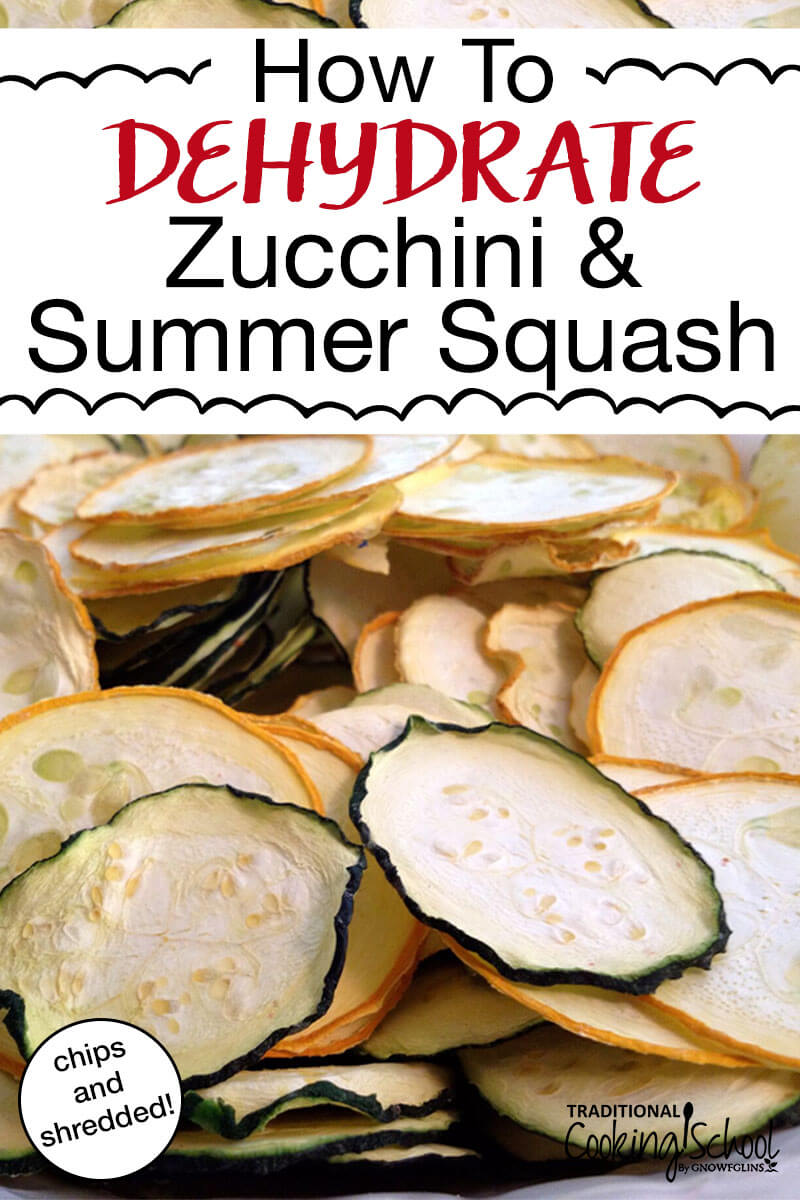
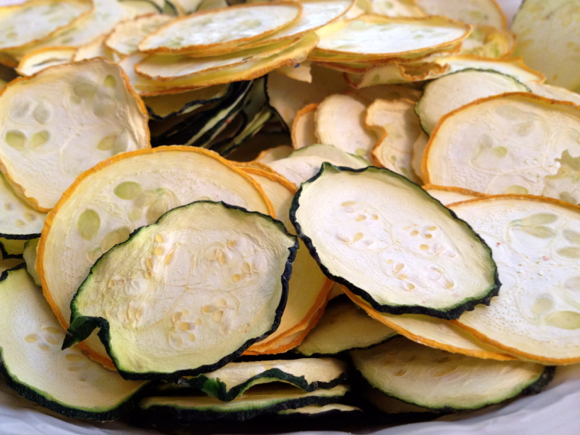
Dehydrated zucchini should be dry and leathery, not sticky or moist. Slices should be flexible, not brittle (unless you want chips).
To test, let a slice cool for a few minutes. Bend it gently—if it cracks, it’s too dry for most uses but perfect for chips. If it feels soft but not wet, it’s ready.
Step 7: Cool And Condition
Remove trays from the oven and let slices cool completely at room temperature. This helps prevent condensation inside storage containers.
For best results, condition the zucchini: Place the cooled slices in a loosely covered jar for 3-7 days. Shake the jar daily. If you see condensation, return slices to the oven for more drying.
Step 8: Store Properly
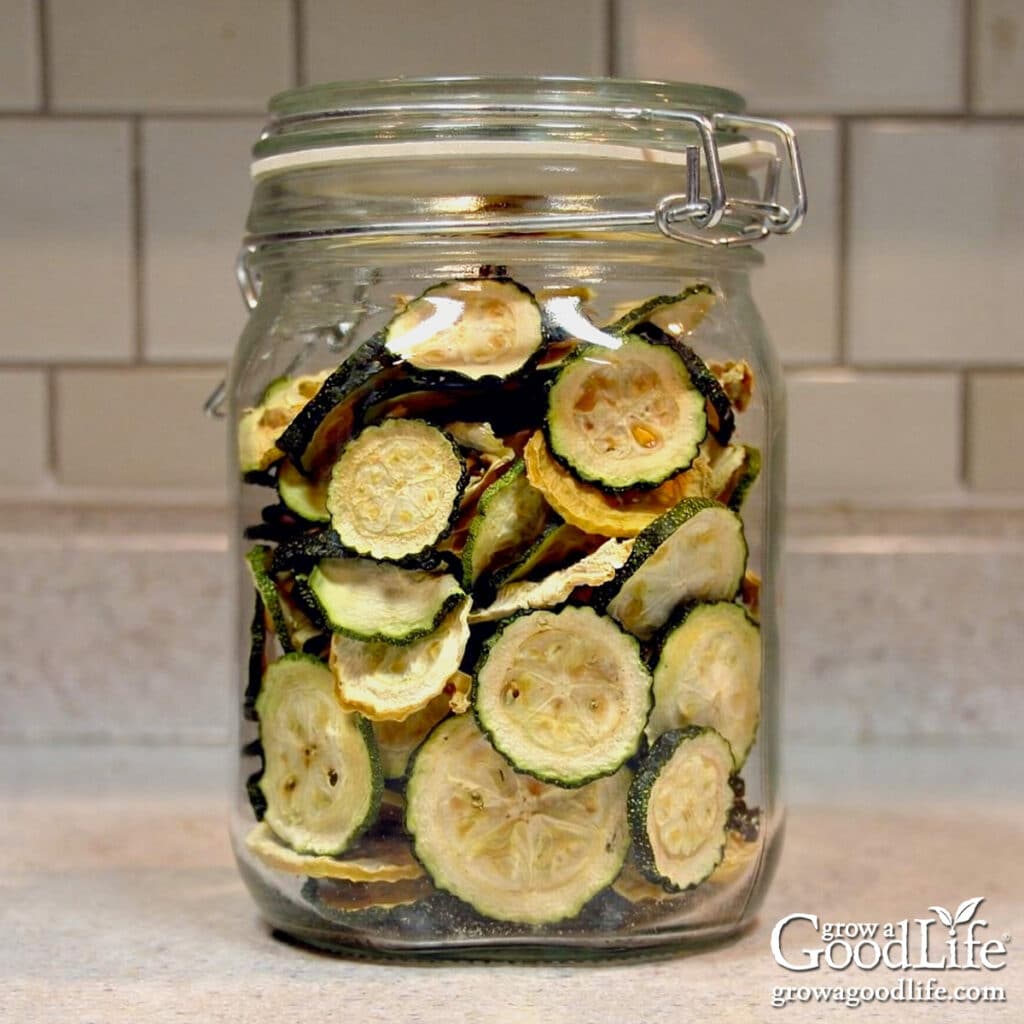
Once fully dry and conditioned, transfer slices to airtight containers or vacuum-sealed bags. Store in a cool, dark place.
Properly dried zucchini can last up to a year. Check occasionally for signs of moisture or spoilage.
Data Table: Oven Drying Time By Slice Thickness
Here’s a helpful guide to how slice thickness affects drying time in a typical oven.
| Slice Thickness | Approx. Drying Time | Texture Result |
|---|---|---|
| 1/8 inch (3 mm) | 4-6 hours | Crispy or chip-like |
| 1/4 inch (6 mm) | 6-8 hours | Leathery, chewy |
| 1/2 inch (12 mm) | 8-10 hours | Very chewy, best for soups |
Credit: growagoodlife.com
How To Use Dehydrated Zucchini
Once your zucchini is dried and stored, you have many options for using it in your kitchen.
- Soups and Stews: Toss a handful of dried slices into simmering liquid. They rehydrate and add texture.
- Casseroles: Layer rehydrated zucchini in lasagna, gratins, or vegetable bakes.
- Snacks: Seasoned, crispy slices are a healthy chip alternative.
- Stir-Fries: Soak dried slices in hot water for 10 minutes, then use as you would fresh zucchini.
- Baking: Grind dried zucchini into powder and add to breads, muffins, or pancakes for extra nutrition.
- Trail Mix: Add crunchy slices to homemade trail mixes for a savory twist.
How To Rehydrate
To rehydrate, soak slices in hot water for 10-15 minutes. For soups and stews, add directly to the pot—they will rehydrate as they cook.
For baking, grind dried zucchini in a blender or food processor until fine.
Comparison Table: Dehydrated Zucchini Vs Fresh Zucchini
To see why dehydrating is a great option, compare the two forms:
| Feature | Fresh Zucchini | Dehydrated Zucchini |
|---|---|---|
| Shelf Life | 5-7 days in fridge | Up to 12 months |
| Storage Space | Bulky | Compact |
| Preparation Needed | Wash, slice, cook | Quick rehydration |
| Flavor | Mild, watery | Concentrated, sweet |
| Nutrition Loss | Minimal if fresh | Some loss of vitamin C, but most nutrients preserved |
Common Mistakes When Dehydrating Zucchini
Even though the process is simple, beginners often make a few common mistakes.
Uneven Slices
If your slices are different sizes, some will dry before others. This can lead to burnt pieces or under-dried zucchini that could spoil. Use a mandoline slicer for consistency.
Overlapping Slices
Overlapping traps moisture. Lay pieces in a single layer with space between them.
Oven Too Hot
High heat cooks rather than dries zucchini, making it tough and unevenly dehydrated. Always use the lowest setting and keep the door cracked for airflow.
Storing Before Fully Cooled
Putting warm zucchini in containers causes condensation, leading to mold. Always cool completely before storing.
Skipping Conditioning
Conditioning helps ensure all pieces are evenly dry. If you skip this step, hidden moisture can cause spoilage later.
Forgetting To Check
Zucchini can go from perfect to overdone quickly, especially at the end. Set a timer and check regularly.
Practical Tips For Success
Dehydrating zucchini in the oven is easy, but a few extra tips can help you get the best results.
- Use Convection Mode: If your oven has a convection setting, use it. Air movement speeds up drying and gives more even results.
- Rotate Trays: Move trays from top to bottom and front to back every hour.
- Don’t Rush: Drying at a lower temperature takes longer but produces better texture and flavor.
- Label Your Containers: Write the date and contents on storage jars or bags. Dried zucchini looks similar to other vegetables.
- Mix with Other Veggies: Try drying zucchini with carrots, squash, or peppers for a colorful, ready-to-use soup mix.
- Check for Dryness: Even a little moisture can spoil the batch. Test a few pieces from different trays.
A non-obvious insight: You can use dehydrated zucchini as a low-carb pasta substitute. Rehydrate wide slices and use them in place of noodles for lasagna or pasta dishes.
Another tip: If you notice a slight “off” smell or any signs of mold during storage, discard the batch immediately. Dehydrated foods are safe if fully dry, but moisture can lead to spoilage.
Nutritional Value Of Dehydrated Zucchini
Zucchini is low in calories and rich in nutrients. Dehydrating removes water but keeps most vitamins and minerals.
A 1-cup serving of fresh zucchini (about 124g) contains:
- Calories: 21
- Carbohydrates: 3.9g
- Protein: 1.5g
- Fiber: 1.2g
- Vitamin C: 22mg (decreases with drying)
- Potassium: 320mg
Dehydrated zucchini is more calorie-dense by weight, since water is removed. Most nutrients, like potassium and fiber, are preserved. There’s some loss of vitamin C, which is sensitive to heat.
For more on the nutritional profile, see this USDA resource.
Creative Recipe Ideas Using Dehydrated Zucchini
If you’re not sure how to use your dried zucchini, try these ideas:
Zucchini Chip Snack
- Toss thin slices with olive oil, garlic powder, and a pinch of salt before drying. Enjoy as a crunchy snack.
Instant Zucchini Soup
- Combine 1/2 cup dried zucchini, 1 tablespoon dried onion, 1 bouillon cube, and 2 cups hot water. Simmer 10 minutes for a quick soup.
Zucchini Powder
- Grind dried zucchini and add to smoothies, pancake batter, or scrambled eggs for extra nutrition.
Vegetable Trail Mix
- Mix dried zucchini, carrots, and peppers with nuts and seeds for an energy-boosting snack.
Casserole Booster
- Stir a handful of dried zucchini into casseroles for extra flavor and bulk.
Credit: traditionalcookingschool.com
Storage Comparison Table: Methods And Shelf Life
Different storage methods affect how long your dehydrated zucchini lasts.
| Storage Method | Shelf Life | Best For |
|---|---|---|
| Airtight jar in pantry | 6-12 months | Daily cooking |
| Vacuum-sealed bag | 12-18 months | Long-term storage |
| Freezer (in airtight bag) | 2+ years | Emergency reserves |
Frequently Asked Questions
How Do I Know If My Zucchini Is Fully Dehydrated?
Fully dehydrated zucchini should be dry, leathery, and flexible. It should not feel sticky or moist. When you break a piece, it should snap or tear, not bend easily. If you see any moisture or softness, return the slices to the oven for further drying.
Can I Dehydrate Zucchini Without A Wire Rack?
Yes, you can place zucchini slices directly on parchment paper-lined baking sheets. The drying process may take a little longer, and you should flip the slices halfway through to ensure even drying. Using wire racks helps air circulate, but it’s not required.
Is It Safe To Leave The Oven Door Open During Dehydration?
It is safe to keep the oven door slightly open (about 1 inch) to let moisture escape. This is important for proper drying. However, never leave the kitchen unattended, and keep children and pets away from the oven while it’s operating.
Can I Season Zucchini Before Dehydrating?
Absolutely. You can sprinkle zucchini slices with salt, pepper, or other spices before putting them in the oven. This is a great way to make zucchini chips or add flavor for later recipes.
How Long Does Dehydrated Zucchini Last In Storage?
If stored in an airtight container in a cool, dark place, dehydrated zucchini will last 6-12 months. For longer shelf life, use vacuum-sealed bags or freeze the dried zucchini. Always check for signs of moisture, mold, or bad smell before using.
Dehydrating zucchini in your oven is a practical way to make the most of a summer harvest and avoid waste. With a little time and the right technique, you can stock your pantry with a healthy, versatile ingredient that’s ready for any recipe.
Whether you’re making snacks, boosting your soups, or saving space, this simple process brings both convenience and flavor to your kitchen. Give it a try—and you may find yourself looking forward to zucchini season every year.