
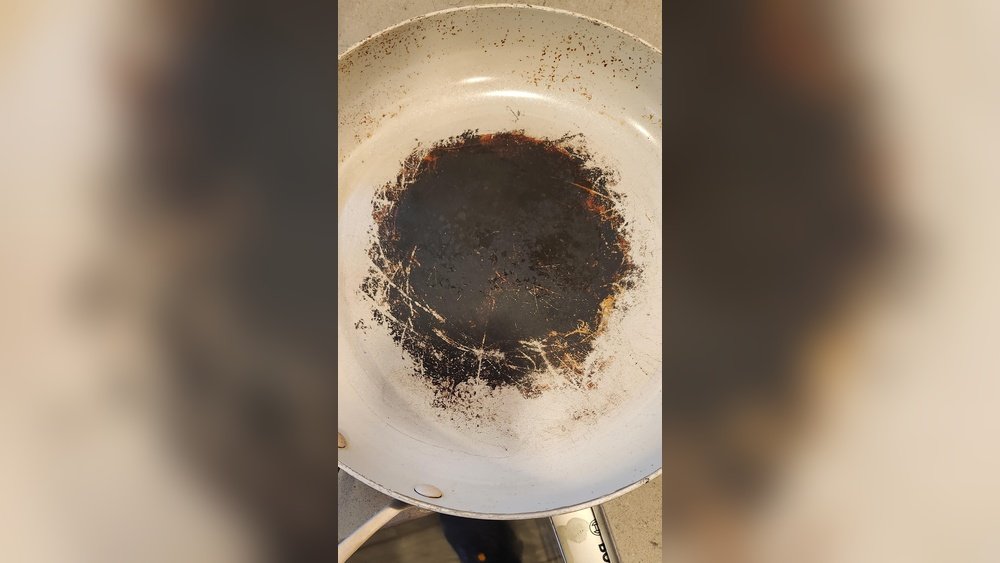
If your GreenPan cookware is starting to look tired, food sticks more than before, or you see stains and scratches, you are not alone. Many people love these pans for their nonstick ceramic coating, but don’t always know how to restore them when problems appear. The good news is: you can often bring your GreenPan back to life with the right steps. This guide walks you through everything you need to know, from cleaning and seasoning to long-term care, with practical tips and solutions for common mistakes. Whether you are new to GreenPan or want to extend the life of your favorite pan, you will find clear instructions and advice that really works.
Understanding Greenpan Cookware
GreenPan is well known for their Thermolon ceramic nonstick coating. Unlike traditional Teflon pans, GreenPan uses a sand-based ceramic layer, which is free from PFAS, PFOA, lead, and cadmium. This makes it a healthier choice for everyday cooking. However, the ceramic surface is also more sensitive than classic nonstick coatings.
GreenPan cookware can lose its nonstick power for several reasons:
- Overheating the pan
- Using metal utensils
- Cooking sprays or oil residue buildup
- Washing with harsh cleaners
- Not following proper care instructions
Understanding these factors is the first step in effective restoration.
Signs Your Greenpan Needs Restoration
Sometimes it is clear when your pan is struggling, but other issues are easy to miss. Look for:
- Food sticking, even with oil or butter
- Discoloration or dark stains on the surface
- White spots or cloudy patches
- Sticky, gummy feeling when you touch the surface
- Visible scratches or pitting
If you see one or more of these, it’s time to restore your GreenPan.
Step-by-step Restoration Process
Restoring your GreenPan is not difficult, but you need to use the right methods. Here’s how to bring your pan back to its best.
1. Deep Cleaning Your Greenpan
A normal wash is not enough when your GreenPan has lost its nonstick power. Deep cleaning removes burnt-on oils and stains that block the coating.
Supplies Needed
- Soft sponge or microfiber cloth
- Baking soda
- White vinegar or lemon juice
- Mild dish soap
- Warm water
- Wooden or silicone spatula (optional)
Cleaning Steps
1. Soak The Pan
Fill the pan with warm water and a few drops of mild dish soap. Let it soak for 15–30 minutes. This helps loosen stubborn residue.
2. Create A Cleaning Paste
Mix 2 tablespoons of baking soda with a little water to form a thick paste.
3. Apply The Paste
Spread the paste over stains, sticky spots, or any area where food sticks. For tough stains, add a few drops of lemon juice or vinegar.
4. Scrub Gently
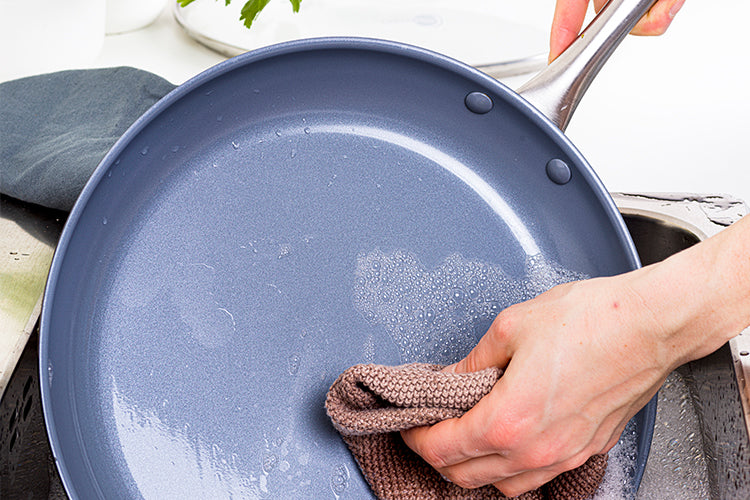
Use a soft sponge to rub the paste in circular motions. Do not use steel wool or abrasive pads—these can scratch the ceramic coating.
5. Rinse And Repeat
Rinse the pan well with warm water. If stains remain, repeat the process. Dry with a soft towel.
Why This Works
Baking soda is a gentle abrasive that lifts burnt oil without harming the surface. Vinegar or lemon juice helps dissolve mineral deposits and grease.
2. Removing Stubborn Stains
If your pan has dark brown or black stains that do not wash off, try this method:
- Fill the pan with water so that it covers the stains.
- Add ½ cup of white vinegar.
- Bring to a gentle boil on the stove for 5–10 minutes.
- Let the pan cool, then pour out the water.
- Wipe away loosened stains with a sponge.
This process removes burnt-on food and sticky oil residue. It also helps bring back the natural shine of the ceramic coating.
3. Restoring The Nonstick Surface
Once your pan is clean, you can improve the nonstick effect by seasoning it. Many people do not realize that seasoning is not just for cast iron—it also helps ceramic cookware.
How To Season Your Greenpan
- Dry the pan completely.
- Pour 1 teaspoon of vegetable oil (like canola or sunflower) into the pan.
- Use a paper towel to spread the oil over the entire cooking surface, including the sides.
- Place the pan on the stove over low heat for 1–2 minutes. Do not overheat.
- Let the pan cool, then wipe off excess oil with a clean paper towel.
Important: Do not use olive oil for seasoning, as it burns at lower temperatures and can leave sticky residue.
Seasoning fills tiny pores in the ceramic surface and creates a smooth, nonstick layer. Repeat this process every few weeks or after deep cleaning.
4. Addressing Scratches And Surface Damage
If your GreenPan has visible scratches or chips, you cannot repair the ceramic coating itself. However, you can minimize further damage:
- Stop using metal utensils; switch to wood, silicone, or nylon.
- Never cut food inside the pan.
- Store pans with a cloth or paper towel between them to prevent scratches.
For deep scratches, you may notice more sticking. In these cases, regular seasoning and gentle cleaning can help, but the nonstick effect may not fully return. If food sticks badly even after restoration, it may be time for a new pan.
5. Dealing With White Spots And Cloudy Areas
White spots are usually caused by mineral deposits from water or salt. These do not harm the pan, but they can reduce nonstick performance.
To remove them:
- Fill the pan with a mix of 1 part vinegar and 3 parts water.
- Heat gently for 5 minutes.
- Let cool, then rinse and dry.
This simple step removes minerals and brings back a smooth surface.
6. Handling Sticky Or Gummy Surfaces
If your GreenPan feels sticky, it is usually from cooking sprays or oil buildup. Avoid using commercial sprays, as these often contain additives that burn and leave a residue.
To fix this:
- Follow the deep cleaning steps above, focusing on areas that feel sticky.
- Season the pan after cleaning.
Overuse of oil can also cause sticky buildup, so use only a small amount when cooking.
Common Mistakes To Avoid
Many GreenPan owners accidentally shorten the life of their pans through these common mistakes:
1. Overheating
Cooking on high heat can damage the ceramic layer. Always cook on low to medium heat.
2. Using Metal Utensils
Metal spatulas, forks, or knives can scratch the surface. Switch to silicone or wood.
3. Abrasive Cleaners
Steel wool, scouring pads, or harsh powders break down the nonstick coating.
4. Stacking Pans Without Protection
Storing pans directly on top of each other causes scratches. Use a pan protector or paper towel.
5. Cooking Sprays
Nonstick sprays leave a film that is hard to remove.
6. Thermal Shock
Never put a hot pan under cold water. Let it cool before washing to prevent warping.
7. Dishwasher Use
While some GreenPans are labeled dishwasher safe, hand washing is best. Dishwasher detergents are often too harsh.
Two Non-obvious Insights
- Let the pan cool before cleaning: Washing a hot pan with cold water can create tiny cracks in the coating, even if you do not see them right away. Over time, these cracks grow and ruin the nonstick layer.
- Seasoning is not just for cast iron: Many people do not know that ceramic nonstick pans benefit from seasoning. This simple step can double the lifespan of your GreenPan’s nonstick effect.

Credit: www.reddit.com
Long-term Care Tips For Greenpan Cookware
Restoration is important, but prevention is even better. With the right habits, your GreenPan can last for years.
Daily Care
- Always use a few drops of oil or butter, even with a nonstick surface.
- Preheat your pan on low heat for 1–2 minutes before adding food.
- Use only soft sponges or cloths for cleaning.
Monthly Maintenance
- Deep clean your pan once a month, especially if you use it often.
- Season the pan after deep cleaning for best results.
Storage
- Store your GreenPan in a dry place.
- Keep a soft cloth or paper towel between pans to prevent scratches.
- Hang your pans if possible, using a padded hook.
When To Replace Your Pan
No cookware lasts forever. If your GreenPan has deep chips, large scratches, or the nonstick effect is gone even after restoration, it is time for a new one. Good care can extend the life of your pan, but all nonstick surfaces wear out eventually.
Comparing Greenpan With Other Nonstick Cookware
Many people wonder how GreenPan’s ceramic coating compares to traditional Teflon or other nonstick pans. Here is a quick comparison to help you understand the differences:
| Feature | GreenPan (Ceramic) | Teflon (PTFE) | Stainless Steel |
|---|---|---|---|
| Nonstick Power | High (when new) | Very high | Low |
| Heat Resistance | Up to 450°C (850°F) | Up to 260°C (500°F) | Very high |
| Health Concerns | No PFAS/PFOA | Possible at high heat | None |
| Dishwasher Safe | Not recommended | Sometimes | Yes |
| Requires Seasoning | Recommended | No | No |
| Durability | Moderate | Good | Excellent |
How To Choose The Right Cleaning Products
Not all cleaning products are safe for ceramic cookware. Here’s what to look for:
- Mild dish soap: Any gentle, non-citrus soap is good.
- Baking soda: Best for removing stains.
- White vinegar: Good for mineral deposits.
- Soft sponges or cloths: Avoid anything rough.
- Never use: Bleach, oven cleaner, or abrasive powders.
Here is a quick comparison of cleaning tools:
| Cleaning Tool | Safe for GreenPan? | Effectiveness |
|---|---|---|
| Soft Sponge | Yes | Excellent |
| Steel Wool | No | High (but damages surface) |
| Microfiber Cloth | Yes | Good |
| Plastic Scrubber | Yes | Good |
| Scouring Pad | No | High (damages surface) |
Real-life Examples: Restoring Greenpan In Action
Let’s look at a few real-life situations and how to fix them.
Case 1: The Burnt-oil Problem
Ana cooks eggs every morning. After a month, her GreenPan’s surface feels sticky and brown patches appear. Food sticks more and more each day.
Solution: Ana deep cleans her pan with baking soda and vinegar, then seasons it. The sticky spots disappear, and the nonstick performance returns.
Case 2: The Scratched Pan
James uses a metal spatula by mistake, leaving scratches on his pan. Eggs stick in the scratched area.
Solution: James switches to silicone tools, deep cleans, and seasons the pan. The scratches are still there, but food sticks less. He knows he will need a new pan sooner, but he extends its life for several months.
Case 3: The Cloudy White Spots
Maria sees white, chalky marks on her GreenPan. She uses hard water and salts food while cooking.
Solution: Maria boils a vinegar and water solution in the pan. The white spots vanish, and she decides to add salt only after food starts cooking.
These examples show that with the right steps, you can often fix common problems and enjoy your GreenPan for much longer.
Credit: www.greenpan.us
The Science Behind Greenpan’s Nonstick Coating
GreenPan’s Thermolon coating is made from sand, using a process that creates a smooth, glass-like layer. This layer is tough, but not indestructible. Overheating, acid, and scratches can break down the surface, making it less nonstick over time. Regular cleaning and seasoning help restore the surface and fill tiny pores.
Unlike Teflon, ceramic nonstick does not release dangerous fumes at high heat. However, it can still lose its nonstick effect if not cared for properly. Understanding this science helps you make better choices for your cookware.
When Restoration Fails: What To Do
Sometimes, no matter how well you clean or season your GreenPan, the nonstick effect does not return. This usually means the coating is worn out. Here’s what you can do:
- Use the old pan for tasks where nonstick is not important (boiling, reheating).
- Recycle the pan if possible (check local guidelines).
- Choose a new GreenPan, and use the care tips above from the beginning.
If you want more details about the science behind ceramic nonstick, you can read at the Wikipedia page about ceramic cookware.

Credit: www.reddit.com
Frequently Asked Questions
How Often Should I Season My Greenpan?
It’s best to season your GreenPan every few weeks, or after each deep cleaning. If you cook often, seasoning once a month will help keep the nonstick surface smooth.
Can I Use My Greenpan In The Oven?
Most GreenPans are oven safe up to a certain temperature (usually 400–600°F). Always check the manufacturer’s instructions for your model. Do not use lids with plastic handles in the oven.
Is It Safe To Use Olive Oil With Greenpan?
You can use olive oil for cooking, but avoid using it for seasoning. Olive oil burns at lower temperatures and can leave a sticky film. For seasoning, use oils with a higher smoke point, such as canola or sunflower.
Why Does Food Still Stick After Cleaning And Seasoning?
If food still sticks after proper cleaning and seasoning, the ceramic coating may be worn out. Try cooking with a little more oil or butter. If sticking continues, it may be time for a new pan.
Can I Restore A Greenpan With Deep Scratches?
You cannot repair deep scratches in the ceramic coating. However, you can minimize further damage by using soft utensils and seasoning the pan. If food sticks badly in the scratched area, consider replacing the pan.
Restoring your GreenPan is mostly about regular care, gentle cleaning, and knowing when to season. With these simple steps, you can enjoy your pan for many years and get the best results every time you cook.