
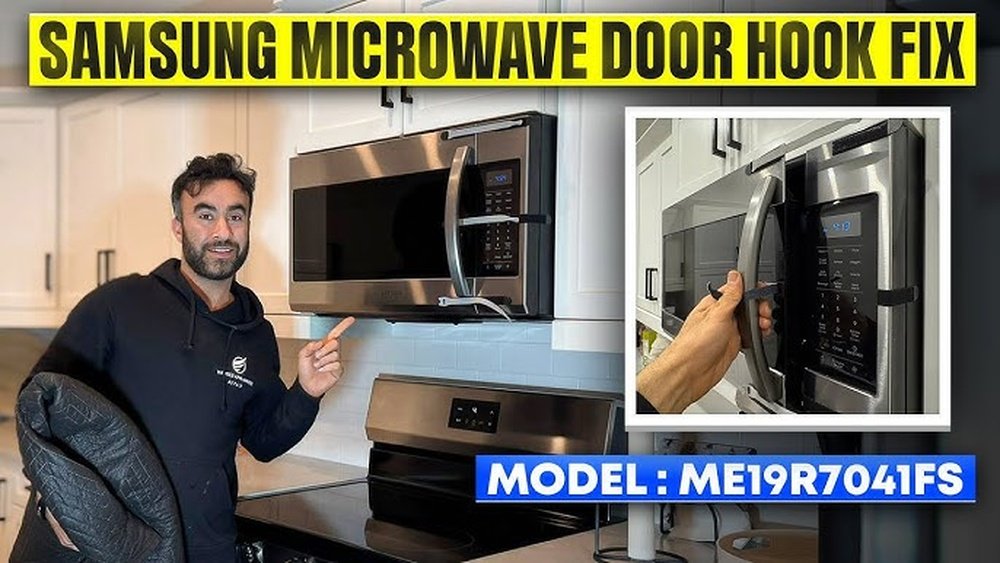
Replacing a microwave door hook might sound difficult at first, but with the right guidance, anyone can do it. The door hook is a small but important part. It helps your microwave door stay closed, and it tells your microwave when it’s safe to run.
If your microwave doesn’t start, or the door won’t latch, the hook could be the problem. Knowing how to change this part can save you money and extend the life of your microwave. This guide will walk you through the process step by step, using simple language and clear advice.
You’ll learn what tools you need, how to stay safe, and how to avoid mistakes that often cost beginners extra time or even cause more damage.
Understanding The Microwave Door Hook
The microwave door hook is a small plastic or metal piece attached to the inside of the door. When you close the door, this hook slides into a slot inside the microwave’s frame. It presses a set of switches called interlock switches. These switches tell the microwave’s control board that the door is closed and it’s safe to start heating. If the hook is broken, bent, or loose, the door may not close properly, or the microwave may refuse to start.
Why The Door Hook Fails
Over time, the hook can break due to:
- Frequent slamming of the door
- Wear and tear from regular use
- Heat damage inside the microwave
- Cheap materials in low-cost models
Even a small crack can stop your microwave from working. Sometimes, the hook bends or wears out, making it hard to latch the door. Many people don’t realize the hook is the problem and replace the whole microwave, wasting money.
Signs Your Door Hook Needs Replacing
You may need to replace the hook if you notice:
- The door won’t stay closed
- The microwave doesn’t start even when the door is shut
- You hear clicking or grinding when opening or closing the door
- The microwave stops mid-cycle when you touch the door
If you see any of these signs, checking the door hook is a smart first step.
Safety First: Preparing For Repair
Working on a microwave can be dangerous if you don’t follow safety steps. Microwaves store high voltage in a part called the capacitor, even when unplugged. While the door hook area is less risky than other repairs, always put safety first.
Essential Safety Steps
- Unplug the microwave – Never work on a plugged-in microwave.
- Let the microwave sit – Wait 30 minutes after unplugging to allow stored energy to drain.
- Avoid the capacitor – Don’t touch wires or metal parts inside the microwave body.
- Work on a flat surface – Use a clear, stable table or counter.
- Use gloves and safety glasses – Protect your hands from sharp edges and your eyes from debris.
Tools And Materials Needed
- Phillips and flathead screwdrivers
- Needle-nose pliers
- Replacement door hook (check your microwave model)
- Towel or soft mat (to rest the microwave or door on)
- Small container (for screws and small parts)
Having the right tools ready saves time and avoids frustration. If you’re not sure which hook to buy, check your microwave’s brand and model number, usually found on the back or inside the door.
How To Find The Right Replacement Door Hook
Microwave door hooks are not one-size-fits-all. Each brand and model may use a slightly different shape or size. Using the wrong part can damage your microwave or make the door unsafe.
Steps To Identify The Correct Part
- Check the model number – Look for a sticker or plate, often near the door frame.
- Search online – Type your model number plus “door hook” into a search engine or parts website.
- Visit the manufacturer’s site – Brands like Panasonic, GE, and Whirlpool have official parts stores.
- Compare images and measurements – Make sure the new hook matches the old one in shape and size.
Oem Vs Aftermarket Parts
- OEM (Original Equipment Manufacturer) parts are made by your microwave’s brand. They usually fit best.
- Aftermarket parts can be cheaper but may not last as long or fit perfectly.
Here’s a quick comparison:
| Feature | OEM Door Hook | Aftermarket Door Hook |
|---|---|---|
| Fit | Exact | May vary |
| Durability | High | Medium to High |
| Price | Higher | Lower |
| Warranty | Usually included | Not always |
Choosing OEM is safest for beginners, but good aftermarket parts can also work if you compare carefully.
Step-by-step Guide: Replacing The Microwave Door Hook
This section explains each stage of the process. Read every step before you start, and don’t rush. Many mistakes happen from skipping ahead or missing small details.
1. Unplug And Prepare The Microwave
Start by unplugging the microwave from the wall. This simple step is the most important for your safety. Place the microwave on a sturdy surface. Lay a towel or soft mat under the microwave to prevent scratches.
2. Remove The Door From The Microwave (if Needed)
Some microwaves allow you to replace the door hook without removing the door. For most models, however, it’s easier to take the door off.
To remove the door:
- Open the door fully.
- Find the hinge pins at the bottom and top.
- Support the door’s weight, then lift straight up to slide it off the hinges.
- Place the door on a soft surface.
Not all microwaves are the same. If you’re unsure, check the manual or search for your model online.
3. Take Apart The Door Panel
The door’s outer panel is usually held by screws or plastic clips.
- Find screws around the door frame (often on the inside edge).
- Remove them with a screwdriver and put them in your container.
- For doors with clips, carefully pry open the edge with a flathead screwdriver. Work slowly to avoid breaking the plastic.
Tip: Take a photo of the door before removing parts. This helps you remember how everything fits.
4. Locate And Remove The Broken Door Hook
With the door open, you’ll see the door hook—often a plastic piece with one or more arms.
- Check how the hook is attached. It may have screws, clips, or simply slide into place.
- If screws are present, remove them.
- If the hook is clipped in, press the tabs gently with pliers and pull it out.
Don’t force the hook. If it’s stuck, look for hidden screws or tabs.
5. Install The New Door Hook
Take your new door hook and compare it to the old one. Make sure the shape and length match.
- Slide or clip the new hook into place.
- If screws were removed, insert and tighten them.
- Make sure the hook moves smoothly but doesn’t wobble.
Beginner insight: Some hooks have a “direction” or angle. Match the orientation to the original part.
6. Reassemble The Door
- Fit the outer panel back onto the door.
- Snap any clips into place (listen for a “click”).
- Replace and tighten all screws.
Check that nothing rattles or feels loose. Even a small gap can cause leaks or poor door contact.
7. Reattach The Door To The Microwave
- Hold the door level.
- Slide the hinge side onto the pins, starting with the bottom.
- Lower the door until it clicks or sits firmly in place.
Test the door by opening and closing it a few times.
8. Test The Microwave
Plug the microwave back in. Before heating anything, close the door and start a short cycle (like 10 seconds).
- The microwave should run as normal.
- If it doesn’t start, or you see error messages, unplug it and check your work.
Insider tip: If the door doesn’t latch, the hook might not be seated correctly. Remove and try again.
9. Final Safety Check
Check for these before using the microwave:
- No rattling or loose parts in the door
- Door closes smoothly and stays shut
- Microwave starts only when the door is fully closed
If everything works, you’ve replaced the hook successfully.

Credit: www.youtube.com
Common Mistakes And How To Avoid Them
Even careful people make mistakes when working with appliances. Here are some common errors and ways to avoid them:
Using The Wrong Replacement Part
It’s easy to buy a hook that looks similar but doesn’t fit. Always double-check the model number and compare old and new parts.
Breaking Door Clips
Plastic clips can snap if you use too much force. Use gentle pressure and work slowly. If a clip does break, you can sometimes fix it with strong tape, but replacing the panel is safest.
Losing Screws
Small screws disappear easily. Use a container for all fasteners. Losing a screw can make the door loose, causing new problems.
Skipping The Safety Wait
Microwaves can store electricity even when unplugged. Waiting at least 30 minutes is not optional, especially if you touch wires or the body.
Not Testing The Door
After repair, always check the door’s action and listen for rattles before running the microwave. Testing on a short cycle helps prevent bigger problems.
Tips For A Smoother Repair Experience
Replacing a door hook is usually simple, but these tips can save you time and trouble:
- Take photos at each step. They’re a lifesaver if you get confused.
- Lay parts out in order as you remove them.
- If the hook is hard to access, try removing only one side of the door panel.
- Use a flashlight to see small clips or screws inside the door.
- Order two replacement hooks if they’re cheap. If you damage one, you have a backup.
- Keep your old hook as a reference for the future.
Some microwaves use two hooks. If one is broken, the other may fail soon. Replacing both at once is smart.

Credit: www.amazon.com
When To Call A Professional
Not every problem can be fixed at home. If you notice any of the following, it’s best to call an appliance repair expert:
- You see burn marks, melted plastic, or broken glass
- The door feels loose even after repair
- The microwave makes buzzing or sparking sounds
- The display shows error codes you can’t clear
Also, if you’re uncomfortable opening the microwave or touching electrical parts, don’t risk your safety. Professional repairs may cost more, but they can prevent bigger accidents.
Cost Of Replacing A Microwave Door Hook
Understanding the cost helps you decide if repair is worth your time.
Typical Price Breakdown
| Item | Average Cost (USD) | Notes |
|---|---|---|
| Replacement Door Hook | $8–$25 | OEM is pricier |
| Screwdrivers/Tools | $5–$15 | Most people already own these |
| Professional Repair | $70–$120 | Labor plus parts |
| New Microwave | $80–$400 | Depends on brand/size |
DIY repair is the cheapest option, especially if you already own tools. Always compare the cost of repair to the price of a new microwave, especially for older units.
How The Door Hook Keeps Your Microwave Safe
The door hook isn’t just a latch—it’s a safety device. If the hook is broken or missing, microwaves will not (and should not) run. This prevents microwave radiation from escaping, which could be dangerous.
Interesting fact: A working door hook and interlock switches are required by law in the US and many other countries. Manufacturers design microwaves so that even a small door problem stops the machine from working.
This is why a simple part like the hook can cause big trouble and why replacing it properly is essential.
How To Make Your Door Hook Last Longer
Many people don’t realize that simple habits can extend the life of their door hook.
- Don’t slam the door – Close it gently to avoid bending or breaking the hook.
- Clean around the hook – Grease or crumbs can make the hook stick or wear out faster.
- Check for cracks regularly – Early detection means cheap, easy repairs.
- Teach family members – Everyone should know to close the door softly, especially kids.
Pro tip: If your microwave door feels stiff or hard to close, don’t force it. Check for food debris or misalignment before continuing.
Environmental Impact: Repair Vs. Replace
Throwing out a microwave because of a broken hook adds to electronic waste. Repairing small parts is better for the environment and your wallet. Many local recycling centers accept old microwaves, but repair is almost always greener.
According to the Environmental Protection Agency (EPA), small appliance repair helps reduce landfill waste and conserves resources. You can read more about appliance recycling at the EPA’s official page.
What To Do If The Door Still Won’t Close
Sometimes, the door hook isn’t the only problem. If you’ve replaced the hook and the door still won’t close, check these areas:
- Door hinges – Bent or worn hinges can misalign the door.
- Interlock switches – These may be damaged or stuck.
- Door frame – Warping from heat or age can make the hook miss its slot.
- Broken springs – Some doors use a spring to help close.
If you find these problems, you may need extra parts or a professional repair.
Real-world Examples
Case 1: Maria’s microwave stopped working after her child slammed the door. She found a small plastic piece on the floor—the hook had snapped. By checking her microwave model, she ordered a new hook online for $12. With a screwdriver and 30 minutes, she replaced it herself. The microwave worked perfectly.
Case 2: John replaced his door hook but the microwave still wouldn’t run. He learned from a repair forum that his model had two interlock switches, and one was damaged. After replacing both the hook and switch, his microwave started working again.
These stories show that while the hook is a common cause, sometimes other parts are involved. Always check carefully.
Frequently Asked Questions
What Is A Microwave Door Hook?
A microwave door hook is a small plastic or metal piece on the inside of the microwave door. It latches into the microwave body and activates safety switches that let the microwave run only when the door is closed.
Can I Use My Microwave If The Door Hook Is Broken?
No. Using a microwave with a broken hook is unsafe and may cause the microwave not to start, or worse, let radiation leak out. Always repair or replace the hook before using the microwave.
How Do I Know If My Replacement Door Hook Fits?
Check your microwave’s brand and model number. Order a hook made for your exact model. Compare the new part’s shape and size to the original before installing.
Do I Need Special Tools To Change The Door Hook?
Most door hooks can be replaced with basic tools like a screwdriver and pliers. Rarely, you may need a special screwdriver (like a Torx) for some models. Check before starting.
Is It Cheaper To Replace The Door Hook Or Buy A New Microwave?
Replacing the hook is almost always cheaper. A new hook costs $8–$25, while a new microwave can cost $80 or more. Only replace the microwave if it’s old, unsafe, or has other serious problems.

Credit: www.applianceaid.com
Final Thoughts
Replacing a microwave door hook is a practical skill that anyone can learn. It saves money, helps the environment, and keeps your kitchen running smoothly. By following the steps in this guide—putting safety first and using the right part—you can fix this common problem without stress.
Remember to work slowly, double-check each step, and never use your microwave if you’re unsure about the repair. Small fixes like this can make a big difference, turning frustration into confidence and waste into savings.