
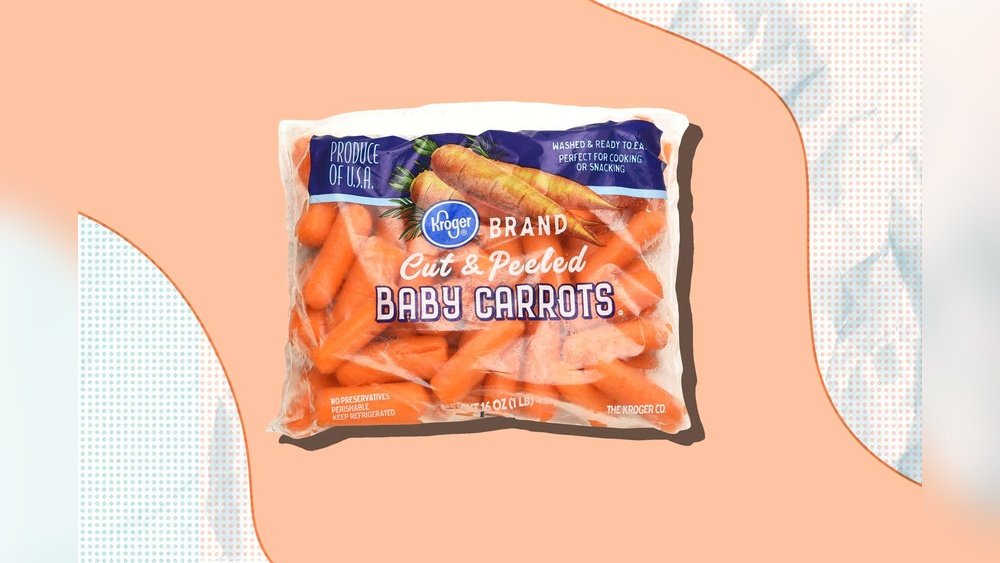
Storing baby carrots in the fridge might seem simple, but doing it correctly makes a big difference in their freshness, taste, and health benefits. Many people toss a bag of baby carrots into the fridge and forget about them, only to find them slimy, dry, or tasteless after a few days.
Learning the right storage techniques will help you avoid waste, save money, and always have crisp, sweet carrots for snacks, salads, or cooking. This article will walk you through everything you need to know about storing baby carrots in the fridge, from understanding their unique needs to practical steps, troubleshooting common problems, and maximizing shelf life.
Whether you’re a busy parent, a meal prepper, or someone who just loves snacking on carrots, you’ll find clear, practical advice and some surprising tips you may not have heard before.
Why Proper Storage Of Baby Carrots Matters
Most people buy baby carrots for their convenience and health benefits. They’re ready to eat, full of vitamins, and low in calories. However, improper storage can quickly turn this healthy snack into a soggy mess. When baby carrots go bad, they lose their crunch, flavor, and even their nutritional value. Plus, wasted food is wasted money.
Baby carrots are especially sensitive to moisture and temperature. Too much moisture leads to sliminess, while too little dries them out. The cold environment of your fridge slows bacteria growth, but it can’t stop it if the carrots are stored incorrectly.
Keeping baby carrots fresh is not only about taste and texture—it’s also about food safety and getting the most nutrition from your produce.
Understanding Baby Carrots: What Makes Them Special
Baby carrots are not a separate type of carrot. Most of the time, they’re regular carrots that are cut and peeled into small, uniform pieces. This process removes their natural protective skin, making them more vulnerable to moisture loss and bacteria.
Here are a few things that make baby carrots unique:
- No skin protection: Their outer layer is removed, so they can dry out or get slimy faster.
- High surface area: More of the carrot is exposed to air and moisture.
- Pre-washed: Baby carrots are usually washed and packed with some water, which can encourage spoilage if not handled properly.
Knowing these facts helps you understand why you need to pay extra attention when storing them in the fridge.
The Science Of Carrot Storage
To keep baby carrots fresh, you need to balance humidity and airflow. Carrots are about 88% water, so they lose moisture easily. When they dry out, they become limp and tasteless. But too much moisture, like condensation in the bag, creates a perfect environment for bacteria and mold.
The ideal fridge temperature for carrots is 32°F to 40°F (0°C to 4°C). This range slows bacteria growth but doesn’t freeze the carrots. The humidity should be high, but with enough air circulation to prevent water from collecting on the carrots.
Here’s a quick look at how different storage conditions affect baby carrots:
| Storage Condition | Expected Shelf Life | Quality Issues |
|---|---|---|
| Open bag in fridge | 3-5 days | Dries out, absorbs odors |
| Sealed bag with moisture | 5-7 days | May become slimy |
| Wrapped in paper towel in container | 10-14 days | Stays crisp, fresh taste |
Step-by-step: How To Store Baby Carrots In The Fridge
Storing baby carrots correctly is easy if you follow these steps. Each step is important for the best results.
1. Check Freshness Before Storing
Always check the baby carrots before putting them in the fridge. Look for:
- Firmness: Carrots should be crisp, not limp or rubbery.
- Color: Bright orange is best; avoid white, gray, or black spots.
- No slime: Any sign of sliminess means spoilage has started.
Storing already spoiled carrots will not improve their quality and can affect other vegetables around them.
2. Remove From Original Packaging (if Necessary)
Many baby carrots come in plastic bags with a little water. While this is fine for short-term storage, it’s not ideal for longer freshness. The plastic traps moisture and speeds up spoilage.
Tip: If you plan to eat the carrots within 2-3 days, you can keep them in the original bag. For longer storage, transfer them to a better container.
3. Rinse And Dry
If you remove baby carrots from their bag, give them a quick rinse under cold water. This removes any surface bacteria or dirt. After rinsing, dry them completely with a clean paper towel or kitchen cloth. Moisture left on the carrots can cause them to spoil faster.
4. Wrap In A Dry Paper Towel
Place a dry paper towel at the bottom of your storage container, then lay the carrots on top. Add another paper towel above the carrots. The towels will absorb excess moisture and keep the carrots from getting slimy.
5. Choose The Right Container
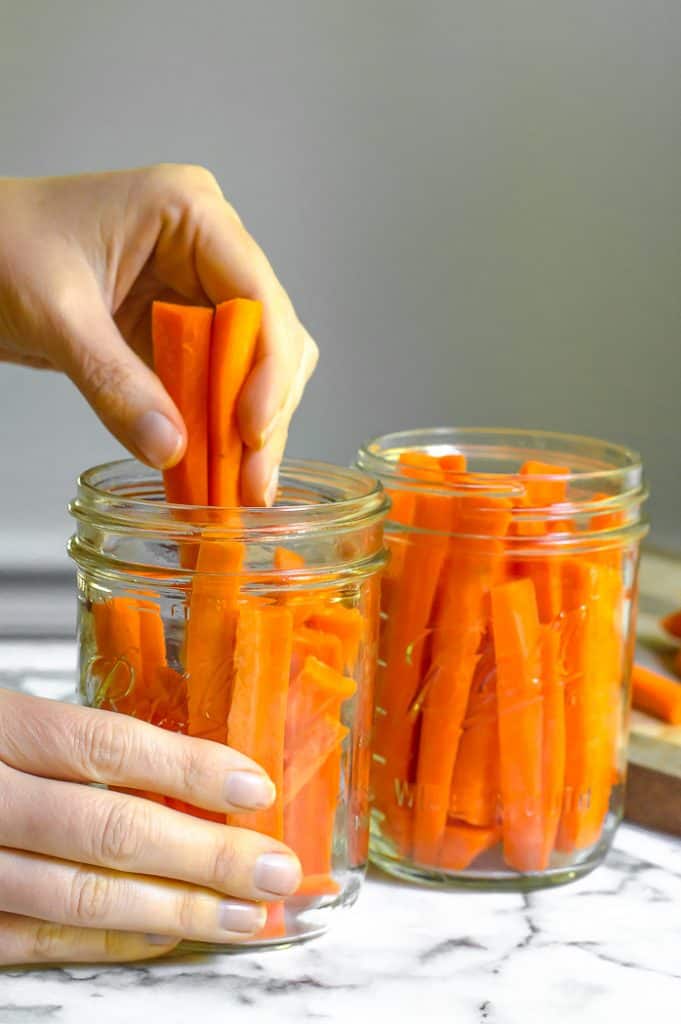
Use an airtight container made of glass or plastic. Avoid containers that are too big, as extra air inside can dry out the carrots. If you don’t have an airtight container, a resealable plastic bag will work, but squeeze out as much air as possible.
6. Store In The Crisper Drawer
The crisper drawer in your fridge is designed for vegetables. It keeps the humidity higher and the temperature steady. Place your container or bag of baby carrots in this drawer for best results.
7. Check And Change Paper Towels
Every 3-4 days, check the paper towels for dampness. Replace them if they feel wet. This step prevents excess moisture from building up and keeps the carrots fresh.
8. Don’t Store With Ethylene-producing Fruits
Some fruits, like apples, bananas, and pears, give off ethylene gas which speeds up ripening and spoilage. Keep baby carrots away from these fruits in your fridge.
9. Use Clean Hands Or Utensils
Each time you take carrots from the container, use clean hands or a clean utensil. Introducing bacteria from dirty hands is a common way to spoil stored vegetables.
10. Close The Container Tightly After Each Use
Always reseal your container or bag tightly after taking out carrots. Leaving it open dries out the carrots and exposes them to fridge odors.
Comparing Storage Methods For Baby Carrots
Not all storage methods give the same results. Here’s a comparison of three popular ways to keep baby carrots in the fridge.
| Method | How It Works | Pros | Cons | Shelf Life |
|---|---|---|---|---|
| Paper towel in airtight container | Paper towels absorb extra moisture, airtight container keeps humidity | Keeps carrots crisp, reduces spoilage | Requires extra step and container | 10-14 days |
| Original bag in fridge | Carrots stay in store packaging | Easy, no extra work | Prone to slime, short shelf life | 3-5 days |
| In water in container | Carrots are submerged in water | Stays crisp, easy to snack on | Needs frequent water changes, risk of bacteria | 7-10 days |
Storing Baby Carrots In Water: Is It A Good Idea?
Some people store baby carrots in a container of water. This method keeps carrots crunchy and makes them easy to grab for snacking. Here’s how to do it safely:
- Rinse the carrots and place them in a container.
- Cover with cold, filtered water.
- Store in the fridge, tightly sealed.
- Change the water every 2 days to prevent bacteria growth.
This method can work well, but it’s important to keep the water clean. Stale water encourages bacteria and can make the carrots taste bad. For most people, storing with paper towels is safer and less work.
Common Problems When Storing Baby Carrots
Even with care, problems can happen. Here’s how to handle the most common issues:
Slimy Carrots
Slime is usually caused by too much moisture. If you notice sliminess, remove the affected carrots right away. Wipe the container and replace paper towels. If the slime is widespread, throw away the whole batch.
White Spots (“carrot Blush”)
Sometimes you see white, dry spots on baby carrots. This is called carrot blush and is just dehydration. The carrots are safe to eat but may taste less sweet. To reduce this, keep humidity up and avoid letting carrots dry out.
Bad Smell
A sour or rotten smell means spoilage. Discard the carrots immediately. Clean the container well before storing a new batch.
Mold
Mold appears as fuzzy spots, usually white or green. Never eat carrots with mold; throw out the whole batch and clean the container.
How Long Do Baby Carrots Last In The Fridge?
Shelf life depends on how you store them:
- Original bag: 3-5 days
- Airtight container with paper towels: 10-14 days
- Submerged in water (with regular changes): 7-10 days
Some people can keep carrots fresh even longer, but flavor and texture may decline. Always check for signs of spoilage before eating.

Credit: livesimply.me
Special Tips For Maximum Freshness
Here are some expert-level tips that most beginners miss:
- Keep carrots away from strong-smelling foods. Carrots absorb odors from onions, garlic, or cheese easily.
- Don’t wash until ready to eat, if possible. Washing removes protective layers. If your carrots come pre-washed, dry them before storing.
- Use reusable produce bags. Cloth produce bags can keep humidity balanced and are better for the environment.
- Label your container with the storage date. This helps you track freshness and rotate older carrots to the front.
- Don’t overpack the container. Crowding carrots reduces airflow and encourages spoilage.
- Try adding a slice of apple for extra crunch. The apple helps maintain humidity, but remember to remove it if it starts to get soft.
Nutrition And Safety: Why Freshness Matters
Baby carrots are rich in beta-carotene, vitamin K, and fiber. These nutrients are highest in fresh carrots. As carrots age, they lose water, flavor, and vitamins. Spoiled carrots can also harbor harmful bacteria.
Eating fresh, properly stored carrots means better taste, more nutrition, and lower risk of foodborne illness. According to the USDA, proper refrigeration slows down bacteria growth but does not stop it completely. Always use your senses—sight, smell, and touch—to check for freshness.
Creative Uses For Leftover Baby Carrots
Sometimes, even with the best storage, you end up with carrots that are a bit soft or don’t look perfect. Don’t throw them away! Here are some ways to use them:
- Soup or stew: Slightly limp carrots are still great for cooking.
- Roasted carrots: Toss with oil and spices, roast at 400°F for 20-25 minutes.
- Carrot puree: Blend with a little butter for a tasty side dish.
- Smoothies: Add to fruit smoothies for extra vitamins.
- Pickled carrots: Slice and pickle with vinegar, garlic, and dill.
Using up less-than-perfect carrots helps reduce food waste and saves money.
Myths And Misunderstandings About Storing Baby Carrots
Many people believe common myths about storing carrots. Here are a few clarified:
- “Baby carrots need to stay wet.” Not true. Too much moisture causes spoilage. They need balanced humidity, not soaking.
- “You can freeze baby carrots raw.” Freezing raw carrots changes their texture and flavor. Blanch them first if you want to freeze.
- “White spots mean the carrots are bad.” White spots are usually just dehydration, not spoilage.
- “Carrots last forever in the fridge.” Even in the fridge, carrots will eventually spoil. Check them regularly.
Credit: thenaturalnurturer.com
How To Tell If Baby Carrots Are Still Good
Quick checks to see if your carrots are okay to eat:
- Look: Bright orange, no mold or dark spots.
- Touch: Firm, not slimy or mushy.
- Smell: Fresh and earthy, not sour or rotten.
- Taste: Crisp, sweet, and not bitter.
If you’re ever in doubt, it’s safer to throw them out.
Storing Organic Vs. Conventional Baby Carrots
Both types of baby carrots store the same way, but organic carrots may spoil a little faster because they have fewer preservatives. Always check the label for any special storage instructions.
:max_bytes(150000):strip_icc()/GettyImages-1158202429-2000-bccba093595d42f9abc404b7cc5000d8.jpg)
Credit: www.allrecipes.com
Can You Freeze Baby Carrots?
You can freeze baby carrots, but it’s best to blanch them first. Blanching means boiling the carrots for 2-3 minutes, then cooling quickly in ice water. This step helps preserve color, texture, and nutrients. After blanching, dry the carrots and freeze them in an airtight bag. Frozen carrots are best for cooking, not eating raw.
Baby Carrots Vs. Regular Carrots: Storage Differences
Baby carrots and regular carrots store almost the same way, but regular carrots have their skins, which protect them longer. If you peel regular carrots, treat them the same as baby carrots for storage.
Here’s a quick comparison:
| Type | With Skin | Peeled | Best Storage Method | Shelf Life |
|---|---|---|---|---|
| Baby carrots | No | Yes | Airtight container, paper towel | 10-14 days |
| Regular carrots | Yes | No | Plastic bag in crisper | 2-3 weeks |
| Peeled regular carrots | No | Yes | Same as baby carrots | 10-14 days |
Sustainable Practices: Reducing Plastic Waste
If you want to reduce plastic use, store baby carrots in reusable containers or cloth produce bags instead of single-use plastic bags. Clean and dry containers after each batch to prevent bacteria buildup.
Consider buying larger carrots and cutting them yourself, which creates less packaging waste and gives you more control over freshness.
What To Do If Carrots Start To Go Bad
If you notice one or two carrots starting to go soft or show spots, remove them immediately. This helps prevent the spread of mold or bacteria to the rest. If most of the batch is still good, replace the paper towel and container, and keep checking daily.
Baby Carrots For Meal Prep
Baby carrots are a popular choice for meal prep because they’re easy to portion and require no peeling. Store prepped carrots in individual containers with paper towels for grab-and-go snacks or lunch boxes.
Carrot Storage And Food Safety
Always keep your fridge at the right temperature (32°F to 40°F) and wash containers between uses. Never store carrots at room temperature for more than a few hours. This helps prevent bacteria like Listeria or Salmonella, which can grow even in cold environments.
For more details on safe storage and handling, you can visit the USDA Food Safety page.
Frequently Asked Questions
How Do I Keep Baby Carrots From Getting Slimy In The Fridge?
Keep them dry by using paper towels in an airtight container. Change towels every few days and avoid letting water collect at the bottom. Never leave carrots in a wet bag for long.
Can I Store Baby Carrots With Other Vegetables?
Yes, but keep them away from ethylene-producing fruits like apples and bananas. Store with other low-moisture veggies, and use separate containers to avoid cross-contamination.
Is It Safe To Eat Baby Carrots Past The “best By” Date?
The “best by” date is only a guide. If the carrots look, smell, and feel fresh, they’re usually safe. If there’s slime, mold, or off smells, throw them out.
Why Do Baby Carrots Turn White In The Fridge?
White spots, or “carrot blush,” happen when moisture is lost from the surface. The carrots are still safe but may be less sweet. Store in a humid environment to prevent this.
Can I Freeze Leftover Baby Carrots For Smoothies?
Yes, but blanch them first for the best texture and flavor. Freeze in small portions for easy use in smoothies or cooked dishes.
Keeping baby carrots fresh in the fridge is easy with the right steps. Handle them with care, control moisture, and always check for freshness. With these techniques, you’ll enjoy crisp, sweet carrots every time you open the fridge.