
Keeping your kitchen cabinets polished is about more than just making them look nice. Clean, shiny cabinets can improve your kitchen’s whole feel, help prevent damage, and even support healthier cooking spaces. Many homeowners spend time wiping down counters or cleaning appliances but forget about cabinet surfaces.
Over time, grease, fingerprints, and dust can build up, making cabinets look dull and aged. The good news is, polishing kitchen cabinets is not difficult, and you can get great results with a little time and know-how.
This guide will show you how to polish kitchen cabinets step by step, whether your cabinets are made of wood, laminate, or painted surfaces. We will cover the best products, simple cleaning methods, and practical tips for both regular care and deep cleaning.
You’ll also learn how to avoid common mistakes that can damage your cabinets. By the end, you’ll feel confident about making your kitchen cabinets shine again, and you’ll understand how to keep them looking beautiful for years.
Understanding Your Kitchen Cabinet Material
Before you start polishing, it’s important to know what kind of cabinets you have. Different materials need different care. Using the wrong method or product can lead to stains, scratches, or even peeling.
Common Cabinet Materials
- Solid wood – Many traditional kitchens use oak, maple, cherry, or birch. Wood can be stained or painted and often has a protective finish.
- Laminate – A plastic-like surface glued to a wood base. It’s durable but can peel if not cared for.
- Painted cabinets – These may be wood or MDF (medium-density fiberboard) with a paint finish. The paint can chip if scrubbed too hard.
- Thermofoil – A vinyl film over MDF or particleboard. Sensitive to heat and moisture.
- Veneer – A thin slice of real wood over a cheaper base. Needs gentle handling.
How To Identify Your Cabinet Type
- Look at the door edges. Solid wood often has visible grain, while laminate and thermofoil have a smooth, plastic-like feel.
- Painted cabinets may show brush strokes or a consistent color without wood grain.
- Veneer can look like wood but may have seams at the edges.
Knowing your cabinet material helps you choose the right cleaning and polishing products. For example, strong solvents can damage laminate, and too much water can swell MDF under paint.
Essential Tools And Products For Polishing
Having the right tools makes polishing faster and safer for your cabinets. Here’s what you’ll need:
- Microfiber cloths – These are gentle, trap dust, and don’t scratch.
- Soft sponges – Use for washing and rinsing.
- Mild dish soap – Cuts grease without damaging finishes.
- White vinegar – Great for cleaning, but always dilute and test first.
- Commercial cabinet cleaner – Choose one that matches your cabinet material.
- Cabinet polish or conditioner – For wood cabinets, look for natural oils or wax-based polish.
- Spray bottle – Makes applying cleaners easy.
- Old toothbrush – Useful for corners and detailed trim.
- Cotton swabs – Helps with small crevices.
- Dry towels – For drying and buffing to a shine.
Optional Tools
- Vacuum with brush attachment – Removes loose dust before you wipe.
- Rubber gloves – Protect your hands from cleaning products.
- Drop cloth – Protects counters and floors from drips.
Always read product labels. For example, some cabinet polishes contain silicone, which can build up over time and make future cleaning harder.
Preparing The Cabinets For Polishing
A little preparation saves time and helps you avoid mess. Here’s how to get started:
- Empty the cabinets – Take out dishes, food, and anything else. This keeps everything clean and lets you reach all surfaces.
- Open windows – Good air flow helps cleaning products dry and keeps fumes away.
- Remove hardware if possible – Take off handles, knobs, and pulls. If you can’t, clean around them carefully.
- Vacuum or dust first – Use a vacuum or dry cloth to remove loose dust and crumbs.
- Protect surfaces – Lay a drop cloth or old towel under the cabinets to catch drips.
Skipping these steps can make the job harder and lead to streaks or residue.
Step-by-step Guide: How To Polish Kitchen Cabinets
Polishing kitchen cabinets is a process with several steps. Each one is important for the best results.
Step 1: Clean The Cabinet Surfaces
Start with a gentle cleaner. Mix a few drops of mild dish soap in a bucket of warm water. Dip a microfiber cloth or soft sponge into the solution and wring it out so it’s damp, not soaking wet. Wipe all cabinet surfaces – doors, drawer fronts, and side panels.
Pay special attention to handles and edges where grease collects. Rinse your cloth often so you’re not spreading dirt around.
For sticky spots, like dried food or grease, hold a damp cloth over the area for a minute to soften it. Avoid using sharp tools or scrubbing pads, as these can scratch.
Example Cleaning Solution
- 1 quart warm water
- 1 teaspoon mild dish soap
Mix well. For extra cleaning power, add 1 tablespoon of white vinegar, but test on a hidden spot first.
Step 2: Rinse And Dry
After cleaning, go over all surfaces with a clean, damp cloth to remove soap or cleaner residue. Then dry with a towel. Water left on wood or veneer can cause swelling or discoloration.
Step 3: Tackle Grease And Grime
If you still see greasy marks, try a mixture of vinegar and water (1 part vinegar, 2 parts water) in a spray bottle. Spray lightly, wipe with a microfiber cloth, and dry. For tough grease, a small amount of baking soda on a damp sponge can help, but don’t rub too hard.
Avoid using undiluted vinegar on wood, as it can damage the finish. Always test in a small, hidden area first.
Step 4: Polish The Cabinets
Now your cabinets are clean, you’re ready to polish. The right polish depends on your cabinet material:
- Wood cabinets – Use a wood cabinet polish or conditioner. Products with natural oils (like lemon oil or beeswax) add shine and protect the finish. Apply a small amount to a cloth, rub in the direction of the grain, and buff with a dry cloth.
- Painted cabinets – Use a polish made for painted surfaces, or just buff with a dry microfiber cloth for shine. Avoid wax, which can cloud the paint.
- Laminate cabinets – Use a laminate-safe polish or a water-based cleaner. Avoid oil-based products, which can leave streaks.
Never spray polish directly onto cabinets. Spray onto your cloth first, then apply. This prevents buildup and streaks.
Step 5: Buff To A Shine
Buffing is what gives cabinets that glossy, new look. Use a clean, dry microfiber cloth. Rub gently in circles or with the wood grain. Check for streaks or cloudy spots and buff again if needed.
Step 6: Clean The Hardware
Don’t forget handles and knobs. Soak them in warm, soapy water if removed, or wipe with a cloth dipped in your cleaning solution. Dry thoroughly before reattaching. Shiny hardware makes a big difference to the final look.
Step 7: Final Check And Touch-ups
Stand back and look at your cabinets from different angles. Touch up any missed spots. If you see stubborn marks, repeat the cleaning and buffing steps as needed.

Credit: kitchencabinetkings.com
Special Care For Different Cabinet Types
Each cabinet material needs its own care. Here’s how to polish them without risk:
Wood Cabinets
- Use oil-based or wax polishes made for furniture.
- Avoid lots of water or ammonia-based cleaners.
- Polish every 2-3 months for best results.
Painted Cabinets
- Use a gentle, non-abrasive cleaner.
- Avoid wax, which can discolor or build up.
- Buff with a dry cloth for shine.
Laminate And Thermofoil
- Stick to water-based cleaners.
- Never use abrasive pads or strong solvents.
- Polish lightly with a laminate-safe product.
Veneer Cabinets
- Handle gently, as veneer can lift or peel.
- Use mild soap and water, not too wet.
- Apply polish sparingly.
If you’re ever unsure, check the cabinet manufacturer’s care instructions or look up advice from a trusted resource like Better Homes & Gardens.
How Often Should You Polish Kitchen Cabinets?
How often you polish depends on your kitchen’s use:
- Light use: Polish every 4-6 months.
- Busy kitchens: Every 2-3 months.
- After big cooking sessions: Deep clean and polish to remove extra grease.
Regular dusting (weekly) and wiping spills right away makes polishing faster and keeps cabinets looking good.
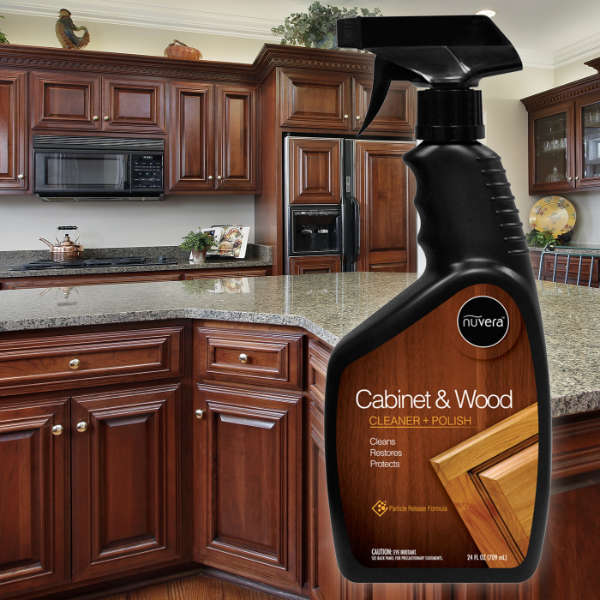
Credit: www.nuveraproducts.com
Common Mistakes To Avoid
Polishing kitchen cabinets is simple, but small mistakes can cause big problems. Here are the top errors to watch out for:
- Using too much water – Excess water can seep into joints, causing swelling or warping, especially in wood and veneer.
- Scrubbing with abrasive pads – Steel wool or rough sponges scratch finishes and make surfaces dull.
- Using the wrong polish – Silicone or oil polishes on laminate can leave a sticky film.
- Skipping rinsing – Leftover soap attracts dirt and makes cabinets look dull.
- Polishing over dirt – Polishing before cleaning traps grime and damages the finish.
- Spraying products directly – This causes drips, streaks, and buildup in corners.
- Ignoring hardware – Dirty handles stand out even on polished doors.
- Not testing new products – Always test on a hidden spot to check for discoloration or damage.
- Using harsh chemicals – Ammonia, bleach, or strong degreasers can strip finishes and discolor paint.
- Forgetting to dry – Moisture left on cabinets, especially under handles, can lead to mold or mildew.
Quick Comparison: Popular Cabinet Polishes
Choosing the right polish can make a big difference. Here’s a simple comparison:
| Polish Name | Best For | Key Ingredients | Pros | Cons |
|---|---|---|---|---|
| Howard Feed-N-Wax | Wood cabinets | Beeswax, orange oil | Deep shine, natural look | Not for laminate |
| Pledge Multi Surface | Painted, laminate | Water-based, silicone | Easy to use, no streaks | Builds up if overused |
| Murphy Oil Soap | Wood, veneer | Plant-based oils | Gentle cleaning, shine | Needs rinsing |
| Weiman Cabinet & Wood Clean & Shine | Wood, veneer | Mineral oil, soap | Protects finish, easy to buff | Not for raw wood |
Always follow the instructions on the bottle, and don’t mix products unless the label says it’s safe.
Diy Cabinet Polishing Solutions
You don’t always need commercial products to get your cabinets shiny. Here are two popular homemade solutions:
Simple Vinegar Solution
- 1 cup water
- 1 cup white vinegar
- 1 tablespoon olive oil
Mix and shake well. Spray onto a cloth (not directly on the cabinet). Wipe, then buff dry. The vinegar cuts grease, and the olive oil adds shine.
Lemon Oil Polish
- 1 cup mineral oil or olive oil
- 1 tablespoon lemon juice
Mix and apply with a cloth. Buff with a dry microfiber cloth. Great for wood cabinets.
Insight: Some people use furniture polish or even car wax, but these can leave residues or react badly with kitchen heat and steam. Stick to food-safe oils for kitchen cabinets.
When To Call A Professional
Sometimes, kitchen cabinets need more than a polish:
- If you see white rings, deep scratches, or cloudy finishes, a professional refinisher can restore the look.
- For sticky, thick grease that won’t come off, pros have stronger cleaners and tools.
- When hardware is very tarnished or doors don’t close properly, a kitchen specialist can help.
Beginner tip: Don’t try to sand or strip cabinets yourself unless you know the material. It’s easy to cause permanent damage, especially with veneer or painted cabinets.
Long-term Maintenance: How To Keep Cabinets Looking Polished
Polishing works best when part of a regular care routine. Follow these tips for long-lasting shine:
- Wipe spills quickly – Sauce, grease, and water can stain or damage finishes if left too long.
- Dust weekly – Use a dry microfiber cloth to keep dust from sticking.
- Deep clean seasonally – Every 3-6 months, do a full clean and polish.
- Check for chips or loose edges – Touch up paint or glue down veneer before it gets worse.
- Use gentle products – Strong cleaners aren’t needed for regular care.
- Keep hardware tight – Loose handles can scratch and collect grime.
- Avoid over-polishing – Too much product builds up and attracts dirt.
Less-known insight: Cooking steam, especially from kettles or pots, can leave a film on cabinets above the stove. Use your exhaust fan to reduce buildup.
Comparing Cabinet Care Methods
Let’s see how polishing compares to other cabinet care methods:
| Method | Best For | Frequency | Pros | Cons |
|---|---|---|---|---|
| Polishing | Wood, veneer, painted | 2-6 times/year | Improves shine, protects finish | Takes time, can build up |
| Deep Cleaning | All materials | 3-4 times/year | Removes grease, resets surface | Labor intensive |
| Quick Wipe Down | All materials | Weekly | Prevents buildup, easy | Doesn’t add shine |
| Refinishing | Damaged wood | Every 5-10 years | Restores like-new look | Expensive, time-consuming |
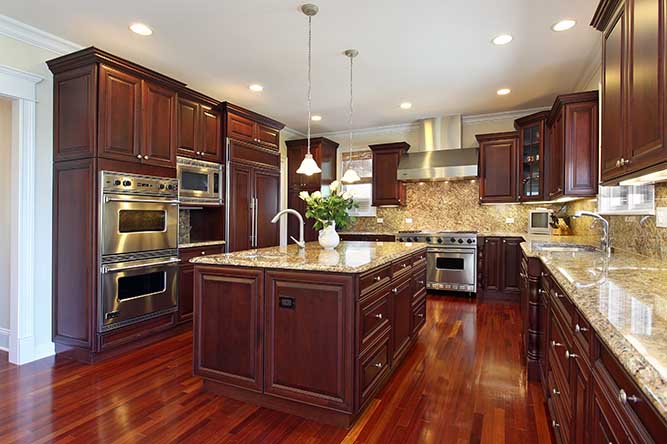
Credit: www.cabinetnow.com
Polishing Cabinets With Glass Inserts Or Special Finishes
Some cabinets have glass panels, metal trim, or specialty finishes like distressed wood. Here’s how to care for them:
- Glass inserts: Clean with glass cleaner or vinegar-water mix. Buff with a lint-free cloth. Avoid spraying near wood to prevent streaks.
- Metal trim: Use a gentle metal polish, but cover nearby wood to prevent stains.
- Distressed or glazed finishes: Wipe gently with a barely damp cloth, then dry. Avoid any polish with color or wax, as it can collect in cracks.
Tip: For cabinets near the stove, check for yellowing or sticky patches on glass and metal. Clean these more often.
Polishing Cabinet Interiors
Cabinet interiors need care too, though not as often as exteriors. Here’s what to do:
- Remove all items and vacuum crumbs.
- Wipe with a damp cloth and mild soap.
- Dry completely before replacing dishes or food.
- For wooden interiors, use a very light coat of food-safe mineral oil.
Don’t use strong polishes or cleaners inside cabinets, especially where food is stored.
Troubleshooting Common Polishing Problems
Even with careful polishing, sometimes things don’t go as planned. Here are fixes for common issues:
- Streaks or cloudiness: Usually from too much product or not enough buffing. Wipe with a dry cloth until clear.
- Sticky surfaces: Caused by overuse of polish or mixing products. Clean with mild soap and water, then rinse and dry.
- White spots: Water damage on wood. Rub gently with mineral oil or a walnut to blend color.
- Dull finish: Old polish buildup. Wash with vinegar and water, then re-polish.
Practical example: If you notice your cabinets always feel sticky after polishing, you’re probably using too much product. Use less next time and buff more.
Eco-friendly And Allergy-safe Polishing
For those sensitive to chemicals or wanting a greener home:
- Use natural oils (olive, coconut) for wood cabinets.
- Skip scented polishes if you have allergies.
- Vinegar and baking soda are good for most surfaces, but always rinse well.
- Choose products labeled “no VOC” (volatile organic compounds) for safer air.
Beginner tip: Sometimes, “natural” doesn’t mean safe for all surfaces. Always check if a product is food-safe, especially for cabinets near dishes or food.
Frequently Asked Questions
How Do I Remove Stubborn Grease From Kitchen Cabinets?
Mix a paste of baking soda and water. Apply to greasy spots, let sit for a few minutes, then wipe with a damp cloth. Rinse and dry. For heavy buildup, repeat as needed, but don’t scrub hard to avoid scratches.
Can I Use Furniture Polish On Kitchen Cabinets?
It depends on the cabinet material. Furniture polish is great for solid wood but can cause build-up or streaks on laminate and painted cabinets. Always test on a small area first.
How Can I Keep Cabinets Shiny Between Polishings?
Wipe cabinets weekly with a dry or slightly damp microfiber cloth. Immediately clean up spills and splatters. Buff with a dry cloth to restore shine, and avoid heavy cooking residue by using your stove’s vent.
Is Waxing Cabinets Better Than Polishing?
Waxing offers longer-lasting protection for wood cabinets but is not needed for most modern finishes. Polishing is quicker and easier for routine care. Don’t use wax on painted, laminate, or thermofoil cabinets.
What Should I Avoid When Polishing Kitchen Cabinets?
Avoid abrasive cleaners, steel wool, and strong chemicals like bleach. Don’t use excess water, and never spray polish directly on the cabinet. Always test new products on a hidden spot.
Taking the time to polish your kitchen cabinets keeps your kitchen looking its best and helps surfaces last longer. With the right method and routine, your cabinets can stay shiny and fresh for years, making your kitchen a space you’re proud to use every day.