
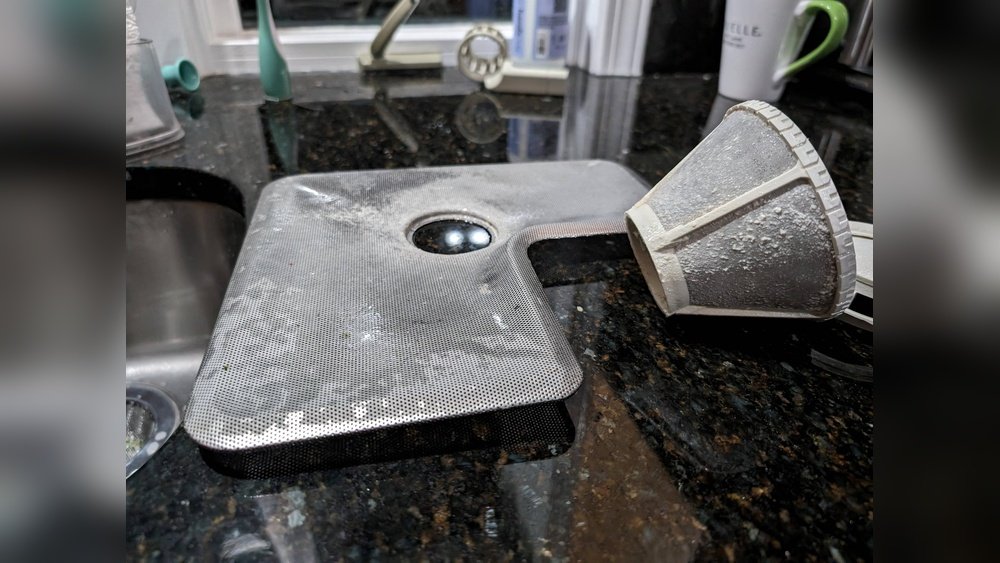
Every time you open your dishwasher after a cycle, you expect sparkling clean plates and glasses. But sometimes, you notice a stubborn white residue left behind. This chalky film can make your dishes look dirty, even if they’re technically clean. It’s frustrating, especially if you have guests coming or need spotless glassware for a special event. The good news? You can remove white residue from your dishwasher and keep it from coming back. All it takes is understanding the causes, choosing the right solutions, and making a few small changes to your routine.
In this guide, you’ll learn exactly why white residue forms, the best ways to clean it, and how to prevent it in the future. You’ll also find practical tips, examples, and answers to common questions. Whether you’re dealing with cloudy glasses, white streaks on plates, or a chalky buildup inside your machine, this article will help you get your dishwasher—and your dishes—truly clean again.
What Causes White Residue In Dishwashers?
The first step to fixing any problem is understanding it. White residue in dishwashers usually comes from one or more of these reasons:
- Hard Water: Most often, the white film is caused by minerals like calcium and magnesium found in hard water. When water dries on dishes, these minerals are left behind, creating a chalky look. This can be more noticeable on glassware and shiny utensils, where even a small amount of residue stands out.
- Detergent Issues: Using too much detergent, using poor-quality detergent, or not using the right detergent for your water type can lead to residue. Some detergents don’t dissolve well, especially in cold water or short cycles. Powder detergents, for example, can clump and stick to dishes if not enough water is present.
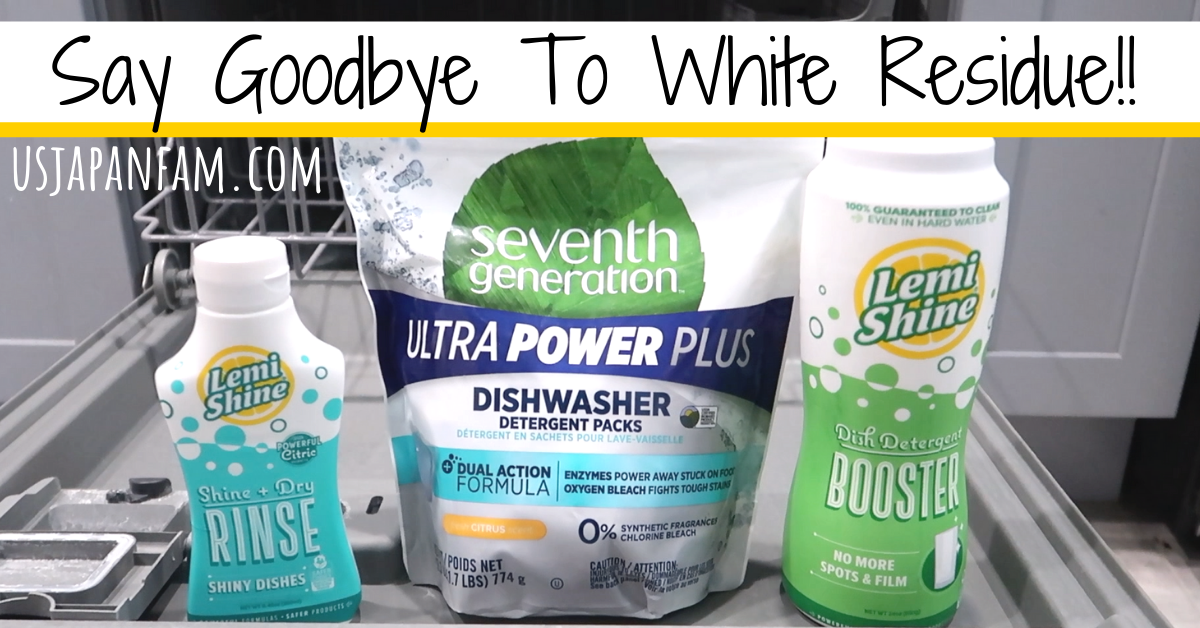
- Rinse Aid Problems: Rinse aids help water slide off dishes, preventing spots and film. If you skip rinse aid or your dispenser is broken, you may see more residue. Sometimes, even if you add rinse aid, the compartment can get clogged and not release the right amount.
- Dishwasher Maintenance: A dirty or clogged dishwasher can’t rinse properly. Food particles, soap scum, or scale buildup on spray arms and filters can make the problem worse. Over time, even a thin layer of buildup can affect water flow and cleaning power.
- Low Water Temperature: If your water isn’t hot enough, detergent won’t dissolve fully, and minerals won’t rinse away. This leaves a cloudy film. If you have an older water heater or your dishwasher is far from the heater, water may cool down before reaching the machine.
- Salt Issues (for some models): Some dishwashers, especially European models, have a built-in water softener that uses salt. If the salt is low or the settings are wrong, you can get white marks. Remember, regular table salt is not the same as dishwasher salt and won’t work properly.
Non-obvious insight #1: If you recently switched to a phosphate-free detergent (now common in the US and EU), you may see more white residue. Phosphates used to help prevent mineral buildup, but they’re now banned for environmental reasons. If you move to a new area with harder water, this change can become very noticeable.
How To Identify The Type Of White Residue
Not all white films are the same. You need to know what you’re dealing with to choose the right solution.
Mineral Film Vs. Soap Scum
- Mineral film (from hard water) feels chalky or gritty and is hardest to remove. You might even hear a slight “squeak” when you rub your finger across it.
- Soap scum (from detergent or rinse aid issues) is more filmy and can sometimes feel greasy. This film often appears streaky or blotchy, especially if you use too much detergent.
Try rubbing a spot with vinegar. If it comes off easily, it’s probably minerals. If not, it could be soap scum or even etching (permanent damage from too-strong detergent).
Some people confuse etching (which looks like a white haze but is actually tiny scratches in the glass) with residue. Etching cannot be removed, so it’s important to test carefully.
Quick Test Table
Use this simple test to identify your residue:
| Test | Result | Residue Type |
|---|---|---|
| Wipe with vinegar | Comes off | Mineral deposit |
| Wipe with vinegar | Doesn’t come off | Soap scum/Etching |
| Rinse under hot water | Film disappears | Soap scum |
| Rinse under hot water | Film remains | Mineral deposit |
Non-obvious insight #2: If you see a blue-ish or rainbow film, it’s likely from too much detergent, not minerals. This can happen when dishwasher pods are used with soft water.
Credit: www.usjapanfam.com
Step-by-step: How To Remove White Residue From Your Dishwasher
Ready to get rid of that annoying white film? Here’s a clear process anyone can follow. You’ll need a few basic supplies, most of which you probably have at home.
1. Clean The Dishwasher Interior
First, remove any visible buildup inside your dishwasher.
- Take out racks and utensil holders.
- Wipe down the inside with a damp cloth and mild dish soap.
- Pay special attention to the door edges, corners, and the bottom.
Don’t forget the door gasket (rubber seal), as buildup here can lead to odors and even leaks.
2. Clean The Filter
Many people forget the dishwasher filter traps food, grease, and mineral bits. A clogged filter means dirty water keeps recirculating.
- Look for the filter at the bottom of the dishwasher (check your manual for the exact location).
- Twist and lift it out.
- Rinse under hot water and scrub gently with a soft brush.
- Replace when clean.
If you cook greasy or starchy foods often, clean the filter more frequently. A clean filter not only prevents residue but also helps dishes dry better.
3. Unclog Spray Arms
If spray arms are blocked, water can’t reach every dish.
- Remove spray arms (most twist or snap off).
- Check holes for debris or mineral buildup.
- Use a toothpick or small brush to clear holes.
- Rinse and put back.
Sometimes a small piece of rice, pasta, or even a toothpick can block a spray arm hole. Blocked spray arms are a top reason for uneven cleaning.
4. Run A Vinegar Wash
White vinegar dissolves mineral deposits.
- Place a cup of plain white vinegar in a dishwasher-safe bowl on the top rack.
- Run a hot water cycle (no detergent, no dishes).
- Wipe the inside when done.
For heavy buildup, stop the cycle midway and let the vinegar sit for 20 minutes before finishing. This gives vinegar more time to act on tough deposits.
5. Use Baking Soda For Odors And Extra Cleaning
For lingering smells or film:
- Sprinkle one cup of baking soda across the bottom.
- Run a short, hot cycle (no dishes).
- Baking soda helps deodorize and gently scrub away residue.
For stubborn stains, make a paste of baking soda and water and scrub with a sponge before running the cycle.
6. Check The Water Temperature
Most detergents need water at least 120°F (49°C). If it’s colder, minerals won’t dissolve.
- Run your kitchen sink hot for 1-2 minutes before starting the dishwasher.
- Test water temperature with a meat or candy thermometer. Adjust your water heater if needed.
If you live in a cold climate, insulated pipes or a point-of-use water heater can help keep water hot all year.
7. Refill Rinse Aid
Rinse aid helps water slide off dishes, preventing spots.
- Open the rinse aid compartment (usually near the detergent cup).
- Fill with a good-quality rinse aid.
- Wipe any spills to prevent foaming.
If you run out of rinse aid often, check for leaks or blockages in the compartment. Some people use vinegar as a rinse aid—this works for some, but may not be as effective as commercial products.
8. Adjust Detergent Use
- Use only the recommended amount. More detergent often causes more residue, not less.
- If you have soft water, use less detergent.
- Try switching to a high-quality, modern detergent pod or gel.
Experiment with different brands if you notice a sudden problem. Sometimes, dishwasher performance changes with water supply or detergent formulas.
9. Address Hard Water With A Softener
If hard water is the main issue, consider these options:
- Add a dishwasher water softener (if your model supports it).
- Use a detergent designed for hard water.
- In very hard water areas, you might need a whole-house water softener.
Some dishwashers have a built-in compartment for dishwasher salt. Always use the correct salt—regular table salt can damage the softener.
10. Regular Maintenance
- Clean filters and spray arms monthly.
- Run a vinegar wash every 1-2 months.
- Check the rinse aid compartment regularly.
A little effort now saves time and money later. Regular cleaning helps your dishwasher last longer and lowers repair bills.
How To Prevent White Residue From Returning
Solving the problem once is great, but keeping your dishes spotless every time is even better. Here’s what you can do:
Use The Right Detergent For Your Water
Different detergents work better in different water types. Check the label for hard water compatibility if you live in a hard water area. Gel detergents often dissolve better in cold water, while powder is best for hot cycles.
Don’t Overload The Dishwasher
Crowded racks block water flow, leaving detergent and minerals behind. Always give dishes space.
Place larger items on the sides and avoid stacking bowls or cups. Make sure nothing blocks the spray arms from turning.
Use Hot Water Cycles
Short, cold cycles may save energy but are less effective at preventing residue. Use the normal or heavy cycle with hot water for best results.
For lightly soiled dishes, a quick cycle is fine, but for everyday loads, a full hot cycle prevents buildup.
Always Use Rinse Aid
Even if your detergent says it has “rinse aid action,” a separate rinse aid works better. It’s especially important in hard water areas.
Check your rinse aid level every few weeks. Some models have a viewing window to make this easy.
Clean Regularly
Monthly cleaning prevents buildup. Don’t wait for a problem to start maintenance.
Set a reminder on your phone or calendar so you don’t forget. Clean dishwashers work faster and save energy.
Check For Salt (if Your Dishwasher Uses It)
Some European models have a salt compartment for water softening. Keep it filled and set to the right level for your water hardness.
If you move to a new house, check if your dishwasher has this feature. Using the wrong salt or skipping this step can quickly lead to white film.

Credit: www.reddit.com
Comparing Solutions: What Works Best?
Different methods solve white residue for different causes. Here’s a side-by-side look at the most common solutions.
| Method | Best For | How Often | Extra Effort |
|---|---|---|---|
| Vinegar wash | Mineral deposits | Monthly | Low |
| Baking soda cycle | Odors, light film | Monthly | Low |
| Water softener | Very hard water | Always | High (install) |
| Check detergent/rinse aid | Soap scum, minor residue | Every load | Low |
| Clean spray arms/filter | All residue types | Monthly | Medium |
If you’re not sure what’s causing your residue, start with a vinegar wash and filter cleaning. These solve most common problems and don’t require special tools.
Common Mistakes To Avoid
Even well-meaning cleaning can go wrong. Avoid these problems:
- Using too much detergent: More soap doesn’t mean cleaner dishes. It can create more film.
- Skipping rinse aid: Water can’t sheet off, and minerals stay behind.
- Running only cold or short cycles: These don’t fully dissolve detergent or rinse minerals.
- Ignoring maintenance: Filters and spray arms need cleaning. Neglect leads to buildup.
- Not checking water hardness: Using the wrong detergent or settings for your water type can make things worse.
Another common mistake: using regular dish soap in the dishwasher. This creates foam and leaves a sticky film that is difficult to remove.
When To Call A Professional
Most white residue issues are easy to fix yourself. But sometimes, the problem is bigger:
- If you see standing water in the bottom after cycles.
- If the machine smells bad even after cleaning.
- If white film returns right after cleaning, despite trying all the steps.
- If your dishwasher is more than 8-10 years old and never had maintenance.
In these cases, a plumber or appliance repair expert can check for hidden blockages, broken parts, or water supply issues.
A pro can also check for problems with your water inlet valve, heating element, or control board—all of which can affect cleaning but are hard to diagnose without training.
Why White Residue Is Worse In Some Areas
You might wonder, “Why do my friends have spotless dishes but I get a white film?” The answer is usually local water hardness.
Water Hardness Map Example
According to the US Geological Survey, over 85% of the United States has hard water. Some areas, like the Midwest and Southwest, have extremely hard water. This means dishwashers in these areas are more likely to develop mineral residue.
Use your zip code to check your local water quality on your city’s water department website. If you’re in a hard water zone, you’ll need to be extra careful with cleaning and detergent choices.
If you move to a new city or country, check water hardness immediately. Your old detergent and habits may not work the same way.

Credit: diy.stackexchange.com
Practical Tips For Spotless Dishes Every Time
Here’s what experienced homeowners and appliance techs do:
- Run the hot water tap before starting the dishwasher, so the first fill is hot. This helps detergent dissolve and boosts cleaning.
- Face dirty sides inward. This ensures spray arms can reach stuck-on food.
- Don’t pre-rinse too much: Modern detergents need some food soil to activate. Over-rinsing can lead to cloudy film.
- Test with a different detergent if you notice new white residue after a brand switch.
- Use citric acid cleaner every few months to remove heavy scale (especially in hard water areas).
Also, always check for “nesting” (when bowls or cups stack inside each other) because water and detergent can’t reach every surface.
Sample Dishwasher Cleaning Schedule
To keep your dishwasher running like new, try this schedule:
| Task | Frequency |
|---|---|
| Wipe interior and gasket | Every week |
| Clean filter | Monthly |
| Vinegar wash | Monthly |
| Check spray arms | Quarterly |
| Refill rinse aid | As needed |
| Deep clean with citric acid | Every 3-6 months |
If you use your dishwasher daily, consider deep cleaning more often, especially if you live in a hard water area or cook for a large family.
The Environmental Side: Why The Problem Is Growing
You might have noticed more white residue in recent years. That’s not your imagination.
Phosphates, once common in detergents, were very effective at removing minerals. But they also harmed rivers and lakes, so they were banned in most countries. Modern detergents are safer but less effective at preventing white film, especially in hard water.
That means regular maintenance and smart detergent choices are more important than ever.
For more on water hardness and environmental changes in detergents, see this USGS overview of hard water.
If you’re concerned about the environment, look for eco-friendly detergents with the EU Ecolabel or EPA Safer Choice mark. These often balance cleaning power with lower environmental impact, but you may still need to adjust your routine for best results.
Frequently Asked Questions
Why Do My Glasses Come Out Cloudy Even After Cleaning?
Cloudy glasses are usually a sign of mineral deposits from hard water. If vinegar removes the cloudiness, it’s a mineral problem. If not, it may be etching from too-strong detergent or too hot water, which is permanent.
To avoid etching, always follow detergent guidelines and avoid running dishes through multiple cycles in a row.
Can I Use Lemon Juice Instead Of Vinegar?
Yes, lemon juice also helps dissolve minerals and removes odors. Use about one cup of lemon juice in the top rack, just like vinegar. However, vinegar is usually stronger and less expensive.
Lemon juice also leaves a fresh scent, but it may not be as effective for heavy calcium deposits.
Is White Residue Harmful If I Eat Off These Dishes?
White residue is not dangerous—it’s usually just minerals or leftover soap. However, it can make food taste odd and make your dishes look dirty. Always remove visible residue before using dishes.
If you have sensitive skin or allergies, washing off soap residue is especially important.
How Do I Know If My Water Is Hard?
You can buy a hardness test kit online or from a hardware store. You can also call your local water supplier for a report. If you see white spots on faucets, showerheads, or glassware, that’s a good sign you have hard water.
Some dishwashers show an error code for hard water or remind you to refill dishwasher salt—check your manual for details.
Should I Use Dishwasher Cleaner Products?
Dishwasher cleaners are useful for deep cleaning and removing heavy buildup. They are not a substitute for regular maintenance but can help if you have persistent residue or odors.
Look for cleaners with citric acid or enzymes for best results. Always follow manufacturer instructions and run an empty cycle when using these products.
White residue in your dishwasher isn’t just annoying—it’s a sign that your routine needs a little adjustment. With the right cleaning steps and a few simple habits, you can get back to sparkling dishes and a reliable dishwasher. A little monthly maintenance goes a long way, and understanding your water quality is the key to picking the right solutions.
Now you’re ready to say goodbye to white residue for good and enjoy a cleaner kitchen every day.