
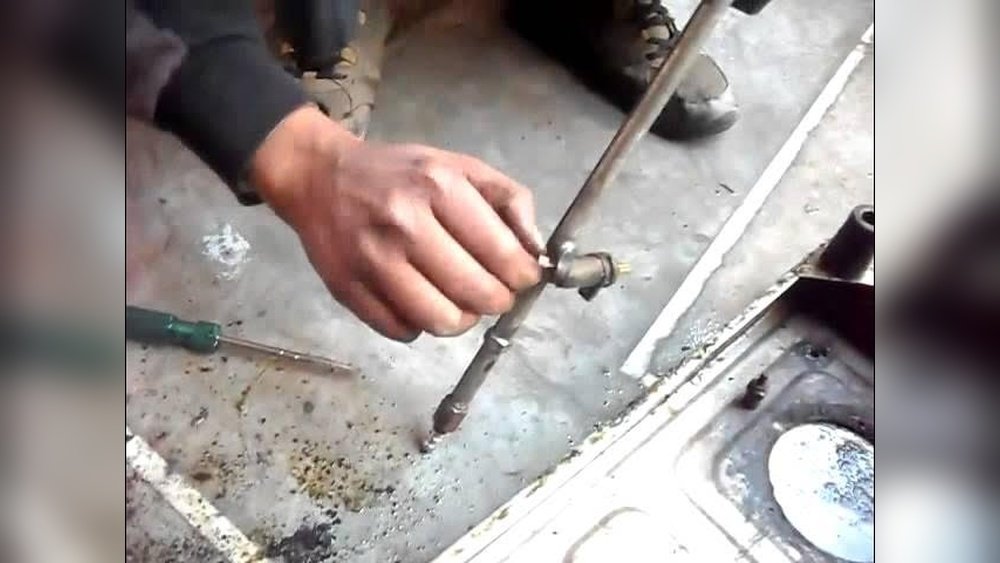
Cleaning your gas stove pipe is one of those chores people often avoid, but it’s essential if you want a safe, efficient kitchen. Over time, food particles, grease, and dust can build up inside the pipe, causing poor flame, clogging, or even dangerous gas leaks.
Many people clean the stove burners and surface but forget about the pipe itself. That’s a mistake you don’t want to make. A clean gas stove pipe keeps your cooking safe, your gas bills low, and your meals tasting great.
In this detailed guide, you’ll learn not just the steps, but also the why, the what, and the smart tips that make the process easy and effective—even if you’ve never done it before.
Why Clean Your Gas Stove Pipe?
A gas stove pipe is the channel that delivers gas from the supply to your burners. If it’s dirty or blocked, your stove won’t work well. In the worst cases, it can lead to gas leaks, which are a serious safety hazard.
Regular cleaning helps:
- Prevent gas leaks: Grease and debris can damage seals or connections, allowing gas to escape.
- Maintain flame quality: A blocked pipe causes weak or yellow flames, which means less heat and more soot.
- Extend stove life: Dirt and corrosion make the pipe wear out faster, leading to costly repairs.
- Save money: Clean pipes use less gas for the same amount of heat, reducing your bill.
One non-obvious insight: A slightly dirty pipe may not look dangerous, but even small blockages can lead to uneven gas flow and hot spots, which ruin your cookware over time.
Signs Your Gas Stove Pipe Needs Cleaning
You might not see the inside of the pipe, but your stove will give you clues.
- Uneven flame: If one side of the burner is higher, the pipe may be partly blocked.
- Yellow or orange flame: This means incomplete combustion, often due to dirt or grease.
- Gas smell: Smelling gas when the stove is off can mean a leak—clean the pipe and check for damage.
- Sooty pots and pans: Extra soot means the gas isn’t burning cleanly.
- Noisy flame: A hissing or popping sound means something is blocking the flow.
If you notice any of these, don’t wait—clean your pipe as soon as possible.
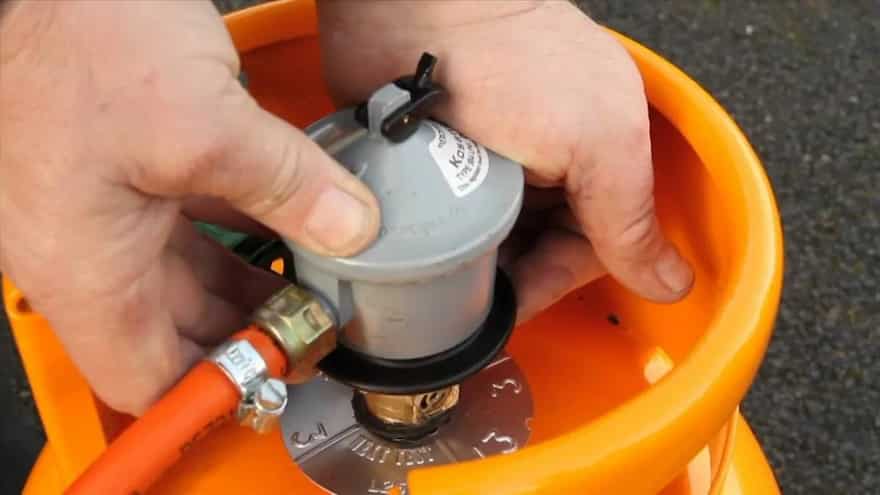
Credit: www.slurrp.com
Tools And Materials You’ll Need
Cleaning a gas stove pipe doesn’t require fancy gear, but using the right tools makes the job faster and safer.
Essential Tools
- Adjustable wrench: For loosening pipe fittings.
- Long flexible brush: A pipe cleaning brush or bottle brush (at least as long as the pipe).
- Old toothbrush: For cleaning threads and connections.
- Soft cloths or rags: For wiping off grease.
- Bucket: For soaking parts.
- Mild dish soap: Cuts through grease without damaging metal.
- Warm water: For soaking and cleaning.
- Small wire or pipe cleaner: For stubborn blockages.
- Protective gloves: Keeps your hands safe from sharp edges and chemicals.
- Flashlight: For inspecting inside the pipe.
Optional But Helpful
- Compressed air can: Blows out loose debris.
- Vinegar or baking soda: Natural cleaners for tough grime.
- WD-40 or similar spray: Helps loosen rust or stuck connections.
- Teflon tape: For resealing threaded joints after cleaning.
A helpful tip: Never use strong acids or metal scrapers inside the pipe. They can damage the metal and cause leaks.
Safety Precautions Before You Start
Safety is the number one priority when working with gas appliances.
- Turn off the main gas supply before you do anything. Don’t just turn off the stove knob—find the main valve and close it.
- Ventilate the area. Open windows and doors to let any leftover gas escape.
- Do not smoke or use open flames nearby.
- Wear gloves and eye protection if you’re using cleaners or working in tight spaces.
- Double-check for leaks when you’re done. Use soapy water on joints—if bubbles form, you have a leak.
One thing beginners often miss: Even with the gas off, there can be a little pressure in the pipe, so loosen fittings slowly.

Credit: diy.stackexchange.com
How To Remove The Gas Stove Pipe
Before cleaning, you need to take the pipe off the stove and gas supply. Here’s how to do it the right way.
- Turn off all gas valves. Both on the stove and at the main supply.
- Unplug the stove if it has electric ignition.
- Locate the pipe connections. Usually at the back of the stove.
- Use your adjustable wrench to loosen the nuts holding the pipe. Hold the pipe steady to avoid bending it.
- Gently pull the pipe free from both ends. If it’s stuck, wiggle it slightly, but don’t force it.
- Inspect the pipe for cracks, rust, or damage. If you see any, replace it instead of cleaning.
A pro tip: Take pictures of each connection before you remove them. This makes reassembly much easier.
Step-by-step Guide: Cleaning The Gas Stove Pipe
Now you’re ready for the main event. Here’s the process that works for almost any home kitchen gas stove.
1. Pre-soak The Pipe
Fill your bucket with warm soapy water (a few drops of dish soap is enough). Submerge the pipe for 15-30 minutes to loosen grease and dirt. If the pipe is too long, soak one end at a time.
2. Scrub The Inside
After soaking, use a long flexible brush to scrub inside the pipe. Push the brush through several times, turning it to get all sides. If you hit a tough spot, use a pipe cleaner or a piece of wire to break it up.
3. Clean The Outside
Use a rag or old toothbrush with soapy water to clean the outside, especially near threads and connections where grease tends to build up.
4. Rinse Thoroughly
Run clean water through the pipe, flushing out loosened dirt. Repeat until the water comes out clear. If possible, use a compressed air can to blow out any leftover water and debris.
5. Spot Clean With Vinegar Or Baking Soda
If you see stubborn spots or light rust, fill the pipe with a mix of vinegar and baking soda (equal parts), let it fizz for 10 minutes, then scrub and rinse again. This natural solution is safe and effective.
6. Dry Completely
Wipe the outside with a dry cloth. Let the inside air-dry or use a hair dryer on cool setting. Do not reattach a wet pipe—moisture can cause rust and affect gas flow.
7. Inspect Seals And Threads
Check all rubber seals, threads, and washers. Replace any worn or cracked parts. Wrap threads with fresh Teflon tape for a tight seal.
8. Clean Burner Entry Points
While the pipe is off, use your brush and compressed air to clean where the pipe connects to the burner and the main supply. Dirt here can block gas before it even reaches the pipe.
9. Reattach The Pipe
Carefully reconnect the pipe to the stove and main supply. Tighten with your wrench, but don’t overtighten or you may strip threads.
10. Test For Leaks
Turn the gas back on and use soapy water around all joints. If you see bubbles, turn off the gas and retighten. No bubbles means you’re safe.
A common mistake: Rushing the drying step. Even a little water inside the pipe can cause rust or block gas flow.
How Often Should You Clean The Gas Stove Pipe?
For most homes, cleaning every 3-6 months is enough. If you cook with a lot of oil or your kitchen is dusty, aim for every 3 months. You should also clean after any kitchen renovation or pest problem, since debris can get inside the pipe.
If you notice flame problems, sooty cookware, or gas smell between cleanings, check the pipe immediately.
Professional Vs. Diy Cleaning
Some people wonder if they should call a professional or do it themselves. Here’s a quick comparison to help you decide:
| Factor | DIY Cleaning | Professional Cleaning |
|---|---|---|
| Cost | Low (just tools and materials) | High ($50-$150 per visit) |
| Time | 1-2 hours | 30-60 minutes |
| Skill Needed | Basic handyman skills | Expert knowledge |
| Result | Good (with care) | Excellent (thorough) |
| Safety | Safe if instructions followed | Very safe |
If you’re not comfortable working with gas, or if your pipe is very dirty or damaged, call a pro. For regular maintenance, most people can do it themselves.
Common Mistakes To Avoid
Even careful people make mistakes when cleaning gas stove pipes. Here are some you should avoid:
- Not turning off the main gas supply: This is dangerous and can lead to leaks.
- Using harsh chemicals: Strong acids or bleach can corrode the pipe.
- Skipping the drying step: Water inside the pipe is bad news for rust and gas flow.
- Forgetting to check seals: Old or damaged washers can cause leaks after reassembly.
- Over-tightening connections: This can strip threads and make leaks more likely.
- Not testing for leaks: Always do the soapy water test after reattaching the pipe.
A non-obvious insight: Many leaks happen at the connection, not in the pipe body itself. Always pay extra attention to where the pipe joins the stove and the supply.
How To Deal With Tough Blockages
Sometimes, debris or grease is stuck so hard that soaking and brushing don’t work. Here’s what you can do:
- Use a flexible wire: Twist a long, thin wire through the pipe to break up stubborn grime. Pull it back and forth gently.
- Try compressed air: Blast air through the pipe to push out dirt.
- Soak overnight: For heavy grease, soak the pipe in warm soapy water overnight, then try again.
- Repeat the process: Clean, rinse, and brush several times if needed.
If nothing works, or if the pipe is rusty or thin, it’s safer to replace it than risk a gas leak.
Keeping Your Gas Stove Pipe Clean Longer
A little prevention saves a lot of cleaning. Here’s how to keep your pipe clean for months:
- Wipe spills quickly: Don’t let oil or food drip down behind the stove.
- Use a stove cover: Covers catch crumbs and grease before they reach the pipe.
- Check for pests: Rodents or insects sometimes block pipes with nesting material.
- Clean burners regularly: Dirt in burners can fall into the pipe.
- Schedule a reminder: Mark your calendar every few months to check and clean the pipe.
A helpful insight: If you have frequent blockages, check your gas quality. Some types of gas (like unfiltered LPG) contain more impurities that build up in pipes.
When To Replace Your Gas Stove Pipe
Cleaning is good, but sometimes you need a new pipe. Replace your pipe if you see:
- Rust or corrosion: Even a little can weaken the pipe.
- Cracks or dents: Any damage means the pipe isn’t safe.
- Persistent leaks: If leaks don’t stop after tightening or changing washers, get a new pipe.
- Strange smells or noises: These can mean the pipe is damaged inside.
Using an old or damaged pipe is dangerous. New pipes are inexpensive and much safer.
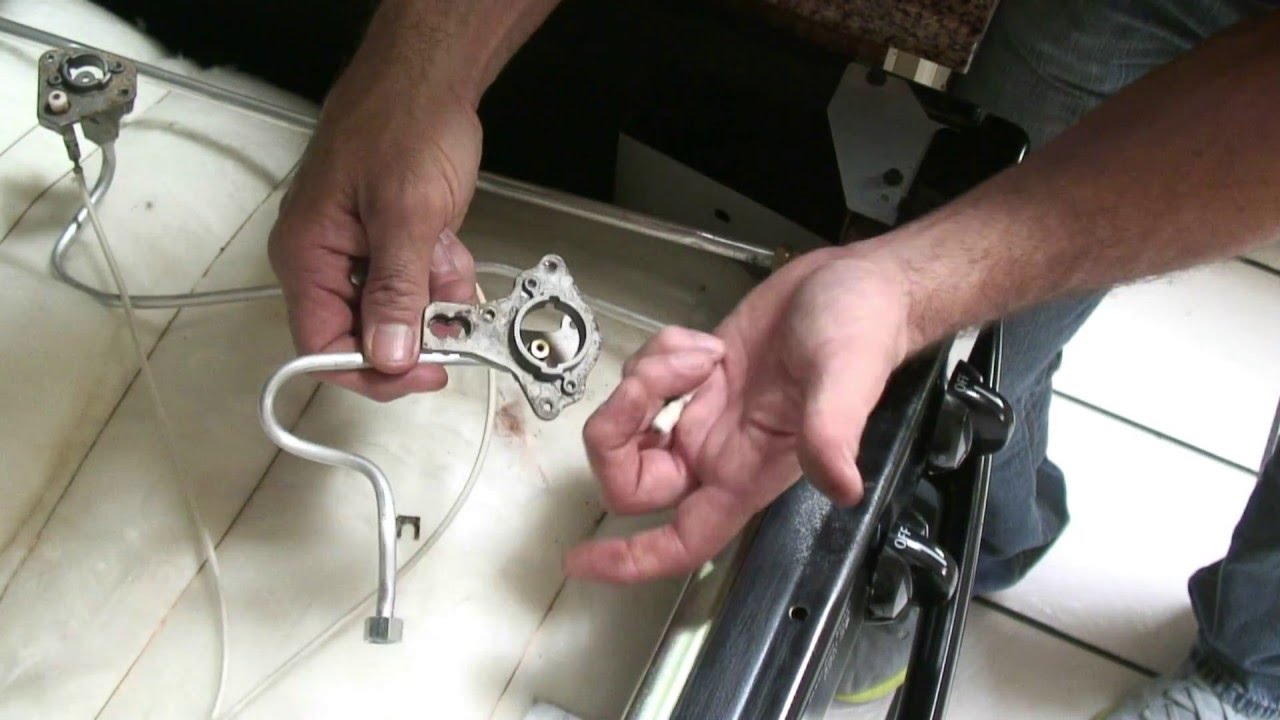
Credit: www.youtube.com
Types Of Gas Stove Pipes And Cleaning Differences
Not all pipes are the same. Here’s a quick look at common types and how cleaning may differ:
| Pipe Type | Common Materials | Cleaning Notes |
|---|---|---|
| Flexible Hose | Rubber, stainless steel braid | Don’t soak for long; check for cracks |
| Rigid Pipe | Copper, steel | Safe to soak and brush; check for rust |
| Corrugated Pipe | Aluminum, flexible steel | Use soft brush; don’t force wire through bends |
Always follow the cleaning method that matches your pipe’s material and design. If you’re not sure what type you have, check your stove’s manual or ask a professional.
Eco-friendly Cleaning Options
If you want to avoid chemicals, you can use baking soda and vinegar. Here’s how:
- Mix equal parts baking soda and water to make a paste. Rub it inside and outside the pipe.
- Pour vinegar through the pipe. It will fizz and break up grime.
- Rinse well with warm water.
These methods are safe for most pipes and the environment, but always dry the pipe fully afterward.
What To Do If You Smell Gas After Cleaning
If you notice a gas smell after cleaning:
- Turn off the gas supply immediately.
- Open windows and doors.
- Check all connections for tightness.
- Test with soapy water—look for bubbles.
- If you can’t find the leak, call your gas company or a professional right away.
Never ignore a gas smell. Safety first, always.
Troubleshooting: Problems After Cleaning
Sometimes, you clean the pipe but the stove still doesn’t work right. Here’s what to check:
- Weak flame: Make sure the pipe is dry and all connections are tight.
- No flame: Check that the pipe is connected correctly, and the gas is on.
- Strange noises: May mean a loose connection—retighten and test for leaks.
- Flame goes out: Could be air in the pipe—let the gas run for a few seconds (with a window open) to clear it.
If you’re still having trouble, you may need to clean the burner heads or call a technician.
Real-world Example: Cleaning A Gas Stove Pipe In An Apartment Kitchen
Maria lives in a small apartment in New York and cooks daily. She noticed her gas stove flame was weak and yellow, and pots were getting sooty. She decided to clean her stove pipe herself. After turning off the gas and removing the pipe, she found it was greasy and partly blocked.
Soaking and brushing worked for most of the debris, but some grease needed an overnight soak with baking soda and vinegar. After drying, she reassembled everything, tested for leaks, and had a strong blue flame again.
Maria’s advice: “Take your time, and don’t skip the leak test. It’s simple, but it makes a huge difference.”
Cost And Time Estimates For Cleaning
You don’t need to spend a lot to clean your gas stove pipe. Here’s a quick breakdown:
| Item | Approximate Cost | How Often to Replace |
|---|---|---|
| Brush & cleaning tools | $10 – $20 | Every 2-3 years |
| Soap & vinegar/baking soda | $2 – $5 | As needed |
| Replacement pipe | $10 – $30 | Every 3-5 years or as needed |
| Professional cleaning | $50 – $150 | As needed |
Time: Most cleanings take 1-2 hours, including drying and reassembly.
Where To Find Help And More Information
If you’re not sure about any step, check your stove’s manual for diagrams and safety warnings. Many gas companies also offer free safety advice and inspections. For more technical information on gas safety and standards, visit the Consumer Product Safety Commission website.
Frequently Asked Questions
How Do I Know If My Gas Stove Pipe Is Blocked?
If you notice a weak flame, yellow or orange color, or hear strange noises, your pipe may be blocked. A persistent gas smell can also mean a blockage or leak.
Can I Use Bleach To Clean My Gas Stove Pipe?
It’s not recommended. Bleach can corrode the metal and damage seals. Use mild dish soap, baking soda, or vinegar instead.
How Do I Check For Gas Leaks After Cleaning?
Mix a little dish soap with water and brush it on the pipe joints. If bubbles appear when the gas is turned on, there’s a leak—tighten the connection or call a professional.
How Often Should I Clean My Gas Stove Pipe?
For most homes, clean every 3-6 months. If you cook often with oil, or see signs of blockage, clean more often.
What Should I Do If I Can’t Remove A Tough Blockage?
Try soaking, using a flexible wire, or compressed air. If it’s still blocked after several tries, it’s safer to replace the pipe.
Keeping your gas stove pipe clean isn’t just about a better cooking experience—it’s about safety and peace of mind. With the right tools and careful steps, anyone can do it. Take your time, follow each instruction, and enjoy a clean, safe kitchen for years to come.