
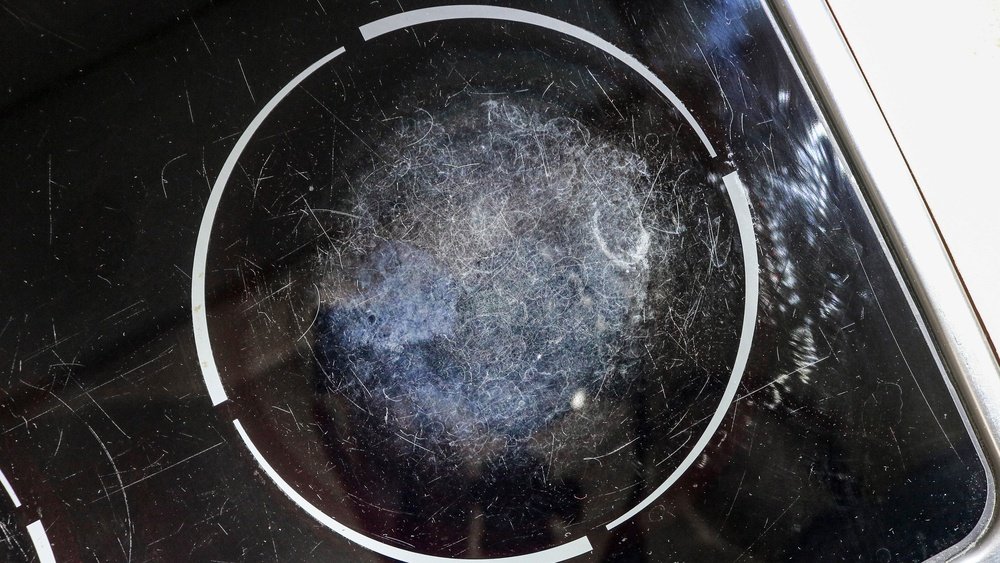
Induction cooktops are a popular choice in modern kitchens for their fast heating, energy efficiency, and sleek glass surfaces. But while these appliances make cooking easier, their smooth ceramic glass tops are more delicate than they look. Even small scratches can ruin the appearance and, over time, affect performance. If you want your induction cooktop to look new and work perfectly for years, protecting it from scratches is essential. Many people are surprised by how easily scratches happen—from sliding pots, using the wrong cleaning tools, or even small grains of salt under a pan. The good news is, you can avoid most damage with simple habits and a bit of know-how. This guide will help you understand exactly how to protect your induction cooktop from scratches, sharing expert tips, practical advice, and common mistakes to avoid.
Why Induction Cooktops Scratch Easily
Induction cooktops are made with ceramic glass, which is chosen for its ability to transfer heat efficiently. However, this material is not as hard as it seems. Even though it can withstand heat and rapid temperature changes, it is more prone to scratches than traditional steel stoves or gas burners.
Scratches can come from:
- Grit and crumbs trapped under cookware
- Rough-bottomed pots and pans
- Dragging heavy items across the surface
- Cleaning with abrasive pads or powders
Unlike deeper cracks, scratches are usually cosmetic at first. But over time, they can harbor dirt, affect heating efficiency, and make your cooktop look old and dirty.
Understanding The Value Of A Pristine Induction Cooktop
A well-maintained induction cooktop is not just about appearance. There are real benefits to keeping the surface scratch-free:
- Better heat transfer: Scratches and pits can create uneven surfaces, affecting how heat moves into your cookware.
- Longer lifespan: A scratched surface can weaken over time, possibly leading to cracks.
- Easier cleaning: Smooth, unscratched surfaces are much easier to clean.
- Resale value: If you ever move or sell your appliances, a clean cooktop adds value.
Many users don’t realize that even small scratches can lead to bigger problems if they are ignored. Prevention is always easier (and cheaper) than repair.
Everyday Habits To Prevent Scratches
Most scratches happen during daily use. Adopting smart habits can make a big difference.
- Lift, Don’t Slide: Always lift your pots and pans when moving them on the cooktop. Sliding even a clean pan can trap grit and cause scratches.
- Clean the Surface Before Cooking: Wipe the cooktop with a soft cloth before placing any cookware. Even a few grains of sugar or salt can act like sandpaper under a heavy pan.
- Choose the Right Cookware: Induction cooktops require magnetic pans, but the bottom material and finish also matter. Flat, smooth-bottomed pans are safest.
- Avoid Heavy Impacts: Dropping a pan or a heavy utensil can chip or scratch the glass. Handle cookware gently.
- Store Items Safely: Keep jars, utensils, and other kitchen items away from the cooktop to avoid accidental knocks or slides.
- Keep the Cooktop Dry: Water spots can attract dust, which can scratch the surface when rubbed.
Many people forget the importance of wiping both the cooktop and the bottom of their pans before every use. This simple step can prevent most fine scratches.
Choosing The Best Cookware For Induction Cooktops
Cookware choice is one of the most overlooked factors in cooktop protection. Not all induction-compatible pans are equally safe for glass surfaces.
Key Cookware Features To Look For
- Smooth, flat bottoms: The base of your pan should be free from ridges, burrs, or rough patches. Uneven bottoms can scratch and also cause poor heating.
- Magnetic stainless steel or enameled iron: These materials are compatible and less likely to scratch than plain cast iron or stoneware.
- Avoid warped or bent pans: Warped cookware can rock, causing repeated friction and scratching.
Cookware Materials Comparison
Below is a comparison of common cookware materials and their effects on induction cooktops:
| Material | Induction Compatibility | Scratch Risk | Notes |
|---|---|---|---|
| Stainless Steel | Yes (if magnetic) | Low | Choose smooth-bottomed pans |
| Cast Iron | Yes | High | Heavy, rough; use with caution |
| Enameled Iron | Yes | Medium | Safer if enamel is smooth |
| Aluminum | No (unless bonded) | Low | Not always induction-compatible |
| Ceramic/Glass | No | High | Should be avoided |
Non-obvious tip: Even induction-compatible pans can develop rough spots over time. Check the bottoms of your pans regularly and replace or smooth out any that feel gritty.
Safe Cleaning Methods For Induction Cooktops
Cleaning is an area where many users accidentally scratch their cooktop. Using the right tools and techniques can keep your cooktop spotless and safe.
Step-by-step Safe Cleaning
- Wait for the Cooktop to Cool: Cleaning a hot surface can cause burns or damage.
- Wipe Away Loose Debris: Use a soft, damp cloth to remove crumbs and dust.
- Use a Mild Cleaner: Choose a cleaner designed for glass cooktops, or mix a little vinegar with water.
- Gently Scrub Stubborn Stains: Use a non-abrasive sponge or a soft microfiber cloth. Never use steel wool or scouring pads.
- Dry with a Soft Towel: Prevent water spots and streaks.
Tools To Avoid
Some cleaning tools can cause instant scratches or micro-abrasions, including:
- Steel wool
- Abrasive pads
- Powdered cleaners with grit
- Sharp scrapers (unless designed for glass)
Safe Cleaning Product Comparison
Here is a quick reference table for safe and unsafe cleaning products:
| Product | Safe for Induction Cooktop? | Notes |
|---|---|---|
| Glass cooktop cream | Yes | Designed for smooth glass |
| Vinegar-water solution | Yes | Good for light cleaning |
| Baking soda paste | Yes (gentle use) | Use a soft cloth |
| Steel wool | No | Causes scratches |
| Powdered scouring cleanser | No | Too abrasive |
Expert tip: Microfiber cloths are best for both cleaning and drying. They lift dirt without scratching and leave a streak-free finish.
Using Cooktop Protectors And Mats
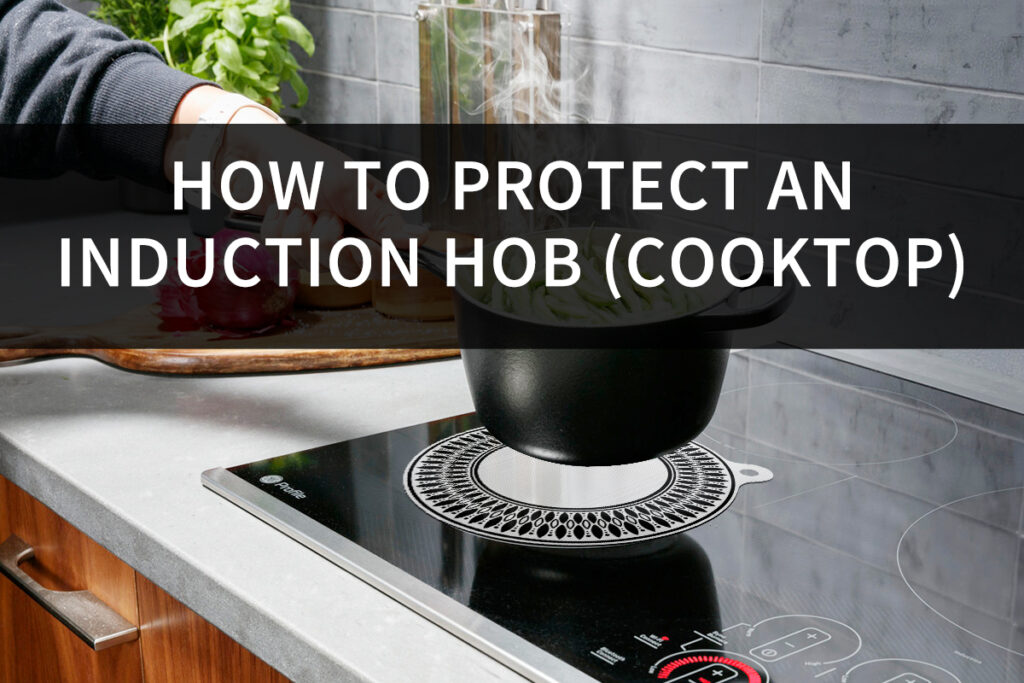
Protective mats are a practical way to safeguard your induction cooktop, especially during heavy cooking sessions. But not all mats are suitable for induction cooking.
Types Of Cooktop Protectors
- Silicone mats: These are heat-resistant and non-slip. They provide a barrier between cookware and glass.
- Tempered glass covers: Good for protecting the cooktop when not in use, but must be removed before cooking.
- Paper-thin liners: Some brands offer induction-safe liners that can stay under your pots while cooking.
How To Use Cooktop Mats Safely
- Only use mats labeled “induction-safe.” Regular silicone mats may block the magnetic field or overheat.
- Mats must be thin and free from metal, as thick or metal-lined mats can interfere with cooking.
- Always check your cooktop’s manual before using any protector. Some brands warn against using anything between the pan and the glass.
Pros And Cons Of Cooktop Mats
| Advantage | Drawback |
|---|---|
| Protects from scratches | May affect induction efficiency if not designed for induction |
| Easy to clean | Not all mats are heatproof |
| Helps prevent spills and stains | Can void warranty if not approved |
Non-obvious insight: Some cooktop protectors can slightly reduce cooking speed because of the thin barrier. If you notice slower heating, try removing the mat or switching to a thinner one.

Credit: www.amazon.com
Handling Spills And Sticky Messes
Spills are a normal part of cooking, but leaving them to dry can lead to scratching when you try to clean them later. Sugary spills are especially risky—they can bond to the glass and require scraping to remove.
Quick Steps For Managing Spills
- Turn Off the Cooktop: For safety, always switch off before cleaning.
- Wipe Up Liquids Quickly: Use a soft, damp cloth for spills while the surface is still warm (but not hot).
- Let Burnt-On Messes Cool: Never scrape at hot spills. Wait until the surface is safe to touch.
- Use a Plastic Scraper: For dried-on messes, use a scraper made for glass cooktops. Hold it at a 45-degree angle and gently push the residue away.
- Finish with Glass Cleaner: After removing the mess, clean the area with a soft cloth and a gentle cleaner.
Pro tip: For very stubborn stains, apply a glass cooktop cream, let it sit for a few minutes, and then wipe away with a microfiber cloth.
Preventing Scratches From Utensils And Accessories
It’s not just pots and pans that can scratch your cooktop. Utensils, trivets, and even spice jars can cause damage if handled carelessly.
- Always use wooden, silicone, or plastic utensils instead of metal ones.
- Do not tap spoons or spatulas on the cooktop surface.
- Avoid storing heavy or rough-bottomed items near the cooktop.
- Place a soft towel or mat under bowls or mixing containers if you need to set them on the surface.
Extra tip: If you use a pressure cooker or large stock pot, check that its base is free of rough edges or built-up residue, as these can scratch the glass when moved.

Credit: www.amazon.com
Maintenance Tips To Keep Your Induction Cooktop Looking New
Good maintenance goes beyond cleaning. With a few extra steps, your induction cooktop will stay smooth and shiny for years.
- Polish the Surface Regularly: Use a specially formulated glass cooktop polish once a week to restore shine and add a protective layer.
- Inspect for Damage: Periodically check the surface for chips, deep scratches, or discoloration. Address issues early to prevent bigger problems.
- Check Cookware Condition: Over time, even the best pans can develop burrs or rough patches. Smooth out or replace any damaged cookware.
Interesting fact: Some manufacturers offer repair kits for minor scratches. These kits can fill small marks, but prevention is more effective than repair.
What To Do If You Notice Scratches
If you see a scratch, don’t panic. Most small scratches are cosmetic and do not affect function. Here’s what you can do:
- Clean the Area Thoroughly: Dirt can make scratches look worse.
- Try a Cooktop Scratch Remover: Some creams and polishes can minimize the appearance of light scratches.
- Avoid Aggressive Polishing: Using abrasive materials can make scratches deeper.
- Monitor for Spreading: If the scratch grows or cracks develop, consult your manufacturer or a professional.
Important: Deep cracks or chips can be dangerous, as they may weaken the glass. In these cases, it’s best to seek professional advice and possibly replace the cooktop.
Credit: de.cookermate.com
Common Mistakes That Cause Scratches
Many induction cooktop owners repeat the same mistakes, often without realizing it. Avoid these pitfalls:
- Using the cooktop as extra countertop space for groceries or prep work.
- Cleaning with paper towels that leave lint or contain wood fibers (which can scratch).
- Letting spills dry and harden before cleaning.
- Using old or warped cookware that rocks and grinds.
- Ignoring crumbs or grit under pots before cooking.
Did you know? Even a small grain of salt under a heavy pan can create a scratch several inches long.
How Induction Cooktop Brands Differ In Scratch Resistance
Not all induction cooktops are created equal. Some brands use thicker or harder glass, special coatings, or proprietary finishes that resist scratches better.
Factors To Consider
- Glass thickness: Thicker glass is usually more durable.
- Surface coatings: Some models have a protective layer that offers extra scratch resistance.
- Warranty: Check if scratch damage is covered.
If you are buying a new induction cooktop, ask about these features. Sometimes, paying a bit more upfront saves you from future headaches.
Professional Repair Vs. Diy Scratch Removal
For deep or unsightly scratches, you may wonder if you should call a professional or try to fix it yourself.
When Diy Is Safe
- Minor surface scratches
- No sharp edges or cracks
- Willing to use a gentle polish or scratch remover
When To Call A Pro
- Deep, wide scratches
- Any chips or cracks
- Scratches that collect food or look like they are spreading
Professional repair may cost more, but it is safer for your appliance and can restore the surface to near-new condition. For more on the science behind ceramic glass strength, see this Wikipedia article.
How To Choose A Scratch Repair Kit
If you decide to try a repair kit, look for:
- Kits designed for glass-ceramic cooktops
- Fine abrasive creams, not rough pastes
- Kits with clear, step-by-step instructions
Caution: Never use automotive or furniture scratch removers—they may contain ingredients that damage the surface or interfere with heat transfer.
Real-world Examples: Scratches And Prevention
Scenario 1: The Gritty Pan
A home cook used an old cast iron skillet with rust spots. After one use, several fine scratches appeared. Regularly inspecting and cleaning pan bottoms would have prevented this.
Scenario 2: Cleaning In A Hurry
Another user cleaned sticky residue with a paper towel and a bit of baking soda. The paper towel left faint scratches. Switching to a microfiber cloth would have avoided this.
Lesson: Tiny changes in your routine can protect your cooktop for years.
Induction Cooktop Scratch Protection: Myths Vs. Facts
- Myth: All induction cooktops are scratch-proof.
- Fact: Even premium models can scratch if handled roughly.
- Myth: Any silicone mat can be used during cooking.
- Fact: Only induction-safe mats should be used, and some brands advise against any mat.
- Myth: Scratches don’t matter if you keep the cooktop clean.
- Fact: Scratches can get worse and may affect heating over time.
Long-term Cooktop Care Strategies
If you want your induction cooktop to last a decade or more, remember these strategies:
- Always keep the surface clean and dry.
- Use only safe cookware and utensils.
- Invest in quality cleaning products.
- Address scratches early—don’t ignore them.
- Follow your manufacturer’s care instructions.
Little-known tip: Registering your cooktop with the manufacturer can help with warranty claims if deep scratches or cracks occur.
Frequently Asked Questions
How Do I Know If My Cookware Is Safe For My Induction Cooktop?
Check if a magnet sticks firmly to the bottom of your pan. If it does, it’s induction-compatible. For scratch prevention, also check that the pan’s bottom is flat, smooth, and free from rough spots.
Can I Use A Regular Kitchen Towel To Clean My Induction Cooktop?
It’s better to use a microfiber cloth. Regular towels can leave lint, and some may contain fibers that scratch the glass. Microfiber cloths are softer and more effective.
Are All Induction Cooktop Protectors Safe To Use While Cooking?
No. Only induction-safe mats should be used, and they must be thin, heat-resistant, and approved by your cooktop manufacturer. Using the wrong mat can reduce cooking efficiency or even cause overheating.
What Should I Do If Something Heavy Falls On My Induction Cooktop And Creates A Chip?
Stop using the cooktop and contact the manufacturer or a professional repair service. Chips can weaken the glass, making it unsafe for high heat. Do not try to fix a chip yourself.
Is It Possible To Remove Deep Scratches From An Induction Cooktop?
Deep scratches are difficult to remove completely. You can reduce their appearance with special creams, but if the scratch is deep or collects food, it’s best to call a professional or consider replacement.
Taking care of your induction cooktop requires a bit of attention, but the rewards are worth it—a beautiful, efficient, and long-lasting centerpiece for your kitchen. With the right habits and tools, you can enjoy worry-free cooking and keep your cooktop looking new for years to come.