
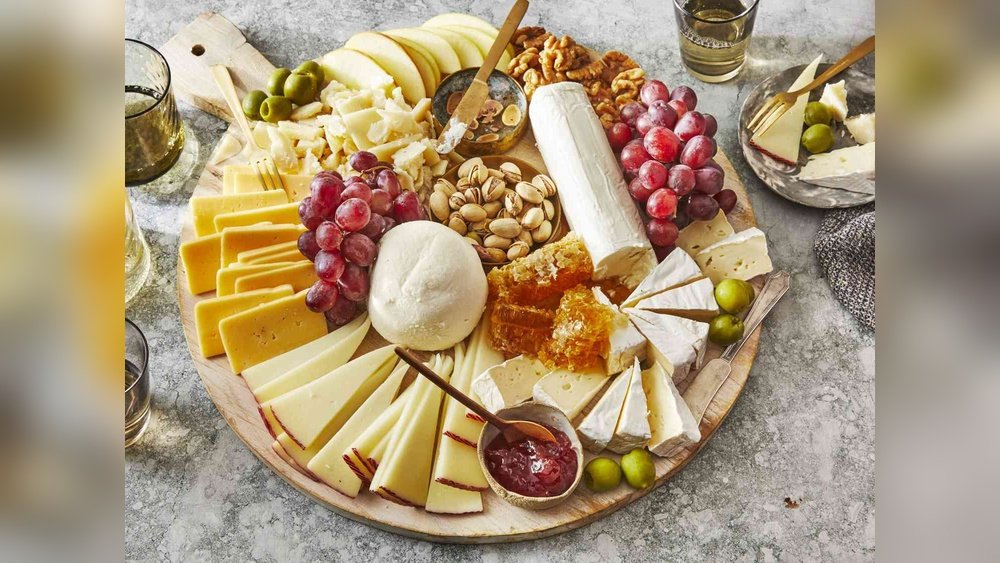
When you look at a beautiful charcuterie board, the cheese is often the star. A well-cut piece of cheese can make your board look inviting and professional. But cutting cheese isn’t just about making it fit; it’s about creating shapes, textures, and flavors that work together.
If you’ve ever wondered how to cut cheese for a charcuterie board, you’re not alone. Many people struggle with this detail, but it’s easier than it seems with the right guidance.
Whether you’re hosting a party, bringing a board to a potluck, or simply enjoying an evening with friends, knowing how to cut cheese the right way can make a big difference. This article will help you understand the basics, avoid common mistakes, and learn how to cut every type of cheese so your charcuterie board stands out.
You’ll also discover why the shape and size of your cheese pieces matter, and how the right cut can enhance taste and presentation. Let’s explore the art of cheese cutting and turn your next charcuterie board into something everyone will remember.
Why Cheese Cutting Matters For Charcuterie Boards
Most people think cheese is just about taste, but the way you cut it affects more than flavor. The shape, thickness, and size of each piece impact the look, how easy it is to eat, and even how the cheese feels in your mouth. Well-cut cheese helps balance the board and makes it easy for guests to try each type.
For example, cutting hard cheese into thin slices makes it easy to stack on crackers. Soft cheese cut into small wedges is simple to pick up with a fork or knife. The way you cut cheese also affects the portion size, so everyone gets a taste.
Good cutting shows you care about the details, and that’s what makes a charcuterie board feel special.
Understanding Different Types Of Cheese
Before you start cutting, it’s important to know the main types of cheese you’ll find on a charcuterie board. Each type needs a different approach for the best results. Here’s a simple breakdown:
- Hard cheese (like Parmesan, Manchego, or aged Cheddar): Dense, often crumbly, and holds its shape.
- Semi-hard cheese (like Gouda, Gruyère, or Emmental): Firm but easy to slice, not too soft.
- Semi-soft cheese (like Havarti, Fontina, or young Cheddar): Softer texture, can bend but not gooey.
- Soft cheese (like Brie, Camembert, or goat cheese): Creamy, can be sticky or spreadable.
- Blue cheese (like Gorgonzola, Roquefort, or Stilton): Can be soft or crumbly, with blue veins.
- Fresh cheese (like mozzarella, feta, or ricotta): Moist, mild, sometimes kept in brine.
Each cheese type reacts differently when cut. Some crumble, others stick to the knife, and some need special tools. Understanding these types helps you decide the best way to prepare each cheese for your board.
Essential Tools For Cutting Cheese
Having the right tools makes cheese cutting easier and more enjoyable. While you can use a regular kitchen knife, some cheeses benefit from special tools. Here’s a quick overview:
| Tool | Best For | Description |
|---|---|---|
| Chef’s Knife | Semi-hard & hard cheeses | Sturdy and sharp, good for slicing and cubing. |
| Cheese Wire | Soft & crumbly cheeses | Makes thin, clean cuts without sticking. |
| Cheese Plane | Hard & semi-hard cheeses | Creates thin slices, perfect for crackers. |
| Parmesan Knife | Very hard cheeses | Short, stubby blade for breaking chunks. |
| Offset Spatula | Spreadable cheeses | Helps lift or spread soft cheeses. |
| Small Fork | Blue cheese & soft blocks | Useful for crumbling or serving. |
If you only have a chef’s knife, that’s fine—just clean it between each cheese to avoid mixing flavors.
Preparing Cheese Before Cutting
Cheese is best served at room temperature. Take it out of the fridge 30–60 minutes before you plan to cut and serve it. This step lets the cheese soften, making it easier to cut and bringing out the best flavor.
Cold cheese can break or crumble, especially soft or blue cheeses.
Unwrap your cheese just before cutting to keep the surface fresh. If you’re using a cheese wire or plane, make sure it’s clean and dry. For sticky cheeses, lightly oil the knife blade to help it glide through.
How To Cut Hard Cheeses
Hard cheeses can be crumbly and tough to slice. The right technique depends on the cheese’s shape—wedge, block, or wheel. Here’s how to handle them:
Cutting Wedges And Blocks
For cheeses like Parmesan or Manchego:
- Use a Parmesan knife or a chef’s knife.
- Place the wedge flat on a cutting board.
- Insert the knife into the cheese and twist, rather than push down. This will break off natural, bite-sized chunks.
- If the cheese is a block, cut it into small rectangles or sticks, about half an inch thick.
Creating Shards Or Crumbles
Some hard cheeses are best served as uneven chunks:
- Hold the cheese steady.
- Insert the tip of your knife into the cheese.
- Twist gently to break off rough pieces.
- Arrange these pieces loosely on your board for a rustic look.
Non-obvious insight: Hard cheeses often taste better when broken into natural shapes. The rough edges give more surface area, which can highlight flavor and texture.
How To Cut Semi-hard Cheeses
Semi-hard cheeses like Gouda or Gruyère are firm but not as tough as Parmesan. They’re easy to cut into neat shapes.
Slicing Into Triangles Or Batons
- Start with a wedge or block.
- For a wedge, slice from the center point outwards to make thin triangle slices.
- For a block, slice straight down to create even rectangles or “batons” (stick shapes).
- Each piece should be about the size of two bites.
Making Cubes
For casual boards, cubes work well:
- Cut the cheese into slabs about a half-inch thick.
- Stack the slabs and slice lengthwise, then crosswise, to make even cubes.
Tip: Semi-hard cheese slices are ideal for layering with meats or crackers. They hold their shape and are easy to pick up.
How To Cut Semi-soft Cheeses
Semi-soft cheeses like Havarti or Fontina are slightly springy. They can bend if not cut with care.
Cutting Thin Slices
- Use a sharp chef’s knife or cheese plane.
- Slice across the short side of the block or wedge.
- Aim for slices about 1/8 to 1/4 inch thick.
Creating Small Wedges
- If the cheese is a wedge, cut it into thinner wedges.
- Place these wedges in a fan shape on your board for a pretty display.
Non-obvious insight: Semi-soft cheeses are less likely to dry out, so you can cut them a bit ahead of time without losing quality.
How To Cut Soft Cheeses
Soft cheeses like Brie, Camembert, and goat cheese need gentle handling. They can be sticky or creamy inside.
Slicing Wedges From A Wheel
- Place the whole wheel on a cutting board.
- Use a thin-bladed knife, warmed in hot water and dried.
- Cut into even wedges, like slicing a cake.
- Wipe the knife between cuts to keep edges clean.
Cutting Goat Cheese Logs
- Chill the cheese log for 10 minutes to firm it up.
- Use unflavored dental floss or a cheese wire to slice rounds.
- Lay the rounds flat for easy serving.
Spreading Soft Cheese
- For very creamy cheeses, let guests spread it themselves.
- Place a small offset spatula or butter knife nearby.
Pro tip: For sticky rinds, use a serrated knife for a clean cut.
How To Cut Blue Cheese
Blue cheeses can be soft and crumbly, or firm and veined. They often have strong flavors and a unique texture.
Cutting Crumbly Blue Cheese
- Use a cheese wire or small fork.
- Break off irregular chunks instead of slicing.
- Place the pieces in a pile on the board.
Slicing Firmer Blue Cheese
- For block-shaped blue cheese, cut into small squares or triangles.
- Use a thin-bladed knife for neat cuts.
Non-obvious insight: The blue veins are stronger near the center. Mix center and edge pieces so guests can choose their favorite flavor intensity.
How To Cut Fresh Cheeses
Fresh cheeses like mozzarella and feta are moist and mild. They’re sometimes packed in water or brine.
Slicing Mozzarella
- Drain well before cutting.
- Use a sharp knife, or cheese wire for perfect rounds.
- Slice into thick coins for a clean look.
Cutting Feta
- Pat the cheese dry with a paper towel.
- Cut into small cubes or rectangles.
- Crumble some pieces for variety.
Tip: Fresh cheese can lose moisture quickly, so cut just before serving.
Matching Cheese Cuts To Board Style
The size and shape of your cheese pieces should match the style of your board and your guests’ needs. Here are a few ways to think about it:
- For family-style boards, use larger chunks and wedges for a casual feel.
- For cocktail parties, cut cheese into small, bite-sized pieces for easy grabbing.
- If serving with wine, offer a variety of shapes to highlight different textures.
Try to have at least three different shapes on your board: wedges, cubes, and slices. This makes the board look more interesting and helps guests try new flavors.
Creative Cheese Cutting Ideas
Don’t be afraid to have fun with cheese shapes. Here are a few creative ideas:
- Star or heart shapes: Use small cookie cutters on slices of semi-hard cheese.
- Ribbons: Use a vegetable peeler on hard cheese to make thin curls.
- Crumbled bits: Sprinkle crumbled blue or feta over other foods for extra flavor.
- Stacked towers: Layer slices of cheese with meats or fruits for color contrast.
Non-obvious insight: Vary the direction of your cuts. Diagonal or angled slices look more dynamic than straight edges.
How To Arrange Cut Cheese On Your Charcuterie Board
Good arrangement is as important as the way you cut the cheese. Here’s how to do it well:
- Place the largest pieces (like wedges or wheels) on the board first.
- Arrange slices or cubes around these anchor pieces.
- Fill empty spaces with small piles of crumbles or rolled slices.
- Mix colors and textures so no two similar pieces are next to each other.
- Leave a little space between pieces so guests can easily pick them up.
Remember, your board should look full but not crowded. Overlapping pieces slightly adds depth and makes the board feel abundant.
Cheese Cutting Mistakes To Avoid
Even experienced hosts make mistakes with cheese cutting. Here are some common problems and how to avoid them:
- Cutting cheese too early: Cheese can dry out, especially soft or fresh types. Cut just before serving.
- Using the same knife for all cheeses: Flavors can mix, especially with strong blue cheeses. Clean your knife or use separate tools.
- Cutting pieces too big or too small: Large pieces are hard to eat; tiny pieces dry out or crumble.
- Ignoring the cheese shape: Try to keep the shape natural. For example, don’t turn a wedge into squares.
- Not considering the rind: Some rinds are edible, some are not. Leave a bit of rind on each piece for guests to choose.
Portioning Cheese For The Right Crowd Size
How much cheese should you cut? Here’s a simple rule:
- For an appetizer board: 1–2 ounces of cheese per person.
- For a main event: 3–4 ounces per person.
If you have 5 types of cheese for 10 guests, you need about 1. 5 pounds total. Always add a little more for variety.
Pairing Cheese Cuts With Meats, Fruits, And Crackers
The way you cut cheese affects how it pairs with other foods:
- Thin slices are perfect for stacking with salami and crackers.
- Cubes work well with olives or grapes on toothpicks.
- Wedges are easy to spread with fig jam or honey.
- Crumbles add flavor to roasted nuts or dried fruit.
Try to match the shape and size of your cheese cuts with the other board items. For example, stack cheddar slices with apple wedges for a tasty bite.

Credit: cheesegrotto.com
Comparing Cheese Cutting Methods
How do common cheese cutting methods compare for different cheese types? Here’s a helpful overview:
| Cheese Type | Best Cut | Best Tool | Why It Works |
|---|---|---|---|
| Hard | Chunks, shards | Parmesan knife | Brings out flavor, rustic look |
| Semi-hard | Slices, cubes | Chef’s knife | Easy to eat, tidy presentation |
| Semi-soft | Thin slices, wedges | Cheese plane | Even texture, doesn’t stick |
| Soft | Wedges, rounds | Wire, thin knife | Clean cut, no crushing |
| Blue | Chunks, crumbles | Fork, wire | Highlights veins and flavor |
| Fresh | Slices, cubes | Sharp knife | Maintains moisture, clean look |
Step-by-step Example: Cutting And Serving Three Popular Cheeses
Let’s walk through how to cut and present three common cheeses for your charcuterie board.
1. Cheddar (semi-hard)
- Start with a block.
- Slice into 1/4-inch slabs.
- Stack slabs and cut into sticks or cubes.
- Arrange in a neat stack or scattered for easy grabbing.
2. Brie (soft)
- Place the wheel on a board.
- Use a warmed, thin knife to cut into wedges.
- Leave the rind on, as it’s edible.
- Fan out the wedges for a classic look.
3. Parmesan (hard)
- Use a stubby Parmesan knife.
- Break off thumb-sized chunks by inserting and twisting.
- Don’t slice—let the cheese form natural pieces.
- Pile the chunks for a rustic presentation.
Each cheese gets its own style, making your board more interesting.

Credit: www.nytimes.com
Cheese Cutting For Special Diets And Preferences
Not all guests can eat every cheese. Consider these tips:
- For vegetarian boards, check that your cheese doesn’t contain animal rennet.
- For lactose-free boards, try aged cheeses like Parmesan, which are naturally low in lactose.
- For nut-free boards, avoid cheeses rolled in nuts.
- For gluten-free boards, keep cheese and crackers separate.
Label your cheese pieces or use small signs to help guests with allergies or dietary needs.
Keeping Cheese Fresh On The Board
Cheese looks and tastes best when fresh. Here’s how to keep it that way:
- Cut cheese right before serving.
- If your party lasts several hours, cover the board with plastic wrap between courses.
- Place soft and fresh cheese away from heat or direct sun.
- Use small cheese domes or covers for outdoor events.
If you have leftovers, wrap cheese in wax paper (not plastic) and store in the fridge.
:max_bytes(150000):strip_icc()/semi-firm-cheeses-2000-d914869c64d5434b95567fcf2daf1376.jpg)
Credit: www.southernliving.com
How To Store Pre-cut Cheese
Sometimes you need to cut cheese ahead of time. Here’s how to store it:
- Wrap each type in wax or parchment paper.
- Place in an airtight container in the fridge.
- Add a damp paper towel for fresh or soft cheese to keep it moist.
- Use within 2–3 days for best flavor.
Avoid storing cheese with strong-smelling foods, as cheese absorbs odors easily.
Cheese Cutting For Themed Boards
If you want to create a board with a theme (for example, French, Italian, or holiday), choose cheese shapes that fit:
- For a French board, use wedges and rounds.
- For an Italian board, use shards (Parmesan), cubes (Asiago), and slices (Provolone).
- For holiday boards, use cookie cutters to create festive shapes.
Matching the cut style to the theme adds a thoughtful touch.
Cleaning And Caring For Cheese Tools
Cheese tools last longer with good care:
- Wash knives and wires by hand, not dishwasher, to keep them sharp.
- Dry tools right away to prevent rust.
- Oil wooden handles lightly with mineral oil.
- Store tools in a dry drawer or box.
Well-cared-for tools make every cheese board easier and more enjoyable.
When To Let Guests Cut Their Own Cheese
Sometimes it’s best to let guests cut their own cheese, especially with soft or very hard cheeses. Place a small knife or wire next to the cheese and show the first guest how to use it. This approach:
- Keeps cheese fresh longer
- Prevents drying out or sticking
- Lets guests choose their own portion size
Just make sure you provide clean tools for every cheese.
Comparing Cheese Serving Styles
There are different ways to serve cheese on a charcuterie board. Here’s how they compare:
| Serving Style | Best For | Pros | Cons |
|---|---|---|---|
| Pre-cut pieces | Large parties | Easy to serve, fast to eat | Can dry out, more prep |
| Whole pieces with knife | Small gatherings | Stays fresh, interactive | Slower to serve, some guests unsure |
| Mixed approach | Any event | Variety, meets all needs | Takes up more space |
Where To Find More Cheese Cutting Inspiration
If you want to see videos or more advanced techniques, the American Cheese Society offers resources and guides. Check out American Cheese Society for detailed demonstrations.
Frequently Asked Questions
How Early Can I Cut Cheese Before Serving?
It’s best to cut cheese 30–60 minutes before serving. This lets the cheese reach room temperature and develop its best flavor. For fresh and soft cheeses, cut as close to serving time as possible to avoid drying out.
What’s The Best Way To Cut Cheese Without It Sticking To The Knife?
Use a thin-bladed knife, and dip it in hot water before each cut. Wipe the blade between slices. For very sticky cheeses, unflavored dental floss or a cheese wire works well.
Can I Cut All Cheese Into Cubes For My Board?
Not all cheeses are suitable for cubes. Hard and semi-hard cheeses are great for cubes, but soft, blue, or fresh cheeses can crumble or lose their shape. Use slices, wedges, or crumbles as needed for texture and presentation.
Do I Need Special Knives For Every Cheese?
Special knives make cutting easier, but you can use a sharp chef’s knife for most cheeses. Just clean it between types to avoid mixing flavors. For very hard or soft cheeses, a cheese wire or plane is helpful.
How Much Cheese Should I Serve Per Person?
For appetizers, plan on 1–2 ounces per person. For a main event, 3–4 ounces per person is better. Always offer a variety so guests can try different flavors and textures.
Cutting cheese for a charcuterie board is part art, part science. With a little practice, you’ll create beautiful boards that your guests will love—each piece perfectly shaped, easy to eat, and full of flavor. Start with these tips, experiment with styles, and soon you’ll be known as the host with the best cheese boards in town.