
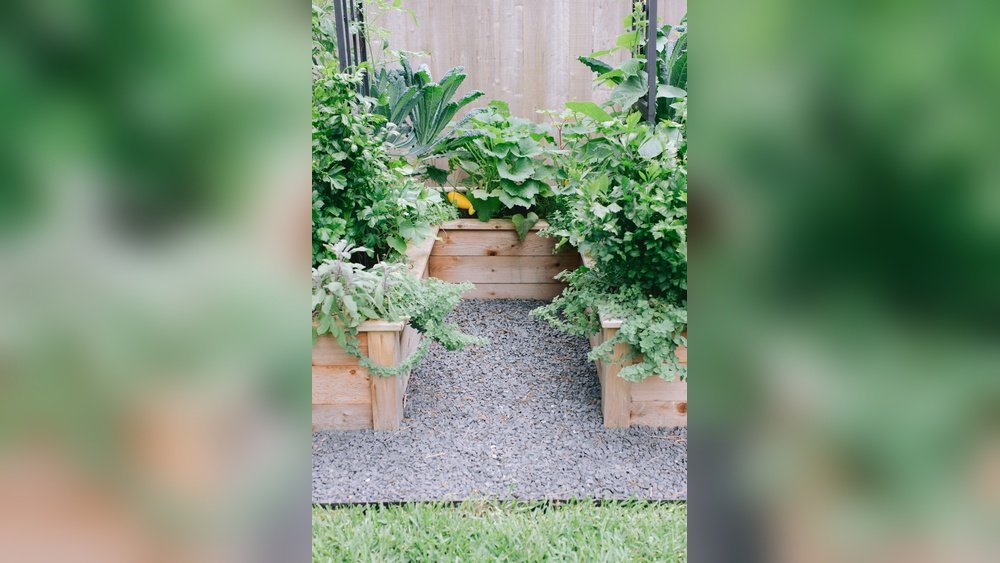
Starting a small kitchen garden is one of the most rewarding things you can do at home. You do not need a big backyard or special skills. With a little space, some planning, and a bit of care, you can grow your own fresh herbs, vegetables, and even small fruits.
It feels amazing to cook with ingredients you have grown yourself. Plus, you save money and eat healthier. Many people believe they need a lot of land or expensive equipment to start gardening. This is not true. Even a small balcony, windowsill, or patio can become a green corner full of life.
In this guide, you will learn everything you need to create a successful small kitchen garden, step by step. From choosing the right spot and picking easy crops to practical tips that most beginners miss, you will find all you need right here.
Let’s get your hands in the soil and start growing!
Understanding The Basics Of A Small Kitchen Garden
A small kitchen garden is a compact area, usually close to your kitchen, where you grow plants for everyday cooking. Most people use pots, containers, raised beds, or small plots. The focus is on growing things you use often—like tomatoes, basil, mint, lettuce, or peppers.
Small gardens have many benefits:
- Easy to manage and water
- Less weeding and pest control
- Fresh ingredients always nearby
- You control what goes into your food
But there are limits. Space is tight, so you must plan carefully. You cannot grow every crop, so choices matter. You also need to make the most of sunlight and soil.
Common Myths About Small Kitchen Gardens
Many beginners think:
- “I need a big yard.” You do not. Balconies, windowsills, and patios work.
- “Only experts can grow food.” Anyone can learn with practice.
- “It’s expensive.” You can start with recycled containers and seeds from kitchen scraps.
- “It takes too much time.” 10–20 minutes a day is enough for most small gardens.
Understanding these basics helps you avoid frustration and enjoy the process.
Deciding Where To Place Your Kitchen Garden
Location is the most important choice. Plants need sunlight, good air flow, and easy access to water. A poor location can mean weak plants and low harvests.
Sunlight: The Key To Success
Most kitchen garden plants need at least 6 hours of sunlight each day. Observe your space:
- Which spots get morning sun?
- Are there any shadows from trees or buildings?
- How does the light change through the seasons?
If sunlight is limited, choose leafy greens or herbs, which need less light than fruiting plants like tomatoes.
Good Air Flow
Plants breathe, just like us. Air flow helps prevent diseases. Avoid corners with still, hot air. Balconies or open patios are usually best.
Water Access
Carrying water far is hard work. Place your garden near a tap, hose, or where you can easily fill a watering can.
Indoor Vs. Outdoor
You can grow a kitchen garden both inside and outside. Indoor gardens need sunny windows or grow lights. Outdoor gardens use balconies, patios, or small yard spaces.
Choosing The Right Containers And Beds
Not all containers are the same. Your choice affects plant health and harvest size.
Types Of Containers
There are several options:
| Container Type | Pros | Cons |
|---|---|---|
| Plastic pots | Lightweight, cheap, hold moisture well | May fade in sun, less eco-friendly |
| Clay/terracotta pots | Good for roots, look nice | Heavy, dry out faster |
| Wooden boxes | Natural look, can be large | Can rot if not treated |
| Grow bags | Flexible, good drainage | Can tip over, may need support |
| Recycled containers | Cheap, eco-friendly | May need drainage holes added |
Most importantly, all containers must have drainage holes to prevent root rot.
Size Matters
A common beginner mistake is choosing containers that are too small. Roots need space. Here are some good sizes:
- Herbs: 6–8 inch pots
- Lettuce/spinach: 6–8 inch pots, or window boxes
- Tomatoes/peppers/eggplant: 12–18 inch pots
- Small root crops (radish, carrots): 8–12 inch deep pots
Raised Beds
If you have a small yard, a raised bed (a box filled with soil, 6–12 inches high) is ideal. It gives better control over soil quality and drainage.
Vertical Gardening
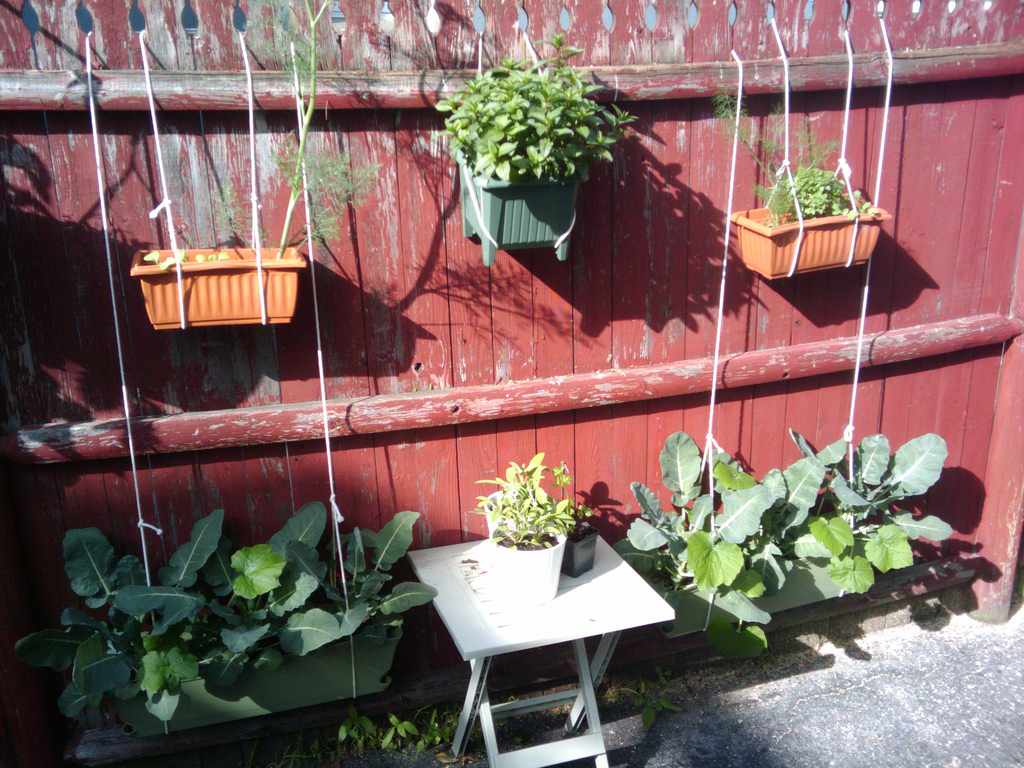
If space is very tight, consider vertical gardening. You can hang pots on walls, use shelves, or buy vertical stands. This method is perfect for herbs and leafy greens.
Picking The Best Plants For Small Spaces
You cannot grow everything in a small kitchen garden. Choose plants that:
- Give a lot of harvest in little space
- Grow quickly
- Are useful in daily cooking
Top Choices For Beginners
- Herbs (basil, mint, cilantro, parsley, chives): Grow fast, need little space, easy to harvest.
- Lettuce and leafy greens: Quick to grow, cut-and-come-again type.
- Tomatoes: Cherry tomatoes are best for pots.
- Peppers: Both hot and sweet peppers do well in containers.
- Radishes: Fast-growing, good for kids.
- Green onions (scallions): Regrow easily from kitchen scraps.
- Spinach: Easy to grow, harvest young leaves.
- Carrots: Small varieties work best in pots.
- Beans: Bush beans need little support, pole beans grow up trellises.
- Strawberries: Compact plants, sweet fruit.
- Microgreens: Grow indoors all year, harvest in 1–3 weeks.
Plants To Avoid In Small Gardens
Some plants grow too large or need lots of space, like corn, big squash, or pumpkins. Avoid these unless you have a larger area.
Heirlooms Vs. Hybrids
Heirloom seeds give traditional flavors but may need more care. Hybrid seeds are often more disease-resistant and productive for small gardens.
Companion Planting
Some plants help each other grow. For example, basil and tomatoes grow well together. Mint can repel some pests if placed near other pots.
Soil And Compost: The Foundation Of Success
Healthy soil is the heart of every kitchen garden. Plants need nutrients, air, and water. Poor soil means poor plants.
What Soil To Use
Do not use regular garden soil for containers. It is too heavy and may have pests. Use potting mix or make your own blend:
- 1 part compost
- 1 part coconut coir or peat moss
- 1 part perlite or sand
This mix gives good drainage and holds enough moisture.
Adding Compost
Compost is “black gold” for gardens. It feeds your plants and improves soil. You can buy compost, or make your own from kitchen scraps, leaves, and yard waste.
Common Soil Mistakes
- Overpacking soil in pots—roots need air.
- Not adding enough compost—plants get weak.
- Reusing old soil without refreshing—it loses nutrients.
Fertilizer
Even with compost, some plants (tomatoes, peppers) may need extra fertilizer. Use organic options if possible, and follow the instructions carefully.
Sowing Seeds And Planting Seedlings
Starting your plants the right way is key.
Seeds Vs. Seedlings
- Seeds: Cheaper, more variety, but take longer to grow.
- Seedlings: Faster harvest, easier for beginners, but cost more.
For herbs and leafy greens, seeds are best. For tomatoes and peppers, many people buy seedlings.
How To Sow Seeds
- Fill the container with moist potting mix.
- Sprinkle seeds evenly (do not crowd).
- Cover with a thin layer of soil (check seed packet for depth).
- Mist with water so you don’t wash seeds away.
- Place in a warm, sunny spot.
Most seeds sprout in 5–14 days. Keep the soil moist but not soggy.
Transplanting Seedlings
If you buy seedlings, gently loosen their roots. Dig a small hole in your pot, place the seedling, and firm the soil. Water well.
Spacing
Do not plant too close. Crowded plants get weak and sick. Check seed packets or labels for spacing advice.
Watering: How Much And How Often?
Watering is often where beginners go wrong. Too much or too little can kill your plants.
How Often Should You Water?
- In hot weather: Once a day or every other day.
- In cool weather: Every 2–3 days.
- For small pots: Check daily, they dry out fast.
Stick your finger into the soil. If the top inch is dry, it’s time to water.
Tips For Effective Watering
- Water early in the morning or late in the afternoon.
- Avoid wetting the leaves—water the soil.
- Use a watering can with a gentle spout.
- Mulch with straw or leaves to hold moisture.
Common Watering Problems
- Yellow leaves: Often a sign of overwatering.
- Drooping leaves: Can mean too little or too much water.
- Algae or fungus: Too much moisture, poor drainage.
Dealing With Pests And Diseases
Even small gardens can have pests. Aphids, snails, whiteflies, and fungal diseases are common.
Natural Pest Control
- Pick off pests by hand if you see them.
- Wash leaves with water to remove aphids.
- Use neem oil or insecticidal soap for minor problems.
- Grow marigolds—they repel many insects.
Disease Prevention
- Avoid overwatering.
- Give good air flow between plants.
- Remove dead leaves and debris.
If a plant gets sick, remove the affected parts quickly.
When To Use Chemicals
Try to avoid chemical pesticides in kitchen gardens. They can harm you and helpful insects. Use them only as a last resort, and follow all safety instructions.
Harvesting Your Crops
Harvesting is the best part! But timing matters.
When To Harvest
- Herbs: Cut leaves when plants are 6–8 inches tall. Always leave some leaves so the plant grows back.
- Lettuce and greens: Pick young leaves for best taste. Cut outer leaves, let the center keep growing.
- Tomatoes and peppers: Pick when fully colored and slightly soft.
- Radishes and carrots: Check size by gently brushing away soil at the top.
How To Harvest
Use clean scissors or your fingers. Be gentle to avoid damaging plants.
Storing Your Harvest
- Herbs: Put in a glass of water or wrap in a damp towel in the fridge.
- Greens: Wash, dry, and keep in a sealed bag.
- Tomatoes and peppers: Store at room temperature for best flavor.
Maximizing Space: Smart Layouts And Tricks
Small gardens need clever use of space.
Succession Planting
After you harvest one crop, plant something new. For example, grow lettuce in spring, then beans in summer.
Interplanting
Grow fast and slow crops together. For example, radishes (fast) with carrots (slow). Radishes finish first, giving space to carrots.
Using Walls And Railings
Hang pots or window boxes. Grow vining plants up trellises or strings.
Staggered Planting
Plant a few seeds every week instead of all at once. This way, you get a steady supply, not all at once.
Example Layout
Here’s a simple sample layout for a 4×4 foot raised bed:
| Section | Plants |
|---|---|
| Back row (north side) | Trellised tomatoes or beans |
| Middle row | Peppers, basil, parsley |
| Front row (south side) | Lettuce, radish, chives |
This gives taller plants in the back, shorter in front, so all get sun.

Credit: www.gardenary.com
Year-round Gardening: Extending Your Harvest
Small kitchen gardens can produce food all year with planning.
Cool-season Crops
In spring and fall, grow lettuce, spinach, peas, radish. They like cooler weather.
Warm-season Crops
In summer, grow tomatoes, peppers, beans, basil. They need warmth.
Indoor Growing
In winter, move pots indoors near windows or under grow lights. Herbs, green onions, and microgreens do well inside.
Row Covers And Cloches
Use light fabric covers or plastic domes to protect plants from cold or pests. They are cheap and easy to use.
Practical Tips Most Beginners Miss
Many first-time gardeners miss a few important tricks:
- Label everything. Once seeds sprout, it’s hard to remember what’s what.
- Rotate crops. Do not plant the same thing in the same pot every time. It prevents soil problems.
- Pinch herbs. Regularly pinch tips of basil and mint to keep them bushy.
- Feed regularly. Small pots run out of nutrients fast. Feed every 2–4 weeks.
- Start small. Too many plants can be overwhelming. Master a few, then add more.
Budgeting Your Small Kitchen Garden
Starting a small kitchen garden does not need a lot of money. Here is a basic cost comparison:
| Item | Low Cost (DIY) | Store-Bought |
|---|---|---|
| Pots/Containers | Free (recycled bottles, cans) | $2–$10 each |
| Potting Mix | $5–$10/bag | $10–$20/bag (premium) |
| Seeds | $1–$3/packet | $2–$5/packet (specialty) |
| Seedlings | — | $2–$5 each |
| Basic tools | Reuse kitchen spoons, forks | $10–$25 (trowel, pruners) |
Reusing containers, making your own compost, and starting from seeds can keep costs very low.
Involving Family And Kids
A kitchen garden is a great way to connect with family, especially children. Kids love planting seeds, watching them grow, and harvesting. It teaches responsibility and where food comes from.
- Give children their own small pot to manage.
- Grow fast crops like radish or microgreens for quick results.
- Let kids help with watering and harvesting.
Gardening as a family creates memories and healthy habits.
Sustainable And Eco-friendly Practices
Small gardens are perfect for learning eco-friendly habits.
- Compost kitchen scraps to make your own fertilizer.
- Collect rainwater for watering.
- Grow native plants to attract bees and butterflies.
- Avoid chemical pesticides—use natural methods.
- Recycle containers to reduce waste.
Even small actions make a big difference for the environment.
Troubleshooting Common Problems
Every gardener faces problems. Here are some typical ones and their fixes:
- Seeds do not sprout: Soil too cold, too wet, or expired seeds.
- Yellow leaves: Overwatering or lack of nutrients.
- Plants are thin and tall: Not enough sunlight.
- Leaves have holes: Check for snails or caterpillars.
- Fungus on soil: Too much water, poor drainage.
If you do not know the problem, search online garden forums or local garden centers for help. The Penn State Extension is a trusted resource.
Credit: www.houzz.in
Enjoying The Results: Cooking With Your Harvest
The best reward is using your fresh herbs and vegetables in the kitchen. Add basil to pasta, mint to tea, or fresh lettuce to your sandwiches. Even a handful of homegrown parsley can lift a simple meal.
Try new recipes, share with neighbors, or make small gifts from your harvest. You may find gardening inspires you to cook and eat more healthily.
Frequently Asked Questions
What Are The Easiest Plants To Grow In A Small Kitchen Garden?
Herbs like basil, mint, and parsley are the easiest. Lettuce, spinach, and radish also grow fast and need little care. These plants are ideal for beginners and give quick results.
How Much Time Do I Need To Care For A Kitchen Garden?
Most small kitchen gardens need 10–20 minutes a day. This includes watering, checking for pests, and harvesting. Some days may need more time, but overall, it is not a big time commitment.
Can I Grow A Kitchen Garden Indoors?
Yes! Many herbs, green onions, and microgreens grow well on a sunny windowsill. You can also use grow lights if you do not have enough sunlight. Make sure to use containers with good drainage.
How Do I Prevent Pests Without Chemicals?
Use natural pest control methods. Hand-pick bugs, spray leaves with water, or use neem oil. Planting marigolds or using fine netting can also help keep pests away. Avoid overwatering, as it can attract disease and insects.
When Should I Start Planting My Kitchen Garden?
You can start most kitchen gardens in early spring. For indoor gardens, you can start any time. Outdoors, wait until the risk of frost is gone. Check seed packets for the best planting times for your area.
Growing a small kitchen garden is not just about food—it’s about joy, learning, and connecting with nature, even in a little space. With the right steps and a bit of care, anyone can succeed. Happy gardening!

Credit: heartfilledspaces.com