
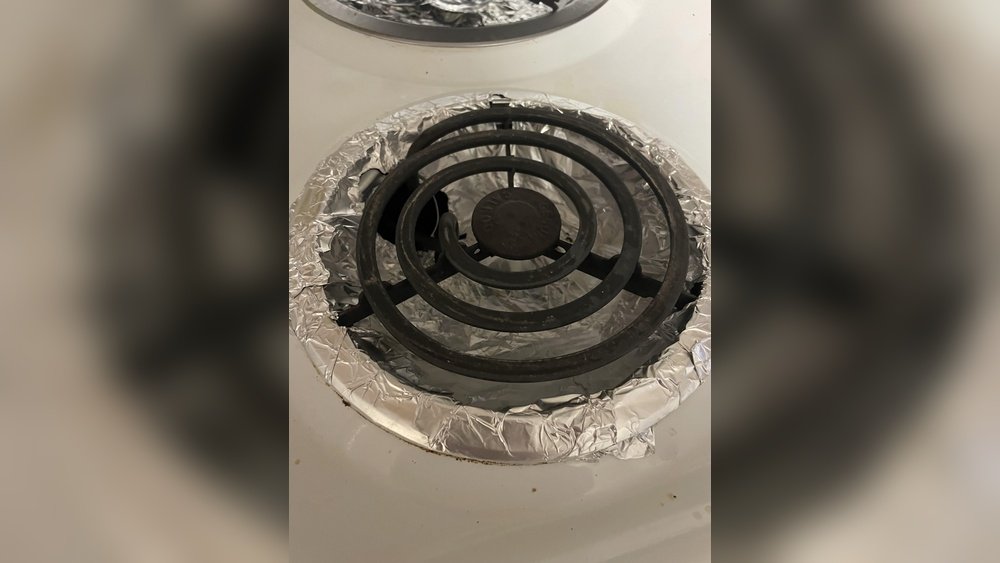
Stove burners can quickly become a mess. Food boils over, sauces splatter, and oils drip down, making cleaning a tough job. Many people look for simple ways to keep their stove clean, and one common trick is using aluminum foil on stove burners. But is this method really safe and effective? If you want to try it, you need to know the right way to do it, the benefits, and what to avoid.
This guide covers everything you need: why people use aluminum foil on burners, step-by-step instructions, safety tips, mistakes to avoid, and even what stove manufacturers say. Whether you want less cleaning or just want to protect your stove, you’ll learn how to do it right and avoid problems.
Why People Put Aluminum Foil On Stove Burners
Many home cooks use aluminum foil to protect their stove. Here are some reasons why:
- Easy cleanup: Foil catches spills and crumbs, so you can just remove and replace it.
- Protects the stove surface: Foil acts as a shield against scratches, stains, and burned-on food.
- Saves time: You spend less time scrubbing and more time cooking.
- Cost-effective: Aluminum foil is cheap and easy to find.
- Keeps burners looking new: Especially for rental homes or apartments.
However, while these are big benefits, there are also risks if you don’t use foil correctly.
Is It Safe To Put Aluminum Foil On Stove Burners?
Safety is the most important thing when it comes to the kitchen. Putting aluminum foil directly on burners can be safe, but only if you do it the right way. Here’s what you need to know:
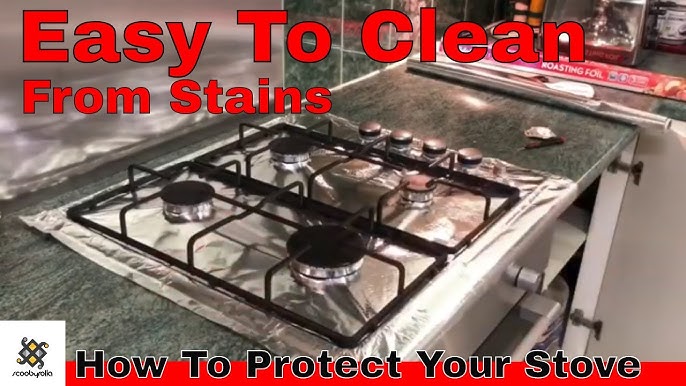
- Gas stoves: Never cover the gas ports or burner holes. Blocking these can cause uneven flames or even dangerous gas buildup.
- Electric stoves: Do not wrap foil tightly around electric coils. This can cause overheating or even a fire.
- Manufacturer warnings: Some stove makers warn against using foil, as it can damage parts or void your warranty.
- Proper placement: Foil should only cover drip pans or areas around burners, not the burners themselves.
- Ventilation: Make sure air can still flow freely.
Non-obvious insight: If you have a self-cleaning oven, foil left inside can melt or fuse to the surface during cleaning. Always remove foil before using self-clean features.

Credit: buymode.shop
What You Need Before You Start
Gather all materials before you begin. It will make the process easier and safer.
- Heavy-duty aluminum foil: This is stronger and less likely to tear.
- Scissors: For cutting the foil to size.
- Oven mitts or gloves: For handling hot burners.
- Mild cleaner and cloth: To clean the stove before adding foil.
- Optional: Commercial burner liners, which are made for this purpose.
Pro tip: Never use very thin foil, as it tears easily and can get stuck.
Step-by-step: How To Put Aluminum Foil On Stove Burners
Follow these detailed steps for a safe and effective result. The process is a bit different for gas and electric stoves.
1. Turn Off And Cool Down The Stove
Never work on a hot stove. Make sure all burners are completely off and cool to the touch.
2. Remove Grates Or Burner Coils
- For gas stoves, lift off the metal grates.
- For electric stoves, gently remove the coil elements if possible. Some may be fixed in place.
3. Clean The Surface
Wipe down the stove top and drip pans with a mild cleaner. This removes grease and crumbs that could get trapped under the foil.
4. Measure And Cut The Foil
Tear off a piece of heavy-duty aluminum foil that is a little bigger than the area you want to cover. For drip pans, you can use a circular or square piece.
Non-obvious insight: If you make the foil too big, it can bunch up and create a fire hazard. Always cut to fit.
5. Shape The Foil
Mold the foil gently to the shape of the drip pan or around the burner area. Press it in place but don’t wrap tightly around wires or ports.
6. Make Holes For Burners
Use scissors or a knife to cut openings in the foil for the gas ports or electric coil connections. These must not be blocked.
7. Reinstall Grates Or Coils
Put the grates or burner coils back in place, making sure the foil stays flat and doesn’t move.
8. Test The Burners
Turn each burner on briefly to make sure everything works. The flame (for gas) or heat (for electric) should be even. If not, check for blocked holes.
9. Check Regularly
Foil can tear or shift over time. Look for damage and replace as needed.
Comparing Aluminum Foil Vs. Commercial Burner Liners
Some people prefer to use store-bought burner liners. Here’s a quick comparison:
| Feature | Aluminum Foil | Commercial Burner Liners |
|---|---|---|
| Price | Very cheap | More expensive |
| Fit | Customizable | Pre-cut for standard stoves |
| Durability | Tears easily | Stronger, reusable |
| Safety | Depends on placement | Designed for stove use |
| Warranty | May void stove warranty | Less likely to void warranty |
Key takeaway: Burner liners are safer and more durable but cost more. Aluminum foil is cheap, but you must use it carefully.
Mistakes To Avoid When Using Aluminum Foil On Burners
Many beginners make simple mistakes. Avoid these common errors for best results:
- Covering burner holes or ports: This blocks gas flow and can cause dangerous buildup.
- Wrapping electric coils: This can cause overheating or electrical shorts.
- Using too much foil: Large, loose foil can catch fire or block airflow.
- Not checking manufacturer instructions: Some brands warn against any foil use.
- Leaving foil during self-cleaning: Foil can melt to the surface and be impossible to remove.
Practical tip: Always keep your stove’s instruction manual handy to check for warnings about foil.
How Often To Replace Aluminum Foil On Burners
How often you change the foil depends on how much you cook:
- Light use: Every 2-3 weeks.
- Heavy use: Every week or after big spills.
- Signs you need to replace: Torn, burned, or heavily stained foil.
Never leave old, dirty foil on the stove. It can trap grease and become a fire risk.
Cleaning And Maintenance Tips
Even with foil, you still need to clean your stove sometimes. Here’s how to keep everything safe and fresh:
- Wipe under the foil: Remove foil and clean the surface every few weeks.
- Check for melted spots: If foil melts, remove it as soon as possible.
- Use a soft cloth: Avoid scratching the stove.
- Don’t use harsh chemicals: Mild soap and water are best.
Pro tip: For stuck-on food, soak the area with a wet cloth before wiping.
Stove Manufacturer Recommendations
Not all stoves are the same. Here’s what some major brands say about using aluminum foil:
| Brand | Foil Policy | Notes |
|---|---|---|
| GE Appliances | Not recommended | May trap heat and damage surface |
| Whirlpool | Allowed with caution | Do not block vents or ports |
| Samsung | Discouraged | May void warranty |
| Frigidaire | Allowed on drip pans only | Must not touch heating elements |
Important: Always check your stove’s manual. If you’re renting, ask your landlord before using foil.
Alternatives To Aluminum Foil For Stove Burners
If you don’t want to use aluminum foil, there are other options:
- Reusable burner liners: Made of nonstick materials, these are safer for most stoves.
- Drip pans: Many stoves come with removable drip pans you can clean or replace.
- Frequent cleaning: Wiping up spills right away keeps the stove clean without any liners.
- Heat-resistant mats: Some mats are designed for stove tops, but always check if they are safe for your model.
Pro insight: Some liners are dishwasher-safe, making cleanup even easier.

Credit: www.youtube.com
Environmental Concerns With Aluminum Foil
Using aluminum foil creates waste. Here are some facts to consider:
- Recycling: Foil is recyclable, but only if it’s clean. Greasy foil often goes to landfill.
- Resource use: Aluminum production uses a lot of energy.
- Reusable options: Burner liners or drip pans create less waste over time.
If you want to be more eco-friendly, try to use foil only when needed and recycle when possible.
Myths And Facts About Aluminum Foil On Burners
There are many myths about using foil on the stove. Let’s clear up a few:
- Myth: Aluminum foil is always safe for stoves.
- Fact: It can cause problems if used wrong.
- Myth: Foil makes burners heat up faster.
- Fact: Foil only catches spills. It does not change cooking speed.
- Myth: All stove brands allow foil.
- Fact: Many warn against it.
- Myth: Foil lasts forever.
- Fact: It tears and must be replaced often.
Practical note: Don’t believe everything you hear—always check real sources.
Real-life Examples And User Experiences
People have different experiences with using aluminum foil on burners. Here are a few examples:
- Maria, mother of three: “Foil helps me clean up after my kids cook. But one time, the foil slipped and blocked the burner. The flame turned yellow, so I had to fix it.”
- James, renter: “My landlord said no foil because it stained the stove. Now I use reusable liners.”
- Susan, experienced cook: “I change the foil every week. Once, I left it on during self-cleaning, and it melted. Never again!”
Non-obvious insight: If you live in a humid area, foil can trap moisture and make rust more likely under the stove top.
Is Aluminum Foil On Stove Burners Right For You?
Whether or not to use aluminum foil depends on your needs:
- Great for: People who cook often, want fast cleanup, or have old stoves.
- Not ideal for: New stoves under warranty, homes with strict cleaning rules, or if you’re forgetful about replacing foil.
Quick check: If you’re unsure, try a small test on one burner and check for problems.
Credit: www.youtube.com
Safety Checklist Before And After Using Foil
Stay safe by following this checklist:
Before:
- Stove is off and cool.
- You read the stove’s manual.
- You have heavy-duty foil.
- You cleaned the stove.
After:
- Foil is flat, with no loose edges.
- Burner ports/holes are clear.
- Grates or coils sit evenly.
- You check for damage weekly.
Pro tip: Always keep an eye on the stove when cooking, especially with foil in place.
Troubleshooting Common Problems
If you run into issues, here’s how to fix them:
- Uneven flame (gas): Remove foil and check for blocked holes.
- Burning smell: Look for melted or dirty foil. Replace as needed.
- Stains on stove: Remove foil and clean with mild soap. For tough stains, baking soda paste can help.
- Foil stuck to surface: Gently peel off when cool. For stuck spots, use a plastic scraper.
- Electric coil won’t heat: Check that foil is not wrapped around the coil.
Non-obvious insight: If you ever see sparks or smell gas, turn off the stove and remove all foil immediately.
How Aluminum Foil Affects Cooking Performance
People sometimes worry that foil will change how their stove works. Here’s what you need to know:
- Gas stoves: If foil is used correctly (not blocking ports), it should not change heat or cooking times.
- Electric stoves: If foil is only on drip pans, performance is not affected.
- Induction stoves: Never use foil, as it can cause short circuits.
If you notice food taking longer to cook or uneven heat, check the foil placement first.
Cost Comparison: Aluminum Foil Vs. Other Methods
Let’s look at the long-term cost:
| Method | Initial Cost | Monthly Cost | Durability |
|---|---|---|---|
| Aluminum Foil | $2–$4 per roll | $1–$2 | Use and replace weekly |
| Reusable Burner Liners | $10–$15 for a pack | None | Lasts 6–12 months |
| No Liner (Just Cleaning) | $0 | Soap/cleaner costs | N/A |
Insight: Burner liners cost more up front but save money and waste over time.
Tips For First-time Users
If this is your first time using foil on stove burners, keep these tips in mind:
- Start with just one burner to see how it works.
- Use heavy-duty foil for better results.
- Check foil after every big cooking session.
- Don’t leave foil on for months—replace often.
- Never use foil on induction stoves.
Practical advice: Watch your stove closely the first few times after adding foil.
What To Do If Foil Catches Fire
While rare, foil can catch fire if misused. Here’s what to do:
- Turn off the burner right away.
- Do not use water—this can make grease fires worse.
- Smother small flames with a wet towel or baking soda.
- If fire is large, use a kitchen fire extinguisher.
- Once safe, remove all foil and check the stove for damage.
Important: If in doubt, call emergency services. Your safety comes first.
When Not To Use Aluminum Foil On Burners
There are times when you should skip using foil:
- If your stove manual says not to use it.
- On glass or ceramic stove tops.
- During self-cleaning cycles.
- In homes with small children or pets (they may move the foil).
- On induction stoves.
If you’re unsure, check with a professional or the stove manufacturer.
Frequently Asked Questions
Is Aluminum Foil Safe For All Types Of Stoves?
No, it is not safe for all stoves. Gas and electric stoves can use foil only if it does not block any burners, ports, or coils. Never use foil on induction stoves or glass/ceramic tops, as it can cause damage or short circuits.
How Do I Know If I’m Using Too Much Foil?
If the foil is loose, wrinkled, or hangs over the edges, you are using too much. Cut the foil to fit closely around the drip pans or burner area without covering any holes or ports. Excess foil can cause fire hazards.
Will Using Aluminum Foil Void My Stove’s Warranty?
Sometimes, yes. Many manufacturers warn that using foil can void your warranty if it causes damage or blocks air flow. Always check your owner’s manual or the company’s website before using foil.
Are There Safer Alternatives To Aluminum Foil For Stove Burners?
Yes. Commercial burner liners are made for this purpose and are safer. Removable drip pans and reusable silicone or nonstick liners are also good options. Always make sure any alternative is safe for your specific stove model.
Can I Recycle Aluminum Foil After Using It On My Burners?
You can recycle aluminum foil only if it is clean and free of food or grease. Dirty foil usually cannot be recycled. Always check your local recycling rules, or visit US EPA Recycle Guide for more information.
Keeping your stove clean doesn’t have to be hard. Using aluminum foil on stove burners can save time and effort if you do it safely. Always follow the right steps, check your stove’s instructions, and never take shortcuts with safety.
By understanding when and how to use foil, you can enjoy a cleaner kitchen without risking damage or danger.