
Hiding a deep freezer can feel like a challenge, especially if you live in a small apartment or your kitchen is already full. Many people need extra freezer space for bulk shopping, meal prepping, or large families, but they do not want a big appliance to ruin the look of their home.
A deep freezer is practical, but it can look out of place in modern or well-designed spaces. The good news is, there are many creative and effective ways to hide your deep freezer, no matter the size or location.
Some people worry that hiding a freezer means blocking airflow or making it hard to use. Others think it is expensive or needs special skills. In reality, many solutions are simple, affordable, and safe if you follow a few basic rules. This guide will show you how to hide a deep freezer in many situations: kitchens, garages, basements, even living rooms. You will learn which methods are best for your space, what mistakes to avoid, and how to keep your freezer working well and looking good. Whether you want a quick cover-up or a full design makeover, you will find practical tips and expert advice to fit your needs.
Why Hide A Deep Freezer?
A deep freezer is very useful, but it can make a room look cluttered or less organized. People hide their freezers for different reasons:
- Aesthetic improvement: A big white or metal box can break the style of a beautiful kitchen or living room.
- Space-saving: In small homes, every inch counts. Hiding the freezer can create more usable space.
- Safety: If you have children, you might want to keep the freezer out of sight to avoid accidents.
- Noise reduction: Some freezers are noisy. Hiding them can help reduce the sound.
For many, the main goal is to combine function and style—keeping your freezer close and easy to use, but not in the way.
Key Factors To Consider Before Hiding A Deep Freezer
Before you start, think about a few important details. Some people rush to cover their freezer without planning, which can cause problems. Here are the main things to consider:
1. Freezer Ventilation
Every freezer needs air to flow around it. If you block the vents, the motor can overheat, or the freezer will not work well. Always leave at least 2–3 inches of space on all sides, and check your user manual for exact instructions.
2. Location And Power Source
Choose a spot near a power outlet. Extension cords are risky for large appliances. Make sure the floor is level and dry. Avoid direct sunlight and places that get very hot or cold.
3. Accessibility
You want to open your freezer easily and check what is inside. Do not block the lid or door with heavy things or furniture. Leave space to move around.
4. Safety
If you have children or pets, think about safety locks or placing the freezer where they cannot reach it.
5. Budget
Some solutions are free, like using things you already have. Others, like custom cabinets, can cost hundreds of dollars. Decide how much you want to spend before you start.
Creative Ways To Hide A Deep Freezer
There is no “one size fits all” answer. The best method depends on your space, style, and budget. Here are some of the most popular and effective options:
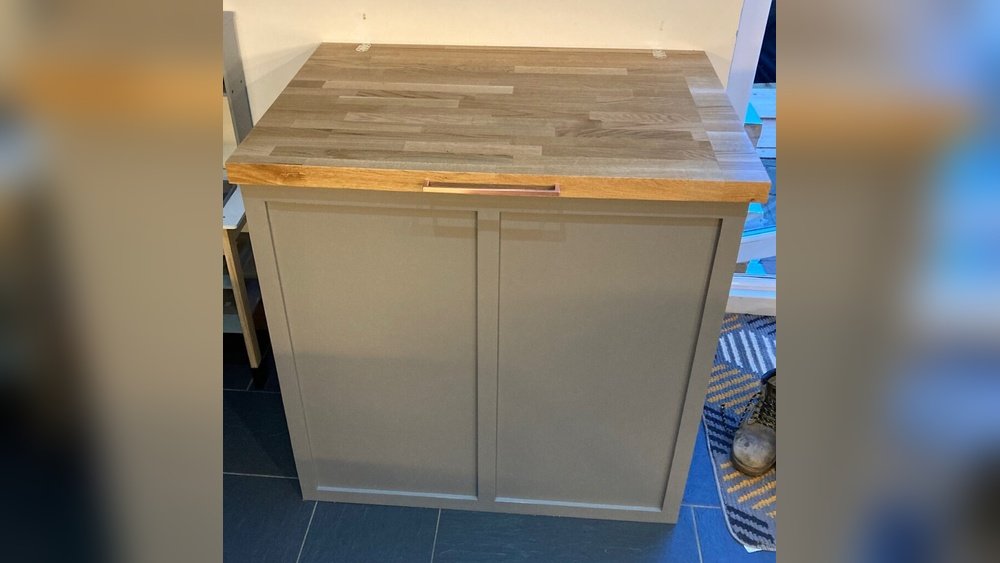
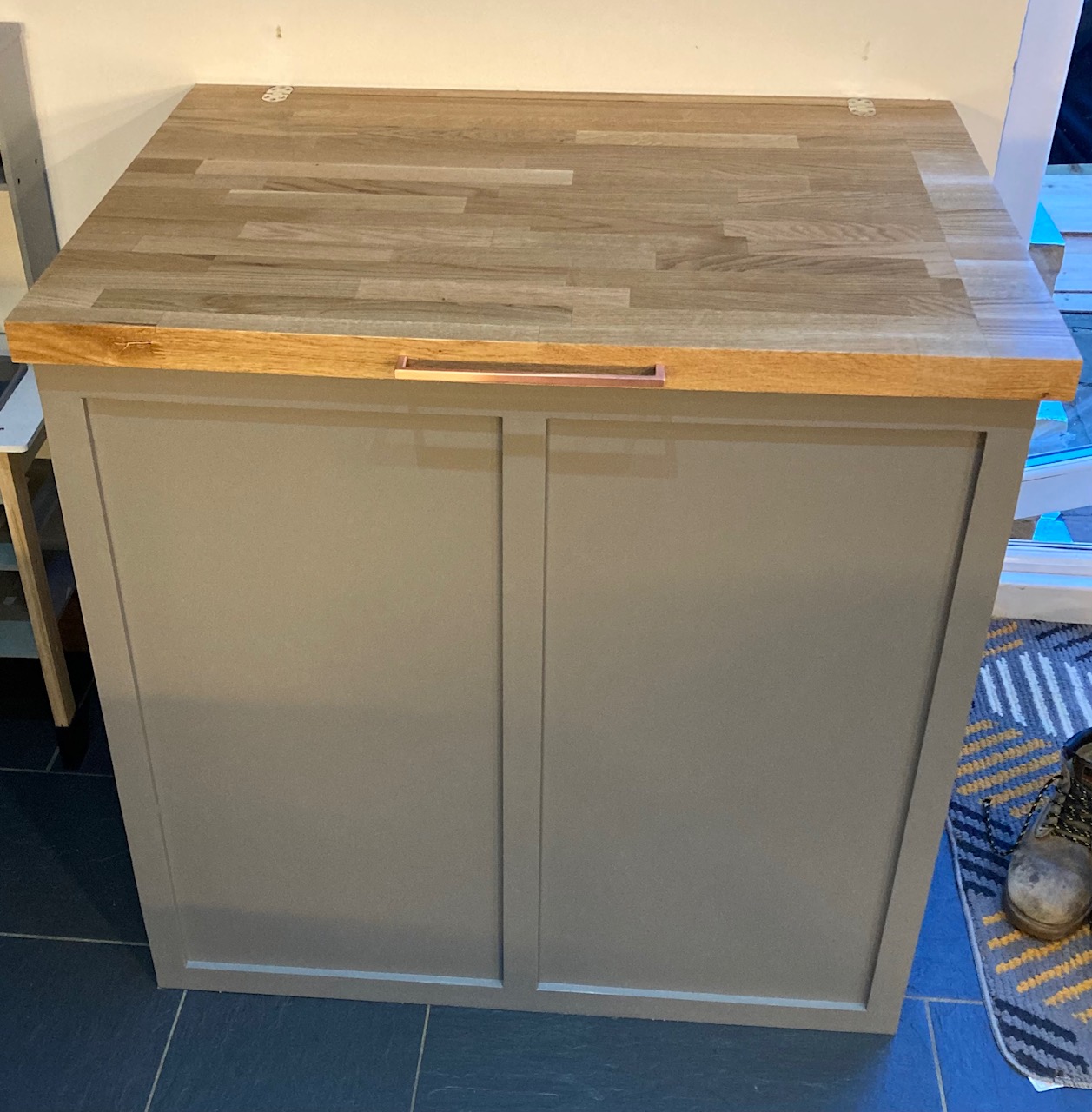
1. Custom Cabinet Enclosure
Building a cabinet around your freezer is one of the most seamless ways to hide it. This works well in kitchens, laundry rooms, or basements.
How It Works
A carpenter or skilled DIYer builds a cabinet that matches your other furniture. It has a door or removable panel for easy access. Ventilation holes or mesh panels let air flow freely.
Pros
- Matches your home’s style
- Keeps freezer fully hidden
- Can add shelves or storage on top
Cons
- More expensive
- Needs measuring and planning
Practical Tip
Install a “false front” that looks like drawers or cabinets. This makes your freezer almost invisible.
2. Sliding Door Or Barn Door Cover
A sliding door is a stylish way to hide a freezer, especially in modern or farmhouse-style homes.
How It Works
Mount a sliding door on rails in front of your freezer. Slide it open when you need the freezer, and close it to hide.
Pros
- Easy to use
- Adds a design feature
- Can be installed with basic tools
Cons
- Needs wall space for the door to slide
- May cost more if using solid wood
Non-obvious Insight
Use a mirrored or chalkboard door. The mirror makes the room look bigger, or you can write shopping lists on the chalkboard.
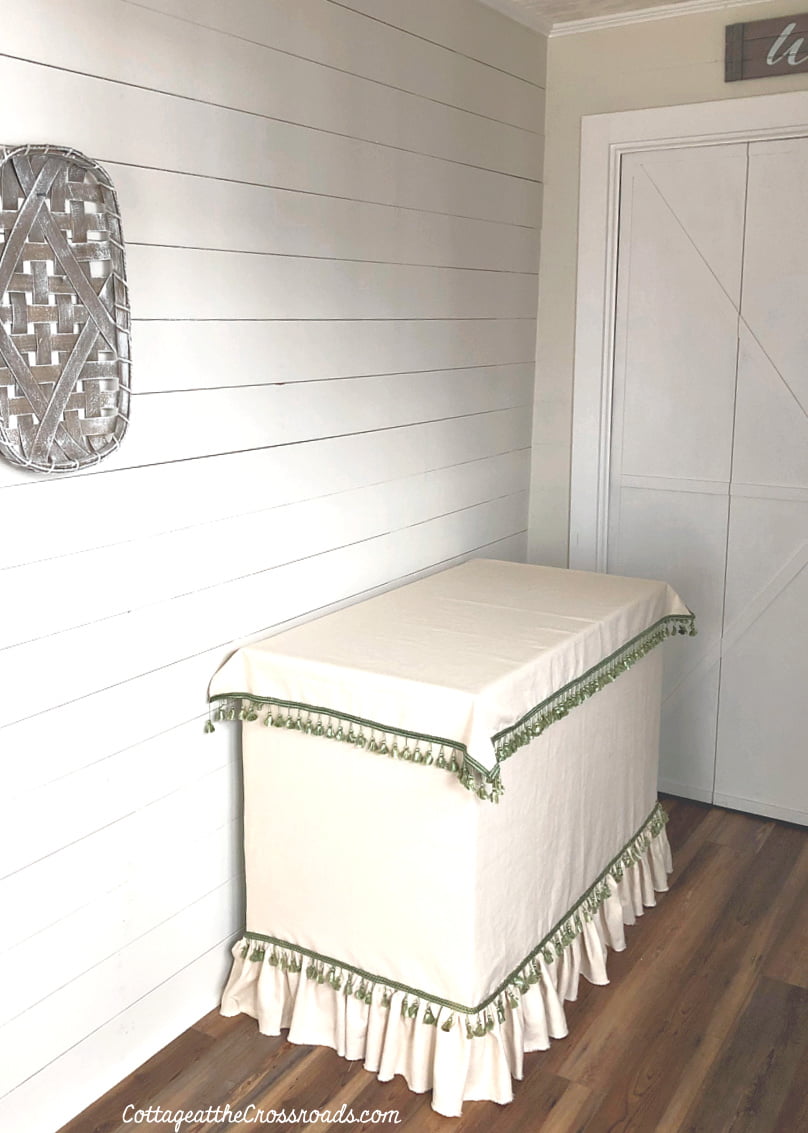
3. Fabric Skirt Or Curtain
For quick and cheap hiding, use a curtain or fabric skirt around your freezer.
How It Works
Attach fabric to the ceiling, shelves, or directly to the freezer using adhesive hooks or Velcro. Pick a color or pattern that matches your room.
Pros
- Very affordable
- Easy to change or clean
- No tools needed
Cons
- Not as “finished” as other solutions
- Fabric can get dirty over time
Practical Example
Many people use this method in laundry rooms, garages, or craft spaces where looks are less important.
4. Room Divider Or Folding Screen
A folding screen or room divider creates a flexible wall. You can move it anytime and use it to hide other things too.
How It Works
Buy or build a screen that is taller than your freezer. Place it in front or to the side. Choose a design that suits your room.
Pros
- No installation needed
- Easy to move or remove
- Adds privacy
Cons
- Takes up extra floor space
- May not match all decor styles
Non-obvious Insight
Some screens have pockets or shelves. Use them for extra storage or decoration.
5. Built-in Kitchen Island
If you are remodeling your kitchen, hide your freezer in a custom kitchen island.
How It Works
The island is built with a “hidden” compartment for the freezer. The top can be used as a counter.
Pros
- Saves space
- Looks very modern
- Great for open kitchens
Cons
- High cost
- Needs professional design
Practical Tip
Choose wheels for the island so you can move it if needed.
6. Under-counter Installation
If your freezer is small, install it under the counter, like a mini-fridge.
How It Works
Remove a section of lower cabinets and slide the freezer in. Use a cabinet door to cover the front.
Pros
- Very discreet
- Saves space
- Easy access
Cons
- Only works for smaller freezers
- Needs careful measuring
Non-obvious Insight
Add a pull-out drawer above the freezer for extra storage.
7. Pantry Or Closet Conversion
Turn A Pantry Or Closet Into A “freezer Room.”
How It Works
Clear out shelves and make space for the freezer. Add ventilation if needed. Use the door to keep the freezer out of sight.
Pros
- Fully hidden
- Can add shelves for food storage
- Locks for safety
Cons
- Needs enough closet space
- May need electrical work
Practical Tip
Install a motion sensor light inside for easy access.
8. Decorative Wooden Crate Or Box
Use a large decorative wooden crate or box as a cover.
How It Works
Build or buy a box that fits over the freezer, leaving space for air. Add handles or wheels for easy moving.
Pros
- Rustic look
- Easy to remove
- Can paint or stain to match decor
Cons
- May be heavy to move
- Needs good measuring
Non-obvious Insight
Add a hinged lid for top-opening freezers so you do not need to remove the whole box.
9. Furniture Integration
Hide your freezer inside a piece of furniture, like a sideboard, bench, or bookshelf.
How It Works
Modify furniture to fit the freezer inside, or buy furniture designed for appliances.
Pros
- Dual use: Seating or storage
- Saves space
- Can match any style
Cons
- May need custom work
- Not always possible for large freezers
Practical Example
A storage bench in the mudroom can hide a small chest freezer and give you a place to sit.
10. Garage Or Basement Concealment
If your freezer is in the garage or basement, you can use larger covers or even build a small room around it.
How It Works
Use panels, screens, or build a small “closet” with a door.
Pros
- More options for size and style
- Less worry about looks
Cons
- Can be more work
- Needs good ventilation
Non-obvious Insight
Paint the cover or closet with chalkboard paint for notes and labels.
Comparison: Hiding Methods At A Glance
Here is a quick look at some popular methods, their cost, and difficulty.
| Method | Cost | DIY Difficulty | Best For |
|---|---|---|---|
| Custom Cabinet | High | Advanced | Kitchens, open spaces |
| Sliding Door | Medium | Moderate | Modern homes |
| Fabric Curtain | Low | Easy | Laundry, garage |
| Room Divider | Medium | Easy | Living rooms |
| Wooden Crate | Low-Medium | Moderate | Rustic decor |
Step-by-step Guide: Hiding A Deep Freezer With A Fabric Skirt
Let’s walk through one of the simplest and cheapest ways to hide a chest or upright freezer: a fabric skirt.
Materials Needed
- 2–3 yards of heavy fabric (choose a color or pattern you like)
- Double-sided Velcro strips or adhesive hooks
- Scissors
- Measuring tape
Steps
- Measure the freezer: Measure the height and the distance around the sides and front.
- Cut the fabric: Add 2–3 inches to each side for hems or folding.
- Attach Velcro or hooks: Stick Velcro or hooks to the top edges of the freezer (not blocking vents).
- Hang the fabric: Press the fabric onto the Velcro or hang it from the hooks. Make sure it covers the sides and front but leaves the back open for air.
- Check for airflow: Make sure vents are not blocked. Adjust as needed.
Practical Tips
- Washable fabric is best for kitchens or laundry rooms.
- For top-opening freezers, use two pieces of fabric with a split in the middle.
Mistakes To Avoid When Hiding A Deep Freezer
Even small mistakes can cause big problems. Here are some to watch for:
- Blocking air vents: This can overheat the motor and break the freezer.
- Using thin extension cords: Always plug freezers directly into the wall.
- Forgetting about cleaning: Make sure you can move or remove covers for cleaning spills or dust.
- Ignoring the user manual: Always follow the manufacturer’s rules for installation.
- Overloading with heavy items: Do not put heavy decorations or storage on top of the freezer.
Credit: cottageatthecrossroads.com
Advanced Solutions: Built-in And Integrated Freezers
Some homes use built-in or integrated freezers for a seamless look.
What Are They?
A built-in freezer is installed inside a cabinet or wall. An integrated freezer has a door that matches your cabinets. Both are hidden but cost more.
Who Needs Them?
People remodeling a kitchen, building a new home, or with a higher budget.
Non-obvious Insight
Check for special ventilation needs. Built-in freezers need extra airflow compared to regular models.
How To Choose The Best Hiding Method For Your Space
Your best option depends on your needs, room layout, and freezer type. Here are some factors to help you decide:
1. Size And Shape Of Freezer
- Chest freezers (open from the top) need space above. Do not use heavy covers.
- Upright freezers (open like a fridge) can fit under counters or in cabinets more easily.
2. Location In The Home
- Kitchens: Cabinets, sliding doors, or islands work best.
- Basements or garages: Screens, fabric, or small “closets” are easier.
- Living rooms: Furniture integration or decorative crates.
3. Budget And Skills
- Low budget: Fabric, screens, or crate covers.
- Medium budget: Sliding doors or under-counter options.
- High budget: Custom cabinetry or built-in solutions.
4. Style And Decor
Pick a method that matches your home’s look. For example, rustic crates for country homes, sleek sliding doors for modern apartments.
5. Frequency Of Use
If you open your freezer often, choose a cover that is easy to move or open.
Comparison: Hiding Methods By Freezer Type
Here is a quick summary for chest vs upright freezers.
| Hiding Method | Chest Freezer | Upright Freezer |
|---|---|---|
| Fabric Skirt | ✔️ | ✔️ |
| Sliding Door | ✔️ | ✔️ |
| Under-Counter | ❌ | ✔️ |
| Kitchen Island | ✔️ | ❌ |
| Furniture Integration | ✔️ (benches, crates) | ✔️ (cabinets) |
Extra Tips For Disguising A Deep Freezer
Sometimes, you do not need to fully hide the freezer. A few simple tricks can help it blend in:
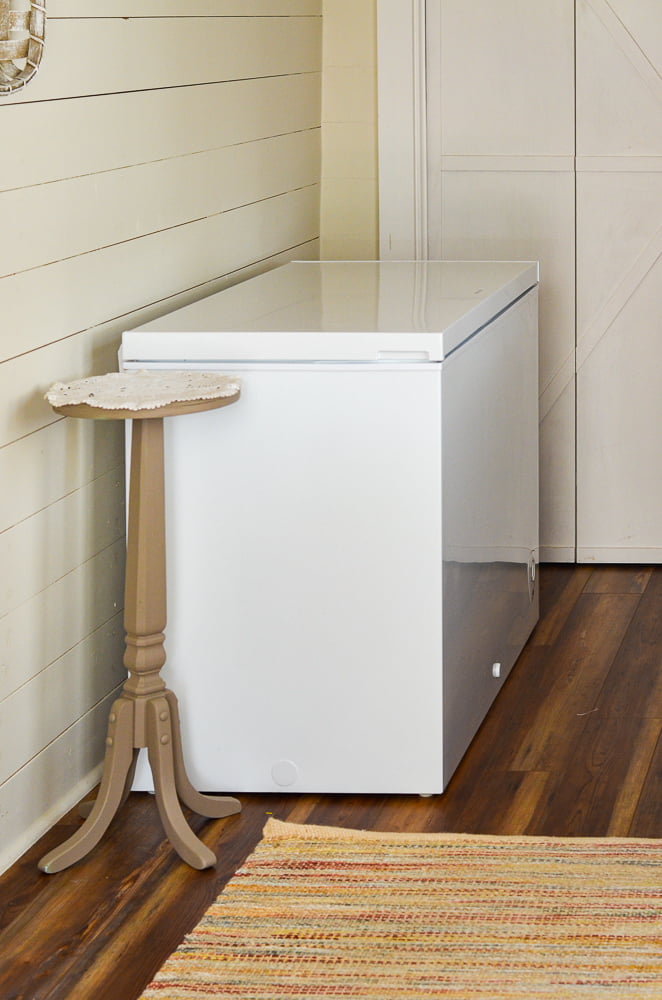
- Paint the freezer: Use appliance paint in a color that matches your walls.
- Add magnets or decals: Fun for kids’ rooms or playrooms.
- Top with a tray: Use a decorative tray for small items, but do not block airflow.
- Surround with plants: Tall potted plants can “frame” the freezer without blocking it.
Credit: cottageatthecrossroads.com
Maintenance And Safety After Hiding
After you hide your freezer, keep it running safely:
- Check vents every month for dust or blockages.
- Defrost the freezer as needed.
- Clean spills quickly to avoid smells.
- Test the door seal to make sure it closes tightly.
- Watch for leaks if you use fabric or wood nearby.
Real-life Examples
Here are some ways people have successfully hidden their deep freezers:
- In a small city apartment, a renter used a room divider with a hanging plant. The freezer was hidden in the living room, but easy to reach.
- A large family converted a hallway closet into a freezer pantry, adding shelves for dry food and a motion light.
- A garage workshop used a tall wooden box with wheels. The box was painted to match the tool cabinets, and the freezer was out of sight.
- A country kitchen hid a chest freezer under a long table with a pretty fabric skirt, using the top for extra counter space.
- A modern home built a cabinet around the freezer with a sliding barn door, adding style and keeping the freezer hidden.
Credit: phil.lavin.me.uk
Common Questions And Concerns
Many people worry about hiding a freezer for the first time. Here are some common issues:
- “Will my freezer overheat?” Only if you block the vents or use the wrong enclosure. Always check airflow.
- “Is it safe to use fabric or wood covers?” Yes, if you keep them away from vents and follow safety tips.
- “Will it be hard to clean?” Choose covers that are easy to move or wash.
- “Do I need a professional?” Only for built-in or major changes. Most methods are simple DIY.
Table: Ventilation Space Needed (typical Guide)
| Freezer Side | Minimum Space |
|---|---|
| Back | 3–4 inches |
| Sides | 2–3 inches |
| Top | 4–6 inches |
| Bottom | On feet/legs, do not block |
*Always check your freezer’s manual for exact needs. *
Useful Resources
If you want more ideas or help, sites like Family Handyman offer step-by-step guides for home projects.
Frequently Asked Questions
How Much Space Should I Leave Around My Deep Freezer For Safety?
You should leave at least 2–3 inches on the sides and 3–4 inches at the back for airflow. The top should have 4–6 inches if possible. Check your manual, as some freezers need more space.
Can I Paint My Deep Freezer To Help It Blend In?
Yes, you can use appliance paint made for metal surfaces. Clean the surface well and follow the paint instructions. Make sure paint does not get into vents or seals.
Is It Safe To Put A Deep Freezer In A Closet Or Pantry?
Yes, if you leave enough room for ventilation and have a strong power outlet. Never close the freezer in tightly or block the vents.
What Is The Cheapest Way To Hide A Deep Freezer?
A fabric skirt or room divider are usually the cheapest options. They are easy to install and move, and you can change the look anytime.
Will Hiding My Deep Freezer Affect Its Energy Use?
If you block airflow, your freezer will use more energy and may wear out faster. Always keep vents open and check for dust or blockages monthly.
Hiding a deep freezer is not just about looks—it is also about safety and function. With the right method, your home can look better, stay organized, and keep your food fresh for years to come.