
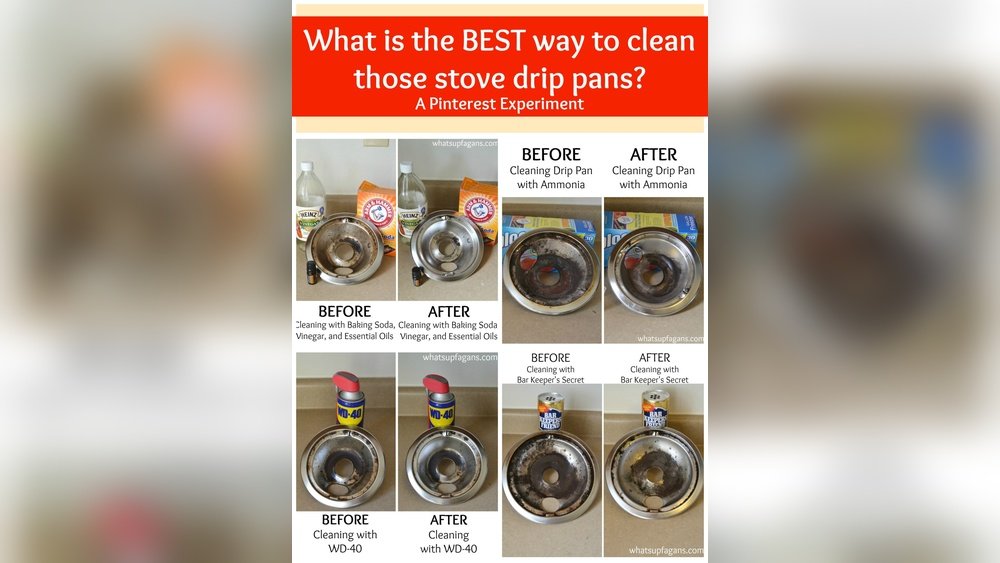
Keeping your stove top pans clean isn’t just about making your kitchen look good—it’s also about cooking safely and making your pans last longer. Over time, grease, burnt-on food, and stains can build up. If you don’t clean pans properly, you might notice food sticking more, strange smells, or even smoke. For many, cleaning these pans feels like a big job. But with the right method, it can be simple and satisfying. In this guide, you’ll find practical steps, expert tips, and solutions for every kind of stove top pan, from stainless steel to cast iron and nonstick. By the end, you’ll know how to keep your pans in top shape with less effort and better results.
Understanding Your Stove Top Pans
Before you start cleaning, it’s important to know what kind of stove top pan you have. Each material has its own cleaning needs. Using the wrong method can damage your pan or make it lose its nonstick abilities.
Common Types Of Stove Top Pans
- Stainless steel: Durable and popular. Can handle scrubbing but can stain.
- Nonstick: Easy to cook with, but the coating is delicate.
- Cast iron: Heavy and long-lasting. Needs special care to keep seasoning.
- Enameled cast iron: Easier to clean than regular cast iron, but chips if handled roughly.
- Copper: Great heat control, but stains easily.
- Aluminum: Lightweight and heats up fast, but can scratch.
Why Pan Material Matters
For example, using steel wool on a nonstick pan will scratch the coating. Letting cast iron soak in water can cause rust. Stainless steel can handle more scrubbing, but harsh chemicals can leave marks. If you know your pan’s material, you’ll avoid common mistakes and keep your pans in good condition.
Essential Tools And Supplies For Cleaning
Having the right tools makes cleaning much easier. You don’t need a lot of fancy products; simple items often work best. Here’s a breakdown of what you should have:
| Tool/Supply | Best For | Extra Tips |
|---|---|---|
| Soft sponge | Nonstick, stainless steel | Avoid abrasive side for nonstick |
| Plastic scraper | Stuck food bits | Safe for most pans |
| Baking soda | Stains, burnt-on residue | Gentle abrasive |
| White vinegar | Grease, stains | Can deglaze pans |
| Dish soap | Everyday cleaning | Choose mild, unscented |
| Paper towels or microfiber cloth | Drying | Microfiber leaves less lint |
| Steel wool or scouring pad | Stainless steel, cast iron (not nonstick) | Use with care |
A practical insight: Many people forget to use plastic scrapers, which can lift stuck food without scratching surfaces. Also, keeping a separate sponge for nonstick pans prevents accidental damage from leftover grit.

Credit: www.youtube.com
Basic Cleaning Steps For All Stove Top Pans
No matter the type of pan, there are simple steps everyone should follow after cooking. This keeps your pans in good condition and avoids stains building up.
Daily Cleaning Routine
- Let the pan cool: Don’t put a hot pan in cold water—it can warp or crack.
- Remove loose food: Use a paper towel or soft brush to get rid of crumbs or oil.
- Wash with warm water and dish soap: Use a soft sponge or cloth.
- Rinse well: Soap left behind can affect taste and damage coatings.
- Dry immediately: Water spots and rust can form if left wet.
One thing many people miss: Drying is as important as washing. Leaving water on the pan can cause rust (cast iron) or stains (stainless steel).
Deep Cleaning Techniques By Pan Material
Sometimes, daily washing isn’t enough. Burnt-on stains, discoloration, or sticky residue might need extra attention. But deep cleaning methods depend on the pan’s material.
Deep Cleaning Stainless Steel Pans
Stainless steel is tough, but it can get rainbow stains, burnt food, or grease.
- Fill the pan with water and vinegar (1: 1 ratio).
- Bring to a boil: This lifts stuck bits.
- Turn off the heat and add baking soda: It will fizz and help loosen stains.
- Let cool, then scrub gently with a non-abrasive sponge.
- For rainbow stains, make a paste of water and baking soda, rub gently, and rinse.
A common mistake is scrubbing with steel wool. While steel wool is okay for tough stains, it can scratch if used too often. Try baking soda first.
Deep Cleaning Nonstick Pans
Nonstick pans need gentle care to avoid damaging the coating.
- Soak in warm, soapy water for 10–15 minutes.
- Use a soft sponge (never steel wool) to remove residue.
- Stubborn stains? Make a paste of baking soda and water, apply, let sit, then wipe away gently.
- Rinse and dry well.
Never use cooking spray on nonstick pans—it creates a sticky residue that’s very hard to remove. If your nonstick pan is losing its coating, it’s usually time to replace it.
Deep Cleaning Cast Iron Pans
Cast iron pans last for generations but need special care.
- Avoid soaking in water: Water can cause rust.
- Scrape off stuck food with a plastic scraper or coarse salt and paper towel.
- Wash with warm water (no soap if possible), scrubbing with a brush.
- Dry immediately: Place on low heat to evaporate water.
- Rub with a thin layer of oil to keep seasoning.
If your cast iron gets rusty, scrub with steel wool, rinse, dry, and re-season by rubbing with oil and heating in the oven.
Deep Cleaning Enameled Cast Iron Pans
Enameled cast iron is less fussy but can stain.
- Soak in hot water and dish soap for 20–30 minutes.
- Use a nylon scrubber to gently remove stains.
- For stubborn spots, fill with water, add baking soda, simmer, then cool and scrub.
- Dry well.
Avoid using steel wool—enamel can chip, and chips can become rusty.
Deep Cleaning Copper Pans
Copper pans look beautiful but tarnish easily.
- Make a paste of lemon juice (or vinegar) and salt.
- Rub the paste on the copper with a soft cloth.
- Rinse and dry.
- For inside (if lined with tin or stainless steel), treat as you would those materials.
Don’t use abrasive pads—they scratch easily.
Deep Cleaning Aluminum Pans
Aluminum pans are easy to scratch.
- Wash with warm, soapy water and a soft sponge.
- For stains, mix cream of tartar with water to form a paste, apply and rub gently.
- Avoid acidic cleaners—they can react with the metal.
- Rinse and dry.
A non-obvious tip: Some aluminum pans are dishwasher safe, but check the manufacturer’s instructions. Dishwashers can discolor plain aluminum.
Removing Tough Stains And Burnt Residue
Burnt food happens to everyone. The secret is not to panic or use harsh chemicals that damage pans. Here are proven methods for tackling tough messes:
- Baking soda and vinegar: Sprinkle baking soda on the burnt area, add a little vinegar, let bubble, then scrub gently.
- Boiling water method: Fill the pan with water, bring to a boil, let cool, and scrape off residue.
- Soak overnight: Fill with warm, soapy water and let sit overnight for stubborn grime.
- Commercial cleaners: Only use products made for your pan’s material. Read labels carefully.
People often use oven cleaner or bleach on pans—don’t do this. These chemicals can damage coatings and make pans unsafe for food.
How To Clean Pan Bottoms And Exteriors
People often forget about the bottom of their pans, but burnt grease and stains can build up fast. This can affect heat distribution and even leave stains on your stove.
Cleaning Stainless Steel Or Aluminum Bottoms
- Make a paste with baking soda and water.
- Spread the paste on the pan bottom.
- Let sit for 10–15 minutes.
- Scrub with a sponge or nylon pad.
- Rinse and dry.
Cleaning Nonstick Pan Bottoms
Use only the soft side of the sponge and mild dish soap. Don’t use abrasive pads—scratches on the bottom can transfer to the stove and cause uneven cooking.
Cleaning Cast Iron Or Enameled Cast Iron Bottoms
If the bottom is rusty, scrub with coarse salt and a little oil. For enameled pans, use baking soda paste and a soft cloth.
Natural And Diy Cleaning Solutions
Many people prefer to avoid harsh chemicals. Luckily, simple items from your kitchen can do the trick.
- Baking soda: Lifts stains and burnt food without scratching.
- White vinegar: Cuts grease and helps with odors.
- Lemon and salt: Polishes copper and removes stains.
- Cream of tartar: Great for aluminum.
Not all natural cleaners are safe for all pans. For example, vinegar shouldn’t be used on cast iron—it removes the seasoning. Always test on a small area first.
How To Clean Stove Grates And Pan Supports
If your stove uses removable grates or supports for pans, these get greasy too. Cleaning them helps keep your pans and your stove top clean.
- Remove grates and supports (when cool).
- Soak in hot, soapy water for 15–30 minutes.
- Scrub with a nylon brush or pad.
- Rinse and dry well before putting back.
For burnt-on grease, make a paste of baking soda and water, apply, let sit, then scrub.
Mistakes To Avoid When Cleaning Stove Top Pans
Even well-meaning cooks can damage their pans with the wrong cleaning habits. Here are some common mistakes and what to do instead:
- Using harsh abrasives on nonstick pans: This removes the coating.
- Letting cast iron soak in water: Causes rust and destroys seasoning.
- Using bleach or oven cleaner: These chemicals can make pans unsafe for food.
- Not drying pans immediately: This leads to water spots and rust.
- Putting nonstick or aluminum pans in the dishwasher: Can warp or discolor them.
A non-obvious insight: Repeatedly overheating pans (especially when dry) makes stains and burnt residue harder to remove. Always use the right heat setting for your pan.
How To Maintain Stove Top Pans For Longer Life
Cleaning pans properly is only part of the story. Good maintenance makes them last longer and cook better.
Seasoning Cast Iron
Seasoning means adding a thin layer of oil and heating it so it forms a protective, nonstick coating. After each cleaning, rub a small amount of oil on your dry cast iron pan and heat gently.
Protecting Nonstick Surfaces
Always use wooden or silicone utensils. Avoid high heat and don’t stack heavy pans on top of each other—they can scratch.
Preventing Stains On Stainless Steel
Don’t add salt to cold water in the pan—wait until water is boiling. Salt can cause pitting (small marks) in stainless steel.
Storing Pans Properly
Use pan protectors or towels between stacked pans to avoid scratches. Store with lids off to avoid moisture buildup.
Comparing Cleaning Methods For Different Pan Materials
It’s helpful to see at a glance which cleaning methods are best for each pan material:
| Pan Material | Dishwasher Safe | Abrasive Allowed? | Soak Allowed? | Best Cleaning Method |
|---|---|---|---|---|
| Stainless Steel | Yes (most) | Sometimes | Yes | Baking soda, vinegar, scrubbing |
| Nonstick | Rarely | No | Yes (short time) | Warm soapy water, soft sponge |
| Cast Iron | No | Yes (rarely) | No | Salt scrub, oil seasoning |
| Enameled Cast Iron | Some | No | Yes | Baking soda, gentle scrub |
| Copper | No | No | Yes (brief) | Lemon/salt paste, soft cloth |
| Aluminum | Sometimes | No | Yes | Cream of tartar paste, soft sponge |
Special Care Tips For High-end Or Specialty Pans
Some pans are expensive or have special coatings, so they need extra care.
- Induction-compatible pans: These often have a special base. Don’t scrub with steel wool.
- Ceramic-coated pans: Use only soft sponges, no metal utensils, and avoid sudden temperature changes.
- Professional chef’s pans: Follow manufacturer’s instructions for cleaning and seasoning.
For rare or high-value pans, check the manual or visit an official website like Cuisinart for advice.
Credit: www.aarp.org
How Often Should You Clean Stove Top Pans?
- Daily: Basic cleaning after every use.
- Weekly: Check for stains or burnt bits that need extra attention.
- Monthly: Deep clean, including pan bottoms and handles.
If you cook with oil or sauces often, you may need to deep clean more frequently.
What To Do If A Pan Is Beyond Cleaning
Sometimes, no matter how hard you try, a pan is too damaged to save. Signs it’s time to replace:
- Warped shape: Food cooks unevenly.
- Cracked coating: Nonstick pieces come off in food.
- Heavy rust: Especially for cast iron, if rust keeps returning.
- Loose handles: Dangerous to use.
For nonstick pans, if the coating peels, it can be unhealthy to keep using it.
Cleaning Pans In Shared Or Professional Kitchens
If you share a kitchen or cook professionally, cleaning is even more important.
- Always clean pans right after use. Don’t leave for others.
- Label sponges and cleaning tools for different pan types.
- Train everyone on proper cleaning methods for each kind of pan.
This avoids damage and keeps everyone safe.
Eco-friendly Cleaning And Disposal
If you want to be more eco-friendly:
- Use biodegradable soap and reusable cloths.
- Avoid harsh chemicals that pollute water.
- Recycle old pans if possible—many cities have metal recycling programs.
When To Call In A Professional
If you have a very expensive pan or a pan with sentimental value (like a family heirloom), and it’s badly stained or damaged, some companies offer professional cleaning or restoration. This can save the pan and restore its look and function.
Frequently Asked Questions
How Do I Remove Burnt Food From A Nonstick Pan?
Soak the pan in warm, soapy water for 10–15 minutes. Use a soft sponge to gently scrub. For tough spots, make a paste of baking soda and water, apply, let sit, then wipe away. Never use steel wool or harsh cleaners.
Can I Put My Stove Top Pans In The Dishwasher?
Some stainless steel and aluminum pans are dishwasher safe, but nonstick, cast iron, and most specialty pans are not. Always check the manufacturer’s instructions—dishwashers can warp, discolor, or damage many pans.
How Do I Keep My Cast Iron Pan From Rusting?
Never let it soak in water and always dry immediately after washing. After drying, rub a small amount of oil on the surface and heat gently. Store in a dry place. If rust appears, scrub with steel wool, rinse, dry, and re-season.
What Is The Safest Way To Clean Copper Pans?
Use a paste of lemon juice (or vinegar) and salt, rub gently with a soft cloth, then rinse and dry. Avoid abrasive pads—they can scratch the copper. For the inside, clean as you would with the lining material (stainless steel or tin).
How Often Should I Deep Clean My Stove Top Pans?
Do a basic clean after every use. Deep clean your pans once a month, or more often if you notice stains, burnt-on food, or sticky residue. Check pan bottoms and handles during deep cleaning.
Taking good care of your stove top pans doesn’t have to be hard work. With the right routine, tools, and a little know-how, you can keep every type of pan looking and working its best. Clean pans make for better meals, safer cooking, and a kitchen you can be proud of.
:max_bytes(150000):strip_icc()/how-to-clean-stove-drip-pans-5073245-01-74c48ad087be4bebaf6f12a3ff83008f.jpg)
Credit: www.thespruce.com