
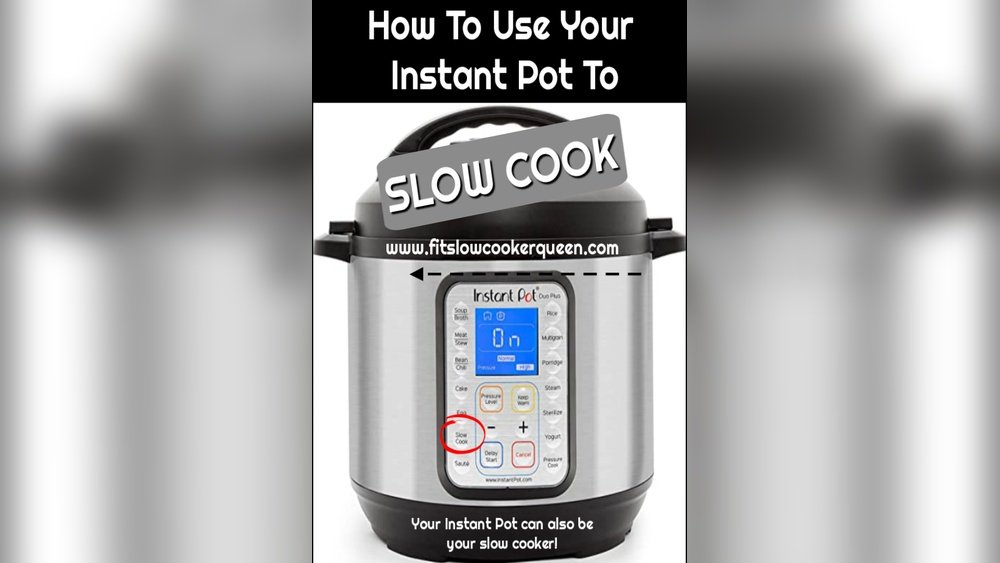
Using your Instant Pot as a slow cooker can seem confusing, especially if you’re used to traditional slow cookers or just starting with multi-cookers. The Instant Pot is famous for pressure cooking, but its slow cooker function is powerful and convenient too.
With some guidance, you can make flavorful stews, soups, tender meats, and more—without babysitting a stove all day.
Many people buy an Instant Pot and only use a few buttons. But unlocking its slow cooker mode saves time, uses less energy, and means fewer appliances on your kitchen counter. With the right settings, accessories, and techniques, your Instant Pot can replace your old slow cooker for nearly any recipe.
Here’s how to get the best results, avoid common mistakes, and make the most of the Instant Pot slow cooker function.
Understanding The Instant Pot Slow Cooker Function
Before you start, it’s important to know how the slow cook function works in the Instant Pot. Unlike pressure cooking, which cooks food quickly using high pressure, the slow cook mode works at lower temperatures, simulating the gentle heat of a classic Crock-Pot.
How Slow Cooking Works In The Instant Pot
The Instant Pot slow cooker function uses the heating element at the bottom. The heat then spreads up the sides, but it’s less intense than a stovetop. The lid also affects heat retention—using the glass lid helps moisture escape, while the standard pressure lid traps more steam.
Three heat levels are available:
- Normal: Comparable to “low” on traditional slow cookers
- More: Similar to “high” on slow cookers
- Less: Good for keeping food warm or gentle simmering
However, many users notice that the temperatures are sometimes lower than classic slow cookers. This means recipes might take longer if you simply use the same time as the original slow cooker instructions.
Differences From A Traditional Slow Cooker
A key difference is heating element placement. Most slow cookers heat from the bottom and sides, while the Instant Pot’s heat source is only at the bottom. This can lead to uneven cooking if the pot isn’t full enough. Another difference is the lid. The pressure lid is designed to seal tightly, which can cause extra moisture to collect, making some dishes watery.
Some Instant Pot models don’t get as hot as slow cookers, especially on “Normal” or “Less. ” That’s why it’s often better to use “More” for most recipes. Always check your food’s doneness, especially with meats, to ensure food safety.
Pro tip: If you’re new to slow cooking, don’t be surprised if your recipe takes 20-30% longer in the Instant Pot than a classic slow cooker.
Choosing The Right Settings And Equipment
Getting the best results from the Instant Pot’s slow cooker function is about choosing the right settings and using the right tools. Here’s what to consider:
Selecting The Best Lid
The lid you use can change the outcome of your dish. The Instant Pot comes with a pressure lid, which locks tightly and doesn’t let moisture escape. For slow cooking, it’s better to use the Instant Pot glass lid (sold separately) or any glass lid from another pot that fits. This allows steam to escape and prevents food from becoming too watery.
If you only have the pressure lid, set the steam release valve to “venting” so moisture can escape, but be aware that the seal is still tighter than a traditional slow cooker.
Pot Size And Filling
Fill the inner pot at least halfway, but not more than two-thirds full. This ensures even cooking. For small batches, the heat may not spread evenly, leading to undercooked food at the top and sides.
Accessory Use
Some recipes benefit from using a trivet or a silicone sling, especially when slow cooking foods that can stick or burn easily. For example, using a trivet under a pot-in-pot (PIP) dish can help custards or cheesecakes cook gently without direct contact with the heating element.
Using The Right Setting
The Instant Pot offers three slow cook settings:
- Less (low)
- Normal (medium)
- More (high)
Most slow cooker recipes use “low” or “high. ” Start with “More” for most dishes, especially meats, to ensure proper cooking. If you’re making something delicate (like custards or dips), “Normal” may be enough.
Step-by-step Guide: Using The Instant Pot As A Slow Cooker
Let’s break down the process into simple steps. Follow these for reliable results with most slow cooker recipes.
1. Prepare Ingredients
Chop, season, and measure all your ingredients. For the best results, cut meats and vegetables into even pieces so they cook evenly. Brown meats if you want deeper flavor, but this is optional for most slow cooker recipes.
2. Insert Ingredients
Place everything in the inner pot. If using a pot-in-pot method or a trivet, set those up first. Avoid overfilling.
3. Attach The Lid
Use a glass lid if available. If not, use the Instant Pot pressure lid with the steam release valve set to “venting. ” This helps prevent pressure buildup.
4. Select The Slow Cook Program
Press “Slow Cook” on the control panel. Adjust the time using the “+” and “-” buttons. Choose the heat level:
- Press “Adjust” to toggle between Less, Normal, and More.
- Use “More” for most recipes unless you know your Instant Pot runs hot.
5. Start Cooking
Press “Start” if your model has this button. If not, it begins automatically after a few seconds. The display will show the cooking time countdown.
6. Stir And Check Occasionally
Unlike pressure cooking, you can open the lid during slow cooking. Stir once or twice to prevent sticking and check for doneness, especially if cooking meats or dense vegetables.
7. Finish And Serve
When the timer ends, the Instant Pot will switch to “Keep Warm” mode. Check that meats are at safe internal temperatures (for chicken: 165°F, for beef/pork: 145°F). Serve your meal hot.
Common Mistakes And How To Avoid Them
Even experienced cooks can run into problems when switching from a regular slow cooker to the Instant Pot. Here are some common mistakes and how to sidestep them:
Using The Pressure Lid Without Venting
The pressure lid, when set to “sealing,” keeps in all the moisture, which can turn soups into watery stews and sauces into thin broths. Always set the valve to “venting” or use a glass lid.
Not Adjusting Cooking Times
Recipes made for classic slow cookers may need more time in the Instant Pot. Start by increasing the cooking time by 20-30% and check for doneness before serving.
Adding Too Much Liquid
Because the Instant Pot lid traps steam, dishes can become too watery. Try reducing the liquid by 10-20% compared to standard slow cooker recipes.
Not Sautéing Aromatics First
For more flavor, use the “Sauté” function to cook onions, garlic, or spices before switching to “Slow Cook. ” This step unlocks deeper, richer flavors.
Overcrowding The Pot
Filling the pot too full can lead to uneven cooking and food safety risks. Stick to the recommended fill line.
Instant Pot Slow Cooker Recipes: Examples And Tips
To help you get started, here are three classic slow cooker recipes adapted for the Instant Pot. Each recipe includes tips for best results.
Classic Beef Stew
Ingredients:
- 2 lbs beef chuck, cut into 1-inch pieces
- 4 cups beef broth
- 4 carrots, chopped
- 3 potatoes, diced
- 1 onion, chopped
- 2 celery stalks, sliced
- 2 tbsp tomato paste
- 2 tsp salt
- 1 tsp black pepper
- 1 tsp dried thyme
- 2 tbsp flour (optional, for thickening)
Instructions:
- Use “Sauté” to brown beef in batches.
- Add onions, carrots, celery, and cook for 2 minutes.
- Stir in tomato paste, then add broth and seasonings.
- Add potatoes last.
- Place the lid (glass or vented pressure lid).
- Set to “Slow Cook” on “More” for 8-10 hours.
- Stir halfway; add flour mixed with a little water to thicken if needed in the last hour.
Tips: Instant Pot may take 9-11 hours for tender beef. Reduce broth by 1/2 cup compared to slow cooker recipes.
Creamy Chicken And Rice
Ingredients:
- 2 lbs boneless, skinless chicken breasts
- 1 cup long-grain rice (uncooked)
- 3 cups chicken broth
- 1 cup carrots, diced
- 1 cup frozen peas
- 1 onion, chopped
- 1 can cream of mushroom soup
- 1 tsp garlic powder
- 1 tsp salt
- 1/2 tsp black pepper
Instructions:
- Place chicken, rice, carrots, and onion in the pot.
- Pour broth and soup over ingredients.
- Add seasonings.
- Use glass lid or vented pressure lid.
- Set to “Slow Cook” on “More” for 5-6 hours.
- Add peas in the last 30 minutes.
- Shred chicken and stir before serving.
Tips: Check rice for doneness at 5 hours. If rice is still firm, add 1/4 cup more broth and cook another 30 minutes.
Vegetarian Chili
Ingredients:
- 2 cans black beans, drained
- 2 cans kidney beans, drained
- 1 can diced tomatoes
- 1 cup corn kernels (frozen or fresh)
- 1 bell pepper, chopped
- 1 onion, chopped
- 2 cloves garlic, minced
- 2 tbsp chili powder
- 1 tsp cumin
- 1 tsp paprika
- 1 tsp salt
- 2 cups vegetable broth
Instructions:
- Use “Sauté” to cook onions and garlic.
- Add bell pepper, spices, and cook for 1 minute.
- Add all other ingredients and stir.
- Place lid and set to “Slow Cook” on “More” for 6-7 hours.
Tips: For thicker chili, remove lid for last hour to let liquid evaporate.
Comparison: Instant Pot Vs Traditional Slow Cooker
Understanding how the Instant Pot’s slow cook function compares to a classic slow cooker helps you decide which to use for different recipes.
| Feature | Instant Pot Slow Cook | Traditional Slow Cooker |
|---|---|---|
| Heat Source | Bottom only | Bottom and sides |
| Temperature Range | Slightly lower on average | Hotter, especially on high |
| Lid Style | Sealed or glass lid | Loose-fitting glass lid |
| Cooking Time | Often 20-30% longer | Standard times |
| Other Functions | Multi-function (pressure, sauté, etc.) | Slow cook only |

Credit: instantpot.com
Optimizing Results: Extra Tips For Success
You can get the most from your Instant Pot slow cooker with a few extra tips many beginners miss.
Preheat For Even Cooking
If you’re cooking meats or dense vegetables, preheat the Instant Pot on “Sauté” for a few minutes before adding ingredients and switching to “Slow Cook.” This helps the pot reach a safe temperature faster, reducing time spent in the “danger zone” (40-140°F) where bacteria can grow.
Use Food Thermometers
Always check the internal temperature of meats with a food thermometer. Chicken should reach 165°F, beef and pork 145°F. Don’t rely only on cooking time.
Adapt Recipes
Not all slow cooker recipes translate perfectly to the Instant Pot. Reduce liquids, increase cooking times, and monitor thickening agents like flour or cornstarch. Sometimes, thicken sauces on “Sauté” at the end rather than during slow cooking.
Batch Cooking And Storage
The Instant Pot’s stainless steel pot is easy to clean and stores leftovers well. Let food cool slightly before transferring to storage containers to avoid condensation and sogginess.
Don’t Over-stir
While occasional stirring is fine, over-stirring can cause vegetables to break down and make stews mushy. Stick to one or two stirs during cooking.
Troubleshooting: Fixing Common Issues
Even with best practices, you might face some issues. Here’s how to fix the most frequent problems.
Food Isn’t Cooking Through
If after the recommended time your food isn’t tender or fully cooked:
- Switch the setting to “More” if not already used.
- Extend cooking time in 30-minute increments.
- Cut larger pieces into smaller chunks for more even cooking.
Watery Dishes
If your stew or sauce is too thin:
- Remove the lid for the last hour.
- Use the “Sauté” function at the end to reduce liquid.
- Add a cornstarch slurry (1 tbsp cornstarch + 1 tbsp water) and cook for 5-10 minutes.
Burn Notice
Burn warnings are rare in slow cook mode, but if you see one:
- Check that nothing is stuck to the bottom (especially thick sauces).
- Stir and add a splash of liquid.
- Use a trivet for thick or sticky dishes.
Lid Issues
If using a glass lid, make sure it fits snugly but not too tight. If using the pressure lid, always leave the valve open to vent steam.
Slow Cooking For Special Diets
The Instant Pot slow cooker function is great for various diets, from gluten-free to vegan. Here’s how to adapt recipes:
- For dairy-free: Use coconut or almond milk instead of cream.
- For gluten-free: Skip flour and thicken with cornstarch or pureed vegetables.
- For low-sodium: Use homemade broth and control salt.
- For plant-based: Swap meat for lentils, chickpeas, or tofu.
Cleaning And Maintaining Your Instant Pot
Taking care of your Instant Pot keeps it working well for years. Here’s how to clean after slow cooking:
- Remove the inner pot and wash with warm, soapy water. The stainless steel pot is dishwasher safe.
- Clean the lid (glass or pressure) with soap and water. Remove the sealing ring from the pressure lid and clean it separately.
- Wipe down the base with a damp cloth. Never immerse the base in water.
- Dry all parts thoroughly before storing.
Tip: If food smells linger, soak the sealing ring in vinegar and water for 30 minutes.
Table: Instant Pot Slow Cook Setting Vs Pressure Cook Setting
To clarify the differences, here’s a quick look at how the two main settings compare:
| Feature | Slow Cook | Pressure Cook |
|---|---|---|
| Cooking Time | 4-12 hours | 5-90 minutes |
| Temperature | 170-210°F | 230-250°F (under pressure) |
| Moisture Loss | Some, especially with glass lid | Very little |
| Texture | Soft, tender, more flavor development | Very tender, sometimes mushy if overcooked |
How To Convert Recipes For Instant Pot Slow Cooking
Many recipes written for traditional slow cookers need small adjustments for the Instant Pot.
1. Reduce Liquids
Because less liquid evaporates, reduce broth or water by about 10-20%. Start with less and add more later if needed.
2. Increase Cooking Time
Add 20-30% to the original slow cooker cooking time for recipes on the “More” setting. For example, if a recipe says 6 hours on “low,” use 7-8 hours on “More. ”
3. Layer Ingredients Wisely
Put dense vegetables (potatoes, carrots) at the bottom. Place meats on top. This helps everything cook evenly.
4. Add Dairy At The End
Milk, cream, and cheese can curdle if cooked too long. Stir them in during the last 30 minutes.
5. Use The Right Lid
Use a glass lid if possible, or vent the pressure lid. This prevents over-thinning of sauces and avoids excess moisture.

Credit: www.youtube.com
Safety Tips For Slow Cooking In The Instant Pot
Food safety is key with slow cooking. Here are essential precautions:
- Preheat the pot to reduce time in the “danger zone.”
- Don’t use frozen meat—thaw completely before slow cooking.
- Don’t overfill (max 2/3 full).
- Check internal temperatures with a food thermometer.
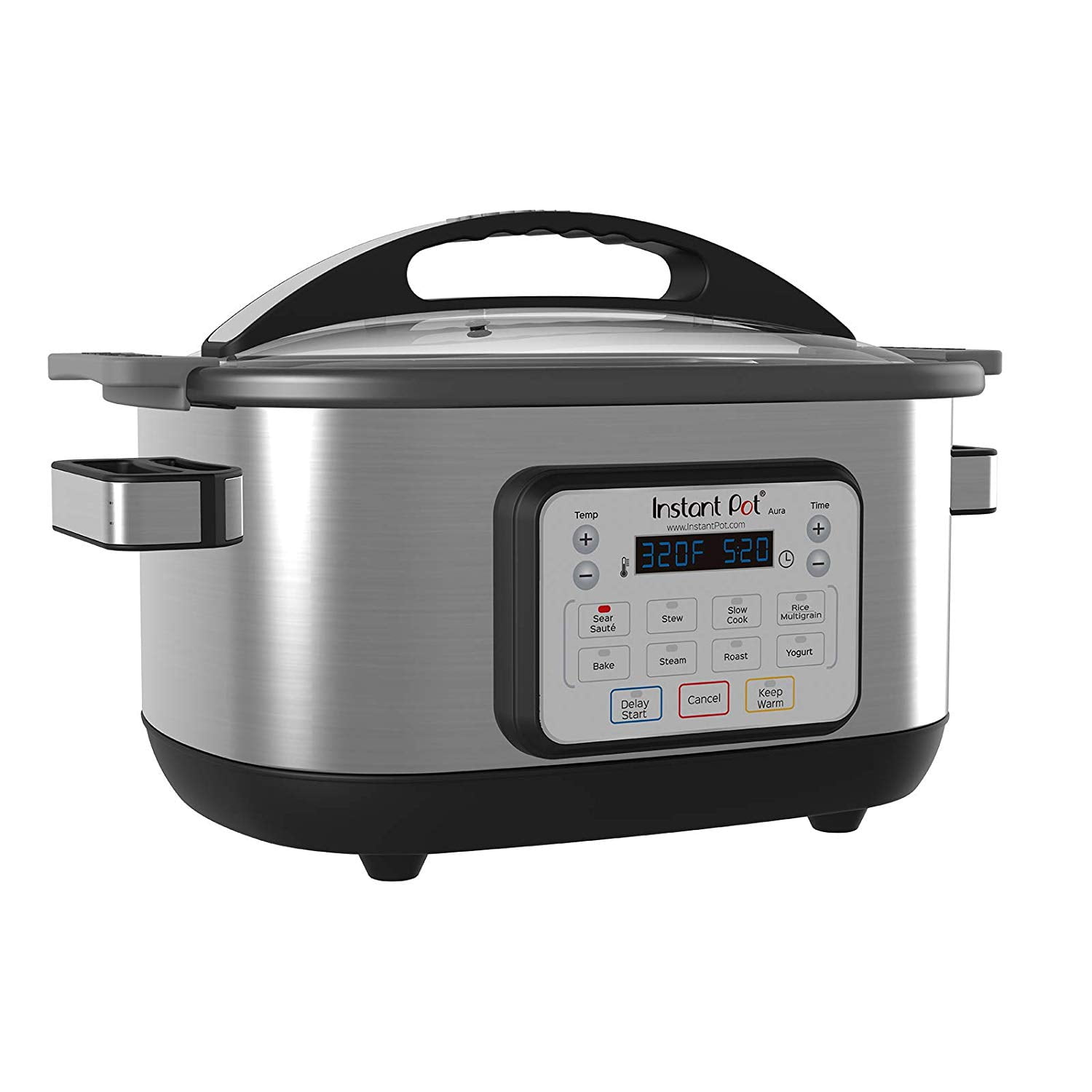
Table: Slow Cook Setting Equivalents
Here’s a simple guide to Instant Pot settings versus traditional slow cooker settings.
| Instant Pot Setting | Traditional Slow Cooker Setting | Common Uses |
|---|---|---|
| Less | Warm/Low | Keeping food warm, custards |
| Normal | Low | Soups, stews, beans |
| More | High | Meats, tougher vegetables |
Credit: www.walmart.com
Advanced Techniques: Getting Creative
Once you’re comfortable with the basics, try these advanced ideas:
- Pot-in-pot cooking: Place a smaller dish or bowl inside the Instant Pot on a trivet to make desserts or side dishes.
- Batch meal prep: Make double recipes, then freeze portions for easy future meals.
- Overnight oats: Use “Less” setting for creamy oats ready in the morning.
Insight: Many people don’t realize you can set the Instant Pot’s delayed start timer for slow cooking. This is handy for prepping in the morning and having dinner ready at night (but only for foods that don’t spoil at room temperature).
Frequently Asked Questions
How Do I Know If My Instant Pot Is Slow Cooking At The Right Temperature?
Check the food’s internal temperature with a thermometer. On “More,” the Instant Pot should reach a gentle simmer (about 200°F). If your dish isn’t bubbling gently after 2 hours, try using “More” or preheating on “Sauté” before switching to “Slow Cook.
”
Can I Use The Pressure Cooking Lid For Slow Cooking?
Yes, but always set the steam release valve to “venting” so steam can escape. If you have a glass lid, it’s better for most slow cook recipes because it allows some moisture to evaporate.
Why Is My Food Too Watery When Slow Cooking In The Instant Pot?
The pressure lid traps more moisture than a slow cooker’s glass lid. Reduce liquid in your recipe by 10-20% and use the glass lid if possible. For very watery dishes, remove the lid for the last 30-60 minutes to let steam escape.
Is It Safe To Cook From Frozen In Slow Cook Mode?
No. Slow cookers, including the Instant Pot, heat food slowly. Starting with frozen meat can keep food in the “danger zone” too long, risking bacteria growth. Always thaw meats and poultry before slow cooking.
Where Can I Find More Instant Pot Recipes?
You can find reliable recipes on the official Instant Pot recipe site, which offers both slow cooker and pressure cooker recipes with Instant Pot-specific instructions.
Using the Instant Pot’s slow cooker function opens up a new world of set-it-and-forget-it meals, even for busy schedules. With a little practice and these tips, you’ll enjoy comforting, homemade dishes while using fewer kitchen gadgets.