
If you cook at home, you know the type of pan you use can change everything. Some foods, like eggs or pancakes, stick to regular pans but slide off easily from nonstick ones. But how can you tell if a pan is nonstick?
Many pans look similar on the outside, and sometimes the label is missing or faded. If you want to avoid sticking, burning, or using too much oil, it’s important to know what you’re cooking with.
Choosing the right cookware isn’t just about looks or price. Nonstick pans have become very popular in kitchens around the world because they’re easy to use and clean. But there are still lots of questions. What makes a pan nonstick?
How do you check if yours is? Are there risks if you use the wrong utensils on a nonstick surface? Understanding these details can help you cook better, protect your health, and save money.
This article will give you everything you need to know about nonstick pans. You’ll learn how to identify nonstick pans, the science behind the coatings, and how to test your pan at home. You’ll discover how to care for your cookware, avoid common mistakes, and even compare nonstick with other types of pans.
Whether you’re new to cooking or just want to be sure about your kitchen tools, you’ll find clear answers here.
What Makes A Pan Nonstick?
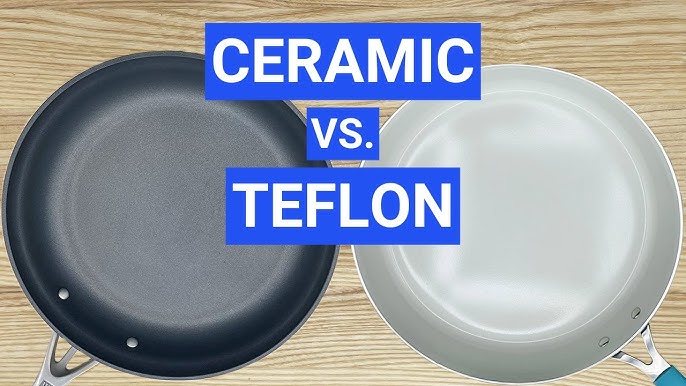
A nonstick pan is not just a regular pan with a smooth surface. It has a special coating that prevents food from sticking while cooking. The most common nonstick coating is Teflon, which is a brand name for a material called polytetrafluoroethylene (PTFE). There are also ceramic and other new coatings available.
The key point is that the nonstick layer is added to the base material of the pan, which could be aluminum, stainless steel, or another metal. This layer acts as a barrier between the food and the metal. Because of this, you can cook with less oil or butter, and food usually releases easily.
Some nonstick pans have a single layer of coating, while higher quality ones may have two or even three layers for durability. The nonstick effect does not last forever, as the coating can wear off with time, especially if you use metal utensils or cook on high heat.
Why You Need To Identify Nonstick Pans
Knowing if your pan is nonstick affects more than just how you cook. Here’s why it matters:
- Cooking Technique: Nonstick pans are best for foods that are likely to stick, like eggs, pancakes, or fish. They are not ideal for browning meat or making crispy textures.
- Utensil Choice: Metal utensils can scratch or ruin the nonstick surface. You should use wooden, silicone, or plastic tools.
- Safety: Damaged nonstick coatings may flake off into your food, which is not good for your health.
- Cleaning: Nonstick pans are easier to clean, usually needing only a gentle wash. Abrasive cleaning tools can damage them.
- Heat Tolerance: Most nonstick pans should not be used on very high heat, as the coating can break down and release fumes.
Non-obvious insight: Many people don’t realize that some pans look nonstick but are only polished metal. These shiny pans may feel smooth but do not have a special coating.

Credit: www.explainthatstuff.com
Visual Cues: How To Spot A Nonstick Pan
You can often tell if a pan is nonstick just by looking at it. Here are some visual signs to check:
1. Surface Color And Texture
Most nonstick pans have a dark gray or black interior. The surface is often matte, not shiny like stainless steel. If you see a pan with a light or mirror finish inside, it’s probably not nonstick.
2. Smoothness
A nonstick coating is usually very smooth and even. Run your finger lightly over the surface (make sure it’s clean and cool). You shouldn’t feel any bumps or rough spots.
3. Branding Or Markings
Some pans have the word “nonstick,” “Teflon,” or “PTFE” printed on the bottom or handle. Sometimes you’ll see a logo or symbol that shows it’s nonstick. If you still have the box, check for details.
4. Lack Of Visible Scratches
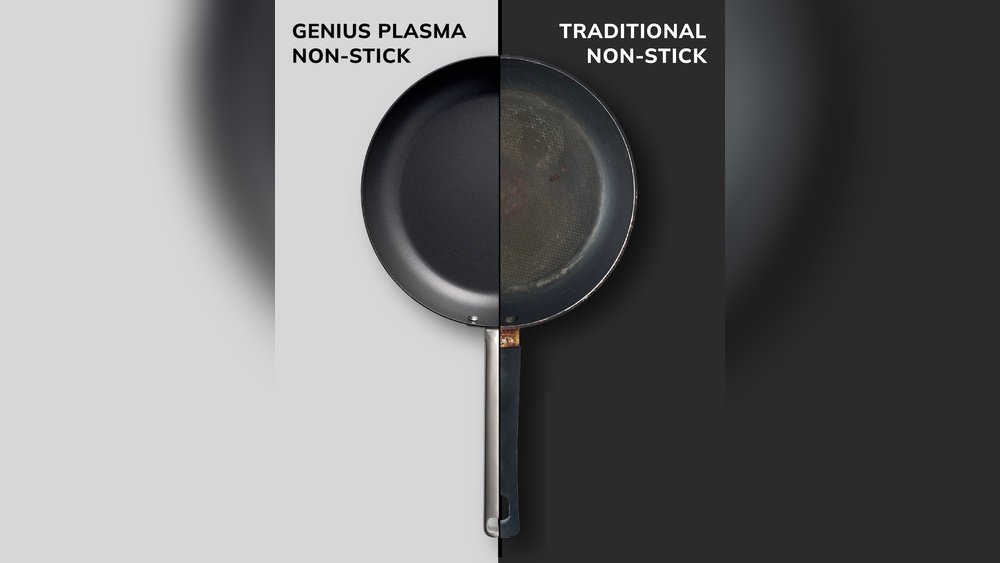
Nonstick pans start smooth. If you see deep scratches or spots where the coating is missing, it was probably nonstick, but it’s now damaged. Exposed metal means the nonstick layer is gone.
5. Weight
Nonstick pans are often lighter than cast iron or heavy stainless steel pans. While weight alone isn’t a sure sign, it can give you a clue.
6. Shiny Vs. Matte
Shiny pans with a mirror finish are usually not nonstick. Nonstick surfaces are more likely to be matte or slightly dull.
Physical Testing: Home Methods To Check
Sometimes visual clues are not enough. If you want to be more certain, try these physical tests. Always wash and dry the pan before testing.
1. Water Drop Test
Add a few drops of water to the pan’s surface. Tilt the pan gently.
- If the drops bead up and move around easily, you probably have a nonstick surface.
- If the water spreads out or sticks to the surface, the pan is likely not nonstick.
2. Cooking Test With Eggs
Crack a small egg into the pan (no oil or butter). Use low-medium heat.
- If the egg slides around with little or no sticking, you have a nonstick pan.
- If the egg sticks or leaves residue, it’s probably not nonstick.
3. Oil Spread Test
Pour a teaspoon of oil into the cool pan. Tilt it slowly.
- On nonstick surfaces, the oil moves smoothly and forms a small pool.
- On regular metal, the oil may spread out unevenly or soak into the metal pores.
4. Fingernail Test (be Gentle)
Very gently scratch a small area with your fingernail.
- Nonstick coatings feel slick and may show a slight mark, but not a groove.
- Bare metal will feel harder and may “ping” under your nail.
Non-obvious insight: Some cheap pans use a dark paint that looks like nonstick but is just colored metal. The real test is how food behaves, not just the color.
Comparing Nonstick And Other Pans
To help you see the differences, here’s a simple comparison between nonstick pans and two common alternatives: stainless steel and cast iron.
| Feature | Nonstick | Stainless Steel | Cast Iron |
|---|---|---|---|
| Surface Color | Dark gray/black, matte | Shiny, silver | Black, sometimes rough |
| Food Release | Easy, slides off | Can stick badly | Good if seasoned |
| Utensils | Wood/plastic/silicone | Any type | Any type |
| Cleaning | Easy, gentle wash | May need scrubbing | Hand wash, dry quickly |
| Weight | Light to medium | Medium to heavy | Very heavy |
| Best For | Eggs, pancakes, fish | Meat, sauces | Frying, baking |
The Science Behind Nonstick Coatings
Nonstick coatings are based on materials that have low surface energy. This means food and liquids do not want to stick to them. The most common material is PTFE, used since the 1940s.
PTFE is a plastic that resists heat and chemicals. Food slides off easily, making cooking simple and cleanup quick. Some newer pans use ceramic coatings, which are made from silica (the same as glass). These are often marketed as “green” or “eco-friendly” options.
Another less common nonstick material is anodized aluminum. This is not a coating but a treatment that makes the surface less sticky and more durable.
Are Nonstick Coatings Safe?
Modern nonstick pans are safe if used correctly. The main risk comes from overheating (over 500°F / 260°C), which can break down the coating and release fumes. Always cook on low to medium heat and avoid preheating an empty pan.
If the nonstick layer is scratched or peeling, it’s time to replace the pan. Eating flakes of nonstick coating is not healthy.
Credit: www.youtube.com
Common Mistakes When Identifying Nonstick Pans
Many people make errors when trying to figure out if their pan is nonstick. Here are the most frequent mistakes:
- Judging only by color: Not every dark pan is nonstick. Some are just painted or seasoned metal.
- Confusing seasoned pans with nonstick: Cast iron gets a smooth, black finish when seasoned, but it’s not a chemical coating.
- Ignoring scratches: A pan that used to be nonstick may no longer work well if the coating is worn off.
- Trusting weight: Some heavy pans have a nonstick layer, and some light pans do not.
- Missing the label: Always check the bottom or handle for clues. Some brands mark “nonstick” clearly.
- Testing with metal utensils: If you scrape a pan with metal and see flakes, it’s nonstick (and now damaged). Never test this way.
Types Of Nonstick Coatings
Not all nonstick pans are the same. There are several main types you might find:
1. Ptfe (teflon)
This is the classic nonstick material, used for decades. It’s smooth, slippery, and works well for most foods.
2. Ceramic
Ceramic coatings are made from sand or silica. They are free from PTFE and PFOA (a chemical used in older Teflon pans). They are usually white or light-colored, but sometimes gray.
3. Hard-anodized Aluminum
This is not a true coating, but a chemical process that makes the aluminum hard and less sticky. It’s more durable than regular aluminum.
4. Enameled Nonstick
Some pans have a layer of enamel, which is glass melted onto metal. While not as nonstick as Teflon, it offers some release and is easy to clean.
5. Diamond Or Titanium-infused
Some brands add diamond or titanium particles to the nonstick layer to make it tougher and longer-lasting.
Here’s a simple table comparing different nonstick coatings:
| Coating Type | Main Material | Color | Durability | Best Use |
|---|---|---|---|---|
| PTFE (Teflon) | Plastic | Dark gray/black | Medium | Eggs, pancakes |
| Ceramic | Silica | White, gray | Low-Medium | Low-fat cooking |
| Hard-Anodized | Aluminum | Dark gray | High | All-around |
| Enameled | Glass | Colorful | Medium | Oven use |
| Diamond/Titanium | Composite | Dark gray | High | Frequent use |
How To Care For Your Nonstick Pan
Once you’ve identified your pan as nonstick, it’s important to keep it in good condition. A damaged nonstick pan will not work well and can be unsafe.
1. Use The Right Utensils
Choose wooden, silicone, or plastic tools. Avoid metal spoons, spatulas, or knives.
2. Avoid High Heat
Nonstick coatings can break down at very high temperatures. Stick to low or medium heat.
3. Clean Gently
Do not use steel wool, rough sponges, or abrasive cleaners. Wash with warm soapy water and a soft cloth.
4. Don’t Use Cooking Sprays
Many cooking sprays build up a sticky layer over time that is hard to remove. Use a small amount of oil or butter instead.
5. Store Carefully
Do not stack heavy pans on top of each other unless you use a soft cloth in between. This prevents scratches.
6. Replace When Worn
If the coating is peeling, pitted, or badly scratched, get a new pan. Old nonstick pans can be unhealthy and don’t work well.
Nonstick Pan Myths And Facts
There is a lot of confusion about nonstick pans. Let’s clear up some common myths:
Myth 1: All Nonstick Pans Are Unsafe
Fact: Modern nonstick pans are safe if you use them properly—don’t overheat or scratch them.
Myth 2: You Can Use Any Utensil
Fact: Only use soft utensils to avoid ruining the surface.
Myth 3: Nonstick Pans Last Forever
Fact: All nonstick coatings wear out over time. With good care, they last longer, but not forever.
Myth 4: Nonstick Means No Oil Needed
Fact: You can cook with less oil, but a small amount helps food cook better and extends the life of the coating.
Myth 5: Ceramic Nonstick Is Always Healthier
Fact: Both ceramic and PTFE pans are safe if used correctly. The main difference is how you care for them and how long they last.
Signs Your Nonstick Pan Is Worn Out
Even the best nonstick pan won’t last forever. Here are clear signs it’s time for a replacement:
- Coating is peeling or flaking
- Surface is discolored or has white spots
- Food starts to stick more than before
- Deep scratches that reach the metal underneath
- Pan has a warped or bent bottom
A worn-out pan won’t cook well and may release unhealthy particles into your food. When you notice these signs, it’s time to shop for a new one.
How Long Do Nonstick Pans Last?
On average, a good quality nonstick pan lasts about 3 to 5 years with proper use and care. Cheaper pans may only last one or two years. High-end pans with reinforced coatings can last longer, but all nonstick coatings eventually wear out.
If you cook every day or use the dishwasher frequently, your nonstick pans will wear out faster. Hand washing and gentle use can add years to their life.
Alternatives To Nonstick Pans
If you want a pan that lasts longer or can handle higher heat, there are other options. Here’s a comparison:
| Pan Type | Nonstick | Stainless Steel | Cast Iron |
|---|---|---|---|
| Ease of Use | Very easy | Medium | Medium (needs seasoning) |
| Durability | Low-Medium | High | Very High |
| Heat Tolerance | Low-Medium | Very High | Very High |
| Maintenance | Low | Medium | High (seasoning required) |
| Best For | Eggs, fish, pancakes | Meats, searing | Frying, baking |
Cast iron pans, when seasoned well, can become naturally nonstick, but they require more care and are heavier. Stainless steel is great for browning and high-heat cooking but needs more oil and cleaning.
Questions To Ask When Buying A Nonstick Pan
If you’re shopping for a new pan, here are some smart questions to consider:
- What type of nonstick coating is used? (PTFE, ceramic, other)
- Is it free from PFOA and PFAS? Most modern pans are, but it’s good to check.
- How many layers does the coating have? More layers usually mean better durability.
- Is it safe for the oven or dishwasher? Not all nonstick pans can handle these.
- What is the warranty? A longer warranty often means better quality.
Non-obvious insight: Some cheaper nonstick pans claim to be “dishwasher safe,” but washing in a dishwasher can shorten their life. Hand washing is always best.

Credit: www.americastestkitchen.com
Environmental Considerations
There has been concern about the impact of nonstick pans on the environment. PTFE coatings are now much safer than in the past, but old pans made before 2013 may contain PFOA, a chemical linked to health risks.
Ceramic coatings are marketed as more eco-friendly, but they may not last as long, meaning you may need to replace them more often. If you want a pan that lasts a lifetime, consider well-seasoned cast iron or stainless steel.
To learn more about nonstick pan safety and regulations, you can visit the Wikipedia Nonstick Cookware page.
Frequently Asked Questions
How Can I Tell If My Pan Is Nonstick Without Cooking?
Look for a dark, matte surface and check for any label or stamp that says “nonstick” or “PTFE.” Run your finger gently across the surface—if it feels extra smooth and slick, it’s likely nonstick. Also, nonstick pans are usually lighter than cast iron or heavy stainless steel.
Can A Nonstick Pan Lose Its Coating?
Yes, all nonstick coatings wear out over time. Scratches, high heat, and cleaning with rough sponges can damage the surface. When the coating is peeling or food starts sticking, it’s time to replace the pan.
Is It Safe To Use A Scratched Nonstick Pan?
It’s best not to use a nonstick pan with deep scratches or flakes. The coating can come off into your food, and the pan may not cook evenly. For your health and safety, get a new pan if the coating is damaged.
What Utensils Should I Use With Nonstick Pans?
Always use wooden, silicone, or plastic utensils. Avoid metal tools, which can scratch or chip the nonstick surface. Using soft utensils helps your pan last longer.
Can I Put My Nonstick Pan In The Oven Or Dishwasher?
Some nonstick pans are oven or dishwasher safe, but not all. Check the manufacturer’s instructions. Even if it says “dishwasher safe,” hand washing is better for the coating’s life. Oven-safe pans can usually handle up to a certain temperature, but always check the details.
Final Thoughts
Knowing how to tell if a pan is nonstick is a simple skill that can make your cooking easier and safer. By looking for the right visual cues, doing a few gentle tests, and understanding what makes nonstick pans unique, you can choose and care for your kitchen tools with confidence.
Remember to use the correct utensils, avoid high heat, and replace your pan when it shows signs of wear. With these tips, you’ll get the best results from your nonstick cookware and enjoy stress-free meals every day.