
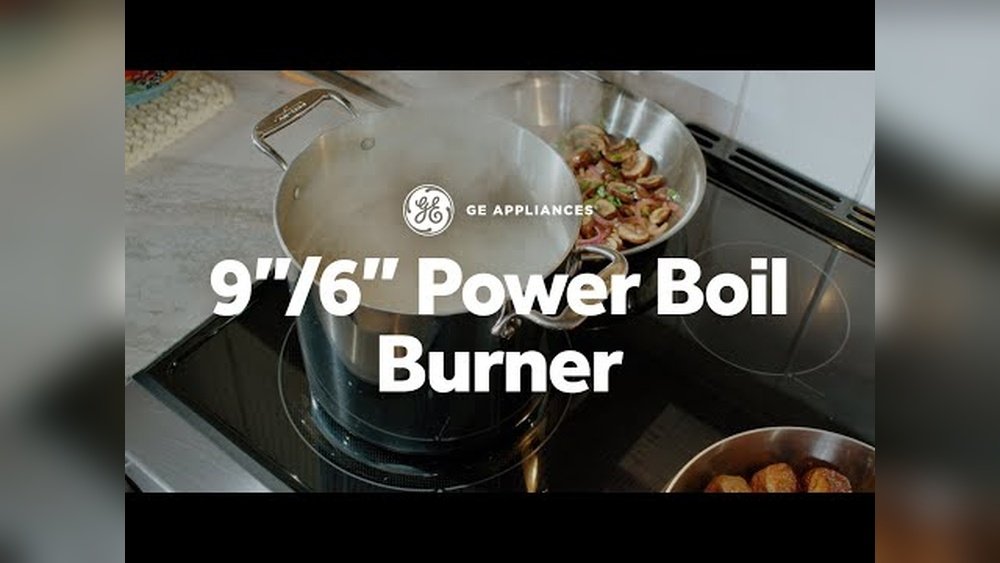
Many people enjoy cooking at home, but time in the kitchen can feel long, especially when waiting for water to boil or soup to heat up. If you own a GE stove with the Power Boil feature, you might have a hidden advantage. Power Boil is one of those modern cooking technologies that can make your life easier—if you know how to use it the right way.
You might have seen the special burner labeled “Power Boil” and wondered what makes it different, or maybe you’ve tried it but didn’t notice faster results. This article will guide you step by step through everything you need to know to get the most from Power Boil on a GE stove. We’ll explore how it works, when to use it, and what to avoid. You’ll also learn tricks that most new users miss, and see real-world examples of how Power Boil can change your cooking routine.
Let’s unlock the power behind your stove and help you cook smarter—not just faster.
What Is Power Boil On A Ge Stove?
GE, or General Electric, is a well-known brand for home appliances. Their stoves often include a Power Boil burner, which is designed to heat faster than standard burners. But what does that really mean?
Power Boil uses a special element (either gas or electric) that delivers more heat energy quickly. On electric stoves, this burner typically uses higher wattage or a dual-ring design. On gas stoves, it usually has a larger flame ring or more gas output.
The result? You can bring water to a boil in less time, heat up soups and sauces quickly, or get a frying pan hot enough for searing in record speed. But Power Boil is not just about speed—it’s about control and convenience.
How Power Boil Is Different From Regular Burners
- Higher heat output: Power Boil burners usually range from 3,000 to 20,000 BTUs (gas) or 2,500 to 3,800 watts (electric), compared to regular burners at 1,000–1,500 watts or 5,000–12,000 BTUs.
- Wider or dual-ring design: This helps distribute heat more evenly across large pots and pans.
- Faster boiling: A large pot of water that might take 12 minutes on a standard burner could boil in 7–8 minutes on Power Boil.
Where To Find Power Boil On Your Ge Stove
Look for a burner with a label or marking, often a red circle, and the words “Power Boil,” “PB,” or “Rapid Boil. ” For electric models, it’s usually one of the front burners. For gas, it’s often the largest burner.
How To Use Power Boil On A Ge Stove Step By Step
Using Power Boil is simple, but using it well takes some practice. Here’s how to get started.
1. Choose The Right Pot Or Pan
Not all cookware works the same with high heat. For best results:
- Use flat-bottomed stainless steel or heavy-duty aluminum pots and pans.
- Make sure the base covers most of the burner for even heating.
- Avoid thin or warped pans—they may overheat or cook unevenly.
2. Place The Pot Or Pan On The Power Boil Burner
Position the cookware so it sits stable and centered. This helps with even heating and safety.
3. Add Your Ingredients
If you’re boiling water, fill the pot with the desired amount. For soups or sauces, add your ingredients now.
4. Turn The Knob To The Power Boil Setting
For electric stoves, there may be a dedicated Power Boil setting, or you may need to turn the knob to “High. ” For gas stoves, set the burner to its highest flame.
Non-obvious insight: Some GE stoves have a dual-ring Power Boil burner. On these, turning the knob further activates both inner and outer rings for maximum heat.
5. Monitor The Cooking Process
Because Power Boil heats quickly, you need to watch closely:
- Water can boil over if you’re not careful.
- Stir sauces and soups regularly to prevent burning.
6. Adjust As Needed
Once your food reaches a boil or the desired temperature, reduce the heat to avoid overcooking or burning. Move the pot to a regular burner if you want gentler simmering.
7. Turn Off When Done
Switch the burner off completely after use. Let pots and pans cool before cleaning.

Credit: www.us-appliance.com
When To Use Power Boil (and When Not To)
Power Boil is powerful, but it’s not always the best choice. Let’s look at the ideal uses—and when you should avoid it.
Best Uses For Power Boil
- Boiling Water Quickly: For pasta, rice, or vegetables, use Power Boil to get water up to temperature in minutes.
- Rapid Heating: Heat up soups, stews, or sauces from the fridge in a fraction of the time.
- Large Pot Cooking: For big batches, such as seafood boils or blanching vegetables, Power Boil ensures even, fast results.
- Searing Meat: Get your pan extra hot for browning steaks or chicken.
- Canning: Home canners appreciate Power Boil for bringing large pots to a rolling boil.
When Not To Use Power Boil
- Delicate Dishes: Eggs, sauces like hollandaise, or melting chocolate can scorch on high heat.
- Simmering: Once at a boil, reduce heat or move to a regular burner for gentle cooking.
- Nonstick Pans: High heat can damage nonstick coatings.
Pro tip: If you’re unsure, start with Power Boil to heat quickly, then switch to a lower burner.
Comparing Power Boil To Standard Burners
Sometimes seeing the numbers side by side helps you understand the difference. Here’s a quick comparison between Power Boil and regular burners on a GE stove.
| Feature | Power Boil Burner | Standard Burner |
|---|---|---|
| Heat Output (Electric) | 2,500–3,800 W | 1,000–1,500 W |
| Heat Output (Gas) | 15,000–20,000 BTU | 5,000–12,000 BTU |
| Boiling Time (4 qt water) | 7–8 min | 12–15 min |
| Best Use | Boiling, Searing, Large Pots | Simmering, Delicate Foods |
As you can see, Power Boil is much faster and more powerful, but not always the right choice for every dish.
Tips And Tricks For Getting The Best Results
New users often miss small details that make a big difference with Power Boil. Here are tips to get top results:
Use The Right Amount Of Water
Power Boil works best with larger volumes. If you use a very small pot, water may evaporate quickly or boil over. For small amounts, use a regular burner.
Preheat The Pan For Searing
If you want to sear meat, let the pan heat on Power Boil for 1–2 minutes before adding oil or food. This creates a better crust.
Watch For Boil Overs
Power Boil heats so fast that water can foam and spill. Stand by your pot, especially for starches like pasta or potatoes.
Use The Dual-ring Feature Correctly
On stoves with dual-ring Power Boil, turning the knob halfway may only activate the inner ring. For full power, turn the knob all the way.
Beginner mistake: Not realizing that both rings aren’t always on unless the knob is at maximum.
Move Food To A Lower Burner For Simmering
Once your food reaches a boil, move it to a regular burner to avoid overcooking. Power Boil is for starting, not finishing.
Clean The Burner Regularly
Spills can burn onto the high-powered element. Clean up after each use for better performance and safety.
Understanding Power Boil Settings: Electric Vs Gas
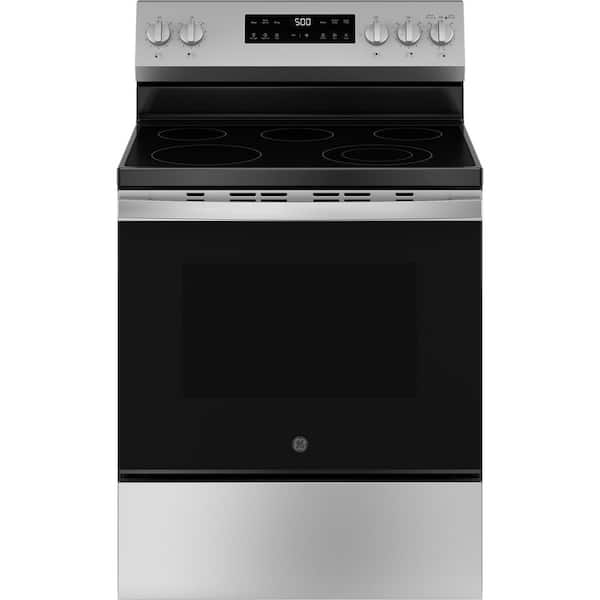
GE makes both electric and gas stoves with Power Boil. Here’s how they differ.
Electric Power Boil Burners
- Often have a dual-ring or triple-ring design.
- Use high-wattage elements for fast heating.
- May have a labeled knob or digital touch control.
- Some models allow you to select “inner,” “outer,” or “both” rings for different pan sizes.
Gas Power Boil Burners
- Have a larger burner head and more gas output.
- Control is by the size of the flame—turn the knob for more or less heat.
- Instant heat up and cool down (unlike electric, which stays hot longer).
| Feature | Electric Power Boil | Gas Power Boil |
|---|---|---|
| Heat Up Speed | Fast | Fastest |
| Heat Control | Knob or Touch | Knob/Flame |
| Residual Heat | High | Low |
| Best for | Boiling, Searing | Boiling, Searing |
Non-obvious insight: Electric Power Boil elements stay hot longer after you turn them off. For tasks that require quick cooling (like stopping a boil), gas is more responsive.
Credit: www.homedepot.com
Common Mistakes To Avoid
Power Boil is simple, but some errors can lead to frustration or even danger. Avoid these pitfalls:
Using The Wrong Cookware
Thin pans or glass pots can heat unevenly and may even crack. Always use heavy, flat-bottomed cookware.
Leaving Pots Unattended
With such high heat, boiling over or burning can happen in seconds. Stay close when using Power Boil.
Overfilling The Pot
Too much water or food can cause spills. Fill pots only 2/3 full for best safety.
Using Power Boil For Slow Cooking
Don’t try to simmer sauces or slow-cook stews on Power Boil. The heat is too strong and can ruin delicate flavors.
Not Cleaning The Burner
Food or liquid spills can burn onto the burner, causing smoke and bad smells. Clean up right after cooling.
Power Boil For Everyday Cooking
Let’s look at some real-world examples of how Power Boil can help with common kitchen tasks.
Boiling Pasta Faster
Fill a large pot with water, place on the Power Boil burner, and set to high. Most pasta recipes call for boiling water before adding noodles. With Power Boil, you can cut waiting time in half, especially for family-sized portions.
Preparing Vegetables
If you like to blanch or steam vegetables, Power Boil helps you get the water hot quickly, preserving more nutrients and color.
Making Soup Or Stew
Forgot to take out frozen soup? Place the pot on Power Boil to bring it up to temperature fast, then move to a regular burner to simmer gently.
Searing Meat
Preheat a cast iron or stainless steel skillet on Power Boil for 1–2 minutes. The intense heat gives steaks, chicken, or pork a crisp, flavorful crust.
Home Canning
Canners often need to bring large pots to a rolling boil to sterilize jars. Power Boil can save 10–15 minutes per batch.
How To Clean And Maintain Your Power Boil Burner
Good maintenance keeps your Power Boil burner working like new. Here are steps for both electric and gas models.
Electric Burners
- Wait until the burner is cool.
- Wipe with a damp cloth and mild detergent.
- For stubborn spills, use a non-abrasive cleaner.
- Never submerge the burner or use steel wool.
Gas Burners
- Make sure everything is cool and the stove is off.
- Remove the burner cap and clean with warm, soapy water.
- Use a brush to clear any clogs in the ports.
- Dry completely before reassembling.
Pro tip: Clean spills as soon as possible. Burnt-on food is harder to remove and can affect burner performance.
Energy Efficiency And Cost Savings
One question many people have: Does Power Boil use more energy? The answer may surprise you.
Fast But Efficient
Because Power Boil heats so quickly, it often uses less total energy than a standard burner—even though it’s more powerful. For example, boiling water in 7 minutes instead of 15 means the burner is on for less time.
Cost Comparison
Here’s a simplified look at energy use for boiling 4 quarts of water on Power Boil vs a regular burner:
| Burner Type | Time (minutes) | Wattage/BTU | Total Energy Used |
|---|---|---|---|
| Power Boil (Electric) | 7 | 3,000 W | 0.35 kWh |
| Standard (Electric) | 14 | 1,500 W | 0.35 kWh |
| Power Boil (Gas) | 7 | 18,000 BTU | 2,100 BTU |
| Standard (Gas) | 14 | 9,000 BTU | 2,100 BTU |
The total energy used is often the same or even less, since you’re cooking for a shorter time. This can help lower your utility bills.
Non-obvious insight: Power Boil is not just about speed—it can be a more efficient way to cook, saving both time and money.

Credit: www.youtube.com
Safety Considerations
High heat means greater risks. Follow these tips to stay safe:
- Always use pot holders or oven mitts; handles get hot quickly.
- Keep children and pets away from the stove when using Power Boil.
- Don’t leave the kitchen unattended when water or oil is heating.
- If a boil-over happens, turn off the burner and clean up after everything cools down.
- Never place anything plastic or flammable near the Power Boil burner.
If you ever smell gas with a gas stove, turn off the burner and check for leaks before relighting.
Troubleshooting Common Power Boil Problems
If your Power Boil burner isn’t performing as expected, here are some possible reasons and solutions.
Burner Not Heating Up
- Electric: Check if the stove is plugged in and the breaker is on. Clean the contacts under the burner.
- Gas: Make sure the burner cap is seated correctly. Clean out any clogs in the flame ports.
Uneven Heating
- Use flat, heavy pans. Warped cookware can heat unevenly.
- On dual-ring models, make sure both rings are activated for large pots.
Boiling Takes Too Long
- Don’t overload with too much water.
- Use a lid to keep heat in.
- Use the correct size burner for your pot.
Burner Won’t Turn Off
- Electric: If the knob is stuck, unplug the stove and call for service.
- Gas: Turn off the gas supply and call a technician.
If you continue to have problems, consult your GE stove manual or visit the official GE Appliances website for support.
Choosing A Ge Stove With Power Boil: What Matters
If you’re shopping for a new stove, here’s what to look for in the Power Boil feature.
Key Features
- Burner location: Front burners are more convenient for heavy pots.
- Number of Power Boil burners: Some models have two for extra speed.
- Dual-ring design: Lets you match the burner to the pan size.
- Knob or digital controls: Choose what’s more comfortable for you.
Mistakes To Avoid
- Don’t buy the cheapest model if you need to cook for large groups; higher output is worth it.
- Avoid models with small Power Boil burners if you use big pots.
- Check that your cookware matches the burner size.
For a deep dive into the latest GE stove technologies, see the official GE Appliances page.
Frequently Asked Questions
What Is The Power Boil Feature On A Ge Stove?
The Power Boil feature is a special burner that delivers higher heat quickly, allowing you to boil water or heat food much faster than with a regular burner. It’s useful for large pots, searing, and rapid cooking.
Can I Use Power Boil For All Types Of Cooking?
No. Power Boil is best for fast boiling, searing, and large pots. Avoid using it for delicate dishes, simmering, or slow cooking, as the high heat can burn or overcook food.
Is Power Boil Safe To Use Every Day?
Yes, if you follow safety guidelines: use the right cookware, don’t leave pots unattended, and keep children away. Clean spills promptly to avoid buildup and fire risk.
Why Does My Power Boil Burner Stay Hot After I Turn It Off?
On electric stoves, the burner retains heat for several minutes because of the high-wattage element. Always let it cool before cleaning or touching, and be aware of residual heat.
How Do I Clean The Power Boil Burner?
For electric, wipe with a damp cloth once cool; for gas, remove the burner cap and clean with soapy water. Avoid harsh chemicals and always dry before reassembling.
Cooking doesn’t have to be slow or stressful. With Power Boil on your GE stove, you can make meals faster, save energy, and enjoy more time with family. By following these steps and tips, you’ll master this feature and get the best results every time you cook.