
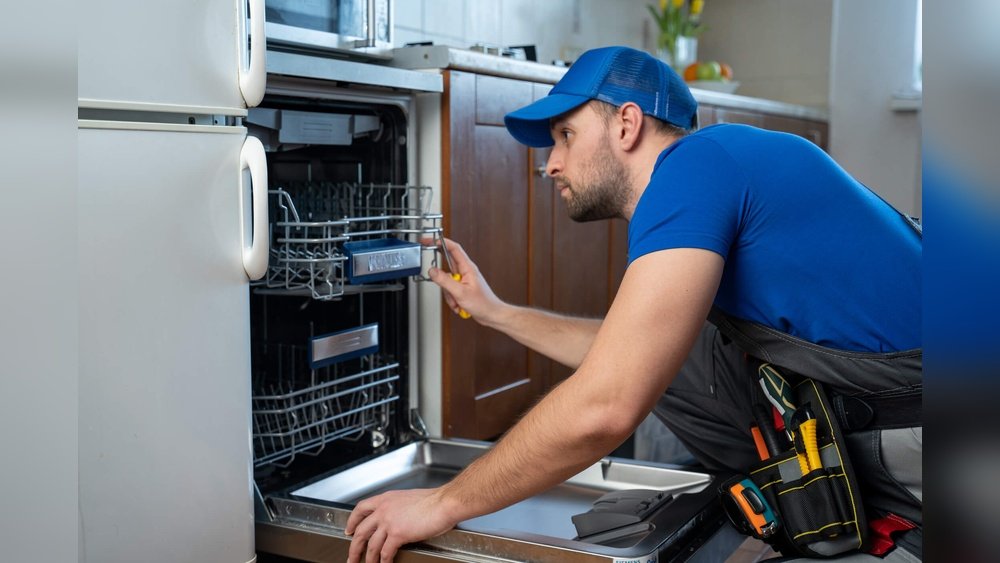
Repairing a Bosch dishwasher might seem complicated, but with the right approach, even someone with little technical experience can solve many common problems. Bosch dishwashers are known for their reliability and efficiency, but like all machines, they sometimes break down or show error codes.
Instead of calling a service technician immediately, you can often fix the issue yourself—saving money and learning more about your appliance. This guide will walk you through the process step by step, covering everything from diagnosing the problem to safe repairs.
Along the way, you’ll find clear explanations, real examples, and practical advice to help you restore your Bosch dishwasher to top working condition.
Understanding Bosch Dishwasher Basics
Before starting any repair, it’s helpful to understand how a Bosch dishwasher works. Most Bosch models use a combination of water jets, heating elements, and sensors to clean and dry dishes efficiently. The main parts include:
- Control panel: Where you select cycles and see error codes.
- Spray arms: Rotate and spray water to clean dishes.
- Filters: Trap food particles and prevent clogs.
- Drain pump: Removes dirty water.
- Heating element: Heats water and air for cleaning and drying.
- Float switch: Prevents overfilling.
Knowing these parts will make it easier to follow troubleshooting steps and identify which component might be causing the problem.
Safety First: What You Need To Know
Safety should always come first when repairing any appliance. Here are some important steps:
- Unplug the dishwasher or turn off the circuit breaker before starting any repair.
- Turn off the water supply to the dishwasher.
- Use protective gloves to avoid cuts from sharp edges.
- Have a towel or bucket ready for any leftover water in the machine.
- Always check the manufacturer’s manual for your specific Bosch model.
Never skip these steps. Even a simple repair can become dangerous if the dishwasher is still connected to power or water.
Diagnosing Common Bosch Dishwasher Problems
Bosch dishwashers are built to show error codes or signs when something is wrong. Start by observing the symptoms:
- Does the dishwasher not start?
- Is there water left at the bottom?
- Are the dishes not clean or dry?
- Is there a strange noise or smell?
Check the control panel for any error codes like E15, E24, or E09. Write them down. These codes point you toward the problem area.
How To Enter Diagnostic Mode
Most Bosch dishwashers allow you to enter a diagnostic mode to check for hidden errors. Consult your manual, but a common method is:
- Turn off the dishwasher.
- Hold down the Start and Power Scrub Plus buttons.
- Turn on the dishwasher while holding the buttons.
- Release both buttons when the lights flash.
This mode helps you see stored errors. Write down any codes before you start repairs.
Tools And Parts You’ll Need
Having the right tools makes repairs easier and safer. Here’s a list of what you’ll usually need:
- Screwdrivers: Phillips and flathead
- Torx drivers: Many Bosch models use Torx screws
- Pliers: Needle-nose and standard
- Multimeter: For checking electrical components
- Towels and sponges: For cleaning up spills
- Replacement parts: Filters, pumps, hoses, or seals depending on the issue
If you need to order parts, use the exact model number from your dishwasher’s label. This ensures compatibility and prevents mistakes.
Troubleshooting And Repairing Specific Bosch Dishwasher Issues
Let’s look at the most common Bosch dishwasher problems and how you can fix them step by step.
1. Dishwasher Won’t Start
This is a frequent problem and can be caused by several things.
Possible Causes:
- Door not closed or latch faulty
- Power supply issue
- Control panel problem
Step-by-step Fix:
- Check the door: Make sure it’s closed firmly. If the latch feels loose, it may need replacement.
- Power check: Plug another device into the dishwasher’s outlet to see if there’s power. If not, check your circuit breaker.
- Control panel reset: Unplug the dishwasher for 5 minutes. Plug it back in and try again.
- Test the door latch: If the dishwasher still won’t start, the door latch switch might be faulty. Remove the inner door panel, locate the latch, and test it with a multimeter for continuity.
Non-obvious insight: Sometimes, detergent or debris can block the latch, preventing a proper connection. Clean the area carefully before deciding to replace the latch.
2. Dishwasher Not Draining
Standing water at the bottom is a clear sign of a drainage problem.
Possible Causes:
- Clogged filter or drain hose
- Blocked air gap
- Faulty drain pump
Step-by-step Fix:
- Check the filter: Remove and clean the filter at the bottom.
- Inspect the drain hose: Disconnect and look for kinks or clogs.
- Clear the air gap: Located near your sink, the air gap can get blocked with debris.
- Test the drain pump: If you hear a humming but no water drains, the pump may be jammed or broken. Unplug the dishwasher, remove the lower access panel, and check for obstructions.
Practical tip: Run a rinse cycle with the filter out (if safe for your model) to test if water flows through the hose.
3. Dishes Are Not Clean
If your dishes are coming out dirty or with residue, the cause is often simple.
Possible Causes:
- Clogged spray arms
- Dirty filter
- Incorrect detergent use
- Overloading
Step-by-step Fix:
- Remove and clean spray arms: They twist off easily. Rinse under water and poke out holes with a toothpick.
- Clean filter: Wash with soap and a brush.
- Check detergent: Use only recommended types and the right amount.
- Load properly: Avoid stacking dishes too close. Water needs to reach every surface.
Non-obvious insight: Hard water can leave a white film. Try a dishwasher cleaner or a rinse aid to solve this.
4. Dishwasher Is Leaking
Leaks can damage your kitchen floor and cabinets, so fix them immediately.
Possible Causes:
- Door seal (gasket) damaged
- Faulty water inlet valve
- Loose hose connections
Step-by-step Fix:
- Inspect the door seal: Look for cracks or food debris. Clean or replace if needed.
- Check under the dishwasher: Look for water around the valve or hoses.
- Tighten connections: Gently tighten hose clamps and connections.
- Test with an empty cycle: This helps you see if the leak is fixed.
5. Dishwasher Not Drying Dishes
If dishes are wet after the cycle, the problem is often with the heating element or rinse aid.
Possible Causes:
- Broken heating element
- No rinse aid
- Wrong cycle selected
Step-by-step Fix:
- Check rinse aid dispenser: Fill if empty.
- Test the heating element: Use a multimeter to check for continuity.
- Select the right cycle: Some eco cycles use less heat and may leave dishes damp.
Expert tip: Open the dishwasher door slightly after the cycle to let steam escape and speed up drying.
Error Codes And What They Mean
Bosch dishwashers display error codes when there’s a problem. Here are some of the most common:
| Error Code | Meaning | What to Check |
|---|---|---|
| E15 | Water in base tray | Check for leaks, clean base, reset float switch |
| E24 | Drain error | Check filter, drain hose, pump |
| E09 | Heating element fault | Test/replace heating element |
| E22 | Filter blocked | Clean filter and sump |
If your model shows a different code, check your manual or look it up on the official Bosch website.
When To Replace, Not Repair
Sometimes, it’s more practical to replace a part than to repair it. Here are examples:
- Door seals: If cracked or torn, always replace.
- Heating elements: If broken, replacement is safer than a DIY fix.
- Control boards: If you see burn marks or smell burning, replacement is best.
Trying to repair complex electronic parts without training can make the problem worse.
How To Order Genuine Bosch Parts
Always use original Bosch parts for repairs. Using generic parts might fit, but they can cause more damage or void your warranty. To find the correct part:
- Find the model number (usually on the door frame).
- Search the Bosch official parts website.
- Cross-check the part number with your manual.
Order from trusted sources. Avoid very cheap or used parts from unknown sellers.
Credit: www.youtube.com
Step-by-step Guide: Replacing Common Bosch Dishwasher Parts
Here are detailed instructions for changing some of the most frequently replaced parts.
Replacing The Door Seal
- Open the dishwasher door fully.
- Pull out the old seal from the groove around the edge.
- Clean the groove with a damp cloth.
- Push the new seal into place, starting at the top center and working your way down each side.
- Close the door and check for leaks on the next cycle.
Changing The Filter
- Remove the lower rack.
- Twist and lift out the filter assembly.
- Wash all pieces with warm soapy water.
- Dry and reinstall, making sure it locks into place.
Installing A New Drain Pump
- Disconnect power and water.
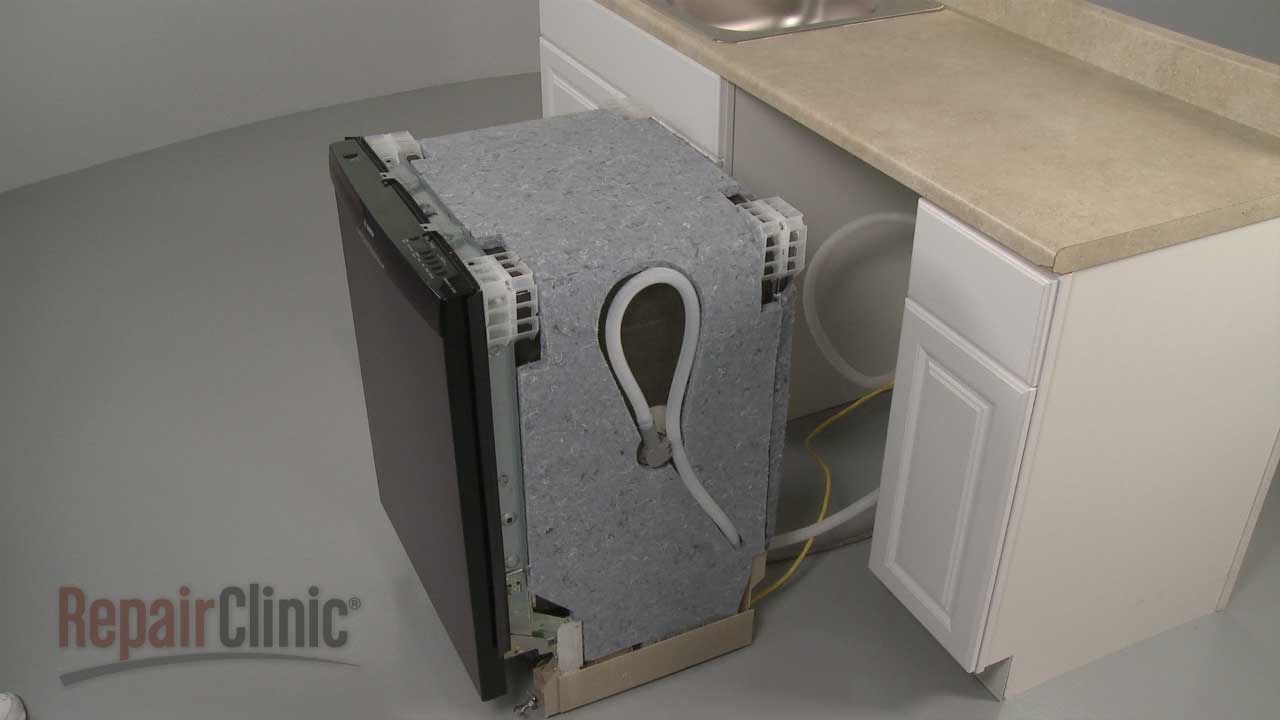
- Remove the lower front panel.
- Locate the drain pump (usually near the center).
- Unplug wires and loosen hose clamps.
- Remove screws and pull out the old pump.
- Install the new pump, reconnect hoses and wires, and reattach the panel.
Replacing The Heating Element
- Disconnect power.
- Remove the lower panel and locate the heating element terminals.
- Unplug wires and loosen mounting nuts.
- Carefully pull out the old element.
- Install the new element, reconnect wires, and secure it with nuts.
Advanced tip: Take a photo before removing wires or hoses, so you remember where everything connects.
Preventive Maintenance: Keeping Your Bosch Dishwasher In Top Shape
Regular maintenance helps prevent breakdowns and extends the life of your dishwasher. Here’s what you should do monthly:
- Clean the filter to prevent clogs.
- Wipe the door seal to keep it flexible.
- Run a hot cycle with dishwasher cleaner to remove buildup.
- Check spray arms for blockages.
- Inspect hoses and connections for leaks.
A little effort now can save you time and money later.

Credit: www.youtube.com
Comparing Bosch Dishwasher Models: What Affects Repair Difficulty?
Different Bosch models have different layouts, which can make some repairs easier or harder. Here’s a quick comparison:
| Model Series | Filter Type | Drain Pump Access | Control Panel Location |
|---|---|---|---|
| 300 Series | Removable | Front panel | Top (visible) |
| 500 Series | Removable | Bottom (harder) | Top (visible) |
| 800 Series | Self-cleaning | Bottom (hardest) | Top (hidden) |
Key takeaway: Removable filters are easier to maintain. If you have a hidden control panel or self-cleaning filter, check your manual for model-specific instructions.
Cost Comparison: Diy Vs Professional Repair
Sometimes, hiring a professional makes sense. Here’s what you might pay:
| Repair Type | DIY Cost | Pro Cost (Average) |
|---|---|---|
| Replace filter | $25-$50 | $100-$150 |
| Replace drain pump | $40-$100 | $180-$300 |
| Replace heating element | $50-$120 | $200-$350 |
| Replace door seal | $20-$50 | $90-$180 |
Tip: If the repair cost is more than half the price of a new dishwasher and your machine is over 8 years old, consider replacing it instead.
What Most People Miss: Two Insights That Matter
- Regular filter cleaning is vital. Many Bosch owners forget to clean the filter monthly. A clogged filter can cause draining problems, dirty dishes, and even leaks. Set a reminder to check it every 30 days.
- Check for hidden water under the dishwasher. Even a small leak can trigger error codes like E15. Pull out your dishwasher every few months and look for moisture or water stains. Early detection prevents expensive repairs.
When To Call A Professional
Not every repair is safe to do yourself. Call a trained technician if:
- You smell burning or see sparks.
- The dishwasher trips your circuit breaker repeatedly.
- You’re not comfortable working with electrical connections.
- The control board needs replacement.
Trying to fix complex electronics without proper knowledge can be dangerous.
Credit: jerrysappliancerepair.com
Useful Resources
For more detailed troubleshooting and model-specific guides, visit the official Bosch Home Appliances Support page. Their resources include videos, manuals, and part diagrams.
Frequently Asked Questions
Why Does My Bosch Dishwasher Show An E24 Error?
The E24 error means the dishwasher has a draining problem. Check the filter for clogs, inspect the drain hose for kinks, and clean the air gap. If you’ve checked everything and the error remains, the drain pump may need replacement.
How Often Should I Clean The Bosch Dishwasher Filter?
You should clean the filter once a month. If you use your dishwasher daily or wash a lot of greasy dishes, clean it more often. Regular cleaning prevents odors, drainage problems, and dirty dishes.
Can I Use Regular Dish Soap In My Bosch Dishwasher?
No, never use regular dish soap. It creates too many suds, which can leak and damage the dishwasher. Always use dishwasher detergent recommended for Bosch models.
Why Are My Dishes Still Wet After The Cycle Finishes?
Wet dishes can result from a broken heating element, no rinse aid, or selecting an eco cycle. Check the rinse aid and use a hotter cycle for better drying. If the problem continues, test the heating element.
What Does The E15 Error Code Mean?
E15 means there’s water in the base tray of your dishwasher. Usually, this happens due to a leak. Unplug the dishwasher, remove water from the base, and check for the cause of the leak (like a damaged seal or hose).
Repairing a Bosch dishwasher can seem overwhelming at first, but with patience and the right steps, you can handle most problems yourself. Regular maintenance, understanding error codes, and knowing when to call for help will keep your machine running smoothly for years.
Remember, safety comes first—never rush or skip important precautions. With this guide, you’re ready to tackle repairs confidently and save on service costs.