
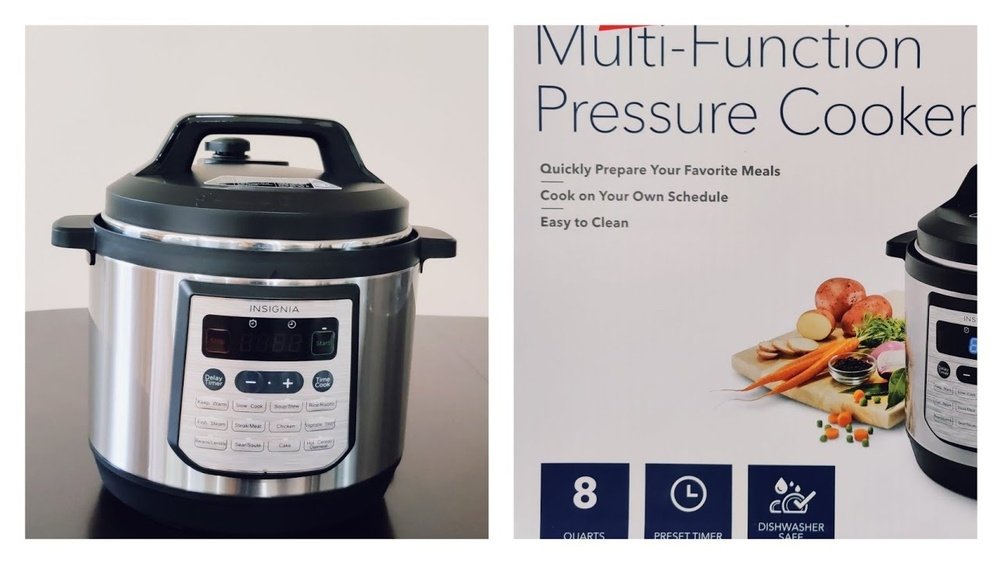
If you have an Insignia Pressure Cooker sitting on your kitchen counter, you might wonder, “How can I use this to make my meals faster and better? ” You’re not alone. Many new users feel both excited and a bit nervous when they first get this powerful kitchen tool.
The Insignia Pressure Cooker is designed to save you time, lock in flavors, and make cooking easier. But like any tool, it works best when you understand how to use it safely and correctly.
In this guide, you’ll learn everything you need to start cooking with your Insignia Pressure Cooker. Whether you want to make a simple soup, cook rice, or try more advanced recipes like stews or yogurt, the following sections will walk you through every step.
You’ll discover how to set it up, use each program, clean it, and solve common problems. Along the way, you’ll pick up smart tips that even experienced cooks often miss. By the end, you’ll feel confident to use your pressure cooker for everyday meals and special occasions.
What Is An Insignia Pressure Cooker?
The Insignia Pressure Cooker is an electric, multi-functional kitchen appliance. It combines several machines into one. You can use it as a pressure cooker, slow cooker, rice cooker, steamer, sauté pan, and even a yogurt maker (in some models). Most Insignia pressure cookers come in 6-quart or 8-quart sizes, which are great for families or meal prepping.
Electric pressure cookers like Insignia use a sealed pot, high pressure, and precise temperature controls. This helps cook food faster than regular stovetop or oven cooking. For example, a beef stew that takes 2 hours on the stove can be done in 40 minutes.
People love these cookers because they:
- Save time (many recipes are 2-3 times faster)
- Use less energy
- Keep flavors rich and food moist
- Allow “set it and forget it” cooking
Unboxing And Setting Up Your Insignia Pressure Cooker
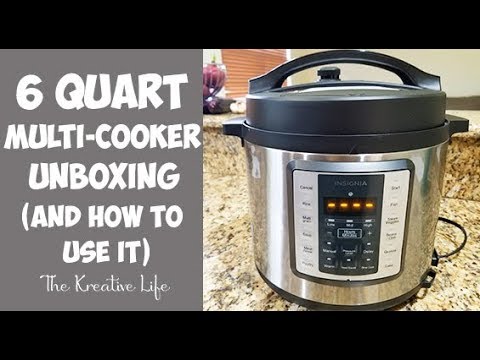
When you first open the box, you’ll find several parts. Knowing what each part is for helps you get started safely.
- Main Unit: The outer base with the control panel.
- Inner Pot: The removable, nonstick or stainless steel pot where you put your ingredients.
- Lid: With a handle, pressure valve, and sealing ring inside.
- Steam Rack: For steaming vegetables or eggs.
- Measuring Cup and Spoon: For rice and other recipes.
- Condensation Collector: A small plastic piece that attaches to the back.
Always wash the inner pot, steam rack, measuring cup, and spoon in warm soapy water before first use. Wipe the main unit with a damp cloth (never submerge the base in water).
First-time Setup Steps
- Place the pressure cooker on a flat, heat-resistant surface.
- Plug it into a standard outlet.
- Attach the condensation collector to the back (it snaps in).
- Make sure the sealing ring is properly fitted inside the lid; it sits inside a metal ring.
- Check the float valve and pressure release are clean and move freely.
- The cooker is now ready for its first use.
Pro Tip: If you smell a plastic odor during first use, don’t worry. This is common for new appliances. Run a “steam test” (add 2 cups of water, seal the lid, select the Steam function for 2 minutes) before cooking food. This removes most manufacturing smells.

Credit: nilds.gov.ng
Understanding The Control Panel
The control panel is the “brain” of your Insignia Pressure Cooker. It has preset programs, manual controls, and safety features. While the exact layout varies by model, most Insignia cookers share these buttons:
- Pressure Cook: Main function for fast cooking under high pressure
- Slow Cook: For traditional slow-cooked meals
- Rice: One-touch rice cooking
- Steam: For veggies, fish, or dumplings
- Sauté: For browning meat or onions before pressure cooking
- Yogurt: (some models) For making homemade yogurt
- Keep Warm/Cancel: Automatically keeps food warm or cancels any program
- +/- Time and Pressure: Adjust cooking time or pressure level
- Delay Start: Set a program to start later
The LED screen shows the selected function, time remaining, and error codes if something goes wrong.
Control Panel Example
Here’s a quick look at a typical Insignia control panel:
| Button | Function |
|---|---|
| Pressure Cook | Cook food under high pressure, fast and efficient |
| Slow Cook | Low-temperature, long-time cooking (like a slow cooker) |
| Rice | Automatic rice program |
| Sauté | Brown meat, onions, or garlic before pressure cooking |
| Steam | Gently cook vegetables, fish, or dumplings |
| Yogurt | Ferment and incubate homemade yogurt (if available) |
Non-Obvious Insight: Many beginners miss that you can combine functions. For example, you can sauté onions in the pot, then switch directly to pressure cook—no extra pans needed.
How To Use Each Cooking Program
Let’s break down each major cooking mode, when to use it, and how to get the best results.
Pressure Cook
This is the main feature. It’s perfect for meats, stews, beans, rice, potatoes, and more.
How to Pressure Cook:
- Add your ingredients and enough liquid (at least 1 cup). Pressure cooking needs steam to build pressure.
- Secure the lid and turn it clockwise to lock.
- Set the pressure valve to Sealing (not Venting).
- Press Pressure Cook. Use +/- to adjust time and pressure level.
- The cooker will take 5–15 minutes to build pressure. Then, the timer starts counting down.
- When done, you can Quick Release (turn valve to Venting) or Natural Release (wait for pressure to drop on its own).
Quick Release is best for vegetables or delicate foods. Natural Release is better for meats, beans, or soups to avoid splatter.
Example: Cooking chicken breasts (2 lbs) with 1 cup broth—set Pressure Cook for 10 minutes, Natural Release for 5 minutes.
Tip: Never open the lid until the float valve drops. This means all pressure is gone.
Slow Cook
Great for chili, pulled pork, or any meal that benefits from long cooking.
- Add ingredients.
- Place lid (you can use glass lid or pressure lid; keep valve on Venting).
- Press Slow Cook. Set time (4–10 hours).
- Cooker will switch to Keep Warm after time is up.
Rice
This mode is designed for white rice, jasmine, or basmati rice.
- Rinse rice until water runs clear.
- Add rice and water (usually 1: 1 ratio).
- Close lid and set valve to Sealing.
- Press Rice. The cooker adjusts time automatically.
- When done, let pressure release naturally for 10 minutes for fluffier rice.
Steam
For broccoli, carrots, eggs, fish, and dumplings.
- Add 1–2 cups water to the inner pot.
- Place food on the steam rack.
- Close lid, set valve to Sealing.
- Press Steam. Set time (e.g., 2–5 minutes for veggies).
- Quick Release when done.
Tip: Don’t overfill with water—too much can make steamed food soggy.
Sauté
Use this to brown meat or cook onions/garlic before pressure or slow cooking.
- Place the inner pot in the cooker.
- Press Sauté (lid off).
- Add oil and ingredients.
- Stir and cook as needed.
- Press Cancel when finished, then switch to another program.
Yogurt
If your model supports yogurt:
- Heat milk in the pot using Sauté or Yogurt Boil setting.
- Cool milk to about 110°F.
- Add yogurt starter (a few tablespoons of plain yogurt).
- Press Yogurt and set for 8–12 hours.
- When finished, chill yogurt in the fridge.
Non-Obvious Insight: You can make yogurt in jars by placing them on the steam rack with water in the pot. This keeps yogurt from sticking to the pot.
Cooking Times And Food Examples
Insignia pressure cookers can handle a wide range of foods. Here’s a quick comparison of typical cooking times:
| Food | Pressure Cooking Time | Traditional Time |
|---|---|---|
| Chicken Breasts | 8–10 min | 30–40 min |
| Beef Stew | 35–40 min | 2–3 hours |
| Brown Rice | 22–24 min | 45–50 min |
| Potatoes | 12–15 min | 30–40 min |
| Chickpeas (dry) | 35–40 min | 2–3 hours |
| Broccoli (steamed) | 2–3 min | 7–10 min |
Note: Always check the Insignia manual for exact times for your model.
Safety Features And Tips
Pressure cookers can sound scary, but Insignia models have many safety features:
- Lid Lock: Won’t open if there’s pressure inside.
- Pressure Release Valve: Safely releases steam.
- Float Valve: Shows when the pot is pressurized.
- Automatic Temperature Control: Prevents overheating.
- Burn Protection: Shuts off or gives an error if food is burning.
Safety Tips
- Always add enough liquid (at least 1 cup) so steam can build.
- Never fill the pot more than 2/3 full (1/2 for beans, rice, or foods that expand).
- Keep hands and face away from the steam vent when releasing pressure.
- Clean the sealing ring, lid, and valves regularly to prevent blockages.
- Don’t force the lid open; wait for the float valve to drop.
Smart Insight: Many new users forget to check the sealing ring. A loose or misplaced ring means the cooker won’t build pressure.
Credit: www.cpsc.gov
Cleaning And Maintenance
Keeping your Insignia Pressure Cooker clean is important for safety and taste.
Cleaning Steps
- Unplug and let the cooker cool completely.
- Remove the inner pot and wash with warm, soapy water. It’s usually dishwasher safe.
- Wash the lid and sealing ring by hand. Remove the ring for thorough cleaning.
- Clean the steam rack, measuring cup, and spoon.
- Wipe the main unit with a damp cloth (never put it in water).
- Check the pressure valve and float valve for any food buildup.
- Remove and wash the condensation collector.
Maintenance Tips
- Replace the sealing ring every 12–18 months or if it’s cracked.
- Store the lid upside down on the pot to prevent odors.
- If odors persist, soak the ring in vinegar and baking soda.
- Check the power cord and plug for damage.
- Store all parts dry to prevent mold.
Overlooked Detail: Many people forget the condensation collector. Empty and clean it regularly to avoid leaks and odor.
Troubleshooting Common Problems
Even with a great machine, things can go wrong. Here’s how to fix the most common issues:
Not Building Pressure
- Possible Causes: Not enough liquid, lid not sealed, sealing ring misplaced, valve set to Venting.
- Solution: Check liquid level, reseat the sealing ring, set valve to Sealing, restart.
“burn” Or “food Burn” Error
- Possible Causes: Food stuck to the bottom, not enough liquid, thick sauces.
- Solution: Stop the cooker, stir food, add more liquid, scrape up stuck bits, restart.
Steam Leaking Around Lid
- Possible Causes: Sealing ring not in place, food stuck in rim, lid not closed tightly.
- Solution: Clean the rim, reseat the ring, close lid firmly.
Lid Won’t Open
- Possible Cause: Still under pressure.
- Solution: Wait for float valve to drop. Do not force.
Rice Too Mushy Or Hard
- Possible Causes: Wrong water ratio, cooking time too long or short.
- Solution: Use correct rice-to-water ratio (usually 1:1), adjust cooking time.
Display Shows “lid” Or “open”
- Possible Cause: Lid not locked properly.
- Solution: Remove and replace the lid, making sure it locks in place.
Pro Tip: If you see repeated errors, unplug the unit for 5 minutes to reset the electronics.
Best Practices For Insignia Pressure Cooker Success
To get the most out of your cooker, keep these key practices in mind:
- Read recipes carefully. Pressure cooking is precise—don’t guess liquid amounts or cook times.
- Prep ingredients before starting. The process moves quickly once you begin.
- Layer flavors by sautéing onions, garlic, or spices before pressure cooking.
- Cut meat and vegetables evenly for even cooking.
- Release pressure carefully. Quick Release is best for veggies, Natural Release for meats and beans.
- Experiment with one-pot meals. Try chili, risotto, or curry without extra pans.
- Batch cook. Make extra soup, beans, or rice to freeze for later.
- Use the Delay Start for breakfast oats or dinner ready when you get home.
- Keep a log of your favorite recipes and changes for next time.
- Join online communities for new recipe ideas and tips. The Insignia Pressure Cooker Facebook group is very active.
Sample Recipes For Beginners
Try these simple recipes to build your confidence.
Simple Chicken Soup
Ingredients:
- 1 lb boneless chicken thighs
- 1 cup chopped carrots
- 1 cup chopped celery
- 1 cup chopped onion
- 2 garlic cloves, minced
- 6 cups chicken broth
- 1 tsp salt
- ½ tsp pepper
- 1 tsp dried thyme
Steps:
- Place all ingredients in the inner pot.
- Lock lid, set to Sealing.
- Press Pressure Cook, set for 10 minutes.
- Natural Release for 5 minutes, then Quick Release.
- Remove chicken, shred, and return to soup.
Perfect White Rice
Ingredients:
- 2 cups white rice, rinsed
- 2 cups water
- 1 tsp salt
Steps:
- Add rice, water, and salt to the inner pot.
- Lock lid, set to Sealing.
- Press Rice button.
- When finished, Natural Release for 10 minutes.
- Fluff with a fork.
Steamed Broccoli
Ingredients:
- 1 head broccoli, cut into florets
- 1 cup water
Steps:
- Pour water into inner pot.
- Place broccoli on steam rack.
- Lock lid, set to Sealing.
- Press Steam, set for 2 minutes.
- Quick Release and serve.
Practical Tip: Start with these easy recipes, then try more complex meals as you grow confident.
Comparing Insignia To Other Pressure Cookers
Many people ask if the Insignia is as good as brands like Instant Pot or Crock-Pot. Here’s a simple comparison:
| Feature | Insignia | Instant Pot | Crock-Pot Express |
|---|---|---|---|
| Price Range | Low–Moderate | Moderate | Moderate |
| Functions | Pressure, Slow, Rice, Steam, Sauté, Yogurt (some) | Pressure, Slow, Rice, Steam, Sauté, Yogurt | Pressure, Slow, Rice, Steam, Sauté |
| Ease of Use | Simple, clear buttons | Easy, with more options | Simple |
| Availability | Best Buy, Online | Widespread | Widespread |
Observation: Insignia is a solid, budget-friendly choice with all key features for everyday home cooking.
Advanced Tips Most People Miss
- Pot-in-Pot Cooking: You can cook rice in a heatproof bowl on the steam rack while a stew cooks below.
- Stacking Foods: Place eggs, potatoes, and meat on different levels for a full meal.
- Make desserts: Cheesecake, rice pudding, and even brownies can be made in your cooker.
- Sterilizing bottles: Use the Steam function to sterilize baby bottles or jars.
- Save time with pre-prepped freezer meals: Place frozen meals directly in the pot—just add 5 minutes to cook time.
Advanced Insight: The sauté function can also reduce sauces after pressure cooking—just remove the lid and simmer until thick.
Credit: www.youtube.com
Frequently Asked Questions
How Much Water Should I Use In My Insignia Pressure Cooker?
You should always use at least 1 cup of liquid for pressure cooking. This helps the cooker create steam and build pressure. Some recipes, especially rice or beans, need more water. Never use less than the minimum or the cooker may not work properly.
Can I Cook Frozen Meat In The Insignia Pressure Cooker?
Yes, you can cook frozen meat directly without defrosting. Add 5–10 minutes to the normal cooking time, and always check that the meat reaches a safe internal temperature. The pressure cooker heats evenly, so frozen meat comes out tender and safe.
Is The Insignia Pressure Cooker Dishwasher Safe?
The inner pot, steam rack, measuring cup, spoon, and sealing ring are usually dishwasher safe. Always check your model’s manual. The main unit and lid should be washed by hand. Never immerse the main unit in water.
What Should I Do If My Pressure Cooker Says “burn”?
If you see a Burn warning, it means food is stuck to the bottom or there’s not enough liquid. Turn off the cooker, open the lid, stir or scrape the food, add more liquid if needed, and start again. Avoid thick sauces or creamy soups, as these can trigger the Burn warning.
Where Can I Find More Insignia Pressure Cooker Recipes?
You can find hundreds of recipes on the Best Buy website, pressure cooking blogs, and YouTube. There are also active groups on Facebook and Reddit for sharing tips and recipes. For more details about pressure cooking, visit the Wikipedia Pressure Cooking page.
Using your Insignia Pressure Cooker can change the way you cook—saving you time and making healthy meals easy. With a little practice, you’ll turn out perfect rice, soups, stews, and even desserts. Don’t be afraid to experiment and make the cooker work for your lifestyle.
The more you use it, the more you’ll wonder how you ever cooked without it.