
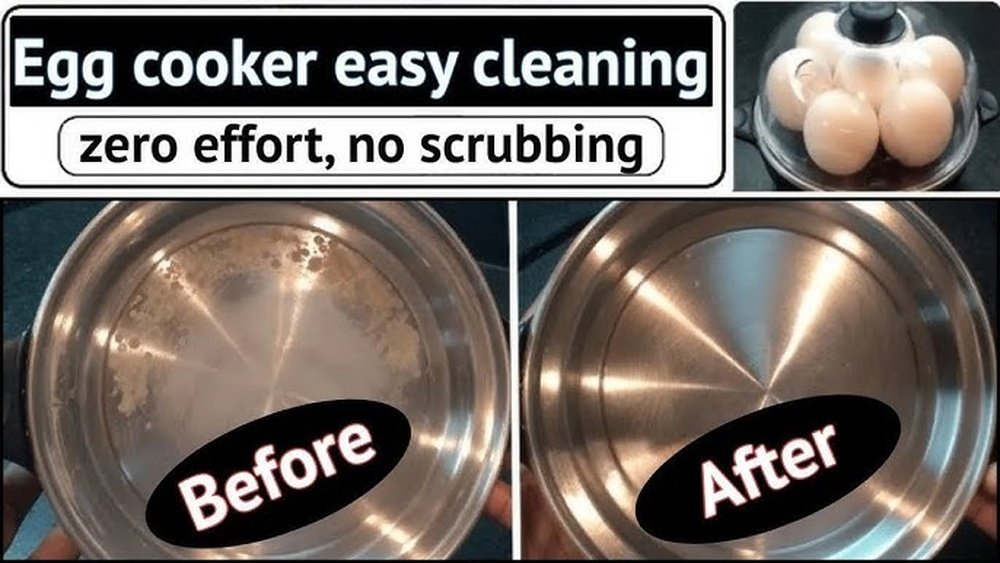
If you cook eggs often, you probably enjoy using an egg cooker. It makes breakfast faster and less messy. But after a few uses, you may notice stains, leftover water, or even unpleasant smells. Just like any kitchen tool, an egg cooker needs regular cleaning for safety, taste, and a longer lifespan. Many people forget this, or clean only part of the device. This guide will show you how to clean your egg cooker properly, avoid mistakes, and keep it working like new.
Egg cookers come in many designs, from simple steamers to multi-purpose machines. No matter the model, cleaning steps are similar. With clear instructions, you can avoid damage and remove hidden grime. Whether you have a plastic or stainless steel model, or use it every day or once a week, this guide covers everything you need.
You’ll learn detailed steps, get practical tips, and see common errors that beginners make. Let’s help your egg cooker last longer and deliver fresh, tasty eggs every time.
Why Cleaning Your Egg Cooker Matters
Some people think a quick rinse is enough. But egg residue, minerals from water, and old smells can build up fast. Bacteria and mold love warm, damp places—like inside your egg cooker. If not cleaned well, these can spoil your eggs or even make you sick. Also, leftover minerals from hard water can block steam vents or damage heating elements.
A clean egg cooker works better and saves energy. It also makes your eggs taste better and avoids cross-contamination. Investing a few minutes in cleaning means fewer repairs and less need to replace the cooker.
Understanding The Parts Of An Egg Cooker
Before you start, it’s important to know the main parts of your device. Most egg cookers include:
- Lid: Often clear plastic or glass, covers the eggs during cooking.
- Egg tray/rack: Holds eggs upright.
- Heating plate/base: The part that heats water to create steam.
- Measuring cup: For adding the right amount of water.
- Accessories: Some models include poaching trays or omelet pans.
Check your manual for any special parts or features. This will help you clean everything properly.
Supplies You Need
Gather these cleaning supplies before you begin:
- Soft sponge or dishcloth
- Mild dish soap
- Soft brush or old toothbrush
- White vinegar
- Clean water
- Paper towels or soft drying cloth
- Cotton swabs (optional, for small areas)
Never use steel wool or harsh chemicals. These can scratch or damage your egg cooker.
Basic Cleaning After Each Use
Regular cleaning after every use keeps your egg cooker fresh. Follow these steps:
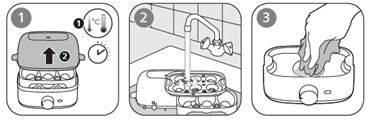
1. Unplug And Cool Down
Always unplug your egg cooker and let it cool completely. Never clean while it’s hot or plugged in.
2. Disassemble
Remove the lid, egg tray, and any accessories. Take out all parts that can be washed separately.
3. Wash Removable Parts
Use warm, soapy water and a soft sponge. Clean the lid, egg tray, and any pans or cups. Rinse well under running water to remove soap.
4. Clean The Heating Plate/base
Wipe the heating plate with a damp cloth. If there are stubborn stains or mineral spots, use a little vinegar on the cloth. Never put the base in water.
5. Dry Completely
Dry every part with a towel or let them air dry. Make sure there’s no water left before reassembling.
6. Reassemble And Store
Once dry, put all parts back together and store in a clean, dry place.
Credit: www.youtube.com
Deep Cleaning: Removing Mineral Buildup
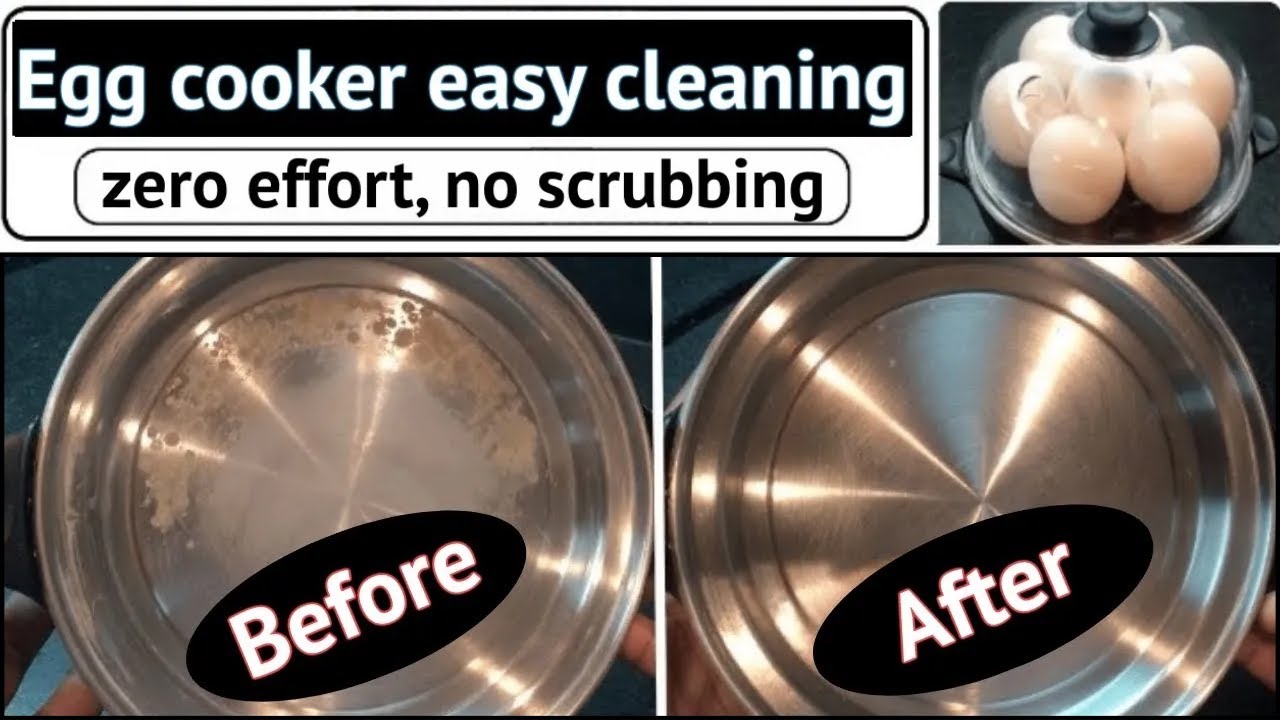
Over time, you may see white or cloudy spots on the heating plate. This is mineral scale from water. It can affect performance and even shorten the life of your cooker. Do a deep clean every few weeks, or if you notice buildup.
How To Deep Clean The Heating Plate
1. Mix A Cleaning Solution
Combine equal parts white vinegar and water (for example, 1/2 cup each).
2. Add To The Heating Plate
Pour the mixture directly onto the heating plate, just enough to cover the surface.
3. Let It Soak
Leave it for 15-30 minutes. The vinegar will dissolve mineral deposits.
4. Wipe And Scrub
Use a soft sponge or brush to gently scrub away any scale. For tough spots, use a cotton swab.
5. Rinse And Wipe
Wipe with a clean, damp cloth to remove vinegar and loosened minerals.
6. Run A Cleaning Cycle (optional)
If your cooker manual allows, you can run a short steam cycle with just vinegar and water (no eggs). Then rinse and wipe again.
Cleaning Other Parts
Egg trays, lids, and cups rarely get mineral buildup but can get greasy or stained. Wash with soapy water, rinse, and dry.
Cleaning Poaching Trays And Omelet Pans
Many egg cookers include extra trays for poached eggs or omelets. These can get greasy or sticky. For best results:
- Soak in warm, soapy water for 10 minutes.
- Use a soft brush to remove egg residue.
- Rinse well and dry completely.
If trays have non-stick coating, avoid metal utensils or abrasive pads.

Credit: www.reddit.com
Dealing With Stubborn Smells
Sometimes, egg cookers hold onto a sulfur smell even after cleaning. Try these steps:
- Soak removable parts in a mix of water and a few tablespoons of baking soda for 15-30 minutes.
- Wipe the base with a cloth dipped in diluted vinegar (do not soak).
- Let air dry all parts overnight in a well-ventilated area.
This helps neutralize odors without harsh chemicals.
Tips For Plastic Vs Stainless Steel Egg Cookers
Different materials need different care. Here’s a quick comparison:
| Material | Care Needed | Common Issues |
|---|---|---|
| Plastic | Hand wash, avoid high heat | Stains, absorbs smells |
| Stainless Steel | Resists stains, can scrub gently | Water spots, fingerprints |
For plastic lids or trays, avoid using the dishwasher unless the manual says it’s safe. Stainless steel parts are often more durable but can show water spots—wipe dry for best results.
Cleaning The Measuring Cup
Many people forget to clean the measuring cup. Egg residue or minerals can build up here too. Wash with warm, soapy water and rinse well. For hard spots, soak in vinegar for a few minutes, then scrub gently.
How Often Should You Clean Your Egg Cooker?
- After each use: Quick wash of all removable parts and wipe the base.
- Every 2-4 weeks: Deep clean the heating plate with vinegar and water.
- If you see buildup or smell odors: Clean right away, don’t wait.
Frequent cleaning makes the job easier and keeps your cooker in top shape.
Common Mistakes When Cleaning An Egg Cooker
Even careful users sometimes make these errors:
1. Submerging The Base
Never put the electrical base in water. This can cause damage or even electric shock.
2. Using Harsh Cleaners
Bleach or strong chemicals can corrode parts or leave dangerous residues.
3. Scrubbing With Metal Pads
Steel wool scratches surfaces and removes non-stick coatings.
4. Ignoring Small Parts
Skip cleaning the measuring cup or crevices, and bacteria can grow.
5. Not Drying Completely
Moisture left inside can cause rust, mold, or electrical problems.
6. Forgetting To Descale
Mineral buildup reduces efficiency and can damage the cooker.
7. Not Checking The Manual
Each model may have special instructions. Always check before cleaning in a new way.
Step-by-step: Cleaning A Typical Egg Cooker
Let’s put everything together with a full cleaning routine:
- Unplug and cool the cooker
- Disassemble all parts: Remove lid, trays, cups, etc.
- Wash removable parts in warm, soapy water. Rinse and dry.
- Clean the heating plate: Wipe with damp cloth. Use vinegar for buildup.
- Check for stubborn stains: Use a brush or cotton swab for corners.
- Clean the measuring cup and accessories
- Dry everything completely
- Reassemble and store
Repeat the deep clean steps monthly or as needed.
Credit: www.philips.sa
Cleaning Frequency Comparison
To see how often different cleaning tasks should be done, here’s a simple guide:
| Task | Frequency | Notes |
|---|---|---|
| Wash trays and lid | After every use | Prevents buildup |
| Wipe heating plate | After every use | Removes spills |
| Descale with vinegar | Monthly | More often with hard water |
| Odor removal | As needed | Use baking soda or vinegar |
Extra Tips For Long-lasting Egg Cookers
- Use distilled water instead of tap water to reduce mineral scale.
- Always empty leftover water right after cooking.
- Store the cooker dry and open, especially if you use it rarely.
- Replace old or damaged trays instead of forcing them to fit.
- Avoid stacking heavy items on top of the cooker to prevent cracks.
Dealing With Hard Water
If you live in an area with hard water, mineral deposits will form faster. Use distilled or filtered water to slow down scale. You may need to descale more often. If you see thick white spots, soak with vinegar longer or use a descaling solution made for kitchen appliances.
Cleaning Egg Cooker Accessories
Some models come with extra tools like egg piercers or tongs. Clean these by hand with warm, soapy water. Dry well before storing. Small cracks or seams can hold bacteria, so check regularly and replace if needed.
Troubleshooting After Cleaning
If your egg cooker is not working right after cleaning, check these:
- Did you dry all parts? Water inside the base can cause issues.
- Are all parts correctly assembled? Misaligned trays or lids can block steam.
- Is there mineral residue left? Repeat vinegar cleaning if needed.
- Did you use too much water? Wipe up spills before plugging in.
If problems continue, consult the manual or contact customer service.
When To Replace Your Egg Cooker
Even with perfect cleaning, egg cookers do not last forever. Replace your device if you notice:
- Cracks in the base or lid
- Damaged or frayed power cord
- Heating plate no longer heats properly
- Persistent bad smells that don’t go away
- Rust or mold that can’t be cleaned
Newer models often have better non-stick surfaces and are easier to clean.
Safety Precautions
- Always unplug before cleaning.
- Never immerse the base in water.
- Use only mild cleaners.
- Keep away from children during and after use.
- Dry all parts before plugging in again.
Comparing Egg Cooker Cleaning To Other Appliances
How does cleaning an egg cooker compare to cleaning other kitchen tools?
| Appliance | Cleaning Difficulty | Special Notes |
|---|---|---|
| Egg Cooker | Easy | Heater needs vinegar cleaning |
| Toaster | Moderate | Crumb tray must be emptied |
| Coffee Maker | Moderate | Descale monthly |
| Rice Cooker | Easy-Moderate | Non-stick pot, avoid water in base |
Egg cookers are among the easiest to keep clean, but only if you do it often.
What About Dishwasher Cleaning?
Many egg cookers have parts that are dishwasher safe. Check your manual to be sure. Most lids and trays can go on the top rack. Never put the base in the dishwasher. Hand washing is safer for non-stick parts and delicate plastic.
Environmental Tips
To clean in an eco-friendly way:
- Use vinegar and baking soda instead of chemical cleaners.
- Reuse old toothbrushes for scrubbing.
- Avoid single-use paper towels; use cloths when possible.
- Use only the amount of water you need.
This saves money and helps the environment.
Storing A Clean Egg Cooker
After cleaning, let all parts dry fully. Store with the lid off, or loosely set on top, to prevent trapped moisture. Keep in a cool, dry cabinet. If you use your egg cooker rarely, check and clean before each use, as dust or moisture may collect.
Signs Your Egg Cooker Needs Cleaning
Don’t wait for problems. Clean right away if you notice:
- Cloudy or white spots on the heating plate
- Strange smells after cooking
- Slower cooking times
- Water left after cooking
- Eggs not cooking evenly
These are signs of buildup or bacteria, and cleaning will fix most issues.
Cleaning For Food Safety
Eggs can carry salmonella and other bacteria. A dirty cooker can spread germs to your food. Proper cleaning reduces this risk and keeps your kitchen safe. If you see mold or rust, clean thoroughly before using.
Cleaning For Better Taste
Leftover egg bits or old water can make fresh eggs taste off. Clean equipment means better-tasting eggs and no strange aftertaste.
Faq: Frequently Asked Questions
How Do I Remove Tough Mineral Stains From The Heating Plate?
Mix equal parts white vinegar and water. Pour it onto the heating plate and let soak for 20-30 minutes. Then, use a soft sponge or brush to scrub away stains. Rinse with a damp cloth. Repeat if stains remain. Never use harsh chemicals or metal scrubbing pads.
Can I Put Egg Cooker Parts In The Dishwasher?
Most removable parts like trays and lids are top-rack dishwasher safe, but always check your manual first. Never put the base in the dishwasher. Hand washing is gentler and extends the life of plastic and non-stick parts.
What Should I Do If My Egg Cooker Smells Bad After Cleaning?
Soak removable parts in a mix of water and baking soda for 30 minutes. Wipe the base with a vinegar-dampened cloth. Let all parts air dry in a ventilated area overnight. If the smell remains, repeat the process or check for hidden residue.
How Often Should I Descale My Egg Cooker?
Descale the heating plate every 2 to 4 weeks, or more often if you use hard tap water. Regular descaling prevents buildup and keeps the cooker working efficiently.
Is It Safe To Use Vinegar For Cleaning My Egg Cooker?
Yes, white vinegar is safe and effective for removing mineral deposits and odors. Use equal parts vinegar and water. Always rinse well afterward. Vinegar is a natural cleaner, recommended by many appliance makers and food safety organizations, such as the USDA Food Safety and Inspection Service.
A well-cleaned egg cooker means better eggs and a safer kitchen. With these steps, you can keep your device working like new—saving you time, money, and effort for many breakfasts to come.