

If your morning depends on a hot cup of coffee from your Keurig K Express, keeping it clean is essential. Over time, minerals from water, old coffee oils, and even mold can build up inside your machine. This doesn’t just affect the taste of your coffee—it can also shorten the life of your Keurig.
Descaling your Keurig K Express is the best way to remove these unwanted deposits and keep every cup fresh. If you’ve never descaled a coffee maker before, don’t worry. This guide will walk you through every step, explain why descaling matters, and give you extra tips to avoid mistakes that many people make.
Why Descaling Your Keurig K Express Matters
Many Keurig owners don’t realize how quickly mineral buildup can happen inside the machine. Most tap water, even if it tastes fine, contains minerals like calcium and magnesium. When water is heated, these minerals are left behind, creating a layer called “scale.” Over time, this scale can:
- Block water flow, making your coffee brew slower
- Affect the heating element, causing inconsistent temperatures
- Change the taste and smell of your coffee
- Lead to machine errors or a complete breakdown
Descaling removes this buildup. Regular cleaning is not enough—descaling is a deeper process that targets hidden deposits inside the water lines and heating areas. Keurig recommends descaling every three to six months, depending on how hard your water is and how much you use your machine.
If you notice your Keurig making loud noises, brewing less coffee, or giving off an odd smell, it’s time to descale.
What You Need Before You Start
Descaling is simple, but you’ll need a few basic items before you begin:
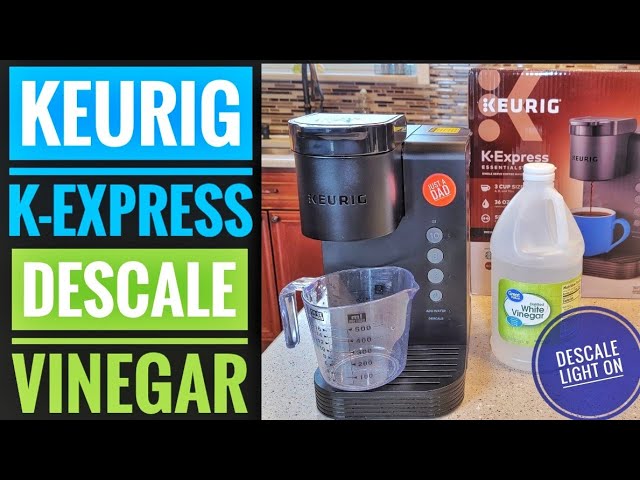
- Descaling solution or white vinegar: Keurig sells its own solution, but white vinegar is a common alternative.
- Large ceramic mug: Avoid paper or plastic cups.
- Fresh water: For rinsing after the descaling process.
- Sink: For discarding hot liquid safely.
- Soft cloth: For wiping and cleaning removable parts.
Never use bleach or harsh chemicals to clean your Keurig. Stick to products made for coffee makers, or plain white vinegar, which is safe and effective.
Credit: support.keurig.com
Understanding Scale And Water Quality
Many people overlook the role of water quality in coffee maker maintenance. Hard water, which is high in minerals, creates more scale than soft water. If you live in an area with hard water, you may need to descale more often. Some signs of hard water include white spots on faucets and showerheads, or a filmy residue on dishes.
To help you understand how water type affects descaling frequency, here’s a simple comparison:
| Water Type | Scale Buildup Rate | Recommended Descale Interval |
|---|---|---|
| Hard Water | High | Every 3 months |
| Soft Water | Low | Every 6 months |
| Bottled/Filtered Water | Very Low | Every 6-12 months |
If you’re not sure about your water type, your local water provider’s website can usually tell you.
Step-by-step Guide To Descale A Keurig K Express
Let’s dive into the main process. These steps are designed for the Keurig K Express model, but the general method is similar for other Keurig single-serve brewers.
1. Prepare Your Machine
Start with the basics:
- Turn off the Keurig K Express and unplug it from the wall.
- Remove any K-cup pod from the holder.
- Empty the water reservoir completely.
- Remove any removable parts (drip tray, water reservoir lid) and wash them with warm, soapy water. Rinse and dry before replacing.
This step ensures you’re working with a clean base and removes any leftover coffee that could interfere with descaling.
2. Add Descaling Solution Or Vinegar
You have two main choices for the descaling liquid:
- Keurig descaling solution: Follow the instructions on the bottle. Usually, you pour the entire bottle into the empty water reservoir, then fill the rest of the reservoir with fresh water.
- White vinegar: Fill the reservoir halfway with vinegar, then top off with water.
Never use both at the same time. Pick one method.
3. Begin The Descale Cycle
- Place the large mug on the drip tray.
- Plug in and power on the Keurig.
- Without a K-cup, run a brew cycle (choose the largest cup setting). Discard the hot liquid from the mug into the sink after each cycle.
- Repeat this process until the reservoir is empty. This will take several cycles.
For best results, let the machine sit for 30 minutes after the last cycle. This gives the solution time to break down stubborn scale inside the machine.
4. Rinse The Water Reservoir
- Remove the water reservoir and rinse it thoroughly. Any leftover vinegar or solution can affect the taste of your next coffee.
- Fill the reservoir with fresh, clean water.
5. Flush The Machine
- With the mug back in place, run several more brew cycles with only fresh water (no K-cup). Repeat until the reservoir is empty again. This removes any leftover descaling solution or vinegar.
- You may need to refill and flush the reservoir more than once to fully clear out the taste and smell.
Most people only flush once, but this is a common mistake. For the freshest taste, flush at least twice.
6. Reassemble And Wipe Down
- Put all removable parts back in place.
- Wipe down the outside of your Keurig K Express with a soft, damp cloth.
- Plug your machine back in.
Your Keurig is now descaled and ready to use.
Tips For A Perfect Descale Every Time
Descaling is simple, but these extra steps will help you get the best results and avoid problems:
- Don’t rush the process. Letting the solution sit for 30 minutes is important.
- Always use a ceramic mug. Plastic and paper can warp or melt.
- Flush more than once. Lingering vinegar or solution can ruin your next cup.
- Never use bleach or strong chemicals. They can damage the machine and are unsafe for food surfaces.
- Replace the water filter (if your model uses one) after descaling. Old filters can reintroduce minerals.
- Wipe up spills immediately. Descaling solution can be sticky.
- Don’t drink the first few cups after descaling. Always flush the system first.
- Log your descaling dates. This helps you remember when you last cleaned the machine.
Many beginners skip the flush or use the wrong kind of mug—both can cause issues. Take the extra time to do it right.
Common Mistakes To Avoid
Even experienced Keurig owners sometimes make these errors:
- Using too much vinegar: Strong vinegar can leave a lasting smell and taste. Always dilute with water.
- Forgetting to remove the water filter: If you use a charcoal filter, take it out before adding vinegar or solution. Leaving it in can damage the filter.
- Not cleaning removable parts: Coffee oils can build up in the drip tray and water reservoir.
- Stopping the process early: If you see clear water, it’s tempting to finish early. Complete all cycles to ensure all scale is gone.
- Ignoring the descaling alert: Some Keurig models have a light or message for descaling. Don’t ignore it.
One non-obvious tip: If your Keurig starts making strange noises or the brew size changes, try descaling before looking for repairs. Scale is often the cause.
Signs Your Keurig K Express Needs Descaling
Sometimes, the machine itself will let you know when it’s time. Look for these signs:
- Longer brew times: Coffee takes much longer than usual.
- Smaller cup sizes: The machine isn’t filling cups as much as it used to.
- Odd tastes or smells: Coffee tastes bitter, metallic, or stale.
- Strange noises: Grinding or hissing sounds during brewing.
- Descale indicator light: Some models have a light that turns on.
If you notice any of these, descale your Keurig as soon as possible.
How Often Should You Descale?
The best frequency depends on your water and how much you use the machine. Here’s a quick guide:
| Usage Level | Water Type | Recommended Descaling |
|---|---|---|
| Daily (4+ cups) | Hard Water | Every 2-3 months |
| Daily (4+ cups) | Soft/Bottled Water | Every 4-6 months |
| Occasional (1-2 cups/day) | Any Water | Every 6 months |
If you’re unsure, every three months is a safe bet for most users.
Should You Use Vinegar Or Keurig Solution?
Both methods work, but there are differences:
- Keurig descaling solution is designed for the machine and leaves less odor. It’s a bit more expensive but is safe for internal parts.
- White vinegar is cheaper and easy to find, but you must rinse the machine well to remove the smell and taste.
Some people worry that vinegar can damage the machine. While it is acidic, it’s not strong enough to harm your Keurig if you dilute it properly and rinse thoroughly.
How Descaling Affects Taste And Machine Life
Descaling does more than just clean the machine—it also keeps your coffee tasting fresh. Scale buildup can trap old coffee oils and even bacteria inside your brewer. After a thorough descale, most people notice:
- Cleaner, fresher taste
- Hotter coffee
- Consistent cup sizes
- Quieter operation
In one study, coffee makers that were descaled regularly lasted up to 50% longer than those that weren’t. Proper maintenance protects your investment and ensures every cup is as good as the first.
What To Do If Descaling Doesn’t Work
If you follow all the steps and your Keurig K Express still has issues (slow brewing, strange noises, or error messages), try these extra steps:
- Check for clogs: Use a paperclip to gently clear the K-cup holder needle.
- Repeat the descale process: Sometimes, heavy buildup needs two rounds.
- Contact Keurig support: If problems persist, you may need professional help.
Sometimes, hard water can cause very stubborn scale. Running the descale process twice, or letting the solution sit overnight, can help.
Alternative Methods And Home Remedies
While vinegar and Keurig’s own solution are the most common, some users try other options:
- Lemon juice: Has a similar acidity to vinegar. Mix half lemon juice, half water. Rinse thoroughly.
- Citric acid powder: Dissolve 1-2 tablespoons in a full reservoir of water. This method is less smelly than vinegar but still effective.
Avoid using baking soda or anything abrasive inside your Keurig. They do not dissolve scale and can clog the system.

Credit: www.newtel.pe
How To Keep Your Keurig K Express Cleaner Between Descales
You don’t have to wait for scale buildup to maintain your machine. Here are simple habits to keep your Keurig fresh every day:
- Use filtered water: Reduces minerals and extends time between descales.
- Empty the reservoir overnight: This prevents mold and bacteria from growing.
- Wash removable parts weekly: Keep the drip tray and reservoir clean.
- Run a water-only cycle daily: After your last coffee, run a cycle with just water to flush out leftover grounds and oils.
- Replace water filters regularly: If your Keurig uses a filter, change it every 2 months.
Most people don’t realize that leaving water in the machine overnight is a major cause of mold. Make it a habit to empty and dry the reservoir.
Comparing Keurig Models: Descaling Frequency And Difficulty
Not all Keurig models are the same. Some have built-in reminders, others require manual tracking. Here’s how the Keurig K Express compares with a few other popular models:
| Model | Descale Reminder | Descale Process Complexity | Average Time Needed |
|---|---|---|---|
| K Express | No | Easy | 45-60 minutes |
| K Elite | Yes | Moderate | 60-75 minutes |
| K Mini | No | Easy | 45 minutes |
| K Supreme Plus | Yes | Moderate | 60 minutes |
The K Express is one of the simplest machines to descale, but it doesn’t remind you. Set a calendar alert or write down the last descale date.
Credit: www.youtube.com
Expert Insights: What Most Users Miss About Descaling
It’s easy to think descaling is just about removing white deposits, but there’s more to it:
- Biofilm and bacteria: Scale can trap bacteria inside your machine. If you notice musty smells, descale and clean all removable parts.
- Hidden water lines: Some buildup happens in hidden tubes. Only descaling (not normal cleaning) reaches these areas.
- Water temperature problems: If your coffee isn’t hot enough, scale may be blocking the heating element. A good descale often solves this.
One surprising tip: If you use your Keurig heavily, descale more often than the manual suggests. Office machines, for example, may need monthly cleaning.
The Cost Of Not Descaling
Ignoring descaling can lead to:
- Costly repairs or replacement: Hard scale can damage internal parts, leading to expensive fixes.
- Poor tasting coffee: Old oils and minerals affect every cup.
- Shorter machine life: Most machines that fail early do so because of mineral buildup.
- Health risks: Mold and bacteria can form in rarely cleaned machines.
A little effort every few months protects your investment and your health.
Sources For Descaling Supplies
You can find Keurig descaling solution at most big-box retailers or online. White vinegar is available at any grocery store. If you want to try citric acid, look in the canning section of supermarkets or online.
For more on coffee machine care, the National Coffee Association offers expert advice.
Frequently Asked Questions
How Do I Know When My Keurig K Express Needs Descaling?
Look for signs like longer brew times, smaller cup sizes, odd tastes or smells, and strange noises. If you use hard water, descale every 3 months even if you don’t notice problems.
Can I Use Apple Cider Vinegar Instead Of White Vinegar?
It’s not recommended. Apple cider vinegar has sugars and flavors that can stick inside the machine. Use only white vinegar or a Keurig descaling solution.
Is It Safe To Drink Coffee Right After Descaling?
No. Always run several rinse cycles with fresh water before brewing coffee. Drinking descaling solution or vinegar residue is unsafe and tastes bad.
What If My Keurig Still Brews Slowly After Descaling?
Try descaling a second time, and check for clogs in the needle with a paperclip. If problems persist, contact Keurig support for help.
Can I Prevent Scale By Using Only Bottled Water?
Bottled or filtered water slows down scale but doesn’t stop it completely. Minerals still build up over time, so you still need to descale, just less often.
Taking care of your Keurig K Express is simple, but it makes a big difference in taste, machine life, and your daily routine. Follow these steps and tips, and you’ll enjoy fresh, delicious coffee every time. Regular descaling is a small effort for a big reward—don’t skip it.