
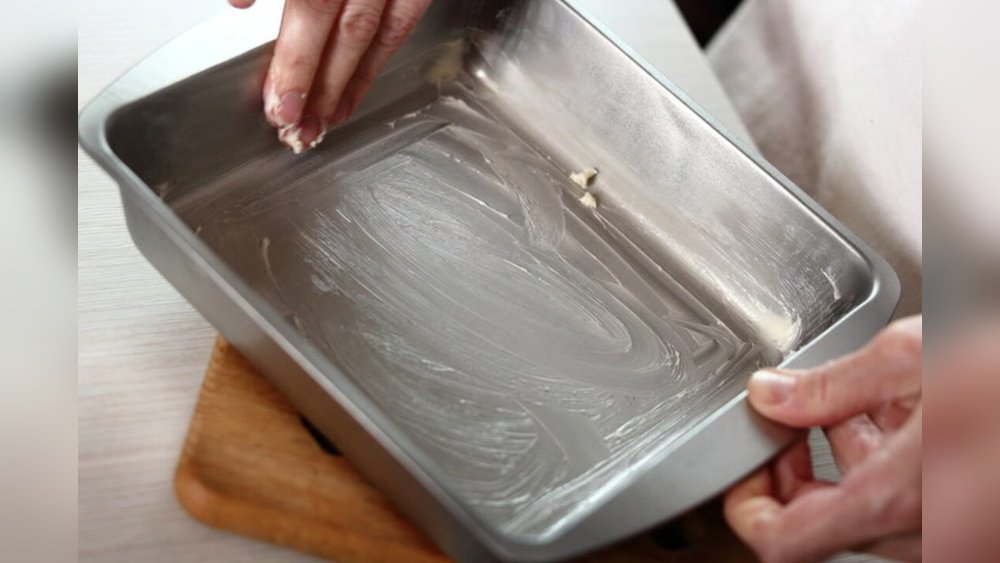
Greasing a pan is one of the most basic steps in baking and cooking. It helps food release easily, prevents sticking, and makes cleanup simpler. But what if you don’t want to use oil or butter? Maybe you’re out of both, following a low-fat diet, or cooking for someone with allergies. Good news: You have more options than you might think. Many home cooks don’t realize how many simple and effective alternatives exist. Let’s dive deep into everything you need to know about how to grease a pan without oil or butter.
Why Avoid Oil Or Butter?
Choosing not to use oil or butter can be personal or health-based. Some people want to reduce fat or calories. Others avoid certain fats for health reasons or because of allergies. Sometimes, you simply run out at the last minute. It’s also common in vegan baking or when making recipes for people who can’t eat dairy.
Knowing alternatives gives you flexibility. It also helps you avoid last-minute stress when you realize your butter dish is empty. Learning these methods can open new possibilities in your kitchen.
What Makes A Good Greasing Substitute?
To replace oil or butter, an alternative should:
- Coat the pan evenly
- Withstand baking or cooking temperatures
- Not add unwanted flavors
- Allow food to release cleanly
Some substitutes work better for baking, others for roasting or frying. Certain methods are better for nonstick pans, while others suit metal or glass. Understanding these details can save you frustration and wasted food.

Credit: www.reddit.com
Common Non-oil, Non-butter Greasing Methods
1. Baking Paper (parchment Paper)
Parchment paper is a kitchen staple. It provides a nonstick surface for baked goods, roasted vegetables, or even fish.
- How to use: Cut paper to fit the bottom and sides of your pan. For cakes, trace the pan and cut a circle.
- Best for: Cakes, cookies, brownies, roasting.
- Benefits: Zero fat, easy cleanup, reusable for some recipes.
- Downside: Not ideal for very wet batters or for frying.
Some parchment papers are silicone-coated, making them extra nonstick. This is one of the most foolproof alternatives.
2. Silicone Baking Mats
A silicone baking mat (like Silpat) is reusable, heat-resistant, and naturally nonstick.
- How to use: Place directly on your baking sheet or pan.
- Best for: Cookies, bread, pastries, roasting.
- Benefits: Eco-friendly, no waste, no fat added.
- Downside: Initial cost is higher than parchment.
Silicone mats last for years and can handle high oven temperatures. They are especially popular in professional kitchens.
3. Nonstick Pan Liners
Disposable nonstick pan liners are made for roasting and baking. Some are made of Teflon or similar materials.
- How to use: Place the liner on your pan, bake as usual.
- Best for: Roasting meats, baking cookies.
- Benefits: Fast cleanup, no added fat, can be cut to size.
- Downside: Not always compostable or recyclable.
4. Flour Dusting (for Baking)
Flour dusting is a classic method, especially for cakes and quick breads.
- How to use: Sprinkle a tablespoon of flour into your pan. Shake and tap until coated, then dump out the excess.
- Best for: Cakes, muffins, quick breads.
- Benefits: No extra fat, easy for most bakers.
- Downside: Not effective for very wet batters or for savory dishes.
For chocolate cakes, use cocoa powder instead of flour to avoid white streaks.
5. Cooking Spray Alternatives
While most cooking sprays contain oil, there are non-fat and flour-based sprays. Check labels for non-oil options, often made with lecithin or water.
- How to use: Spray a light, even coat on the pan.
- Best for: Baking, roasting.
- Benefits: Quick, even coverage, low calorie.
- Downside: Some contain chemicals or propellants.
6. Vegetable Shortening Substitutes
Some plant-based shortenings are not technically “oil” but are solid fats. If you avoid butter/oil for health reasons, this may not suit you, but it’s an option for dairy allergies.
- How to use: Rub a thin layer on the pan.
- Best for: Cakes, cookies.
- Benefits: Vegan, often non-hydrogenated.
- Downside: Still a fat, though not oil or butter.
7. Aluminum Foil
Foil creates a physical barrier between food and pan. It works well for roasting and some baking, but not for sticky batters.
- How to use: Press foil tightly onto the pan’s surface.
- Best for: Roasting vegetables, meats, lining pans for bars.
- Benefits: Easy cleanup, food lifts out easily.
- Downside: Not always nonstick—can stick to some foods.
For extra nonstick power, use nonstick foil.
8. Dusting With Cornmeal Or Semolina
Dusting with cornmeal or semolina is useful for pizza, bread, or savory pies.
- How to use: Sprinkle a thin, even layer on the pan before adding dough.
- Best for: Pizza, artisan breads.
- Benefits: Adds texture, prevents sticking.
- Downside: Not suitable for sweet cakes or cookies.
9. Using Natural Leaf Wraps
Large, non-toxic leaves like banana leaves or cabbage leaves are used in many cultures to prevent sticking.
- How to use: Wash and dry the leaves, then line the pan.
- Best for: Steaming, baking fish, some breads.
- Benefits: Adds flavor, natural, zero fat.
- Downside: Not always available, can add flavor to food.
10. Sugar Dusting (for Some Desserts)
Some old-fashioned desserts use a thin layer of sugar to coat the pan. It helps create a caramelized, nonstick surface.
- How to use: Sprinkle a few tablespoons of sugar in a buttered or sprayed pan, then tap out excess.
- Best for: Custards, flans, upside-down cakes.
- Benefits: Adds crunch and flavor.
- Downside: Not for savory dishes; can burn at high temps.
Comparison Of Greasing Methods: Effectiveness And Use
Below is a comparison of common non-oil, non-butter greasing methods for different pan types.
| Method | Best For | Nonstick Power | Easy Cleanup | Flavor Impact |
|---|---|---|---|---|
| Parchment Paper | Baking (cakes, cookies) | Excellent | Yes | None |
| Silicone Mat | Cookies, bread | Excellent | Yes | None |
| Flour Dusting | Cakes, quick breads | Good | Moderate | Minimal |
| Aluminum Foil | Roasting, savory baking | Fair | Yes | None |
| Cornmeal/Semolina | Pizza, bread | Good | Moderate | Some |
How To Grease Different Pan Types Without Oil Or Butter
Each pan material can act differently with alternative greasing methods. Let’s look at what works best for common pans.
Nonstick Pans
- Best choices: Parchment paper, silicone mats, flour dusting
- Tip: Don’t use sharp tools to avoid scratching the coating.
Glass Pans
- Best choices: Parchment paper, flour dusting, nonstick liners
- Tip: Allow glass pans to cool before washing to prevent cracking.
Metal Pans (aluminum, Steel)
- Best choices: Parchment paper, silicone mats, foil, flour or cornmeal dusting
- Tip: For cakes, use flour or cocoa powder after lining with parchment for extra insurance.
Ceramic Pans
- Best choices: Parchment paper, silicone mats
- Tip: Avoid using foil, as it can stick to ceramic.
Step-by-step: Greasing A Pan Without Oil Or Butter
Here is a simple process you can follow using the most accessible methods.
With Parchment Paper
- Trace the Pan: Place your pan on the parchment and trace its shape.
- Cut to Fit: Use scissors to cut out the shape.
- Line the Pan: Press the paper into the pan’s bottom and sides. For corners, snip a little to help it fit neatly.
- Pour in Batter or Food: Add your mixture as usual.
With Flour Dusting
- Dampen the Pan: If you’re not using oil or butter, rinse the pan lightly and shake off excess water.
- Add Flour: Sprinkle about 1 tablespoon of flour in the pan.
- Tilt and Tap: Move the pan around to coat all surfaces. Tap out extra flour.
- Add Batter: Pour in your cake or bread batter.
With Silicone Mat
- Lay Mat in Pan: Place the mat flat on your baking sheet.
- Add Food: Place dough or other items directly on the mat.
- Bake: Use as normal.
With Foil
- Tear and Fit: Tear off enough foil to cover the pan bottom and sides.
- Press Smooth: Smooth out any wrinkles.
- Add Food: Place food directly on the foil.
When To Use Each Method
Not all methods are perfect for every recipe. Here’s how to decide which to use:
- Cakes & Breads: Parchment or flour dusting give the best release.
- Cookies & Pastries: Silicone mats or parchment work well.
- Pizza & Artisan Bread: Cornmeal or semolina on a metal sheet prevents sticking.
- Roasting: Foil or nonstick liners help with cleanup.
- Steamed Dishes: Leaf wraps add flavor and prevent sticking.
- Custards/Flans: Sugar dusting provides both nonstick and caramelization.
Non-obvious Tips For Success
Many beginners miss these subtle tricks:
- Double-Lining: For sticky batters like brownies, use both parchment and a dusting of flour. This gives double insurance against sticking.
- Damp Paper Towel Trick: If parchment paper rolls up, crumple it first or dampen with water, squeeze out extra, then fit in the pan. It will stay put.
- Check Pan Temperature: Greasing methods work best at room temperature. A hot or cold pan can affect how flour or paper sticks.
- Don’t Overload: Too much flour or cornmeal can create a dry, powdery crust on your food.
- Avoid Wax Paper for Baking: Wax melts and can smoke or burn in the oven. Use only parchment or silicone mats for heat.

Credit: dutchapron.com
Advantages And Disadvantages
Each method has strengths and weaknesses. Here’s a direct comparison:
| Method | Pros | Cons |
|---|---|---|
| Parchment Paper | No fat, easy release, universal | Single-use, not compostable if silicone coated |
| Silicone Mat | Reusable, no waste, easy to clean | Expensive, can hold odors if not cleaned well |
| Flour Dusting | Inexpensive, easy for baking | May leave a residue, not for all recipes |
| Aluminum Foil | Great for roasting, easy to shape | Can stick to some foods, not eco-friendly |
| Cornmeal/Semolina | Adds crunch, prevents sticking for bread | Not for sweet recipes, can burn if overused |
| Leaf Wraps | Natural, adds flavor, compostable | Availability, adds taste to food |
Mistakes To Avoid
Some mistakes can ruin your baked goods or meals:
- Using wax paper in the oven—it melts.
- Forgetting to tap out excess flour—leaves a thick coating.
- Not trimming parchment—overhanging paper can burn.
- Using too little dusting—food still sticks.
- Skipping the liner in older pans—worn pans stick more.
Creative Non-fat Greasing Ideas
You can get creative with things you already have:
- Rice Paper: Used in Asian cooking, rice paper sheets can be used to line a pan for savory bakes.
- Lettuce Leaves: For steaming or baking, especially for sticky rice or dumplings.
- Edible Flowers: For special desserts, lining a pan with edible petals can prevent sticking and add a unique look.
Remember that some of these ideas add flavor or texture, which may or may not fit your dish.
Special Diets And Allergies
If you’re baking for vegans, dairy-free, or low-fat diets, the above methods all offer safe options. Always check packaging for hidden fats or animal products, especially in store-bought sprays or liners.
- Gluten-Free: Use gluten-free flour or cornmeal for dusting.
- Nut Allergies: Avoid almond flour or nut-based dustings.
Environmental Impact
Eco-conscious bakers often want reusable or compostable solutions.
- Silicone mats: Last years, reduce single-use waste.
- Banana/cabbage leaves: Compostable and natural.
- Parchment: Some brands are compostable, check labels.
- Foil: Can be recycled if clean, but best used sparingly.
Greasing For Special Recipes
Cheesecake
Lining the bottom with parchment prevents the delicate crust from sticking. For extra insurance, use a collar (strip of parchment) around the side.
Angel Food Cake
Never grease the pan. The cake needs to climb the sides. Use an ungreased, clean pan only.
Artisan Sourdough
Dust the baking sheet or stone with semolina for a crisp crust and easy removal.
Roasted Vegetables
Use nonstick foil or a silicone mat. Both help caramelization without sticking.
When To Skip Greasing
Some recipes work best with no greasing at all.
- Meringues: Stick to parchment, not greased pans.
- Angel food cakes: Need to cling to the pan to rise.
- Soufflés: Use sugar or flour for dusting, not fat.
Cleaning Tips
With less fat, sticky messes can happen. Here’s how to clean up:
- Soak pans immediately in warm water if food sticks.
- Use a plastic scraper for stubborn bits (avoid metal on nonstick).
- Baking soda paste can help remove baked-on residue.

Credit: www.youtube.com
Statistics: How Many Bakers Use Alternatives?
According to a 2022 survey by the US Home Baking Association:
- 72% of home bakers use parchment paper regularly.
- 18% use silicone mats.
- Only 9% rely on flour alone for greasing pans.
More people are choosing non-fat, reusable options for health and environmental reasons.
When To Stick With Oil Or Butter
Sometimes, oil or butter is best. Recipes relying on the rich flavor or browning from fats (like some shortbreads or fried foods) may not turn out the same without them. But for most standard baking, these alternatives work beautifully.
Where To Find Supplies
- Parchment paper: Grocery stores, baking aisles
- Silicone mats: Kitchen supply shops, online
- Banana leaves: Latin or Asian markets
- Nonstick foil: Grocery stores
Always check if your product is oven-safe and food-grade.
Expert Advice
If you bake often, invest in a good silicone mat. It saves money over time, reduces waste, and works for almost everything except cakes with runny batters. For cakes, parchment is your friend. Always keep some in your kitchen drawer.
Real-world Example
Imagine you’re making brownies and out of butter. Line your pan with parchment, dust a little flour, and pour in your batter. The brownies bake evenly, the edges stay soft, and the whole slab lifts out in one piece—no sticking, no crumbling.
Or, you’re roasting potatoes for a crowd. Using nonstick foil, they brown beautifully and slide right off the tray. Cleanup? Just toss the foil.
Additional Resource
For a deeper look at nonstick baking solutions, visit the Wikipedia page on parchment paper.
Frequently Asked Questions
What If I Have No Parchment Paper Or Silicone Mat?
Try dusting your pan with flour or cornmeal. For savory bakes, foil works well. For cakes, use flour dusting plus a light rinse of water to help the flour stick.
Is Nonstick Spray Really Oil-free?
Most sprays contain oil, but some are labeled as “fat-free” or “baking spray with flour. ” Always check the ingredients. Some nonstick sprays use lecithin or water as the main ingredient.
Can I Use Wax Paper In The Oven?
No. Wax paper melts and can smoke or catch fire. Use only parchment paper or silicone mats for oven baking.
What Is The Healthiest Way To Grease A Pan?
For zero fat, use parchment paper or a silicone mat. For baking, a dusting of flour or cornmeal works well. These methods add no calories or cholesterol.
How Do I Stop My Parchment Paper From Curling Up In The Pan?
Crumple the paper into a ball and flatten it out before placing it in the pan. Alternatively, lightly dampen it with water and press into shape. This trick helps it stay flat and fit neatly.
Greasing a pan without oil or butter is easy with the right methods. You’ll have healthier meals, less mess, and more confidence—no matter what you’re cooking or baking.