
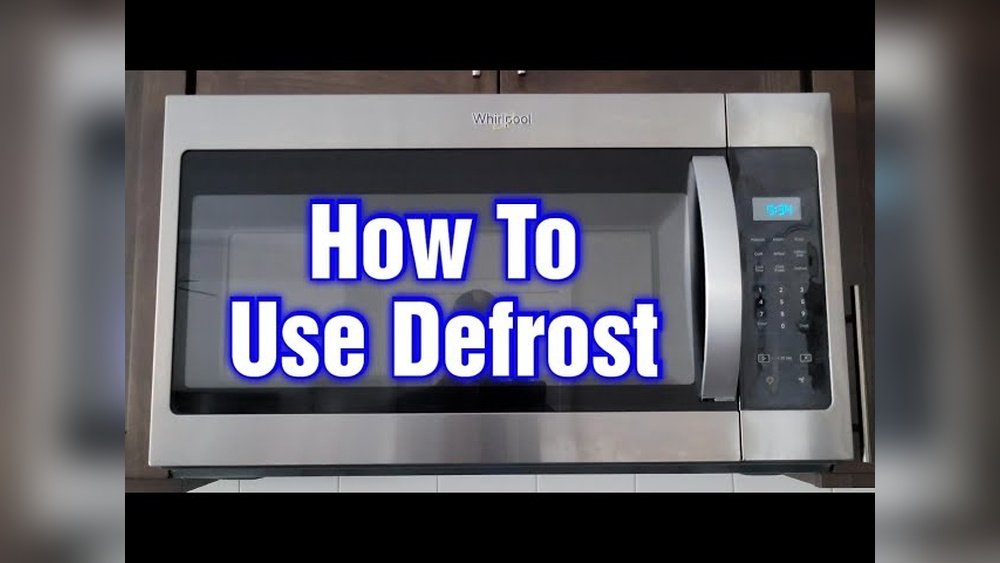
Many people today depend on their microwaves for quick and easy cooking, but not everyone knows how to get the best results when it comes to defrosting food. If you own a Whirlpool microwave, you may have noticed the Defrost feature but wondered how to use it effectively. Understanding this feature can save you time, prevent uneven thawing, and keep your food safe to eat. In this article, you’ll learn everything you need to know about using Defrost on a Whirlpool microwave—from step-by-step instructions to helpful tips, common mistakes, and practical examples.
Defrosting food safely is important. If you do it wrong, you may end up with partially cooked edges and a frozen center. Worse, you could encourage bacteria growth if food sits too long at unsafe temperatures. Whirlpool microwaves include special defrost settings designed to avoid these problems, but many users do not use them correctly.
By learning how your microwave’s Defrost works, you’ll be able to thaw meat, poultry, bread, and other items quickly—without sacrificing taste or safety.
Let’s explore exactly how to use Defrost on a Whirlpool microwave, what makes it different from regular microwaving, and how to get the best results every time.
What Is The Defrost Function On A Whirlpool Microwave?
The Defrost function is designed for thawing frozen food safely and evenly. Unlike standard microwave heating, which uses full power to cook food, the Defrost setting reduces the power level—usually to 30% or less. This allows the microwave energy to penetrate deeply without quickly cooking the outer layers.
Whirlpool microwaves often have smart sensors or pre-programmed options. These features adjust the power and timing based on the type and weight of your food. The goal is to ensure even defrosting, so food is ready to cook or eat with minimal texture change.
How Does Defrost Work Differently From Regular Microwaving?
Regular microwaving uses high energy to cook or heat food. This is good for fast results, but it can cause problems with frozen foods:
- Outside cooks, inside stays frozen: High power warms the outer layer quickly, but the center may remain solid.
- Loss of texture: High heat can make meat rubbery or bread soggy.
- Bacterial growth: If some parts start to cook while others are still cold, bacteria can multiply in the “danger zone” (40°F–140°F or 4°C–60°C).
The Defrost setting avoids these problems by using lower power and special timing. This gently raises the temperature, allowing for more even thawing.
Types Of Defrost Settings On Whirlpool Microwaves
Whirlpool microwaves come with various Defrost options, depending on the model. Knowing which one you have will help you use it correctly.
1. Auto Defrost
Many Whirlpool microwaves offer Auto Defrost. You simply enter the food type (such as meat, poultry, or fish) and its weight. The microwave calculates the best defrost time and power level automatically.
Common Food Codes For Auto Defrost
- 1: Meat
- 2: Poultry
- 3: Fish
- 4: Bread
Some models use names instead of numbers. Always check your user manual for the correct codes for your model.
2. Manual Defrost
Manual Defrost lets you set the power level and time yourself. This is helpful for items that are not on the auto menu or for small portions.
- Set the power to 30% (sometimes called Power Level 3 or PL3).
- Enter the defrost time you want.
3. Sensor Defrost
Advanced Whirlpool models have Sensor Defrost. You place the food in the microwave, select the sensor defrost, and the machine uses humidity sensors to judge when food is thawed.
Sensor Defrost is more common in higher-end models and is ideal for people who want a “set it and forget it” approach.
4. Quick Defrost
Some models have a Quick Defrost option, which uses a bit more power to speed up thawing for small items. It is not suitable for large or thick cuts of meat, but works well for things like a single chicken breast or a few bread slices.
Feature Comparison Table
To help you understand the differences, here is a comparison of common Defrost features:
| Defrost Type | How It Works | Best For | User Input Needed |
|---|---|---|---|
| Auto Defrost | Auto-adjusts time and power | Meat, poultry, fish, bread | Food type, weight |
| Manual Defrost | User sets power & time | Odd shapes, small portions | Power level, time |
| Sensor Defrost | Senses humidity, auto stops | Most foods | Minimal |
| Quick Defrost | Short, higher power cycle | Small/thin foods | Weight or time |
Credit: www.whirlpool.com
Step-by-step: How To Use Defrost On A Whirlpool Microwave
Let’s break down the process into clear steps. The steps may vary slightly based on your model, but this guide covers the most common approaches.
Step 1: Prepare The Food
- Remove all packaging (foam trays, plastic wrap, metal ties).
- Place the food on a microwave-safe plate. For raw meat or poultry, use a plate with a rim to catch juices.
- For best results, separate pieces if possible (e.g., individual chicken pieces).
- If food is in a block, try to break apart sections as soon as they start to soften during defrosting.
Step 2: Choose The Correct Defrost Function
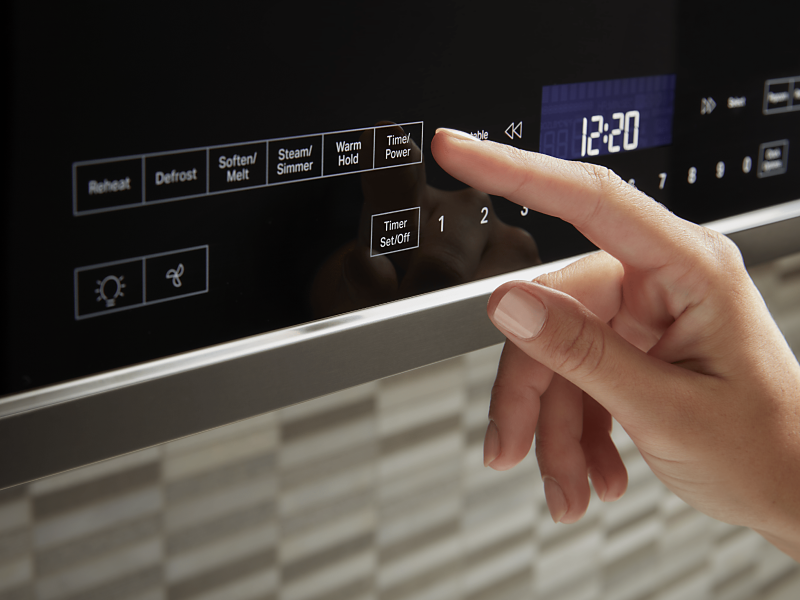
- Press the Defrost button on your microwave. It may be labeled as “Defrost,” “Auto Defrost,” or have a snowflake symbol.
- On models with multiple options, select the right type (meat, poultry, fish, bread).
Step 3: Enter Food Information
- For Auto Defrost, you’ll be prompted to enter the food code (see above) and then the weight. Use pounds and ounces (e.g., 1.2 lbs or 1 lb 4 oz).
- For Manual Defrost, enter the desired time and set the power level to 30%.
Step 4: Monitor And Turn Food
- Halfway through the cycle, the microwave may beep and show “Turn Food” on the display.
- Open the door, flip or rearrange the food, and close the door to continue. This helps ensure even thawing.
Step 5: Check Food And Finish
- When the cycle ends, check the food. If it’s not fully thawed, add extra time in short bursts (1-2 minutes at 30% power).
- Food should be cool but pliable. If it starts to cook, you’ve gone too long.
- Cook or use the food right away. Do not refreeze or let it sit at room temperature.
Example: Defrosting A 1 Lb Package Of Ground Beef
- Remove beef from packaging and place on a microwave-safe plate.
- Select “Defrost,” then “Meat” (or enter code 1).
- Enter weight: 1.0 lbs.
- Start the cycle.
- Halfway through, turn and break apart the beef if possible.
- Continue until thawed.
Common Foods And Their Defrost Settings
Different foods need different defrosting times and care. Here’s how to handle popular items:
Meat (beef, Pork, Lamb)
- Use Auto Defrost, code for “Meat.”
- Enter the weight.
- For large cuts, rotate and turn often.
- Separate pieces as soon as possible.
Poultry (chicken, Turkey)
- Use Auto Defrost, code for “Poultry.”
- Remove giblets before defrosting.
- For whole birds, check cavities for ice.
Fish
- Use Auto Defrost, code for “Fish.”
- Fish defrosts quickly; check often.
- Thicker fillets may need extra time.
Bread And Baked Goods
- Use “Bread” setting or Manual Defrost.
- Start with shorter times (30–60 seconds).
- Bread can become tough if overheated.
Vegetables
- Most vegetables do not need full defrost.
- Use a lower power setting for 1–2 minutes.
- Stir or turn halfway through.
Table: Defrost Times For Common Foods (approximate)
| Food | Weight | Auto Defrost Time | Manual Defrost Time (30% Power) |
|---|---|---|---|
| Ground Beef | 1 lb | 8–10 minutes | 10–12 minutes |
| Chicken Breast | 1 lb | 10–12 minutes | 12–14 minutes |
| Fish Fillet | 0.5 lb | 4–5 minutes | 5–6 minutes |
| Bread Loaf | 1 lb | 2–3 minutes | 3–5 minutes |
*Note: Times are approximate and may vary by model and food thickness.*
Tips For Better Defrosting Results
Proper technique can make a big difference. Here are some tips to help you get the best results from your Whirlpool microwave.
1. Use The Right Container
Always use microwave-safe plates or shallow dishes. Avoid foam trays, plastic wrap, and anything with metal. Glass and ceramic work well.
2. Arrange Food Evenly
Spread pieces out in a single layer if possible. Overlapping can cause uneven defrosting.
3. Shield Thin Areas
If parts of your food are much thinner (like poultry wings), cover those with small pieces of microwave-safe foil. This prevents overcooking during defrost. Only use foil as directed in your user manual and keep it away from the oven walls.
4. Turn And Rearrange
Turning or flipping the food halfway through ensures even thawing. For ground meat, break apart chunks as soon as they soften.
5. Do Not Over-defrost
Add extra time in short bursts. It’s better to stop early than to accidentally cook the food.
6. Cook Immediately
Food that is defrosted in the microwave should be cooked right away. Do not let it sit at room temperature.
7. Clean Up Juices
Frozen meat and poultry often release juices during defrosting. Clean up spills quickly to avoid cross-contamination.
Common Mistakes To Avoid
Many users make simple mistakes that can affect food safety or quality. Here’s what to watch out for:
1. Using Regular Power Instead Of Defrost
Heating frozen food at full power will cook the outside and leave the center frozen. Always use the Defrost setting or set power to 30%.
2. Not Entering The Correct Weight
Auto Defrost needs an accurate weight. Guessing can lead to under- or over-thawed food. Use a kitchen scale for best results.
3. Not Turning The Food
If you don’t turn or rearrange the food, it may thaw unevenly. Always follow the microwave’s prompts.
4. Leaving Food In The Microwave After Defrosting
If food sits in the microwave after the cycle, parts may start to cook or warm up too much. Remove and use it right away.
5. Defrosting Large Items All At Once
Thick roasts or whole birds often defrost unevenly. For best results, cut food into smaller pieces before freezing, or pause to separate and rearrange during defrosting.
Safety Considerations When Using Defrost
Why Safety Matters
Microwaves defrost quickly, but food safety is still important. Harmful bacteria multiply rapidly between 40°F and 140°F. That’s why you should not let food sit out for long after defrosting.
Key Rules
- Cook food immediately after defrosting.
- Never refreeze thawed food without cooking it first.
- Check for hot spots by touching or lightly pressing different parts of the food.
- Do not defrost foam-packaged meat in the microwave, as chemicals may leach into the food.
Table: Safe Thawing Methods Compared
| Method | Speed | Evenness | Best For | Safe to Refreeze? |
|---|---|---|---|---|
| Microwave Defrost | Fast (minutes) | Good with turning | Small/medium pieces | No |
| Refrigerator Thaw | Slow (hours) | Very even | All foods | Yes |
| Cold Water Thaw | Medium (1-3 hours) | Good with changes | Sealed packages | No |
| Room Temp Thaw | Fast for small items | Uneven, unsafe | Not recommended | No |
How To Clean Your Microwave After Defrosting
Defrosting meat and poultry can leave juices behind, which may contain bacteria. Here’s how to keep your microwave clean:
- Remove the turntable and wash it with hot soapy water.
- Wipe the inside with a damp cloth and mild detergent.
- For tough stains, microwave a bowl of water with lemon juice for 2–3 minutes, then wipe clean.
- Dry with a clean towel.
- Clean up spills right away to prevent odors or bacteria buildup.
Non-obvious Insights For Better Defrosting
Many users miss these subtle but helpful tips:
- Let the food rest for 2–3 minutes after the cycle ends. The temperature will even out, and ice in the center will continue to melt without overheating the outside.
- If you freeze food in thin layers (for example, flattening meat in zipper bags), it will defrost much faster and more evenly in your microwave.
- For baked goods, wrap loosely in paper towels during defrost. This keeps bread moist and prevents it from becoming rubbery.
- Defrost in stages for large items: Run half the time, separate pieces, then continue. This avoids overcooking the edges.
- If your model allows, adjust power level manually for tricky foods. 20% power can be better for dense or delicate items.
Troubleshooting Whirlpool Microwave Defrost Issues
Sometimes, you might have problems with your microwave’s Defrost feature. Here’s how to handle common issues:
Food Is Cooking Instead Of Thawing
- Make sure you are using the Defrost setting, not regular power.
- Check if you entered the correct weight.
- Try manual defrost at a lower power (20–30%).
Food Is Still Frozen In The Center
- Break apart or rearrange pieces halfway through.
- Add extra time in small increments.
- For very thick items, let them rest for a few minutes, then repeat the cycle.
Microwave Displays Error Messages
- Check the user manual for code meanings.
- Many errors relate to door not closed, incorrect input, or sensor malfunction.
Uneven Thawing
- Always turn or rearrange food as directed.
- Use the correct Defrost type for the food.
Turntable Not Rotating
- Make sure the turntable is properly seated.
- Remove heavy or oversized dishes that might block rotation.

Credit: www.youtube.com
When Not To Use Microwave Defrost
Although Whirlpool’s Defrost is powerful and useful, there are times when other methods are better:
- For very large cuts (whole turkeys, big roasts), refrigerator thawing is safer and more even.
- For bread with toppings or delicate pastries, room temperature thawing is gentler.
- For pre-cooked foods that just need warming, use a low power reheat setting, not Defrost.
Getting To Know Your Whirlpool Microwave
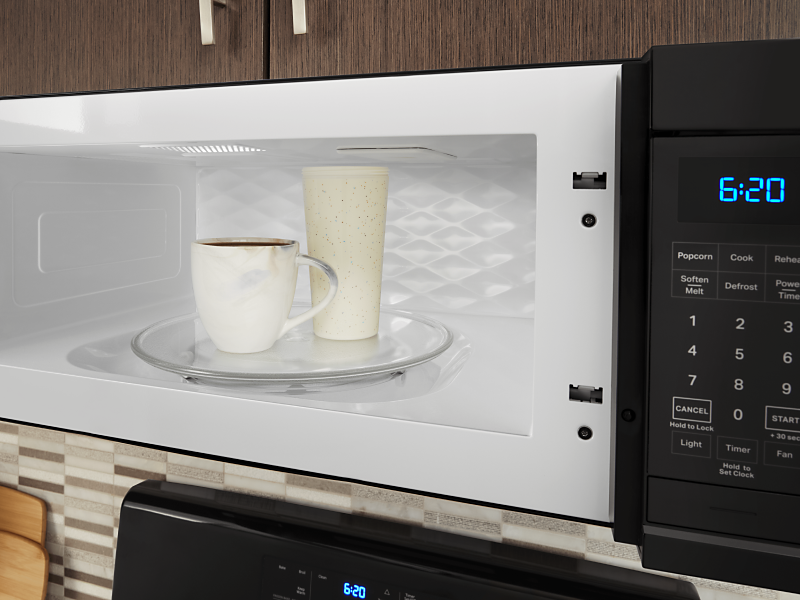
Each Whirlpool model may look a little different. To get the best results:
- Read your user manual for model-specific codes and buttons.
- Try the Quick Reference Guide sticker, often found inside the microwave door.
- Explore the Whirlpool website for how-to videos and updates.
If you’ve lost your manual, you can often find a copy on the official Whirlpool website or through Whirlpool Manuals.
Credit: www.whirlpool.com
Frequently Asked Questions
How Do I Know Which Defrost Setting To Use On My Whirlpool Microwave?
Check your microwave’s control panel and user manual. Most models show options for meat, poultry, fish, and bread. Use the auto options when possible—they adjust the time and power for you. For unusual items, use Manual Defrost at 30% power.
Can I Defrost All Types Of Food In My Whirlpool Microwave?
You can defrost most foods, including meat, poultry, fish, bread, and some vegetables. Avoid defrosting foods with sauces, pre-cooked meals, or large whole birds. Always follow safety guidelines and cook immediately after thawing.
Is It Safe To Defrost Meat In The Microwave?
Yes, it is safe if you use the Defrost function and cook the meat right away. Do not refreeze meat thawed in the microwave. Watch for hot spots and make sure food does not sit at room temperature after defrosting.
My Food Started To Cook During Defrosting. What Should I Do?
Stop the cycle and check if the center is thawed. If not, break apart the food, rearrange, and continue on a lower power level. Next time, use a slightly lower power or a shorter time.
Why Does My Microwave Ask Me To Turn Or Rearrange The Food?
Turning or rearranging food helps ensure even defrosting. Microwaves heat unevenly, especially with thick or dense items. Following this step prevents cold spots and overcooked edges.
Using the Defrost function on your Whirlpool microwave can make meal prep faster, safer, and easier. With a little practice and attention to detail, you’ll get consistently great results—no more half-frozen or partially cooked meals. Whether you’re thawing a steak for dinner or a loaf of bread for breakfast, you now have the confidence to use your Whirlpool microwave like a pro.