
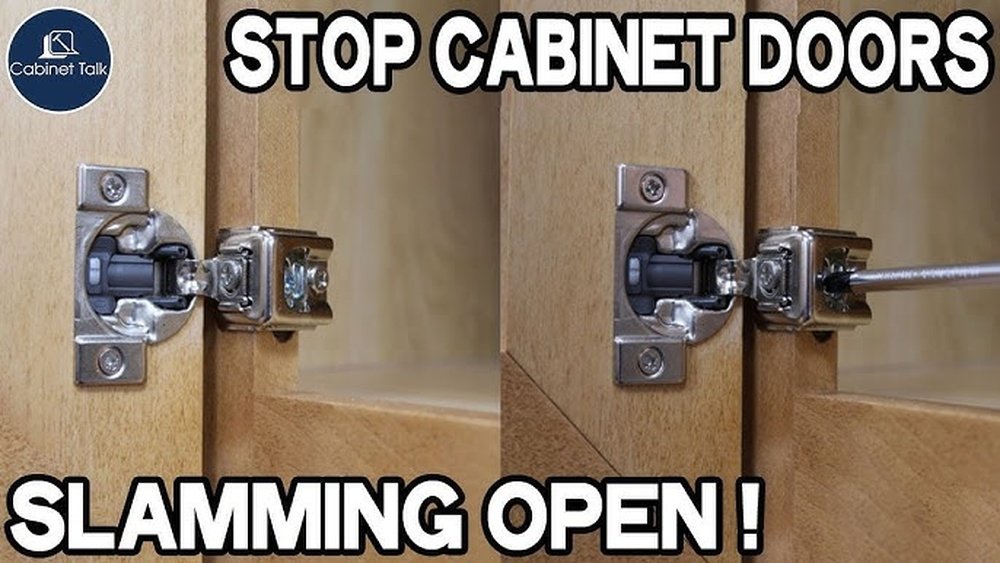
When you close a cabinet door, do you hear a loud bang or even feel the room shake? If so, you’re not alone. Cabinet doors that slam can be a daily frustration, and over time, this small annoyance can cause real damage to your kitchen, bathroom, or office cabinets.
Worse, the noise can disturb others, wake sleeping children, or even chip paint and loosen hinges. The good news is, you can fix this problem easily and often without replacing your cabinets or calling a handyman.
This guide will show you why cabinet doors slam, how to stop it, and how to keep your cabinets quiet for years. Whether you’re a homeowner, a renter, or just someone who values a peaceful home, you’ll find practical solutions here.
We’ll cover simple fixes, advanced upgrades, and maintenance tips, so you can pick the method that fits your needs and budget. Along the way, you’ll see real examples, learn from common mistakes, and discover insights most people miss. By the end, you’ll know exactly how to stop cabinet doors from slamming—and keep your space calm, quiet, and in good shape.
Why Do Cabinet Doors Slam?
Before you can fix a problem, it’s smart to understand what causes it. Cabinet doors slam for several reasons, and sometimes more than one is at play.
Main Causes
- No soft-closing feature: Most older cabinets use basic hinges that don’t control the door’s speed. When you close them, gravity and your hand can send the door into the frame with force.
- Loose or worn hinges: Hinges that are not tight or are worn out can let doors swing too freely or unevenly.
- Heavy doors: Solid wood or large cabinet doors carry more weight, so they close harder.
- Improper alignment: If a door isn’t lined up with the frame, it can snap shut at an angle, making a louder sound.
- User habits: Sometimes, people simply close doors too fast, not realizing their own strength.
Hidden Problems Most People Miss
- Humidity and swelling: Wood absorbs moisture and can swell, making doors heavier or harder to control.
- Cabinet frame issues: If the cabinet itself is out of square, even perfect hinges can’t prevent slamming.
- Worn door bumpers: Many cabinets have tiny rubber or plastic pads to soften the impact; when these wear out or fall off, noise increases.
Understanding these causes helps you pick the right solution. Sometimes, you’ll need to fix more than one thing.
Quick Fixes You Can Try Today
Not every solution requires a trip to the hardware store or a toolbox. Some quick fixes can cut down the noise right away.
1. Add Cabinet Door Bumpers
Cabinet door bumpers are small pads made of rubber, silicone, or felt. You stick them to the corners where the door meets the frame. They absorb shock and reduce noise.
- How to do it: Clean the area where the door touches the frame. Peel off the backing from the bumper and press it in place. Use at least two per door, one at the top and one at the bottom.
- Types: Clear silicone is best—felt pads wear out faster.
- Cost: Usually under $10 for a pack of 40.
Extra tip: Don’t use too thick a pad, or your doors may not close fully.
2. Adjust Your Closing Technique
It sounds simple, but changing how you close the door can help.
- Use less force and let the door “catch” the frame gently.
- Teach family members to close softly, especially children.
While this won’t solve everything, it’s a free and instant improvement.
3. Tighten Loose Hinges
If a cabinet door wobbles or sags, it often slams harder.
- Use a screwdriver to tighten the screws on each hinge.
- Check both the door and frame sides.
A tight hinge gives you more control and stops doors from swinging wildly.
4. Replace Missing Or Worn Bumpers
Many cabinets come with bumpers, but over time they fall off or wear down. If you see bare spots where bumpers should be, add new ones.
5. Use Temporary Tape
If you need a fast, temporary fix, put a small piece of painter’s tape or masking tape on the edge where the door hits the frame. This softens the blow for a few days while you get proper bumpers.
Soft-close Hardware: The Best Long-term Fix
Soft-close systems have changed the way cabinets work. These devices slow the door down before it shuts, so it never slams—just a smooth, gentle close every time.
How Soft-close Systems Work
Most use a small hydraulic or pneumatic damper. When the door gets close to closing, the damper catches it and controls the speed for the last inch or two.
Types Of Soft-close Hardware
Here’s a look at the main options:
| Type | How it Works | Installation | Cost | Best for |
|---|---|---|---|---|
| Soft-close hinge | Hinge with built-in damper | Replace old hinge | $$ | New cabinets/full upgrade |
| Soft-close adapter | Add-on damper device | Mount inside cabinet | $ | Quick retrofit |
| Soft-close piston | Piston slows door near end | Drill and screw in place | $$$ | Heavy/large doors |
Which Soft-close Option Should You Choose?
- Soft-close hinges are best for new kitchens or full remodels. They look clean but require removing and swapping out your old hinges.
- Soft-close adapters are the top choice for most people. They work with your current hinges, are cheap, and easy to install in 5-10 minutes.
- Soft-close pistons (also called dampers) are best for very heavy or large doors, but they need careful installation.
Important: Check your cabinet style before buying. Some systems only fit face-frame cabinets, while others fit frameless.
How To Install A Soft-close Adapter
- Open the cabinet door.
- Hold the adapter against the inside frame, near the hinge side.
- Mark and drill a small pilot hole.
- Screw the adapter in place.
- Adjust the setting (some have a tension dial).
- Close the door and test.
Most people can do this with a screwdriver and drill. Always follow the instructions that come with your adapter.
Real Example
Sarah, a homeowner in Ohio, installed soft-close adapters on her 20-year-old kitchen cabinets. She spent $25 and finished in an hour. The slamming stopped instantly, and her toddler can’t wake the house with a bang anymore.
Soft-close Isn’t Just For Kitchens
You can use these systems in bathrooms, laundry rooms, and office cabinets. They’re also great for kids’ rooms and rental apartments.
Upgrading Cabinet Hinges For Quieter Doors
Sometimes, the problem is the hinge itself. Old, rusty, or bent hinges can make a door slam or squeak. Replacing them with newer, better designs can help.
Types Of Hinges
- Concealed hinges: Hidden from view when the door is closed. Many have soft-close features.
- Exposed hinges: Visible from the outside. These rarely offer soft-close but can be upgraded.
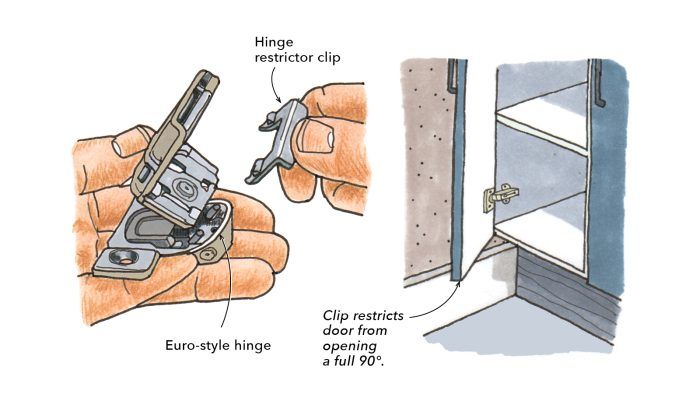
- European hinges: A type of concealed hinge popular in modern kitchens.
How To Replace A Hinge
- Remove the screws from the old hinge.
- Hold the new hinge in place and screw it in.
- Adjust for height, depth, and side-to-side alignment.
Always buy the same type and size as your old hinge, or measure carefully before shopping.
Common Mistakes
- Not matching the overlay (how much the door covers the cabinet).
- Forgetting to adjust the new hinge after installation.
- Mixing old and new hinges on the same door. Always replace both hinges.
Upgrading hinges can be a bigger project, but the results last for years.

Credit: www.youtube.com
Alternative Solutions For Unique Cabinets
Not every cabinet is the same. Some older or custom cabinets need creative solutions.
1. Install Magnetic Catches
Magnetic catches hold the door closed with a small magnet. They help control the last bit of motion so the door doesn’t bounce or slam.
- Install the magnet inside the frame and a metal plate on the door.
- Adjust the strength for heavy or lightweight doors.
2. Use Felt Strips
For glass-front or antique cabinets, stick a thin felt strip along the edge. This stops rattling and softens the closing sound.
3. Add Pneumatic Dampers
Some specialty cabinets (like those with glass or metal doors) work best with a pneumatic damper. This device uses air to slow the door’s movement. It’s more complex to install but gives a luxury feel.
4. Consider Spring-loaded Hinges
These hinges include a spring that slows the door near the end. While less common, they can work for certain old-style cabinets.
Comparing Solutions: What’s Best For You?
Choosing the right solution depends on your cabinet style, budget, and DIY skills. Here’s a quick comparison:
| Solution | Noise Reduction | Difficulty | Cost | DIY-Friendly? |
|---|---|---|---|---|
| Door bumpers | Moderate | Very easy | Low | Yes |
| Soft-close adapter | High | Easy | Low-medium | Yes |
| New hinges | High | Medium | Medium | Yes (with tools) |
| Felt strips | Low-moderate | Easy | Low | Yes |
| Pneumatic damper | Very high | Hard | High | No (usually pro) |
For most people, soft-close adapters or new soft-close hinges are the best blend of price, quietness, and DIY ease.
Credit: www.finehomebuilding.com
Maintenance Tips To Keep Cabinets Quiet
Stopping slamming is not just a one-time fix. Good maintenance keeps your cabinets quiet for years.
Regular Checks
- Inspect hinges every 6 months. Tighten screws if loose.
- Check that door bumpers or adapters are in place and not worn out.
- Clean dirt and grease from hinges and closing surfaces.
Seasonal Adjustments
Humidity can make wood swell or shrink, changing how doors close. If you notice doors getting harder to close in summer, check for swelling and adjust hinges if needed.
Lubricate Moving Parts
A drop of silicone spray on hinges can reduce squeaks and improve movement. Avoid using oil, which attracts dust.
Replace Worn Parts Promptly
If a bumper falls off or an adapter fails, replace it right away. Letting it go can lead to bigger problems, like cracked doors or stripped screw holes.
Teach Good Habits
If you have children or guests who slam doors, show them the new, softer way to close. A gentle reminder saves wear and tear.
Mistakes To Avoid When Trying To Stop Cabinet Slamming
Many people try to fix slamming doors but make common errors that waste time or money.
Overlooking The Real Cause
Don’t just stick on bumpers if the hinge is broken or the cabinet is out of square. Fix the root problem first.
Using Wrong-sized Parts
Not all bumpers, hinges, or adapters fit all cabinets. Measure carefully and buy the right size and type.
Ignoring Instructions
Every soft-close device is a little different. Read the instructions, especially if you need to adjust tension or fit.
Mixing Solutions That Don’t Work Together
Some people use both thick felt pads and soft-close adapters, but this can make the door not close fully. Stick to one main solution.
Skipping Regular Checks
Even the best soft-close system needs a check-up once in a while. If you forget, problems can come back.
When To Call A Professional
Most people can fix slamming cabinet doors themselves. But sometimes, you need help.
- If your cabinets are very old, built-in, or custom-made and nothing works.
- If you have glass doors or expensive wood, and you’re worried about damaging them.
- If the cabinet frame is warped or damaged.
A professional carpenter or handyman can realign cabinets, install complex soft-close systems, or fix deep structural problems. The extra cost is worth it for peace of mind and to protect your investment.
How To Choose Quality Soft-close Products
With hundreds of soft-close products for sale, how do you pick one that lasts?
What To Look For
- Reputable brands: Don’t buy unknown brands just because they’re cheap.
- Material quality: Solid metal parts last longer than plastic.
- Warranty: Look for at least a one-year warranty.
- Adjustability: Some adapters let you change the speed or tension.
Where To Buy
- Local hardware stores for advice and returns.
- Large home centers like Home Depot or Lowe’s.
- Online retailers, but check reviews and return policies.
Red Flags
- No brand name or instructions.
- Very low prices (under $1 per adapter).
- No customer reviews.
Investing a bit more up front usually saves money in the long run.
Cabinet Door Slamming: Data And Real-world Impact
You might think slamming doors is just a noise problem. But it can cost you money and cause real damage.
- Paint chips: Frequent slamming can chip paint or finish, leading to costly repairs.
- Loose hinges: The shock can loosen screws and hinges, making doors sag or fall off.
- Broken glass: In glass-front cabinets, slamming can crack or shatter glass.
- Sleep disruption: Studies show that even brief loud noises at night can disrupt sleep cycles.
According to the National Kitchen & Bath Association, replacing a single cabinet door can cost $100–$300. Fixing a slamming problem early is far cheaper.
Advanced Solutions For Modern Kitchens
If you’re remodeling or building a new kitchen, consider advanced options:
Integrated Soft-close Systems
Many high-end cabinets now come with integrated soft-close features. These systems are built into the cabinet box or door, invisible from outside.
- Last longer than add-on adapters.
- Offer smooth, silent operation.
- Add value to your home.
Push-to-open Mechanisms
Some modern cabinets use a push-to-open system. You press the door lightly and it pops open—no handles or knobs. These systems often include soft-close as well.
- Great for minimalist designs.
- No hardware on the outside.
- More expensive and complex.
Smart Cabinets
A few companies now offer smart cabinets that open or close with a touch sensor or remote. These are rare and costly but perfect for accessible kitchens.
For most people, a good soft-close system is enough. But knowing about advanced options helps if you plan a remodel.

Credit: www.reddit.com
Proven Step-by-step Plan To Stop Cabinet Doors From Slamming
For best results, follow these steps in order:
- Inspect all your cabinet doors. Open and close each one. Notice which slam and which don’t.
- Check hinges and bumpers. Tighten loose screws and replace missing or worn bumpers.
- Try door bumpers if your cabinets are in good shape but noisy.
- Install soft-close adapters on the noisiest doors. Start with one to see if you like the feel.
- Upgrade hinges if your cabinets are very old or if bumpers/adapters don’t fit.
- Test and adjust tension or placement as needed.
- Maintain by checking every 6 months.
This plan saves money, avoids wasted work, and gives the quietest results.
Extra Insights Most People Miss
- Not all doors need the same fix. Sometimes, only a few doors slam—focus on those instead of changing every cabinet.
- Mixing solutions can backfire. Two soft-close systems can fight each other, making doors bounce or not close fully.
- Check after cleaning. Cleaning with harsh chemicals can loosen bumpers or damage hinges—check after deep cleans.
Frequently Asked Questions
How Long Do Soft-close Adapters Last?
Most quality soft-close adapters last 5–10 years with normal use. Lower-quality versions may wear out in 1–2 years. Choosing a reputable brand and following the instructions can extend their lifespan.
Are Soft-close Hinges Hard To Install?
For most DIYers, soft-close hinges are not hard to install, but you’ll need a screwdriver and sometimes a drill. Matching the exact type and size is key. If you’re not comfortable, a handyman can swap out a full kitchen in a few hours.
Can I Use Soft-close Systems On All Types Of Cabinets?
Most soft-close adapters and hinges fit standard kitchen and bathroom cabinets. However, some very old, custom, or metal cabinets need unique solutions. Always check your cabinet type before buying.
What Should I Do If My Cabinet Door Still Slams After Adding Bumpers?
If bumpers don’t fix the problem, check for loose or misaligned hinges. Try a soft-close adapter next. Sometimes, the frame is out of square, or the door is too heavy for simple bumpers.
Where Can I Find More Information About Soft-close Hardware?
For detailed technical info, the Wikipedia Concealed Hinge page explains types, installation, and history.
A quiet home is a happier home. With the right tools and a little know-how, you can stop cabinet doors from slamming—protecting your cabinets, your nerves, and your family’s peace. Take action now, and you’ll enjoy the results every day.