
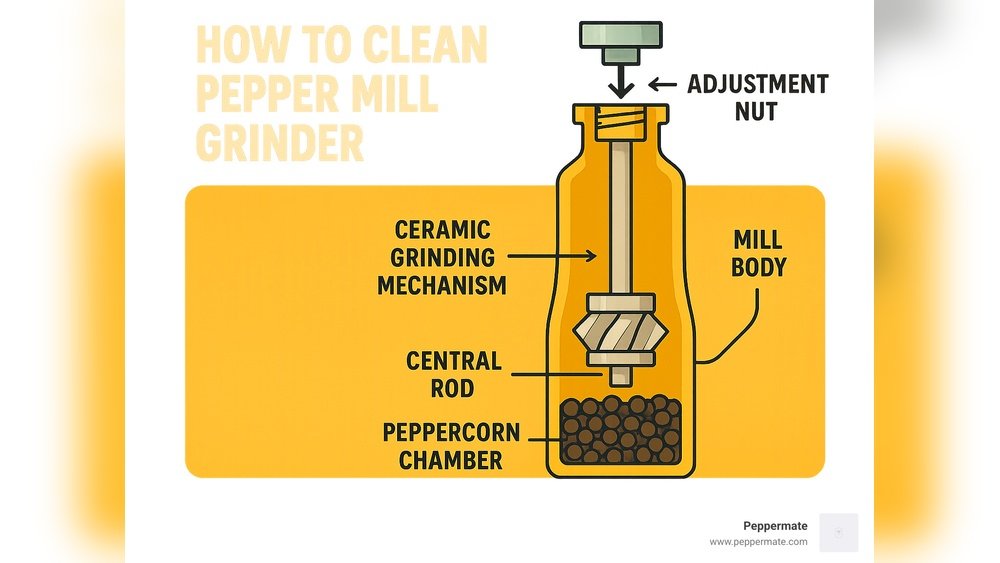
Cleaning a pepper grinder might seem like a small job, but it has a big impact on flavor and kitchen hygiene. A clean grinder keeps your pepper tasting fresh, prevents old residue from mixing with new spices, and helps your tool work smoothly for years. Many people buy high-quality grinders for their kitchen, but few realize that regular cleaning is just as important as choosing the right peppercorns. Over time, oil, dust, and leftover pepper bits can build up inside, making the grinder less effective and even changing the taste of your food.
If you’ve ever noticed your grinder getting stuck or your pepper tasting “off,” a deep clean can make all the difference. But cleaning a pepper grinder isn’t always straightforward. There are different types of grinders, and each one needs a special approach.
Some are made of stainless steel, others use wood or acrylic. Some use electric motors, while others work by hand. This guide will walk you through every step, share smart tips, show you what to avoid, and help you keep your grinder in top condition.
You’ll learn about the right tools, best cleaning methods for different materials, how often to clean, and even how to fix common problems. By the end, you’ll feel confident taking apart your grinder, cleaning it thoroughly, and reassembling it without damage. Let’s get started on making your pepper grinder work—and taste—like new.
Why Clean Your Pepper Grinder?
Many home cooks don’t realize how much a dirty pepper grinder can affect their meals. Over time, peppercorn dust, natural oils, and even small food particles from the kitchen can build up. This can lead to several problems:
- Flavor contamination: Old pepper or other spices can mix with fresh pepper, making the taste inconsistent or even stale.
- Grinding difficulties: Residue can clog the mechanism, making the grinder hard to turn or causing it to jam.
- Hygiene risks: Moisture and food particles can lead to mold or bacteria growth, especially in humid kitchens.
- Wear and tear: Built-up debris can damage the grinder’s internal parts, shortening its life.
Cleaning your grinder keeps your pepper tasting pure and ensures that each twist gives you a consistent grind. It also helps your grinder last longer, saving money and avoiding unnecessary waste.
Types Of Pepper Grinders And What Makes Them Different
Not all pepper grinders are the same. The cleaning method depends on the material, design, and grinding mechanism. Here’s a look at the main types:
| Type of Grinder | Main Material | Cleaning Difficulty | Common Issues |
|---|---|---|---|
| Manual Grinder (Hand-Crank) | Wood, Stainless Steel, Acrylic | Moderate | Residue buildup, stuck parts |
| Electric Grinder | Stainless Steel, Plastic | High | Motor moisture risk, battery corrosion |
| Gravity Grinder | Plastic, Stainless Steel | Moderate | Stuck sensors, uneven grinding |
| Ceramic Burr Grinder | Ceramic, Metal | Low | Chipped burrs, dust |
Understanding your grinder’s material and design is important, as some can be rinsed with water while others (especially those with wood or electric parts) should never be soaked.

Credit: www.peppermate.com
Tools And Supplies You’ll Need
Cleaning a pepper grinder is easier with the right tools. Gather these items before starting:
- Small brush or old toothbrush: To reach inside and scrub away debris.
- Dry cloth or microfiber towel: For wiping surfaces.
- Cotton swabs: Helpful for small crevices.
- Mild dish soap: For cleaning removable, non-wood, non-electric parts.
- White vinegar or baking soda: For tough residue or odor removal.
- Compressed air can (optional): Blows out fine dust from hard-to-reach spots.
- Small bowl or tray: To hold screws or small parts during disassembly.
- Screwdriver: If your grinder has screws (check the base or top).
Always check your manufacturer’s instructions before using water or soap, as some materials may warp or rust.
Step-by-step: How To Clean A Manual Pepper Grinder
Manual grinders are the most common. They typically have a twist-off top, an adjustable grinding mechanism, and a removable peppercorn chamber. Here’s how to clean them thoroughly:
1. Disassemble The Grinder
First, twist or unscrew the top to open the grinder. Most manual models allow you to separate the handle, grinding mechanism, and pepper chamber. Be gentle—forcing parts can break delicate pieces or strip threads.
Place each part in your small bowl or tray to keep them organized.
2. Remove Old Peppercorns
Pour out any leftover peppercorns. Check for broken or stuck pieces. Turn the grinder upside down and tap it gently to release any bits stuck in the mechanism.
3. Brush Out Loose Debris
Use a small brush or toothbrush to scrub inside the grinder body and around the grinding mechanism. Pay attention to corners and edges, where dust and oils collect.
For wooden grinders, avoid using water. For metal or acrylic, a damp cloth is okay for wiping.
4. Clean The Grinding Mechanism
If the grinder comes apart further, remove the burr or grinding wheel. Scrub with a dry brush or, if allowed, rinse with warm water and a drop of dish soap. Rinse well and dry completely before reassembling—moisture left inside can cause mold or rust.
5. Wipe The Exterior
Clean the outside with a slightly damp cloth. For wood, use only a dry or lightly damp cloth to prevent warping.
6. Reassemble And Test
Once everything is dry, put the grinder back together. Add fresh peppercorns and test the grind. The motion should feel smooth, and the pepper should taste sharp and flavorful.
How To Clean An Electric Pepper Grinder
Electric grinders make it easy to season food, but cleaning them requires extra care to avoid water damage or battery problems.
1. Remove Batteries
Always take out the batteries first. Never clean an electric grinder with the batteries inside, as this can cause corrosion or even electric shock.
2. Disassemble Removable Parts
Take off the peppercorn chamber and grinding mechanism. Most electric grinders have a removable “hopper” for peppercorns and a detachable grinding head.
3. Clean Each Part
- Plastic or metal parts: Wipe with a damp cloth and mild dish soap if needed. Rinse and dry completely.
- Grinding mechanism: Use a brush to remove stuck pepper and dust.
- Motor area: Wipe gently with a dry cloth. Never let water touch the motor or battery compartment.
4. Reassemble And Replace Batteries
Make sure all parts are dry before putting the grinder back together. Insert fresh batteries and test the grinder.
Common Issues With Electric Grinders
- Stuck buttons: Dust can jam buttons. Use a cotton swab to clean around them.
- Weak grinding: Check if batteries are old or if residue is blocking the mechanism.
How To Clean A Wooden Pepper Grinder
Wooden grinders look classic but need careful handling to avoid moisture damage. Here’s how to clean one safely:
1. Disassemble Without Water
Take apart the grinder, but do not rinse any wooden part with water. Moisture can cause wood to swell, crack, or warp.
2. Brush And Wipe
Use a dry brush to remove pepper dust. For sticky spots, use a cloth slightly dampened with vinegar, then dry immediately.
3. Oil The Wood (optional)
If your grinder looks dry, rub a small amount of food-grade mineral oil on the outside. This keeps the wood looking fresh and prevents cracking.
4. Avoid Dishwashers
Never put wooden grinders in the dishwasher; heat and water will ruin them.

Credit: www.youtube.com
Cleaning Acrylic And Stainless Steel Grinders
Acrylic and stainless steel grinders are more water-resistant, making cleaning easier.
1. Disassemble And Rinse
Take apart the grinder. Rinse acrylic and stainless steel parts under warm water. Use a drop of mild dish soap for tough spots.
2. Scrub And Dry
Use a brush for corners and threads. Rinse off all soap and let parts air dry completely.
3. Reassemble
Put the grinder back together only when all parts are bone dry. This prevents mold or rust.
Deep Cleaning: When And How To Do It
Basic cleaning is important, but sometimes your grinder needs a deeper clean. Deep cleaning is good if:
- You notice a musty smell or taste
- The grinder feels sticky or hard to turn
- You see visible mold or old pepper stuck inside
Here’s how to deep clean:
- Fully disassemble the grinder, separating all possible parts.
- Soak removable, non-wood, non-electric parts in warm water with a little white vinegar for 15 minutes. Vinegar removes odors and kills germs.
- Scrub all surfaces with a brush or cloth.
- Rinse and dry thoroughly.
- Let parts air dry overnight before reassembling, especially if you live in a humid area.
How Often Should You Clean Your Pepper Grinder?
How often you clean depends on how much you use it:
- Everyday use: Quick clean every 1–2 months, deep clean every 6 months.
- Occasional use: Clean every 3–4 months.
- High-humidity kitchens: Clean more often to avoid mold.
If you switch spices (for example, from pepper to coriander), clean the grinder before adding new spice to prevent flavor transfer.
Troubleshooting: Fixing Common Problems
Sometimes, cleaning uncovers other issues with your grinder. Here’s how to fix some common problems:
Grinder Won’t Turn
- Check for stuck peppercorns or debris in the grinding mechanism.
- Disassemble and brush out any blockages.
- If the mechanism is rusted, scrub gently with a brush and a little vinegar, then dry well.
Grinder Is Jammed
- Old, oily peppercorns can clump together, especially in humid kitchens.
- Remove all pepper, brush out the chamber, and let the grinder dry open for a few hours.
Pepper Tastes Off
- This is usually from old residue or flavor transfer.
- Deep clean the grinder, soak parts in vinegar, and let dry.
Grinder Produces Uneven Grinds
- Check if the adjustment knob or dial is clogged.
- Clean and reset the grind size according to the manufacturer’s directions.
Squeaky Or Stiff Mechanism
- For metal grinders, a tiny drop of food-safe mineral oil on the axle can help.
- Never oil wood or ceramic parts.
How To Prevent Future Build-up
A little prevention goes a long way. Here’s how to keep your grinder cleaner for longer:
- Store in a dry place away from direct sunlight.
- Only fill with dry, fresh peppercorns.
- Don’t overfill—the grinder works best when it’s about three-quarters full.
- Wipe the exterior weekly to stop dust and oil from building up.
- Give the grinder a quick shake upside down after use to clear residue.
What Not To Do When Cleaning
Many people accidentally damage their grinders by cleaning them the wrong way. Avoid these common mistakes:
- Don’t soak wooden or electric grinders.
- Don’t use harsh chemicals or abrasive pads—they can scratch or damage surfaces.
- Don’t put any grinder in the dishwasher unless the manufacturer says it’s safe.
- Don’t use oils to lubricate ceramic or wooden parts.
- Don’t force parts apart—check for hidden screws or locking tabs.

Credit: www.holar.com.tw
Comparing Popular Cleaning Methods
There are several ways to clean pepper grinders, but not all methods are suitable for every type. Here’s a quick comparison:
| Method | Best For | Time Required | Risk Level |
|---|---|---|---|
| Dry Brushing | Wood, electric, all types | 5 minutes | Low |
| Soaking in Vinegar | Metal, acrylic (not wood or electric) | 15–30 minutes | Medium |
| Dishwasher | Stainless steel, acrylic (check manual) | 60 minutes | High |
| Compressed Air | Any, for dust removal | 2 minutes | Low |
Always choose the method that matches your grinder’s material and design.
Two Non-obvious Tips For Beginners
- Clear Peppercorns With Rice: If your grinder feels damp or has a musty smell, add a tablespoon of uncooked white rice and grind it through. Rice absorbs moisture and helps clean the burrs. Discard the rice and any dust afterward.
- Label Your Grinder: If you use more than one spice grinder (for example, for white pepper or mixed spices), add a label. This prevents accidental flavor mixing and reminds you to clean when switching spices.
When To Replace Instead Of Clean
Not all grinders can be saved. If you notice these signs, it’s better to replace your grinder:
- Cracked or warped wood or acrylic
- Rust on grinding mechanism that doesn’t scrub off
- Strong musty odor that stays after deep cleaning
- Broken or stripped grinding parts
A good-quality grinder can last years with proper care, but sometimes replacement is the safer and tastier option.
Additional Resources
For more about the history and types of pepper grinders, you can visit Wikipedia’s Pepper Grinder entry.
Frequently Asked Questions
How Do I Know If My Grinder Is Safe To Wash With Water?
Check the manufacturer’s manual or website. As a rule, never soak wood or electric grinders. Metal and acrylic parts are usually safe to rinse if dried fully.
Can I Use My Pepper Grinder For Salt Or Other Spices?
Some grinders are designed for both pepper and salt, but salt can corrode metal parts. If you want to use your grinder for other spices, clean it thoroughly between uses to avoid flavor transfer.
What If My Grinder Smells Bad Even After Cleaning?
Soak non-wood, non-electric parts in a mix of water and vinegar for 15 minutes, then dry completely. Grinding a tablespoon of dry rice can also help remove odors.
How Do I Fix A Grinder That Keeps Jamming?
Disassemble and remove all peppercorns. Brush out dust and stuck pieces. Let the grinder air dry, then reassemble and use fresh, dry peppercorns.
Is Cleaning A Pepper Grinder Really Necessary?
Yes. Regular cleaning prevents flavor mixing, keeps the grinder working smoothly, and protects against mold or bacteria. It also extends the life of your kitchen tool.
Keeping your pepper grinder clean is simple, but it pays off every time you season a meal. With the right tools, good habits, and a bit of care, your grinder will deliver perfect pepper for years to come. Don’t wait for grinding problems or off-flavors—give your grinder a quick clean today and taste the difference in your food.