
Baking at home is a rewarding experience, but many people find using a Bosch gas oven confusing at first. Modern Bosch gas ovens are designed to deliver consistent results, but their multiple functions and settings can be overwhelming. Whether you’re new to baking or just new to Bosch, understanding your oven’s features and how to use them can turn baking into a pleasure instead of a guessing game. In this guide, you’ll learn everything you need to know to use your Bosch gas oven for baking. From basic setup to advanced tips, we’ll make sure every batch comes out just right.
Understanding Your Bosch Gas Oven
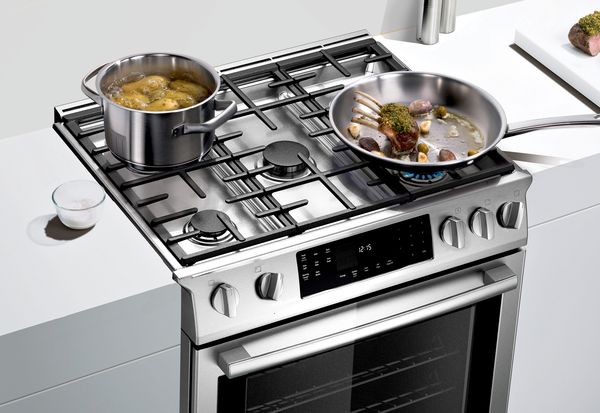
Before you start baking, it’s important to get familiar with your oven. Bosch gas ovens come with a range of features that help control heat and improve results. Not all models are exactly the same, but most share some common parts:
- Gas burners: Located at the base of the oven, these provide the main heat source.
- Thermostat: Controls oven temperature for even baking.
- Oven racks: Usually adjustable to three or more positions.
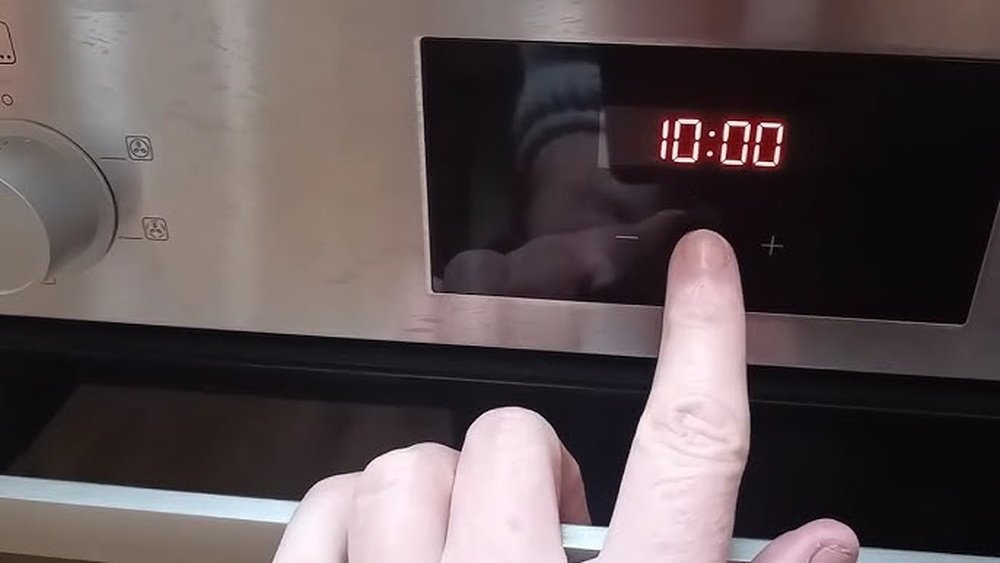
- Digital display or manual dials: Used to set temperature and time.
- Timer: Helps you avoid overbaking.
- Oven light: Lets you check your food without opening the door.
Knowing where these are and how they work is the first step in successful baking. If you’re unsure about any part, check the manual for your specific model.
Key Differences: Gas Vs. Electric Ovens
Bosch makes both gas and electric ovens. Gas ovens heat up quickly and keep air moist, which is great for some baked goods. However, they can have hot spots—areas that are hotter than others—so you may need to rotate your pans for even browning.
Here’s a quick comparison:
| Feature | Bosch Gas Oven | Bosch Electric Oven |
|---|---|---|
| Heat Source | Gas burner (bottom) | Electric element (top and bottom) |
| Moisture Level | Higher (moist heat) | Lower (dry heat) |
| Preheat Time | Faster | Slower |
| Heat Distribution | Can have hot spots | More even |
| Power Source | Natural gas/propane | Electricity |
Preparing Your Bosch Gas Oven For Baking
Proper preparation is key for good baking results. Here are the steps you should follow before putting anything in the oven:
Cleaning The Oven
Even a little leftover food or grease can cause smoke or strange smells when baking. If your oven is new, run it empty at a high temperature (450°F/230°C) for 30 minutes to burn off factory oils. For regular cleaning, use a damp cloth and mild soap.
Avoid harsh chemicals, as they can damage the oven’s surfaces.
Checking Oven Racks
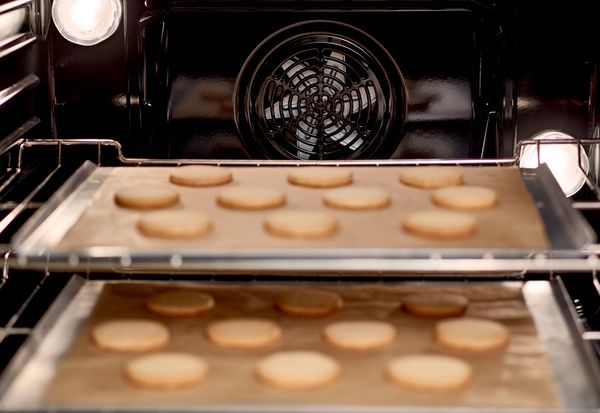
Place the oven racks in the right position before preheating. Most baking is best done in the middle rack. If baking more than one tray, use the middle and lower racks and rotate trays halfway through for even baking. Avoid placing trays too close to the bottom burner, as this can burn the bottom of your food.
Preheating The Oven
Always preheat your oven before baking. Bosch gas ovens heat up fast, usually within 8–10 minutes. Set the desired temperature using the dial or digital controls. Wait for the oven to beep or for the indicator light to turn off before putting your food in.
A common beginner mistake is skipping preheating or putting food in too early. This can lead to uneven rising and underbaked centers.
Using An Oven Thermometer
Gas ovens—Bosch included—sometimes have temperature differences from what’s set. For more accurate baking, use an oven thermometer placed in the center of the middle rack. This helps you know the real temperature inside. Adjust the dial if needed to reach the correct heat.
Credit: www.bosch-home.com
Setting Up For Different Types Of Baking
Not all baked goods are the same. Cakes, bread, cookies, and pizza each have their own needs. Here’s how to set up your Bosch gas oven for the most common baking tasks:
Cakes And Cupcakes
- Use the middle rack for even heat.
- Preheat to the exact temperature in your recipe, usually 325–350°F (163–177°C).
- Avoid opening the door in the first 20 minutes to prevent sinking.
Bread
- Use the middle or lower rack for a strong bottom crust.
- Preheat a baking stone or heavy tray for artisan loaves.
- For a crispy crust, put a pan of water on the bottom to make steam for the first 10 minutes.
Cookies
- Bake one tray at a time on the middle rack for best results.
- If baking two trays, swap their positions halfway through.
- Bake at 350°F (177°C) unless your recipe says otherwise.
Pizza
- Place a pizza stone or heavy baking sheet on the lowest rack.
- Preheat the stone for at least 30 minutes.
- Bake pizza directly on the stone for a crisp base.
Roasting And Casseroles
- Use the middle rack for even browning.
- If food browns too fast on top, cover with foil.
- For large dishes, turn the pan halfway through.
Using The Controls: Bosch Gas Oven Explained
Bosch gas ovens usually have either manual dials or a digital control panel. Here’s how to use both:
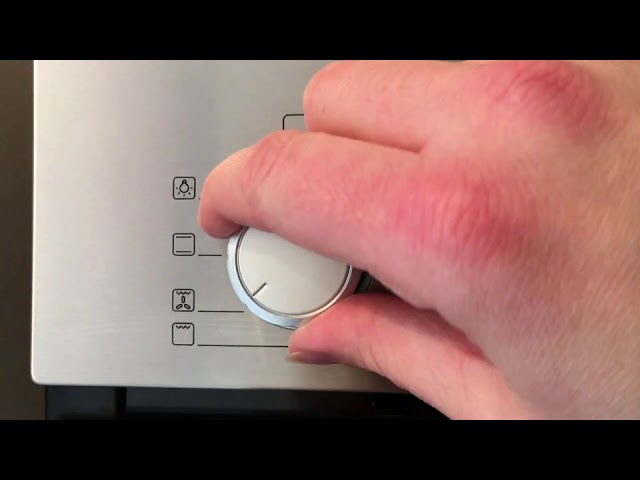
Manual Dial Controls
- Temperature Dial: Turn to set your baking temperature.
- Timer Dial: Set your baking time. Some models have a bell; others turn off the oven automatically.
- Ignition: Push or turn the knob to start the oven.
Digital Control Panel
- Power Button: Turns the oven on/off.
- Temperature Buttons: Set the exact temperature.
- Function Button: Choose the mode (bake, broil, convection).
- Timer Button: Set the timer for your recipe.
- Start/Stop: Confirms your settings.
Tip: If you’re not sure how your model works, look for the Bosch logo and model number—then download the manual from the Bosch website.
Choosing The Right Bakeware
Picking the right pan is as important as setting the right temperature. Here’s what works best in a Bosch gas oven:
- Metal pans: Great for cakes, cookies, and bread. They heat up fast and brown food well.
- Glass dishes: Good for casseroles and pies. Lower the temperature by 25°F (15°C) compared to metal pans.
- Ceramic: Slow to heat, but holds heat well. Good for custards and lasagna.
- Dark pans: Absorb more heat; reduce oven temperature by 25°F (15°C) to avoid burning.
Avoid using oversized pans, as they block airflow and can cause uneven baking.
Baking Step-by-step In Your Bosch Gas Oven
Let’s walk through a typical baking process:
- Read your recipe: Gather all ingredients and tools.
- Prepare your pan: Grease, line, or flour as needed.
- Place racks: Set to the middle position.
- Preheat: Set the oven to the right temperature. Wait until it’s ready.
- Check temperature: Use an oven thermometer if you have one.
- Mix your batter or dough: While the oven heats.
- Fill the pan: Don’t overfill—batter should be no more than 2/3 full for cakes.
- Place in oven: Center the pan on the rack.
- Set timer: Use the oven timer or your phone.
- Avoid opening the door: Heat escapes and can cause uneven baking.
- Check for doneness: Use a toothpick, thermometer, or visual cues.
- Cool properly: Let food cool in the pan for a few minutes, then move to a wire rack.
Credit: www.bosch-home.com
Advanced Features In Bosch Gas Ovens
Many Bosch models come with special features that can make baking easier:
Convection Mode
Some gas ovens have a convection fan. This circulates hot air for even baking, faster cooking, and better browning. To use convection:
- Set the oven to convection mode.
- Lower the recipe temperature by 25°F (15°C).
- Check for doneness early, as things bake faster.
Self-cleaning
Some Bosch gas ovens have a self-cleaning function. Remove racks and pans before starting. Self-cleaning heats the oven to a very high temperature to burn away food residue. Only use this feature when the oven is empty.
Delayed Start
This lets you program the oven to start baking at a later time. Prepare your dish, set the start time, and the oven will turn on by itself. Useful for busy days or overnight bread rises.
Child Lock
Many digital Bosch ovens have a child lock to prevent accidental use. Read your manual to see how to turn it on or off.
Common Baking Problems And How To Solve Them
Even with a Bosch oven, things don’t always go as planned. Here are some common issues and solutions:
Uneven Browning
- Cause: Hot spots or wrong rack position.
- Solution: Rotate your pan halfway through baking. Use the middle rack.
Burnt Bottoms
- Cause: Pan too close to the bottom burner.
- Solution: Move the rack up. Use a lighter-colored pan. Lower oven temperature slightly.
Pale Tops
- Cause: Heat not reaching the top of food.
- Solution: Move pan to a higher rack for the last few minutes.
Sinking Cakes
- Cause: Oven door opened too early or underbaked.
- Solution: Don’t open the door in the first 20 minutes. Check with a toothpick before removing.
Dry Or Overbaked Food
- Cause: Baked too long or at too high a temperature.
- Solution: Set the timer. Use an oven thermometer to check real temperature.
How To Bake Specific Recipes In Your Bosch Gas Oven
Here are a few practical examples:
Baking A Classic Vanilla Cake
- Preheat oven to 350°F (177°C).
- Grease and flour a 9-inch round cake pan.
- Prepare cake batter as directed.
- Pour batter into pan, filling only 2/3 full.
- Place pan on the middle rack.
- Bake for 25–30 minutes. Check with a toothpick.
- Cool for 10 minutes in the pan, then remove and cool on a rack.
Baking Artisan Bread
- Place a baking stone on the lowest rack.
- Preheat oven to 450°F (232°C) for 30 minutes.
- Shape dough and let it rise on parchment.
- Put a pan of water on the oven floor for steam.
- Slide bread onto stone. Bake for 30–35 minutes.
- Remove water pan after first 10 minutes.
Baking Chocolate Chip Cookies
- Preheat oven to 350°F (177°C).
- Line a baking sheet with parchment.
- Drop dough by spoonfuls, spacing well apart.
- Bake one tray at a time on the middle rack for 10–12 minutes.
- Cool cookies on a wire rack.
Energy Use And Efficiency
Bosch gas ovens are known for energy efficiency compared to many electric models. Gas heats up quickly, so less energy is wasted in preheating. To save even more:
- Bake several things in sequence while the oven is hot.
- Avoid opening the door too often.
- Use the oven light to check progress.
Bosch ovens also come with insulated doors that keep heat in and kitchen temperatures lower.
Safety Tips For Using A Bosch Gas Oven
Baking is fun, but safety is important. Here are essential tips:
- Always check for gas leaks before use. If you smell gas, turn off the oven and call a professional.
- Keep flammable items away from the oven.
- Use oven mitts to avoid burns.
- Turn off the oven when finished.
- Keep children away from hot surfaces.
- Clean spills quickly to prevent smoke or fire.
Cleaning And Maintenance
A clean oven works better and lasts longer. Here’s how to keep your Bosch gas oven in top shape:
- Wipe up spills after the oven cools.
- Remove racks and wash with warm soapy water.
- Use a soft brush to clean crumbs from corners.
- Avoid harsh abrasives or metal scouring pads.
- Clean the oven door glass with a vinegar-water mix.
- Run the self-clean cycle if your model has one.
For gas ovens, have a professional check the burners and gas connections once a year.
Troubleshooting: What To Do When Things Go Wrong
Bosch ovens are reliable, but sometimes problems happen. Here’s a quick troubleshooting guide:
Oven Won’t Start
- Check if the oven is plugged in (for digital models).
- Make sure the gas supply is on.
- Check for error codes on the display.
- If the pilot light is out, relight it as per manual instructions.
Oven Not Heating Properly
- Use an oven thermometer to check real temperature.
- Clean the burner and oven cavity.
- Call Bosch service if the problem continues.
Timer Or Display Not Working
- Reset the oven by unplugging and re-plugging.
- Check your home’s circuit breaker.
If you need more help, Bosch’s official support page is a good resource: Bosch Home Support.
Comparing Bosch Gas Oven Models For Baking
When choosing a Bosch gas oven, it helps to compare models based on features important for baking:
| Model | Convection | Self-Clean | Capacity (cu ft) | Control Type |
|---|---|---|---|---|
| HGS8655UC | Yes | Yes | 5.0 | Digital |
| HGS8045UC | No | No | 4.8 | Manual |
| HGS8055UC | Yes | No | 4.8 | Digital |
Tip: For serious bakers, a convection model with self-cleaning saves time and delivers more reliable results.
Non-obvious Tips For Better Baking With Bosch Gas Oven
Many people miss these small details that make a big difference:
- Let baked goods rest in the oven for 2–3 minutes after turning it off. The gentle residual heat helps finish baking and prevents sinking.
- Use baking parchment or silicone mats instead of greasing pans. This promotes even browning and easy release, especially for cookies and pastries.
- Check oven seal (gasket) every few months. If it’s cracked or loose, heat will escape, and baking times will be off.
- Don’t crowd the oven. Leave space around pans for air to circulate.
- Store pans in the oven only when it’s off. Extra pans during baking can block heat and change results.
Frequently Asked Questions
How Do I Know When My Bosch Gas Oven Is Preheated?
Most Bosch gas ovens have a preheat indicator light or a beep that signals when the set temperature is reached. For best accuracy, use an oven thermometer to confirm the temperature in the middle of the oven before baking.
Can I Use Aluminum Foil In My Bosch Gas Oven?
Yes, but with care. Place foil only on racks or under pans—not on the oven floor—as it can block airflow and damage the oven. Avoid covering oven vents, as this affects temperature and baking quality.
Why Does My Cake Sink In The Middle After Baking?
This usually happens if the oven door is opened too soon, or if the cake is underbaked. Make sure the cake is set before opening the door, and test with a toothpick for doneness before removing from the oven.
How Do I Clean The Oven Glass Without Scratching It?
Wait until the oven is cool. Use a soft cloth with a mix of vinegar and water, or a little baking soda for tough spots. Avoid using sharp tools or abrasive pads, as they can scratch the glass.
Is It Safe To Leave My Bosch Gas Oven On For Long Baking Times?
Yes, Bosch gas ovens are designed for extended baking. Just make sure the oven is clean, the area around it is clear, and you check food regularly. Use the timer and oven light to monitor progress safely.
Baking with a Bosch gas oven is simple when you know the steps and features. With the right setup, careful preparation, and a few smart tips, you’ll enjoy delicious baked goods every time. Happy baking!
Credit: www.youtube.com