
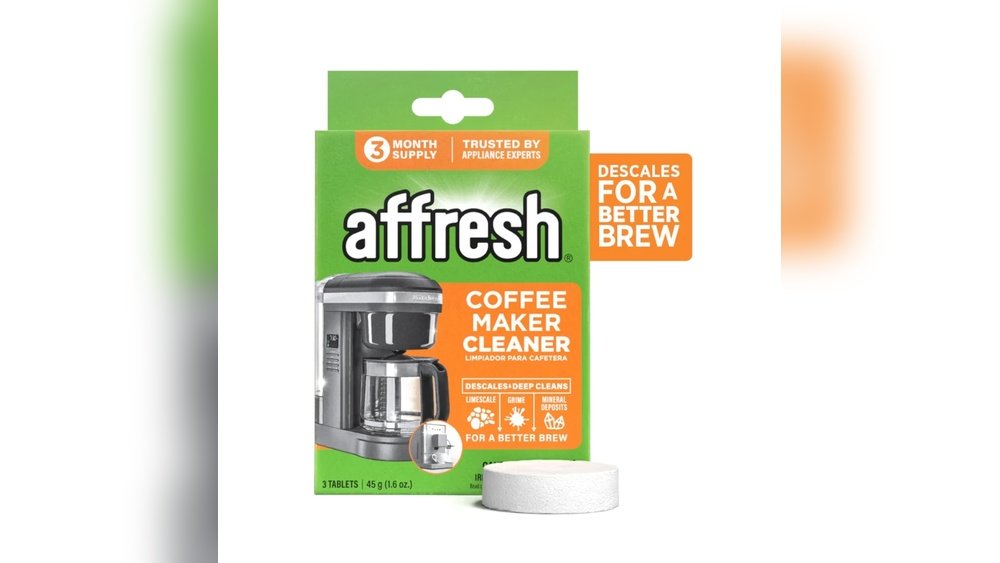
Keeping your coffee maker clean isn’t just about hygiene—it’s about flavor, too. Over time, minerals, coffee oils, and residue can build up inside even the best machines. This buildup affects the taste of your brew and can shorten the life of your coffee maker. Many people ignore cleaning or use only water, which isn’t enough for deep cleaning. That’s where Affresh Coffee Maker Cleaner comes in. This product is designed to remove limescale, coffee oils, and hidden residue, making your machine work like new and your coffee taste fresh.
But how do you use Affresh correctly? What makes it different from regular cleaning methods? And are there any tips that can make cleaning easier and more effective? This guide answers all those questions and more. By the end, you’ll know exactly how to use Affresh Coffee Maker Cleaner, avoid common mistakes, and keep your coffee machine running smoothly for years.
Why Cleaning Your Coffee Maker Matters
Many coffee lovers don’t realize how quickly residue can build up inside their machines. Hard water minerals like calcium and magnesium leave deposits, called limescale, that can block water flow and make heating less efficient. Coffee oils and tiny grounds stick to internal parts, changing the flavor of your coffee and sometimes even causing unpleasant smells.
According to the National Sanitation Foundation, coffee reservoirs are among the top five germiest places in the kitchen. Mold and bacteria love the warm, damp environment inside coffee makers. If you don’t clean regularly, you’re drinking more than just coffee.
A clean coffee maker:
- Makes better tasting coffee
- Extends the life of your machine
- Prevents clogs and malfunctions
- Reduces the risk of germs and mold
What Is Affresh Coffee Maker Cleaner?
Affresh is a brand known for cleaning products designed for home appliances. Affresh Coffee Maker Cleaner is a specially made tablet or liquid solution that removes limescale, coffee oils, and hidden residue from automatic drip and single-serve coffee machines.
Unlike vinegar (a common DIY cleaner), Affresh is odorless, leaves no aftertaste, and is safe for all coffee maker materials. It’s also easier to use—no measuring, no strong smell, and it dissolves fully without leaving residue.
How Does Affresh Work?
Affresh tablets or liquid contain a mix of cleaning agents that:
- Break down mineral buildup
- Dissolve coffee oils and organic stains
- Clean hidden tubes and reservoirs
It does this without damaging sensitive machine parts or leaving a chemical taste. The product is tested and recommended by coffee maker manufacturers, including brands like Keurig and Breville.
Credit: www.affresh.com
Types Of Coffee Makers Compatible With Affresh
Not all cleaners work with every type of coffee maker, but Affresh is versatile. Here are the main types you can use it with:
- Automatic drip coffee makers (classic models with a carafe)
- Single-serve machines (like Keurig K-Cup brewers)
- Espresso machines (check the manual—some models need special cleaning cycles)
- Pod-based machines (Nespresso, etc.—refer to instructions)
- Thermal carafe coffee makers
Always check your coffee maker’s manual before using any cleaner. If Affresh is not listed, look for “descaling” or “cleaning” instructions. Most modern machines can use Affresh safely, but a few older or specialty devices may need a different approach.
What You Need Before You Start
Using Affresh Coffee Maker Cleaner is simple, but you’ll need a few things ready:
- Affresh Coffee Maker Cleaner tablets or liquid (check your package for the right type)
- Clean water (preferably filtered or distilled for best results)
- Your coffee maker (empty of coffee and filters)
- A clean carafe or mug to catch water during the cleaning process
- Access to a sink for rinsing
Don’t use coffee grounds, paper filters, or pods during the cleaning process. This could cause clogs or reduce the effectiveness of the cleaning.
Step-by-step Guide: How To Use Affresh Coffee Maker Cleaner
Cleaning your coffee maker with Affresh doesn’t take long, but following the steps exactly ensures the best results. Here’s a practical, experience-based guide:
Step 1: Prepare Your Coffee Maker
First, turn off your coffee maker and let it cool if recently used. Remove any used filters, coffee grounds, or pods. Empty the carafe or water reservoir. If your machine has a removable water filter, take it out (you can put it back after cleaning).
Step 2: Add Water To The Reservoir
Fill the water tank to the maximum fill line. Use clean, cool water. Avoid hot water, which can cause tablets to dissolve too quickly or damage some internal parts.
Step 3: Insert The Affresh Tablet Or Liquid
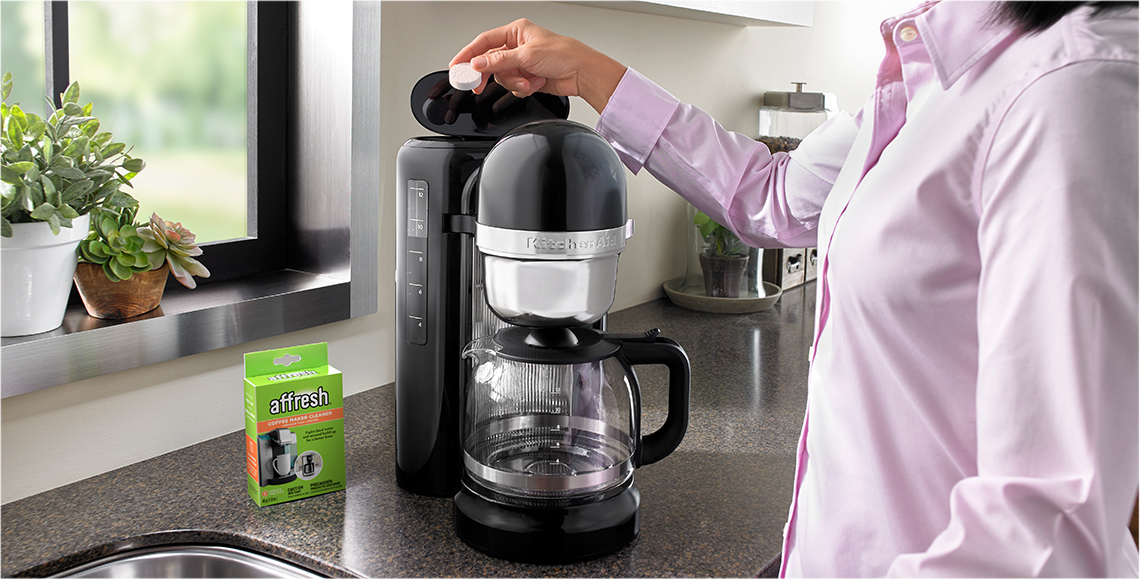
Drop one Affresh tablet (or pour the recommended amount of liquid, if using the liquid version) directly into the water reservoir. Do not put the tablet into the filter basket or pod holder—it must go into the water tank.
Non-obvious tip: For very large coffee makers, check the instructions. Some machines need two tablets for a deep clean.
Step 4: Run A Brew Or Clean Cycle
Place the empty carafe or a large mug in the machine to catch the cleaning solution. Start a brew cycle (for drip and single-serve machines) or select the “clean” or “descale” mode if your machine has one.
Let the machine run until all the water has passed through. If your device stops early (some do for safety), wait a few minutes, then restart the cycle.
Step 5: Pause And Soak (optional But Helpful)
If your machine allows it, pause the cycle halfway and let the solution sit for 20–30 minutes. This helps loosen stubborn limescale in hard-to-reach places. Not all machines can be paused, but if yours can, this makes a big difference.
Step 6: Discard And Rinse
After the cycle is finished, discard the dirty water from the carafe or mug. Fill the reservoir with fresh water (no tablet this time) and run at least two full brew cycles to rinse out any leftover cleaner.
For single-serve machines, run several brew cycles without a pod, using fresh water each time, until there’s no smell or taste.
Step 7: Clean Removable Parts
While rinsing, wash the carafe, reservoir, filter holder, and any removable parts with warm, soapy water. Rinse well before putting them back.
Step 8: Reassemble And Enjoy
Reinstall any water filters or parts you removed. Your coffee maker is now clean and ready for use. Brew a test cup of water to check for any leftover taste—if you notice anything odd, rinse one more time.
How Often Should You Use Affresh Coffee Maker Cleaner?
The right cleaning frequency depends on how often you use your machine and your water quality. Here’s a general guideline:
- Daily use: Clean every month
- Weekly use: Clean every 2–3 months
- Hard water areas: Clean more often (every 3–4 weeks)
- Soft water areas: Every 2–3 months
Some machines have a “clean” or “descale” light that turns on when it’s time. Don’t ignore it—waiting too long can cause permanent damage.
Comparison: Affresh Vs. Other Coffee Maker Cleaners
Many people wonder if Affresh is really better than vinegar or other store-bought cleaners. Here’s a direct comparison:
| Cleaner | Effectiveness | Odor/Taste | Ease of Use | Machine Safety |
|---|---|---|---|---|
| Affresh | High—removes limescale & oils | Odorless, no taste | Very easy (pre-measured) | Safe for all machines |
| Vinegar | Moderate—mainly limescale | Strong odor, aftertaste possible | Messy, needs measuring | Can damage seals over time |
| Citric acid | High—good for limescale | Mild odor, no taste | Needs correct dilution | Safe if used correctly |
| Generic tablets | Variable—depends on brand | Usually odorless | Easy (if branded) | Check compatibility |
Non-obvious insight: Vinegar can wear out rubber seals and leave a strong smell that’s hard to rinse out. Affresh is specifically designed to avoid these problems.
Common Mistakes To Avoid
Even with a good cleaner, people make mistakes that reduce cleaning power or can even harm their machine. Here are the top errors:
- Using too little cleaner: Not enough product can leave buildup behind. Always use the full recommended amount.
- Skipping the rinse cycles: Leftover cleaner or loosened dirt can end up in your coffee if you don’t rinse thoroughly.
- Adding cleaner to the wrong part: Tablets must go in the water tank, not the filter or pod holder.
- Using hot water: Can break down tablets too fast and damage machine parts.
- Ignoring water quality: Hard water means more frequent cleaning is needed.
- Cleaning too rarely: Waiting until there’s a problem (like slow brewing or bad taste) is too late—clean before issues appear.
Real-world Example: Cleaning A Keurig With Affresh
Let’s look at a popular single-serve brand. Here’s how you clean a Keurig machine:
- Empty the reservoir, remove any pods or K-cups.
- Fill with fresh water, add one Affresh tablet.
- Place a large mug under the dispenser.
- Run the largest cup size without a pod.
- Repeat until reservoir is empty (refill as needed).
- Let sit for 30 minutes.
- Rinse reservoir and run 3–4 cycles with clean water.
- Wash removable parts before reassembling.
This method works for most single-serve brewers. Always check your manual for specific instructions.
How Affresh Helps Machine Performance
Regular cleaning with Affresh does more than just remove dirt. It helps your machine:
- Heat water faster (less limescale on heating elements)
- Brew at correct pressure (no clogged pipes)
- Last longer (reduces wear on pumps and seals)
- Taste better (no bitter, stale flavors)
If you’ve ever noticed your coffee taking longer to brew, tasting strange, or the machine making odd noises, a full clean can often fix these problems.
Comparing Cleaning Frequency And Results
How often you clean can make a big difference. Here’s an example comparing different cleaning routines:
| Cleaning Frequency | Average Brew Time | Coffee Taste | Machine Lifespan |
|---|---|---|---|
| Monthly (with Affresh) | 2–4 min (normal) | Fresh, balanced | 6–8 years |
| Every 3 months (with Affresh) | 4–6 min (slower) | Slightly bitter | 5–7 years |
| Rarely or never | 6–10 min (very slow) | Bitter, musty | 3–5 years (often breaks early) |
Regular cleaning isn’t just about taste—it protects your investment.
Troubleshooting After Cleaning
Sometimes, after using Affresh, you might notice a few things:
- Cloudy water: Run more rinse cycles; some residue may remain.
- Odd taste: This usually means not enough rinsing. Brew plain water until taste is gone.
- Machine won’t start: Double-check assembly—removable parts may not be seated properly.
- Descale light stays on: Some machines need a special reset; check the manual.
If you run into repeated problems, contact the coffee maker’s support line. Affresh is safe, but every machine is a little different.
Safe Handling And Storage Of Affresh
Affresh is safe and EPA-registered when used correctly, but keep these safety tips in mind:
- Store out of reach of children and pets.
- Avoid contact with eyes or skin. If contact happens, rinse with water.
- Do not eat or drink the cleaner.
- Keep tablets dry. They dissolve quickly in water.
If you spill Affresh, wipe up with a damp cloth and rinse the area with water.
Environmental Impact Of Affresh
Many people are concerned about the safety of cleaning products for the environment. Affresh is phosphate-free, biodegradable, and safe for home septic systems when used as directed. It does not contain harsh acids or chemicals found in some industrial cleaners.
After use, you can pour the rinse water down the drain. The packaging is recyclable in most areas—check your local recycling guidelines for details.
Credit: www.walmart.com
Affresh Vs. Diy Cleaning Methods
Some coffee drinkers prefer homemade solutions, like vinegar or baking soda. While these can help in a pinch, they’re not as effective for deep cleaning, and sometimes cause problems.
Vinegar: Removes limescale, but has a strong smell and can damage rubber parts over time.
Baking soda: Not effective for mineral buildup and can leave gritty residue.
Lemon juice: Slightly acidic, but not as powerful as commercial descalers.
Affresh is designed for coffee makers—tested for both cleaning and safety. It’s recommended by many manufacturers (such as Whirlpool and Keurig) for a reason.
Additional Tips For Maintaining Your Coffee Maker
- Use filtered water: Reduces mineral buildup and improves taste.
- Empty water daily: Don’t let water sit overnight—bacteria can grow.
- Dry removable parts: Prevents mold and slime in the reservoir.
- Wipe down the outside: Coffee splashes can attract germs.
- Change water filters regularly: If your machine has them, follow the schedule in the manual.
- Don’t ignore slow brewing: It’s a sign of clogs or buildup.

Credit: www.amazon.com
When To Replace Your Coffee Maker
Even with perfect cleaning, coffee makers don’t last forever. If you notice:
- Leaks that can’t be fixed by cleaning
- Strange noises after cleaning and rinsing
- Persistent bad taste after several cleanings
- Machine won’t heat or brew
…it might be time for a new model. Regular cleaning delays these problems, but eventually, parts wear out.
Affresh Availability And Cost
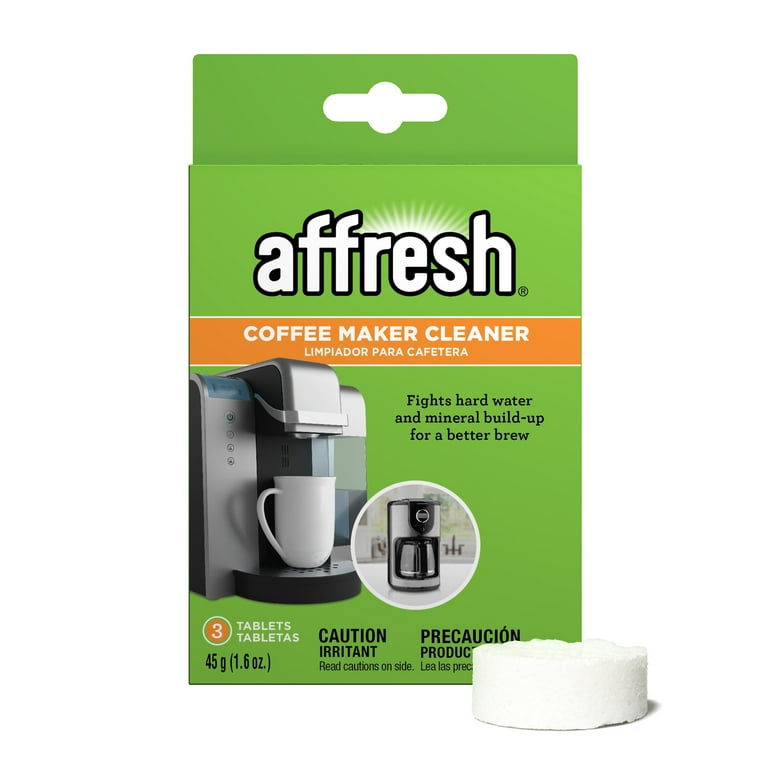
Affresh Coffee Maker Cleaner is sold in most major stores (Walmart, Target, Amazon) and online. Each box contains several tablets—enough for 3 to 6 cleanings. The price is usually $6–$12 per box, which is less than $2 per cleaning.
Compared to the cost of a new coffee maker (usually $50–$200), this is a smart investment.
For more details, see the official Affresh website.
Frequently Asked Questions
How Is Affresh Different From Vinegar For Cleaning Coffee Makers?
Affresh is specifically designed to clean coffee makers without leaving any odor or aftertaste. Vinegar can remove limescale but often leaves a strong smell and can damage rubber parts over time. Affresh is also pre-measured, so you don’t have to guess the amount.
Can I Use Affresh In Espresso Machines?
Yes, you can use Affresh in most espresso machines that have a water reservoir. Always check your machine’s manual for specific instructions. Some high-end machines need a special cleaning cycle or different cleaner, so follow the manufacturer’s advice.
How Many Affresh Tablets Do I Need Per Cleaning?
For most machines, one tablet is enough. Large or commercial machines may need two tablets. Always follow the instructions on the package or your coffee maker manual for the correct amount.
What Should I Do If There’s Still A Taste After Cleaning?
If you notice a taste after cleaning, run 2–3 extra rinse cycles with plain water. Sometimes, residue gets trapped in tubes or valves. If the taste continues, check that all removable parts are cleaned separately with soap and water.
Where Can I Buy Affresh Coffee Maker Cleaner?
You can buy Affresh at major retailers like Walmart, Target, and Amazon. It’s often in the appliance or cleaning aisle. You can also purchase directly from the official Affresh website.
Keeping your coffee maker clean with Affresh is simple, effective, and pays off every day with better-tasting coffee. Don’t wait until you notice problems—make cleaning a regular part of your coffee routine. Your taste buds (and your coffee maker) will thank you.