
Every kitchen has its own challenges. One of the most common is how to remove smoke, steam, and cooking smells. Most people think of the classic range hood above the stove. But there is another solution: the downdraft stove. This design pulls smoke and smells down and away, instead of up. Many people are curious about how this technology works, its benefits, and if it’s the right choice for their kitchen. Let’s explore the details of downdraft stoves, how they function, and what you should know before considering one.
What Is A Downdraft Stove?
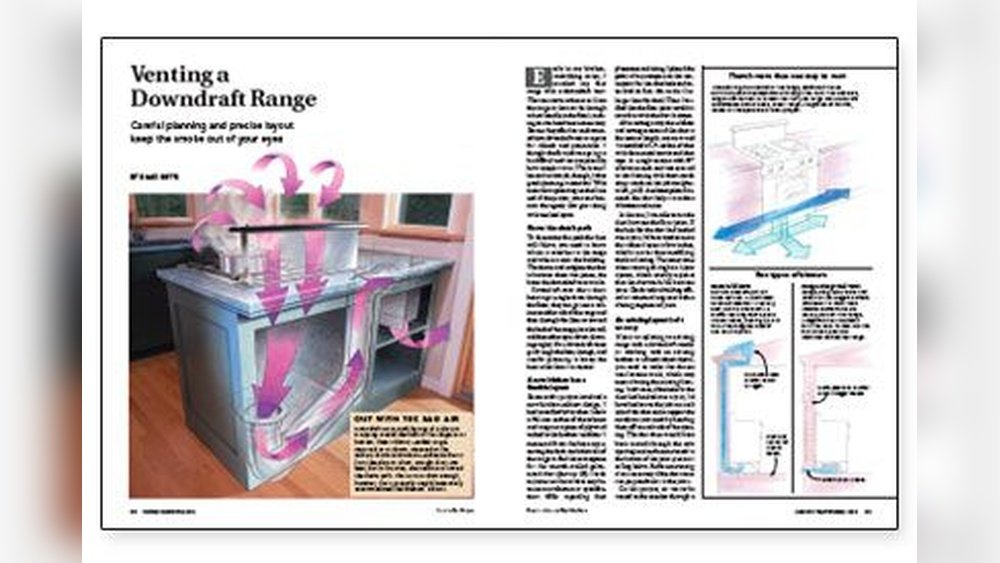
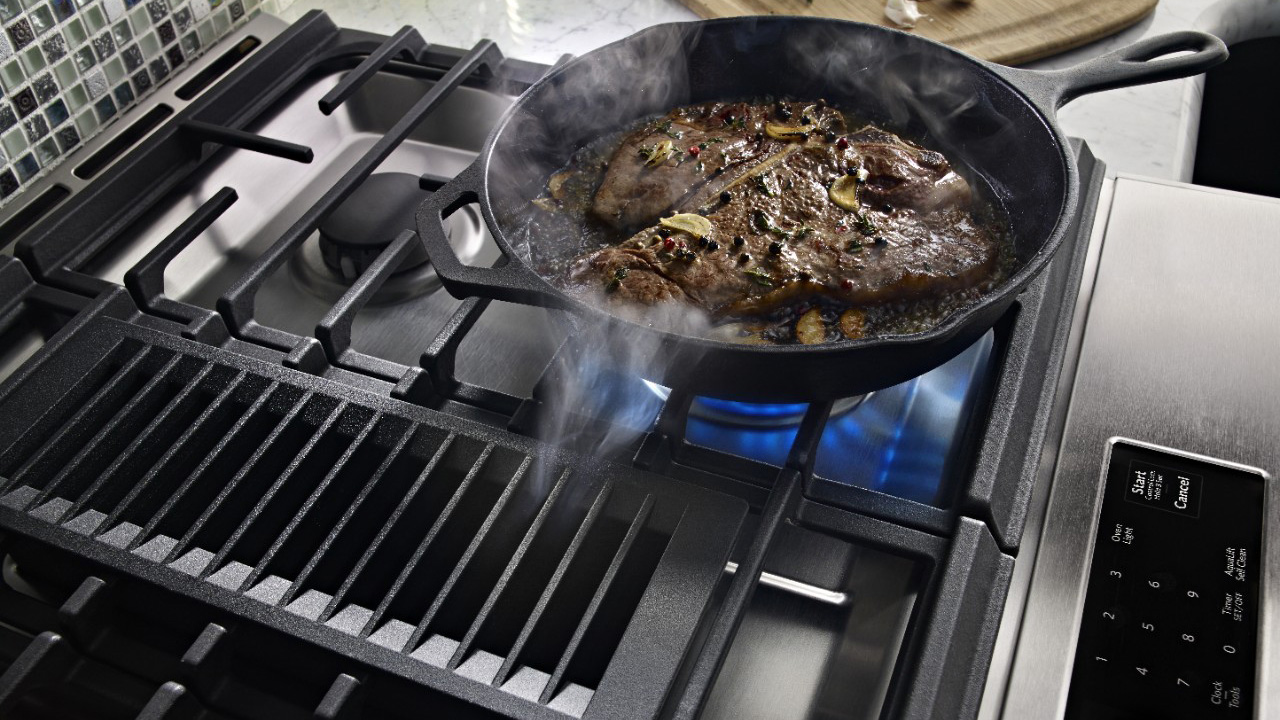
A downdraft stove is a cooking appliance with a built-in ventilation system. Unlike traditional stoves that use a hood above, downdraft stoves pull air downward. The system captures smoke, steam, and odors right at the surface before they can spread. This approach is especially useful in open kitchens or islands where a bulky hood might not fit or look good.
Downdraft stoves can be electric, gas, or induction. The key feature is the integrated vent, which sits either between the burners or at the back of the cooktop. This vent connects to ductwork below the countertop, guiding air outside or through a filter.
The Core Working Principle Of Downdraft Stoves
The main idea behind a downdraft stove is reverse airflow. Instead of letting cooking byproducts rise and spread, the system pulls them down right at the source. Here’s how it happens:
- Air Intake: A slot or grill on the stove surface collects air, smoke, and vapor.
- Fan Mechanism: A powerful fan inside the unit creates suction.
- Ductwork: The air moves through ducts beneath the counter.
- Exhaust or Filtration: The air is either sent outside or passed through filters and then recirculated.
Why Down Instead Of Up?
Hot air naturally rises. Downdraft systems use fans strong enough to overcome this, pulling air downward. This approach keeps the kitchen air cleaner without needing a big, overhead hood.
Key Components
- Intake grill/slot: Where air enters the vent.
- Blower fan: The motor that creates suction.
- Ducts: Pathways under the counter for air movement.
- Filters: For recirculating models, these clean the air before returning it.
- Control panel: Lets you adjust the fan speed or turn the system on/off.
Types Of Downdraft Stoves
Downdraft technology can be built into different types of stoves. Here are the most common:
1. Integrated Downdraft Cooktops
These cooktops have the vent built into the surface. The vent is usually in the center or along the back. You turn it on with a switch, and the fan starts working.
2. Pop-up Downdraft Vents
Some stoves use a pop-up vent. This device sits hidden until you need it. When you start cooking, you press a button and the vent rises up. After use, it hides back into the counter.
3. Slide-in Ranges With Downdraft
Slide-in ranges combine an oven and a cooktop. Some models have a downdraft vent at the back, so you get both cooking and ventilation in one unit.
4. Modular Downdraft Systems
These systems are added to a regular cooktop. The vent sits between burners or on the side. They are flexible but require careful planning during installation.
How Does A Downdraft Stove Work?
Let’s break down the process step by step.
Step 1: Capturing Air
When you cook, steam, smoke, and grease rise from the pots and pans. The intake vent sits close to the surface, usually just an inch or two away from the burners. This vent quickly pulls the air down before it spreads.
Step 2: Creating Suction
A blower fan under the counter draws the air into the vent. These fans are powerful—many can move 300 to 600 cubic feet per minute (CFM). This suction must be strong enough to beat the natural rise of hot air.
Step 3: Moving Air Through Ducts
The air travels from the vent through a network of ducts. These ducts usually run under the countertop and sometimes through the floor or wall, depending on your kitchen’s layout.
Step 4: Exhaust Or Filtration
There are two main ways to handle the captured air:
- External Venting: The air is sent outside, removing smoke and smells completely.
- Recirculating System: The air passes through filters (often carbon or charcoal) to remove particles and odors, then returns to the kitchen.
External venting is more effective but needs more planning and installation work.
Step 5: Fan And Speed Controls
Most downdraft stoves have multiple fan speeds. You can set the power based on how much you’re cooking. For example, frying bacon needs a higher setting than boiling water.
Downdraft Stove Vs. Overhead Hood
Which is better? Let’s compare the two systems side by side.
| Feature | Downdraft Stove | Overhead Hood |
|---|---|---|
| Airflow Direction | Downward, through the counter | Upward, above the stove |
| Installation | More complex, needs under-counter ducts | Easier, wall or ceiling mount |
| Kitchen Design | Great for islands and open spaces | Best for wall placement |
| Performance | Good for light to medium cooking | Better for heavy, smoky cooking |
| Maintenance | Filter changes, duct cleaning | Grease trap cleaning, filter changes |
Key insight: Downdraft stoves are great where a hood is not possible, but overhead hoods are usually more effective for heavy cooking.
Advantages Of Downdraft Stoves
Why choose a downdraft stove? There are several benefits:
- No Overhead Obstruction: Perfect for kitchen islands and open layouts. You keep your view and design clean.
- Space-Saving: No need for bulky hoods or extra wall space.
- Flexible Design: Works well in kitchens where a hood would look strange or not fit.
- Integrated Look: Many models blend into the countertop for a sleek, modern appearance.
- Immediate Capture: The vent sits close to the cooking surface, so it catches smoke and steam quickly.
Drawbacks Of Downdraft Stoves
However, downdraft systems also have some disadvantages:
- Less Effective for Heavy Cooking: If you often fry or use a wok, downdraft may not catch all smoke.
- Complex Installation: You need enough space under the counter for the ducts and fan. Not all kitchens can fit this.
- Noise: Powerful fans can be loud, especially on high settings.
- Maintenance: Filters and ducts need regular cleaning. If not, performance drops.
- Cost: These systems can be more expensive to buy and install than standard hoods.
Where Are Downdraft Stoves Most Useful?
Downdraft stoves are especially good for:
- Kitchen islands: No place for a hood above.
- Open concept kitchens: Keeps sight lines clear.
- Low ceilings or unique designs: Where a hood is not possible.
- Remodels: Adds ventilation without major changes to the room.
They are less ideal for kitchens where high-heat, smoky cooking is common.
Key Features To Look For When Choosing A Downdraft Stove
Not all downdraft stoves are the same. Here’s what to consider:
1. Airflow Power (cfm)
The power of the fan is measured in CFM (cubic feet per minute). For light cooking, 300 CFM may be enough. For more serious cooking, look for 400-600 CFM. More power means better smoke removal, but also more noise.
2. Ductwork Options
Check if your kitchen can fit the required ducts. Some systems can vent outside, while others only recirculate. External venting is usually better for removing odors.
3. Filter Type
If you can’t vent outside, you’ll need good filters. Charcoal filters are best for odors. Make sure replacement filters are easy to find.
4. Cooktop Size And Burner Layout
Downdraft vents work best when they are close to the burners. Make sure the vent is well-placed to catch smoke from all pots and pans.
5. Controls And Settings
Look for variable speed fans. This lets you adjust the suction based on your needs.
6. Noise Level
Fan noise can be annoying, especially in open kitchens. Check reviews for real-world noise levels.
7. Cleaning And Maintenance
Find out how easy it is to clean filters, the vent, and ducts. Some models have parts that can go in the dishwasher.
8. Style And Finish
Downdraft stoves come in stainless steel, black, and other finishes. Choose one that matches your kitchen.
Downdraft Stove Installation: What To Know
Installing a downdraft stove is more involved than a regular cooktop. Here are the main steps and challenges.
Measuring Your Space
You need enough room under the counter for the fan, vent, and ducts. This can be a problem in cabinets with drawers or pipes.
Planning The Duct Path
Short, straight duct runs are best. Long or twisting ducts reduce performance. If you must vent outside, plan the path before you buy.
Electrical Requirements
Most downdraft fans need a dedicated outlet. Check your kitchen wiring before installation.
Possible Need For Professional Help
Many people hire a professional to install downdraft systems. Incorrect installation can lead to poor performance or safety issues.
Typical Installation Steps
- Cut the countertop to fit the cooktop and vent.
- Place the unit and connect the fan and controls.
- Install the ductwork, sealing all joints.
- Connect to power and test the system.
- Add filters if using recirculation.
Credit: www.finehomebuilding.com
Real-world Performance: What Users Say
Many users like the clean look and space-saving benefits. However, reviews show some common experiences:
- Strong for light meals: Boiling, simmering, and basic frying work well.
- Weak for heavy frying: Stir-frying or grilling can still let some smoke escape.
- Cleaning is important: Filters and ducts must be cleaned often.
- Noise is a factor: Higher settings can be loud, but many people use lower speeds for most tasks.
Maintenance And Care For Downdraft Stoves
Taking care of your downdraft system keeps it working well. Here’s what to do:
Clean The Intake Grate
Wipe the vent area often. Grease and crumbs can block airflow.
Replace Or Clean Filters
- Metal grease filters: Wash every month. Many can go in the dishwasher.
- Charcoal filters: Replace every 3-6 months, or as needed.
Duct Cleaning
Check ducts once a year. Grease buildup can lower performance and even cause a fire risk.
Fan Motor Care
Listen for strange noises. Squeaks or rattles may mean the fan needs service.
Check For Air Leaks
Over time, seals and joints in the duct can loosen. This reduces suction power. Inspect and reseal as needed.
Credit: www.finehomebuilding.com
Common Mistakes When Using Downdraft Stoves
Even experienced cooks make some mistakes with these systems. Here’s what to watch out for:
- Not turning the fan on early: Start the vent before you cook, not after smoke appears.
- Blocking the vent: Keep pots and pans away from the intake.
- Not cleaning filters: Dirty filters make the fan less effective.
- Using high heat with big pans: Large or tall pots can block airflow, letting smoke escape.
- Expecting too much: Downdraft systems are not meant for commercial-level frying or grilling.
Comparing Popular Downdraft Stoves
Here’s a quick look at some well-known models and their features.
| Model | Type | CFM | Number of Burners | Venting | Price Range |
|---|---|---|---|---|---|
| JennAir JGD3536GS | Gas Cooktop | 425 | 5 | External | $1,800–$2,200 |
| KitchenAid KCGD506GSS | Gas Cooktop | 300 | 5 | External | $1,700–$2,100 |
| GE PP989DNBB | Electric Cooktop | 400 | 4 | External | $1,300–$1,700 |
| Frigidaire RC36DE60PB | Electric Cooktop | 400 | 5 | External | $1,100–$1,500 |
| Broan 273603 Pop-Up | Pop-Up Vent | 500 | N/A | External | $700–$900 |
Note: Prices and features can change. Always check the latest specs before buying.
Energy Efficiency And Environmental Impact
Downdraft stoves can be energy efficient if used correctly. Here’s how they compare:
- Lower heat loss: No need to heat a large hood space.
- Only use when needed: Turn on for cooking, off when done.
- Recirculating models: Some use reusable filters, reducing waste.
However, strong fans use more electricity, and long duct runs can lower efficiency.
Safety Tips For Using Downdraft Stoves
Safety is important in any kitchen. Here are tips for downdraft systems:
- Keep flammable items away: Don’t block the vent with towels or papers.
- Turn on before cooking: This prevents buildup of smoke or gas.
- Clean regularly: Grease in the vent can catch fire.
- Check for blockages: If suction drops, stop and inspect the system.
- Don’t use with high flames: Very high flames can damage the vent or cause grease fires.
Practical Examples: When Downdraft Stoves Shine
Let’s look at real situations where downdraft stoves work well:
- A kitchen island cooktop: You want to cook and chat with friends, without a hood blocking your view.
- Small condos: No space for a hood, but you still need ventilation.
- Modern open kitchens: Clean lines and minimalist style are important.
- Remodel projects: Adding ventilation without tearing out walls or ceilings.
Non-obvious Insights About Downdraft Stoves
Here are two things many beginners miss:
- Duct length matters a lot: Even a powerful fan loses effectiveness with long or twisting ducts. Plan for the shortest, straightest path possible.
- Downdraft is not universal: Some high-BTU burners or very tall pots simply can’t be paired with downdraft systems. Check with the stove maker before using oversized cookware.
Credit: www.tomsguide.com
How To Decide If A Downdraft Stove Is Right For You
Ask yourself:
- Do you have a kitchen island or open space?
- Is a traditional hood impossible or unwanted?
- Do you mostly cook light meals?
- Can your kitchen fit the ducts and fan?
- Are you willing to clean filters often?
If you answered “yes” to most, a downdraft stove could be a good fit.
Comparing Downdraft Stove Recirculation Vs. External Venting
Here’s a look at the two main ventilation types:
| Feature | Recirculation | External Venting |
|---|---|---|
| Air Cleaning | Uses filters | Removes air outside |
| Odor Removal | Good with charcoal filters | Excellent |
| Installation | Easier, no outside duct needed | Harder, needs wall or floor duct |
| Maintenance | Frequent filter changes | Less frequent |
| Efficiency | Lower | Higher |
Tip: If you can vent outside, always choose that option for best performance.
Smart Features In Modern Downdraft Stoves
Some new models add technology for convenience:
- Touch controls: Easy to clean and use.
- Variable speed fans: Use only the power you need.
- Automatic sensors: Some stoves can sense smoke or steam and adjust the fan speed.
- Wi-Fi connectivity: Monitor or control your stove from your phone.
Cost Breakdown Of Downdraft Stoves
Downdraft systems usually cost more than regular cooktops. Here’s what to expect:
- Cooktop price: $1,100–$2,500 for most major brands.
- Pop-up vent only: $700–$1,000 for add-on vents.
- Installation: $300–$1,000 or more, depending on ductwork and wiring.
- Filters: $30–$100 per year for replacements.
Hidden cost: If your kitchen needs big changes for ducting, the price can rise quickly.
Are Downdraft Stoves Right For You?
Downdraft stoves offer a smart solution for certain kitchens. They keep your kitchen open and modern, and they do a good job for regular cooking. However, they need careful planning and regular care. If you love to cook big, smoky meals, a traditional hood may still be better.
Think about your kitchen layout, your cooking style, and how much maintenance you’re willing to do.
For more details on ventilation standards and building codes, visit the Wikipedia page on kitchen ventilation.
Frequently Asked Questions
How Powerful Should A Downdraft Stove Fan Be?
Most experts suggest at least 300 CFM for light cooking, but 400–600 CFM is better for busy kitchens. The more you cook with high heat or oil, the more power you need.
Can A Downdraft Stove Replace A Traditional Hood?
In some kitchens, yes. Downdraft stoves work well for regular meals and open layouts. However, for very smoky or greasy cooking, a traditional hood is usually more effective.
Do Downdraft Stoves Need Special Installation?
Yes. You need enough space under the counter for the fan and ducts. You may also need new electrical wiring and a path to vent outside. Many people hire a pro for safe installation.
How Often Do I Need To Clean Or Replace Filters?
Metal grease filters should be cleaned monthly. Charcoal filters (for recirculating models) need replacement every 3–6 months, depending on use.
Are Downdraft Stoves Noisy?
They can be. Higher fan speeds mean more noise. Some models are quieter than others, so check reviews for real-world feedback.
Downdraft stoves are a unique solution for modern kitchens. They need careful planning, but when used correctly, they keep your kitchen fresh and stylish without the need for a bulky overhead hood.