

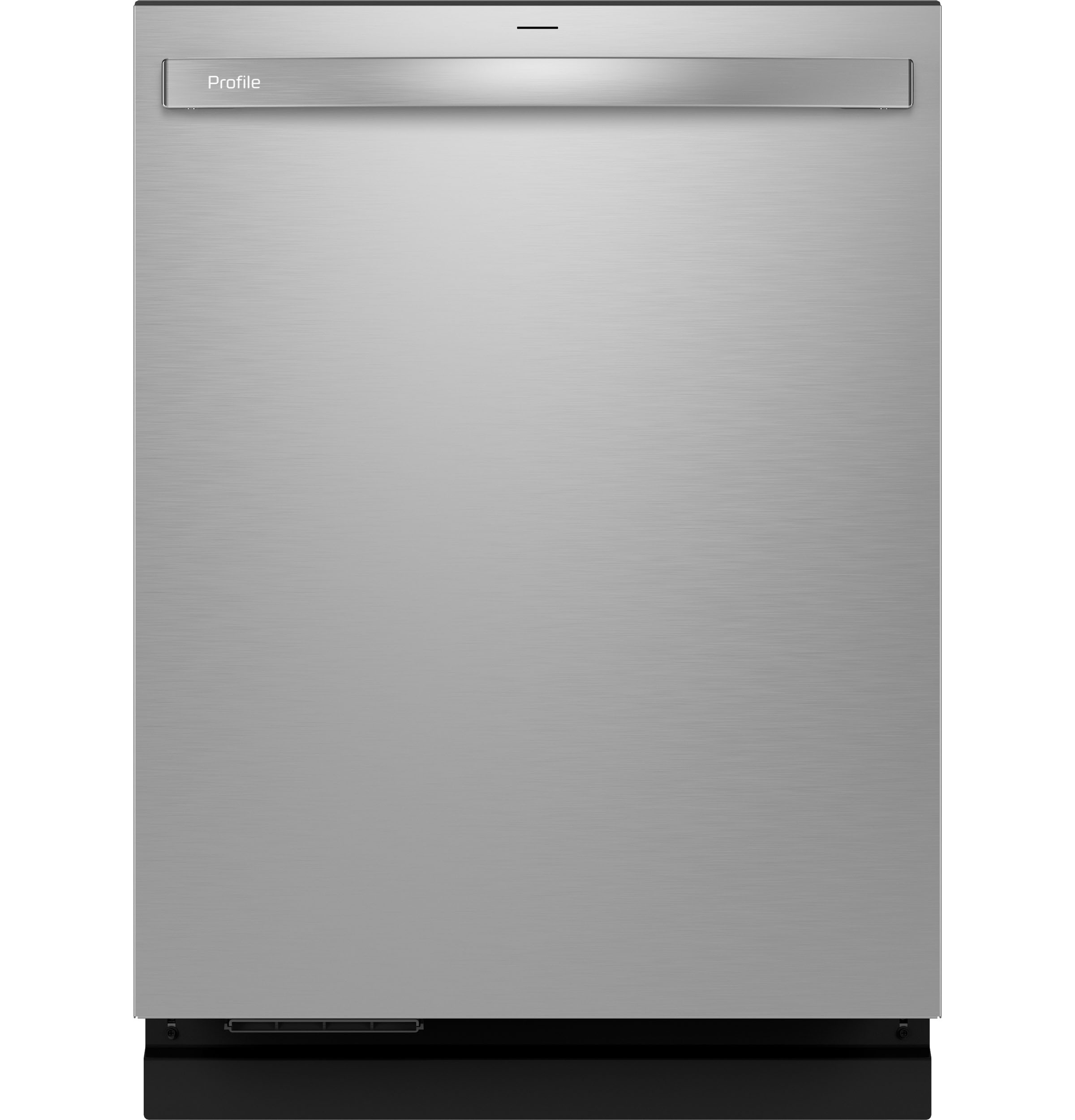
Owning a GE Profile dishwasher can make your daily life much easier, but only if you know how to use it well. Many people buy a high-quality dishwasher but do not take full advantage of its features. If you want spotless dishes, save water, and avoid common mistakes, this guide is for you. Whether you just installed your GE Profile dishwasher or are looking to get better results from the one you already have, you’ll find clear, step-by-step instructions here. You’ll also get expert tips that most beginners miss, so you can avoid frustration and enjoy a smooth dishwashing experience.
Understanding Your Ge Profile Dishwasher
Before you start using your dishwasher, it’s important to know what makes the GE Profile series different. These models are built for efficiency, flexibility, and quiet operation. You’ll find several wash cycles, adjustable racks, and advanced features like bottle jets and WiFi connectivity in many models.
Key Features Overview
- Multiple wash cycles (e.g., Normal, Heavy, Light, AutoSense)
- Adjustable racks to fit large pots or delicate glassware
- Bottle jets for deep cleaning bottles or tall glasses
- WiFi connectivity for remote monitoring (in some models)
- Sanitize option to kill germs and bacteria
- Steam prewash for stuck-on food
Knowing your model’s features helps you choose the right settings and avoid damage to dishes.
Unpacking And Setting Up Your Dishwasher
After your GE Profile dishwasher is delivered, careful setup is key. Even though installation is often done by professionals, you should check a few things yourself:
- Remove packaging: Take out all foam, plastic, and securing straps from inside.
- Check the racks: Slide the racks in and out to make sure they move smoothly.
- Inspect for damage: Look for dents, cracks, or loose parts.
- Read the manual: Every model has unique features. The manual will have model-specific advice.
If you see problems, contact the retailer or GE support before using the dishwasher.

Credit: www.youtube.com
Preparing Dishes For Loading
Even the best dishwasher can’t clean dishes well if you load them incorrectly. Proper preparation helps you get spotless results.
Scraping Vs. Pre-rinsing
- Scraping: Always scrape off large food particles and bones. This prevents clogs.
- Pre-rinsing: Most GE Profile models are built to handle some food residue. Rinsing is not always necessary unless food is heavily stuck.
What Not To Put In The Dishwasher
Some items are not safe for dishwashers:
- Wood utensils and cutting boards (they can warp)
- Cast iron pans (they can rust)
- Nonstick pans (coating can peel)
- Crystal and hand-painted ceramics (may crack or fade)
- Silver or gold-trimmed dishes (can tarnish)
Loading The Ge Profile Dishwasher
How you load the dishwasher affects both cleaning results and energy use. Here’s how to do it right.
Lower Rack
- Place plates and pans facing the center.
- Load large items like baking sheets along the sides.
- Do not block the spray arms.
Upper Rack
- Place glasses, cups, and small bowls upside down.
- Use adjustable tines for odd-shaped items.
- Secure tall items in bottle jets if your model has them.
Silverware Basket
- Mix forks, knives, and spoons to avoid nesting.
- Place some handles up, some down for even cleaning.
- Sharp knives should go point-down for safety.
Common Loading Mistakes
Many new users overload racks or block the detergent dispenser. Always leave space between items and check that nothing blocks the soap door.
Choosing And Adding Detergent
Using the right detergent is essential for your dishwasher to clean well and last longer.
Types Of Detergent
- Powder: Cheap, but can leave residue if not measured correctly.
- Liquid/Gel: Easy to use, but can be less effective on tough stains.
- Pods or Tablets: Convenient and pre-measured, usually give the best cleaning.
How Much Detergent?
Check the manufacturer’s guidelines. In most cases, one pod or the recommended amount of powder/liquid is enough. Using too much can lead to spots or cloudiness.
Where To Add Detergent
- Place detergent in the main dispenser cup inside the door.
- If your model has a pre-wash cup, you can add a small amount there for heavy loads.
Rinse Aid
A rinse aid helps dishes dry without spots. Fill the rinse aid dispenser about once a month. If your water is hard, you may need to refill more often.
Selecting The Right Wash Cycle
Your GE Profile dishwasher comes with several cycles. Choosing the right one saves time, water, and energy.
| Cycle Name | When to Use | Approx. Time | Water Used (gallons) |
|---|---|---|---|
| Normal | Everyday dishes, regular soil | 90-120 min | 3.0-6.0 |
| Heavy | Pots, pans, baked-on food | 120-150 min | 6.0-8.0 |
| Light | Lightly soiled loads | 60-90 min | 2.0-4.0 |
| AutoSense | Mixed loads, senses soil level | 90-150 min | 3.0-7.0 |
| Express | Small, lightly soiled loads | 30-45 min | 2.0-3.0 |
| Sanitize | Extra hot wash for germs | Adds 10-20 min | Varies |
How To Select
- Press the cycle button until your preferred cycle lights up.
- Add options like “Heated Dry” or “Sanitize” if needed.
- For most loads, “Normal” is enough, but use “Heavy” for pots and pans.
Using Advanced Features
GE Profile dishwashers stand out for their advanced options. These features can save time, improve cleaning, or help with special needs.
Bottle Jets
Many models have special jets for cleaning bottles or tall glasses. Place items over the jets and select the bottle jets option if your model has one.
Wifi And Smarthq App
Some GE Profile dishwashers connect to WiFi, letting you:
- Start or stop a cycle from your phone
- Monitor cycle status remotely
- Get notifications for leaks or problems
To use this, download the SmartHQ app and follow the pairing instructions in your manual.
Steam Prewash
This feature helps loosen stuck-on food. Use it for casserole dishes or dried-up oatmeal bowls. Select “Steam” before starting your main cycle.
Delay Start
You can set the dishwasher to start 1-12 hours later. This is useful for running loads at night or during off-peak energy hours.
Lock Controls
To prevent children from changing settings, press and hold the lock button (usually for 3 seconds). The control panel will beep, and the lights may blink to show it’s locked.
Starting The Dishwasher
Once your dishwasher is loaded, detergent added, and cycle selected, you’re ready to start.
- Close the door firmly until it clicks. The dishwasher will not start if the door is not shut properly.
- Press Start. Some models require you to press “Start” and then close the door within 3 seconds.
- Check the display. Many GE Profile models have a countdown timer or status lights.
- Listen for water filling. You’ll hear a brief sound as the washer fills, then the cycle begins.
Pro tip: If your dishwasher doesn’t start, check if the door is fully closed or if the child lock is on.
Credit: www.appliancegallerynj.com
Mid-cycle Actions
Sometimes you need to add a forgotten dish or check something mid-cycle.
- Pause the cycle: Open the door gently. Most models pause automatically.
- Add items: Only add dishwasher-safe items.
- Restart: Close the door firmly and press “Start” again if needed.
Opening the door mid-cycle may release hot steam, so be careful.
Unloading The Dishwasher
Unloading in the right order prevents water from dripping on dry dishes.
- Open the door slightly and let dishes sit for 5-10 minutes. This helps cool and dry them.
- Unload the lower rack first. Water can pool on upper rack items and drip down.
- Then unload the upper rack and silverware basket.
If you see water on plastic items, that’s normal. Plastic doesn’t dry as well as glass or metal.
Cleaning And Maintenance
A clean dishwasher cleans dishes better and lasts longer. Here are the most important steps:
Cleaning The Filter
Most GE Profile dishwashers have a removable filter at the bottom.
- Twist and lift out the filter.
- Rinse under running water. Use a soft brush for stuck food.
- Replace the filter and turn until it locks.
Clean the filter every 1-2 weeks, or more often if you wash a lot of pots and pans.
Cleaning The Spray Arms
Spray arms can get clogged with food or hard water deposits.
- Remove spray arms (check your manual for instructions).
- Rinse holes under warm water. Use a toothpick for debris.
- Replace spray arms carefully.
Wiping The Door And Gasket
Wipe the door seal (gasket) with a damp cloth every week. This stops mold and odor.
Running A Cleaning Cycle
Once a month, run a cycle with dishwasher cleaner or white vinegar:
- Place the cleaner or a cup of vinegar in the top rack.
- Run the hottest cycle.
This removes grease, limescale, and odors.
Checking For Leaks
Look under the dishwasher every few weeks for water or puddles. Early leaks are easier and cheaper to fix.
Troubleshooting Common Problems
Even the best dishwashers can have issues. Here’s how to handle the most common ones.
Dishwasher Won’t Start
- Check power: Make sure the dishwasher is plugged in and the breaker is on.
- Door not closed: Push the door until it clicks.
- Control lock on: Hold the lock button to unlock.
Dishes Not Clean
- Spray arms blocked: Rearrange items so arms spin freely.
- Filter clogged: Clean the filter.
- Wrong cycle: Use “Heavy” for pots and pans.
- Low water temperature: Make sure your water heater is set to at least 120°F (49°C).
Spots Or Cloudy Glasses
- Not enough rinse aid: Fill the rinse aid dispenser.
- Hard water: Use a dishwasher cleaner or add a water softener.
- Too much detergent: Use less.
Dishwasher Smells
- Filter dirty: Clean the filter.
- Food stuck in spray arms: Clean spray arms.
- Use cleaning cycle: Run a cycle with vinegar or cleaner.
Dishwasher Leaks
- Door seal damaged: Check and clean the gasket.
- Overfilled dispenser: Use the correct amount of detergent.
- Loading issues: Large pans can block the door from closing fully.
If problems continue, contact GE Appliances support or a certified technician.
Saving Energy And Water
Modern GE Profile dishwashers are very efficient, but you can save even more.
- Run full loads: Don’t run the dishwasher half-empty.
- Use Eco or AutoSense cycles: These adjust water and heat to match the load.
- Air dry: Open the door after washing to air dry dishes.
- Fix leaks quickly: Small leaks can waste a lot of water over time.
According to the U. S. Department of Energy, ENERGY STAR dishwashers use as little as 3 gallons per cycle compared to 27 gallons for hand washing.
Comparing Ge Profile Dishwasher Models
If you’re still choosing a model or want to know how yours compares, here’s a quick comparison of three popular GE Profile dishwashers:
| Model | Wash Cycles | Noise Level (dBA) | WiFi | Price Range |
|---|---|---|---|---|
| GE Profile PDT715S | 6 | 45 | No | $900-$1,100 |
| GE Profile PDT785S | 7 | 39 | Yes | $1,200-$1,500 |
| GE Profile PDT775S | 6 | 42 | Yes | $1,100-$1,300 |
Pro insight: Lower dBA means a quieter machine. If your kitchen is near living areas, choose a model under 45 dBA.
Getting The Best Results: Pro Tips
Many new users miss out on these advanced tips for even better results:
- Run hot water at the sink before starting the dishwasher. This brings hot water to the machine faster, improving wash results.
- Don’t open mid-cycle unless needed. Heat and steam escape, which can reduce cleaning.
- Use the right rack for plastics. Place plastic items on the top rack only to avoid melting.
- Check for recalls and updates. Register your dishwasher with GE to get safety updates.
- Keep the door slightly open when not in use. This prevents odors and mold.
Dishwasher Safety Precautions
A dishwasher is safe when used correctly, but always follow basic rules:
- Keep detergents out of reach of children.
- Don’t touch the heating element after a cycle.
- Store sharp knives point-down in the silverware basket.
- Don’t climb or sit on the open door.
- Use only dishwasher-safe items.
If you notice sparks, smoke, or a burning smell, turn off the machine and call a professional.
Environmental Impact And Sustainability
Using a GE Profile dishwasher is better for the environment than washing by hand, especially if you follow these tips:
- Run only full loads.
- Use eco cycles to save water and energy.
- Choose phosphate-free detergents.
- Recycle old dishwashers responsibly.
According to the Environmental Protection Agency, an ENERGY STAR dishwasher can save about 3,870 gallons of water over its lifetime compared to hand washing.
When To Call For Service
Most problems are easy to fix at home, but you should call for service if:
- The dishwasher leaks even after cleaning the gasket and filter.
- It trips your home’s circuit breaker.
- The display shows error codes you can’t clear.
- It won’t fill with water or won’t drain after cleaning the filter.
Always use a certified GE technician for repairs to protect your warranty.

Credit: oakvalleyappliance.com
Frequently Asked Questions
How Often Should I Clean The Filter In My Ge Profile Dishwasher?
Clean the filter every 1-2 weeks for best performance. If you wash a lot of pots, pans, or heavily soiled dishes, you may need to clean it more often.
Can I Use Regular Dish Soap In My Ge Profile Dishwasher?
No. Never use regular dish soap. It creates too many suds and can cause leaks or damage. Always use dishwasher detergent.
Why Are My Plastic Dishes Not Drying Well?
Plastic does not hold heat as well as glass or metal, so it dries less effectively. Use a rinse aid and place plastics on the top rack. Open the door after the cycle to let air dry them.
What Should I Do If My Dishwasher Smells Bad?
Clean the filter, wipe the door seal, and run a cleaning cycle with dishwasher cleaner or vinegar. Also, keep the door slightly open when not in use to prevent odors.
Where Can I Find More Information About Ge Profile Dishwashers?
For more details, user manuals, and troubleshooting, visit the official GE Appliances website.
Using your GE Profile dishwasher well is about more than pressing a button. With the steps and tips above, you’ll get sparkling clean dishes, save time, and make your dishwasher last longer. If you follow these guidelines, most problems are easy to avoid, and you’ll enjoy hassle-free dishwashing for years to come.