
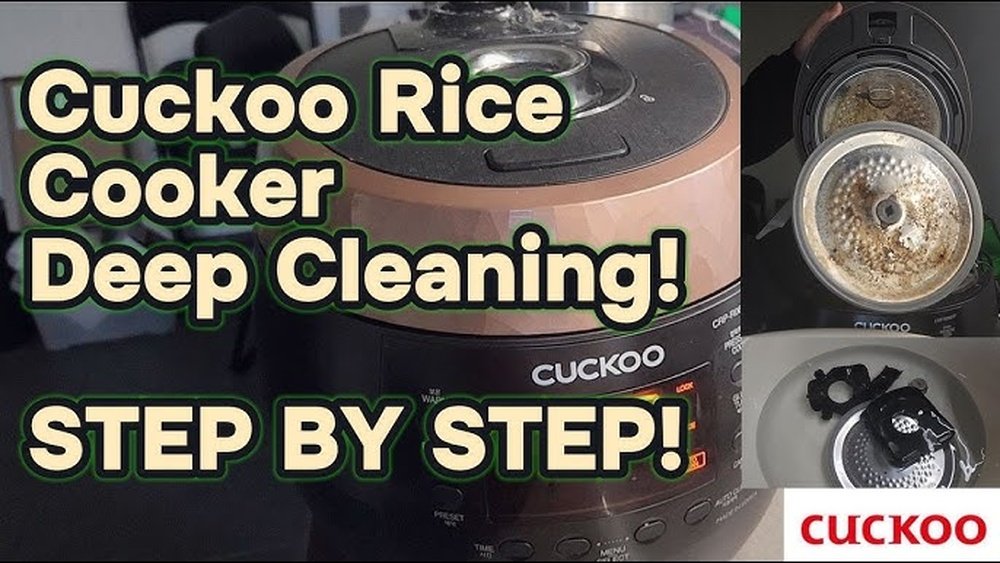
When you use a Cuckoo rice cooker, you quickly notice its convenience and reliability. These Korean-made appliances are famous for making perfect rice, but keeping them clean is just as important. Many people think cleaning a rice cooker is simple, but there are hidden parts and steps that matter for hygiene and the life of your machine. This guide will show you how to clean your Cuckoo rice cooker the right way, so you can enjoy tasty rice for years and avoid common mistakes that can damage your cooker or affect your health.
Why Proper Cleaning Matters
A Cuckoo rice cooker works hard in your kitchen. Each use leaves behind tiny bits of rice, water residue, and starch. If you don’t clean it well, these leftovers build up and can lead to bad smells, bacteria, or even mold. Over time, this buildup can make your rice taste strange and might block important parts of the cooker, like the steam vent. In the worst cases, it might even break your rice cooker.
Some users don’t realize that a poorly cleaned rice cooker can also be a health risk. Mold or bacteria can grow in hidden corners, especially in humid climates. Regular, careful cleaning is a simple way to keep your food safe and your cooker working like new.
Getting Started: What You Need
Before you begin, gather these items:
- Soft sponge or cloth
- Mild dish soap
- Soft brush or toothbrush
- Dry towel or paper towels
- Wooden or plastic spatula
- White vinegar (optional)
- Cotton swabs
Never use steel wool or harsh chemicals. These can scratch non-stick surfaces and damage delicate parts.
Credit: www.youtube.com
Understanding The Parts Of Your Cuckoo Rice Cooker
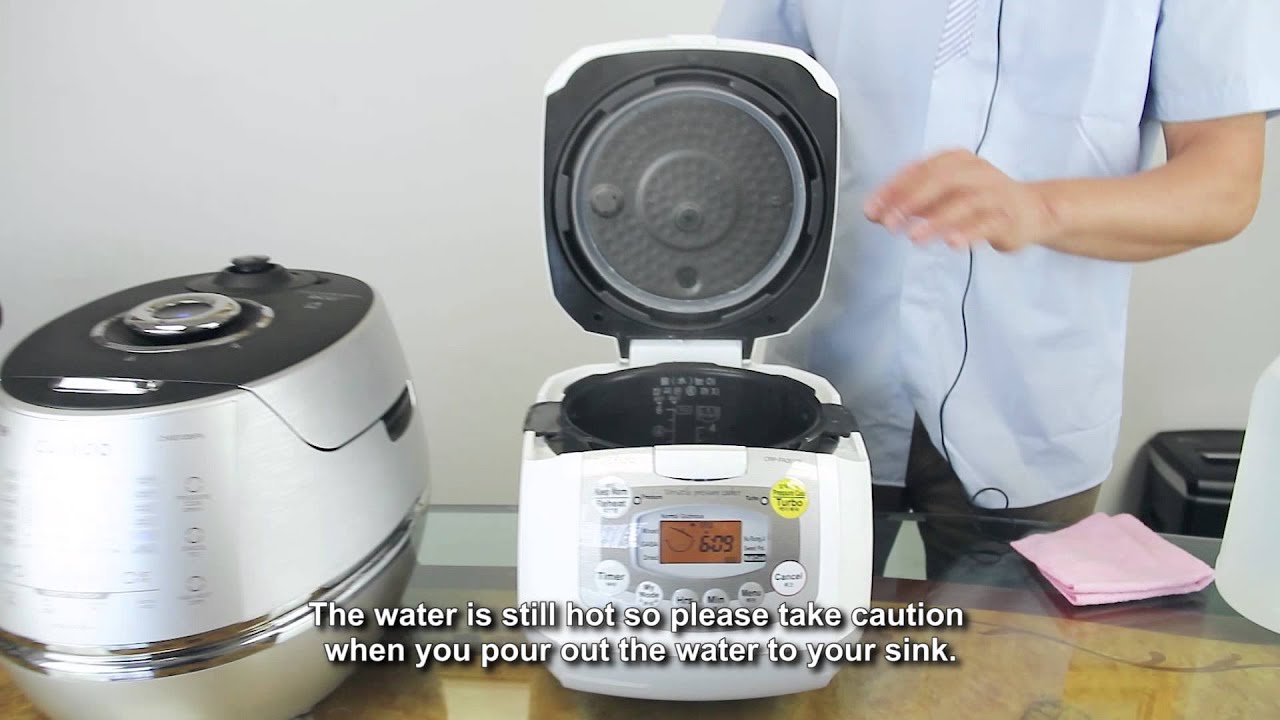
It’s important to know what you’re cleaning. Most Cuckoo rice cookers have these main parts:
- Inner pot (cooking bowl)
- Lid (sometimes detachable)
- Steam vent and cap
- Dew collector (condensation tray)
- Heating plate
- Gasket (rubber or silicone seal)
- Control panel and exterior
Some models have extra features, but these are the key parts to clean every time.
Example: Cuckoo Crp-p1009sb Parts Breakdown
Here’s a quick overview for a popular Cuckoo model:
| Part | Description |
|---|---|
| Inner Pot | Removable, non-stick bowl for cooking rice |
| Lid | Main cover, sometimes detachable for cleaning |
| Steam Vent | Releases steam during cooking |
| Dew Collector | Collects excess water and condensation |
| Heating Plate | Heats the inner pot |
| Gasket | Rubber seal to keep steam inside |
Step-by-step: How To Clean Your Cuckoo Rice Cooker
1. Unplug And Cool Down
Always unplug your rice cooker before cleaning. Let it cool completely. Cleaning a hot cooker can cause burns and damage non-stick surfaces.
2. Remove The Inner Pot
Lift out the inner pot gently. Use a plastic spatula if rice is stuck, never metal. Wash the inner pot with warm water, a soft sponge, and mild soap. Avoid harsh scrubbing so the non-stick coating stays smooth.
If there’s stubborn rice stuck to the bottom, fill the pot with warm water and let it soak for 10–15 minutes. Most rice will come off easily after soaking.
3. Wash The Lid
If the lid is detachable, remove it. Wash it with a soft sponge and soap. Many Cuckoo cookers have a gasket attached to the lid. Remove the gasket (if possible) and clean it gently. Rinse and let all parts dry completely before putting them back.
If the lid is not removable, wipe it carefully with a damp cloth. Use a brush or toothbrush to clean around the edges and the gasket.
4. Clean The Steam Vent
The steam vent is often overlooked, but it collects rice starch and water. Remove the vent cap if possible. Wash it under running water and scrub gently with a brush. Dry it well before reattaching.
Leaving the steam vent dirty can block steam, causing pressure problems or even leaks.
5. Empty And Clean The Dew Collector
Many Cuckoo models have a dew collector or condensation tray at the back or side. Pull it out, empty any water, and wash it with soap and water. Dry fully before putting it back.
6. Wipe The Heating Plate
Inside the cooker body is a flat, round heating plate. Food or water can sometimes spill here. Use a damp cloth to wipe it clean. Never use a lot of water, as this can damage the electrical parts. For hard spots, use a damp cloth and gentle pressure. Make sure it is dry before use.
7. Clean The Exterior And Control Panel
Wipe the outside of the rice cooker, including the control panel, with a damp cloth. Dry with a towel. Never let water drip into buttons or screens.
8. Reassemble And Dry
After cleaning, leave all parts to air dry for at least 30 minutes. This prevents mold and keeps the cooker safe. Reassemble the rice cooker only when all parts are fully dry.
9. Deep Cleaning (weekly Or Monthly)
Once a week, or after heavy use, do a deep clean:
- Soak the inner pot in a mix of water and a splash of white vinegar for 10 minutes to remove smells.
- Clean the gasket and steam vent more carefully.
- Check for any rice or residue in the lid or around the hinges.
If you use the cooker daily, a deep clean every week keeps flavors fresh and prevents buildup.

Credit: cuckooamerica.com
How To Clean The Inner Pot Without Damaging It
The inner pot is the heart of your rice cooker. Most Cuckoo pots have a non-stick coating, which needs gentle care.
- Use only soft sponges, never metal.
- Don’t soak for too long (no more than 30 minutes).
- Don’t use strong chemicals or bleach.
- Dry fully before storing to avoid rust on the edges.
If the non-stick coating is scratched or peeling, it’s best to replace the pot. Damaged coatings can mix with your food and affect health.
Special Attention: Gasket And Steam Cap
The gasket is a round rubber or silicone ring that seals the cooker. It collects food odors and can grow mold if ignored.
- Remove and wash the gasket after every few uses.
- Scrub gently with a brush and soap.
- Dry completely before putting it back.
The steam cap (on top of some models) also needs regular cleaning. Remove, wash, and dry it often. If rice overflows, clean it right away to avoid sticky buildup.
Cleaning A Cuckoo Rice Cooker With Smart Functions
Some Cuckoo rice cookers have a self-cleaning (steam clean) button. This feature uses hot steam to loosen stuck food and kill germs.
- Add some water to the inner pot.
- Press the auto clean or steam clean button.
- Let the cooker finish the cycle (usually 10–15 minutes).
- Afterward, wipe away loosened residue from the lid and inner pot.
Remember, the self-clean cycle does not replace manual cleaning. You still need to wash parts by hand regularly.
Common Mistakes To Avoid
Even careful users make mistakes when cleaning their rice cookers. Here are some to watch for:
- Using abrasive scrubbers: These scratch the non-stick surface and shorten the life of your inner pot.
- Forgetting the dew collector: Water left here can go moldy and smell bad.
- Not cleaning the steam vent: Blocked vents can cause pressure problems.
- Letting parts stay wet: Damp gaskets and lids lead to mold growth.
- Using harsh chemicals: These can damage delicate parts or leave a taste in your food.
How Often Should You Clean Your Cuckoo Rice Cooker?
- After every use: Clean the inner pot, lid, and spatula.
- Weekly: Clean the gasket, steam vent, and dew collector.
- Monthly: Deep clean all parts, including the heating plate and the exterior.
If you cook sticky or flavored rice, you may need to clean more often to remove smells and stains.
Troubleshooting: Dealing With Odors, Stains, And Stuck Residue
Odors
If your rice cooker smells bad, mix 1 cup of water with 1 tablespoon of white vinegar in the inner pot. Run a cooking or steam cycle. Let it cool, then wash as usual.
Stains
For yellow or brown stains, use a baking soda paste (mix baking soda with a little water). Spread it on the stains and let it sit for 10 minutes, then scrub gently.
Stuck Residue
Never use a knife or metal tool to scrape the pot. Soak with warm water, and use a plastic spatula to lift residue if needed.
When To Replace Parts
Over time, some parts of your rice cooker may wear out:
- If the gasket is cracked or smells even after washing, replace it.
- If the steam vent or cap breaks, order a new one.
- If the inner pot is scratched, get a replacement.
Check your model number and order genuine parts from the Cuckoo website or trusted sellers. This keeps your rice cooker safe and working well.
Comparison: Cuckoo Rice Cooker Vs. Other Brands Cleaning
Cuckoo cookers are famous for their build quality and smart features, but how do they compare to other brands when it comes to cleaning?
| Brand | Removable Lid | Self-Cleaning Feature | Non-Stick Pot Quality |
|---|---|---|---|
| Cuckoo | Often Yes | Yes (on many models) | High |
| Zojirushi | Sometimes | No | High |
| Tiger | No | No | Medium |
| Panasonic | No | No | Medium |
Cuckoo stands out for easy-to-remove lids and the auto-clean function. This makes cleaning simpler, especially if you use your cooker often.
Extra Tips For A Spotless Rice Cooker
- Always dry all parts before storing. Moisture is the enemy of clean rice cookers.
- Store with the lid open a little, so air can circulate and prevent smells.
- If you cook porridge or soups, clean the steam vent and lid immediately after use. These foods leave more residue.
- Use only Cuckoo-approved replacement parts to avoid leaks or poor fitting.
The Hidden Spots: Where People Forget To Clean
Many users skip these areas:
- Under the lid hinge: Food can get stuck here. Use a cotton swab to clean.
- Inside the steam vent tube: Run a damp cotton swab through the tube to clear any blockage.
- Around the gasket groove: Clean this area with a toothbrush, especially if you see black dots (mold).
Neglecting these places can cause smells or even machine errors.
How Cleanliness Affects Rice Taste And Texture
A clean rice cooker makes a real difference. Leftover rice, oils, or smells can change the taste of your new batch. Some users notice their rice comes out sticky or mushy if the cooker isn’t clean. This is because old starch and water buildup change how heat and steam move inside.
Regular cleaning means each batch of rice cooks evenly, with the right taste and texture.
Safe Storage After Cleaning
Once everything is clean and dry:
- Store your rice cooker in a cool, dry place.
- Leave the lid slightly open to prevent smells.
- Keep the power cord neatly wrapped.
If you won’t use the cooker for a while, check all parts before using it again. Sometimes, gaskets or vents need a quick rinse after long storage.
How To Clean Cuckoo Rice Cooker Accessories
Don’t forget the extras:
- Rice paddle/spatula: Wash with soap and water after each use. Dry well.
- Measuring cup: Rinse and dry.
- Steamer basket (if your model has one): Wash, rinse, and dry.
These small items touch your food and can collect bacteria if ignored.
What To Do If You Spill Water Inside The Cooker Base
If water spills inside the main unit (below the inner pot):
- Unplug the cooker right away.
- Wipe up as much water as possible with a dry cloth.
- Leave the cooker open and upside down for several hours to dry.
- Do not use until completely dry.
If you smell burning or see error messages after a spill, contact Cuckoo service for help.

Credit: cookerswar.com
Comparing Manual Cleaning Vs. Steam Clean Function
Some people rely on the auto-clean function and skip hand cleaning, but is that enough?
| Cleaning Method | Removes All Residue | Kills Germs | Effort Needed |
|---|---|---|---|
| Manual Cleaning | Yes | Yes (if using hot water) | Medium |
| Steam Clean Function | Loosens most | Yes | Low |
A mix of both methods gives the best result. Use the steam clean every few uses, but always follow up with a manual wash for a truly clean cooker.
Cleaning For Allergy Or Sensitive Users
If someone in your home has allergies or is sensitive to smells, clean your rice cooker more often. Rice residue can trap pollen, dust, or scents from strong-flavored foods. Weekly deep cleaning and drying with a towel help keep the cooker safe.
For extra safety, use fragrance-free soap and rinse thoroughly.
Understanding Cuckoo’s User Manual Recommendations
Many users skip the manual, but Cuckoo gives some important advice:
- Only use soft materials for cleaning.
- Never submerge the main body in water.
- Clean the steam vent and dew collector regularly.
- Replace worn parts with original replacements.
You can find more details on the official Cuckoo support page.
Non-obvious Cleaning Insights
Here are two tips many beginners miss:
- Heat the inner pot with a little water (without rice) before cleaning. This softens stuck rice and makes it easier to clean, saving time and effort.
- Check the cooker’s base for rice grains that fall under the pot. Even a few grains can burn and cause smells during your next use, so always look before reassembling.
Frequently Asked Questions
How Often Should I Use The Auto-clean Function?
For best results, use the auto-clean function once a week if you use your rice cooker daily. It’s also a good idea after cooking sticky rice or porridge, as these foods leave more residue. But don’t skip manual cleaning—auto-clean helps, but it doesn’t replace washing the inner pot and lid by hand.
Can I Put Cuckoo Rice Cooker Parts In The Dishwasher?
Most Cuckoo inner pots and lids are not dishwasher safe, especially if they have a non-stick coating or rubber gasket. The heat and harsh soap can damage them. Always wash by hand with a soft sponge to keep parts in good shape.
What Should I Do If My Rice Cooker Smells Bad Even After Cleaning?
Try cleaning with a mix of water and white vinegar. Run a short cooking or steam cycle with this mix, then wash and rinse all parts. Also, check the steam vent, gasket, and dew collector for hidden residue. Persistent smells may mean it’s time to replace the gasket.
Is It Safe To Use Baking Soda For Cleaning?
Yes, a baking soda paste (mix with water) is safe for most parts, especially for tough stains. Don’t use too much, and always rinse well. Never use abrasive powders or scrubbers on the non-stick inner pot.
Where Can I Buy Replacement Parts For My Cuckoo Rice Cooker?
Order replacement parts (like inner pots, gaskets, or steam caps) from the official Cuckoo website or trusted sellers. Avoid unbranded parts—they may not fit well and can leak or damage your cooker.
Taking care of your Cuckoo rice cooker keeps it running smoothly and gives you delicious rice every time. With these tips and routines, you’ll avoid common problems and enjoy your cooker for years to come.