
Quinoa is more than just a trend—it’s a pantry staple for many health-conscious cooks and families worldwide. With its nutty flavor, high protein, and gluten-free benefits, quinoa has found its way into salads, bowls, soups, and even breakfast recipes. But if you’ve ever found an old bag in your cupboard and wondered, “Is this still good?” you’re not alone. Knowing how to store quinoa correctly makes a big difference for flavor, safety, and waste.
Storing quinoa seems simple, but there are different types—raw, cooked, and even sprouted. Each needs its own approach. Plus, quinoa can go bad if you don’t pay attention to moisture, air, and temperature. This guide shows you practical, step-by-step ways to keep quinoa fresh for months, sometimes even years.
You’ll learn what containers work best, the dangers of common mistakes, and a few clever tips even regular cooks often miss.
Why Proper Quinoa Storage Matters
Some people buy quinoa in bulk to save money or reduce shopping trips. Others cook extra portions to meal-prep for the week. In both cases, poor storage can spoil your plans. Quinoa, especially when cooked, is vulnerable to moisture, air, and contaminants.
These cause mold, off smells, or even pests like pantry moths.
Losing quinoa to spoilage means wasted money, wasted time, and sometimes unpleasant surprises in your kitchen. Proper storage also preserves nutrients, texture, and taste. If you want every bite to be as good as the first, storage isn’t something to overlook.
Understanding Quinoa Types
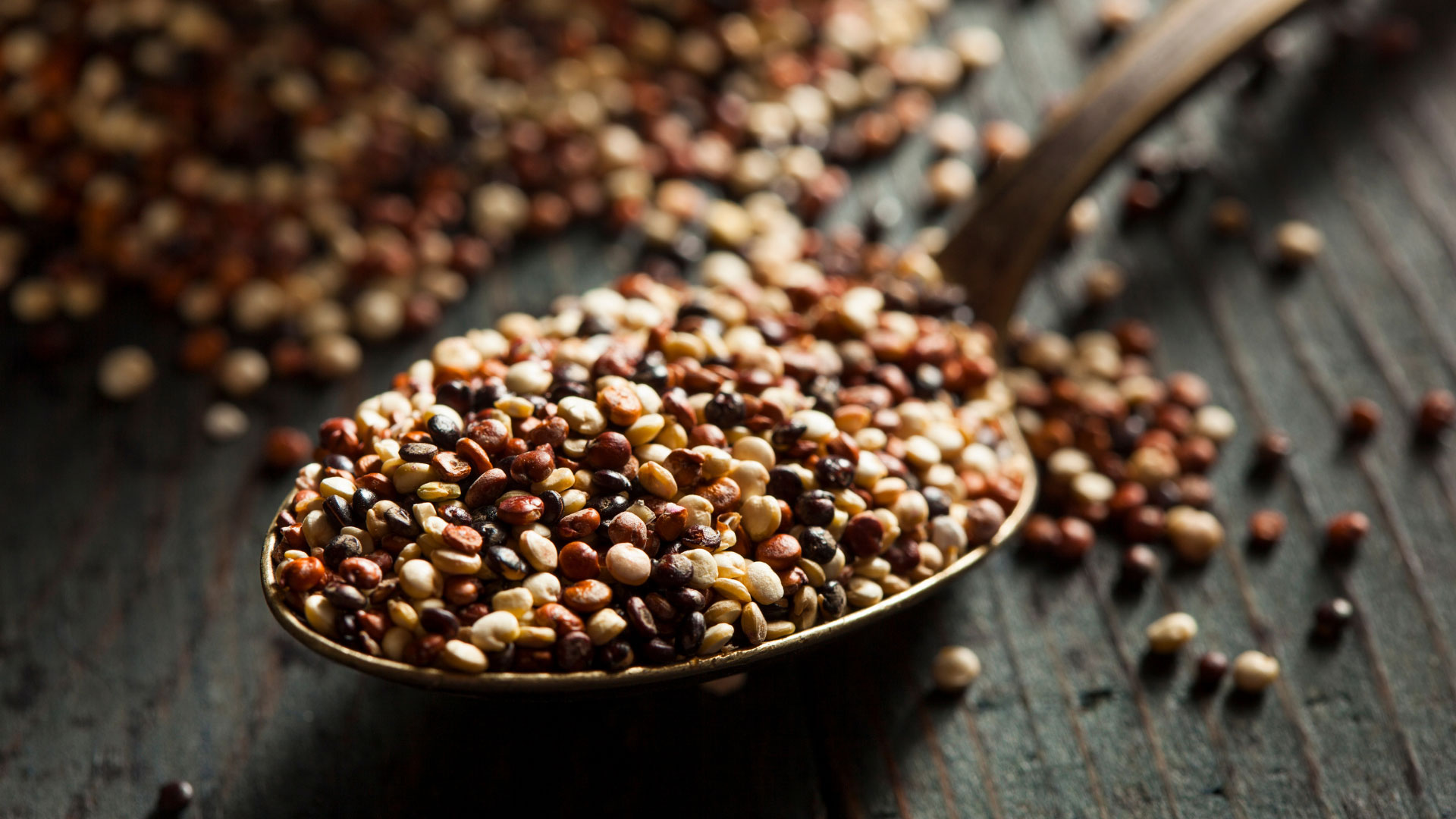
Before choosing the right storage method, it’s important to know the differences between raw, cooked, and sprouted quinoa.
- Raw quinoa: The dry, uncooked seeds you buy in bags or bulk bins.
- Cooked quinoa: Seeds that have been boiled or steamed.
- Sprouted quinoa: Seeds that have been soaked and allowed to start sprouting—used in salads and sandwiches.
Each type has a different shelf life and needs different handling. Storing them the same way can lead to food safety problems.
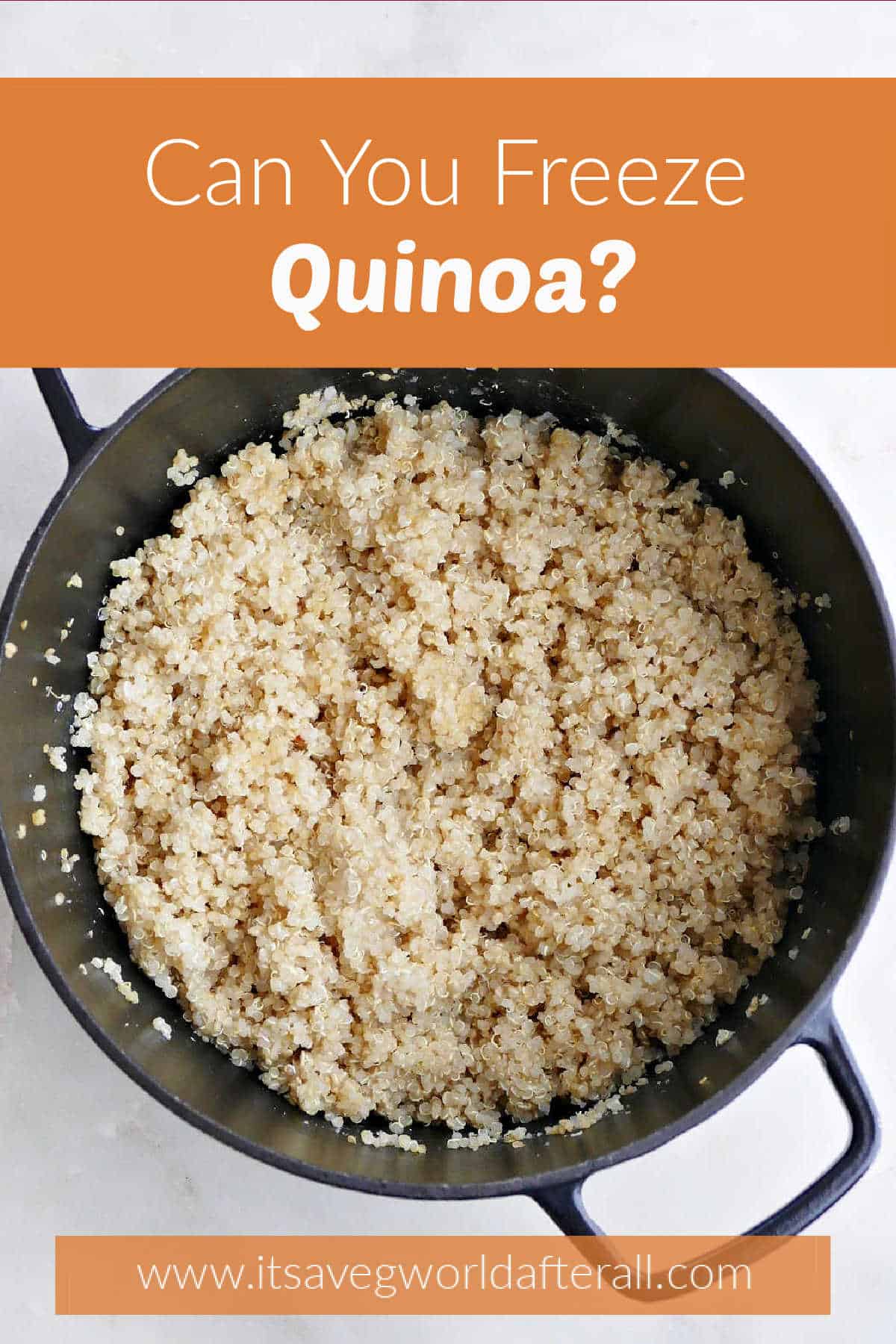
Credit: itsavegworldafterall.com
How To Store Raw Quinoa
Raw quinoa is the most common way people buy and keep it. It’s usually sold in sealed bags or boxes. Once you open the package, exposure to air and humidity can quickly reduce its shelf life.
Best Containers For Raw Quinoa
The type of container you use is crucial. Here are your top choices:
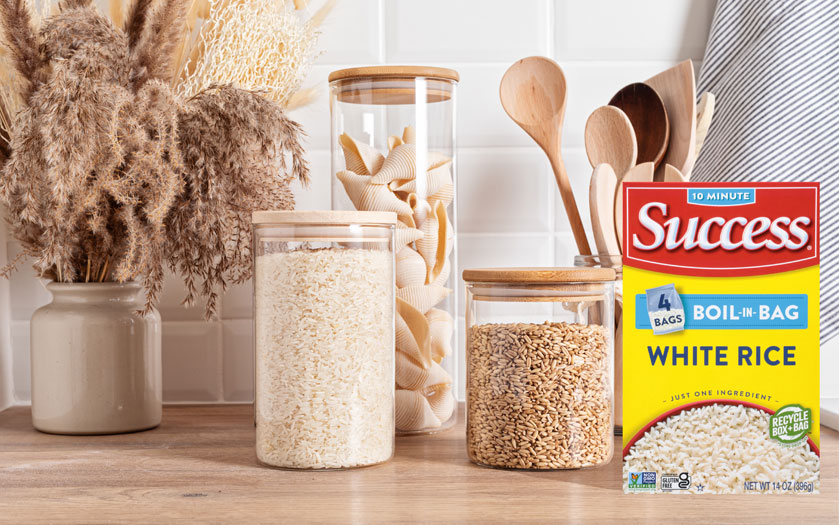
- Airtight containers: Glass jars with rubber seals, BPA-free plastic containers, or metal tins with tight-fitting lids.
- Vacuum-sealed bags: For long-term storage, removing air almost completely.
- Original packaging (if resealable): Acceptable for short-term use only.
Never use thin plastic bags, as they are easy for pests to chew through and don’t keep out air or moisture.
Storing In The Pantry
Your pantry is a good place for raw quinoa, as long as it stays cool, dark, and dry. Direct sunlight or warm temperatures speed up spoilage. The ideal temperature is below 75°F (24°C).
Steps:
- Transfer quinoa to your chosen airtight container.
- Label with the purchase date.
- Place on a shelf away from heat sources (like ovens or dishwashers).
- Keep it off the floor to avoid pests.
Storing In The Freezer
Few people think of freezing raw quinoa, but it’s a smart way to extend shelf life—especially if you buy in bulk. Freezing also kills any tiny insect eggs that might be present.
How to freeze raw quinoa:
- Divide quinoa into meal-size portions.
- Place in freezer-safe airtight containers or heavy-duty freezer bags.
- Label with the date.
- Store for up to 2-3 years.
When ready to use, let quinoa come to room temperature before opening the container. This prevents condensation from making the grains damp.
Shelf Life Of Raw Quinoa
Here’s a quick comparison of raw quinoa shelf life based on storage method:
| Storage Location | Shelf Life | Notes |
|---|---|---|
| Pantry (airtight) | 6-12 months | Cool, dark, dry place |
| Refrigerator | 1-2 years | Low humidity |
| Freezer | 2-3 years | Best for bulk storage |
Non-obvious tip: Always check for bulk bin freshness before buying. Sometimes, older grains from the store won’t last as long at home, even with perfect storage.
How To Store Cooked Quinoa
Once quinoa is cooked, it becomes much more delicate. Moisture is now present, which means bacteria and mold can grow quickly if you’re not careful.
Cooling Cooked Quinoa Safely
Don’t put hot quinoa straight in the fridge. Let it cool to room temperature first, but don’t leave it out for more than 2 hours to avoid foodborne illness. Spread quinoa on a baking sheet for faster cooling.
Best Containers For Cooked Quinoa
Use shallow, airtight containers made of glass or BPA-free plastic. Shallow containers help cool quinoa faster and keep it from clumping.
- Portion ahead: Store in meal-size containers so you only open what you need.
- Label containers: Write the cook date on each one.
Refrigerating Cooked Quinoa
The refrigerator is the main way to store cooked quinoa for everyday use.
Steps:
- Cool quinoa to room temperature within 2 hours of cooking.
- Transfer to airtight containers, filling them as much as possible to reduce air space.
- Label with the date.
- Store in the coldest part of the fridge (not the door).
Cooked quinoa will last for 5-7 days when stored this way. If it smells sour or has visible mold, discard it.
Freezing Cooked Quinoa
Freezing is an excellent option for meal prep or avoiding food waste. The texture may change slightly, but it stays tasty and safe.
How to freeze cooked quinoa:
- Cool quinoa completely.
- Place in freezer-safe, airtight containers or bags.
- Flatten bags for faster thawing.
- Label with the date and portion size.
- Store for up to 8 months.
To use, thaw in the fridge overnight or reheat from frozen in the microwave.
Cooked Quinoa Storage Comparison
This table shows how long cooked quinoa lasts depending on storage:
| Storage Method | Maximum Storage Time | Notes |
|---|---|---|
| Refrigerator | 5-7 days | Store in airtight, shallow containers |
| Freezer | 8 months | Texture may soften |
Insight: Freezing single-serve portions prevents waste and makes quick meals easier.
How To Store Sprouted Quinoa
Sprouted quinoa is more perishable than raw or cooked forms. The sprouting process introduces moisture and increases the risk of mold and bacteria.
Storing Sprouted Quinoa In The Fridge
Sprouted quinoa must be kept cold.
Steps:
- Drain sprouts thoroughly to remove excess water.
- Spread them on a clean towel to dry for 30-60 minutes.
- Place in a clean, airtight container lined with a paper towel (to absorb moisture).
- Store in the refrigerator.
Sprouted quinoa lasts 2-3 days in the fridge. Check for any musty smell or slimy texture before eating.
Freezing Sprouted Quinoa
Freezing is not ideal because it damages the delicate sprouts. If you must freeze, expect changes in texture.
Tip: Only sprout what you can eat in a few days to avoid waste.
Choosing The Right Storage Containers
Not all containers are equal. Here’s what matters most:
- Airtight seal: Keeps out moisture and pests.
- Food-safe materials: Glass, BPA-free plastic, or stainless steel.
- Opaque or dark-colored: Protects from light, which can reduce shelf life.
- Right size: Full containers have less air inside, reducing oxidation.
Comparison Of Common Container Types
| Container Type | Pros | Cons |
|---|---|---|
| Glass jars (Mason jars) | Non-reactive, airtight, reusable | Breakable, heavier |
| BPA-free plastic containers | Lightweight, shatterproof | May stain, not always airtight |
| Vacuum-sealed bags | Excellent for long-term, saves space | Requires special equipment |
| Metal tins | Blocks light, durable | May not be airtight unless sealed well |
Non-obvious insight: Always wash and dry containers thoroughly before refilling. Even tiny bits of old food can spoil a whole batch of quinoa.
Signs Your Quinoa Has Gone Bad
Don’t guess—learn to recognize the most common spoilage signs:
- Off smell: Fresh quinoa is almost odorless. Sour, musty, or “off” smells mean spoilage.
- Visible mold: Any fuzzy, green, or black spots are a clear warning.
- Insects or webs: Pantry moths and beetles sometimes infest quinoa. Look for webbing or tiny bugs.
- Change in color: Fresh quinoa is usually pale or light brown. Darkening means oxidation or mold.
- Slimy texture (for cooked or sprouted): Indicates bacteria growth.
If you see or smell any of these, throw the quinoa away—don’t taste it to check.
Mistakes To Avoid When Storing Quinoa
Many people make small storage errors that cause quinoa to spoil early. Here’s what to watch for:
- Leaving quinoa in thin plastic bags: These don’t keep out air, moisture, or pests.
- Storing in warm places: Above the stove, near windows, or in a garage.
- Not labeling containers: You’ll forget how old your quinoa is.
- Overfilling containers: Causes grains to spill out and attract pests.
- Ignoring expiration dates: Especially with bulk purchases.
Pro tip: Quinoa lasts longer if you divide large bags into smaller airtight containers right away.
Tips For Bulk Quinoa Storage
Buying in bulk can save money, but only if you store it right. Here’s how to handle large amounts:
- Divide immediately: Opened bags are vulnerable to air and bugs.
- Use food-grade buckets or bins: With gasket-sealed lids.
- Add oxygen absorbers: For long-term storage (1+ years), these keep grains dry and fresh.
- Rotate stock: Use the oldest first (“first in, first out”).
- Check every few months: Look for signs of spoilage or pests.
Bulk storage insight: If you live in a humid area, silica gel packets can help absorb extra moisture.
Storing Quinoa-based Products
Quinoa is found in more than just raw or cooked form. There are quinoa flours, cereals, snacks, and pasta. Each has its own storage needs.
- Quinoa flour: Store in airtight containers in the fridge or freezer to prevent rancidity.
- Quinoa pasta: Keep in the original package in the pantry. Once opened, move to an airtight container.
- Quinoa snacks (bars, puffs): Store unopened in a cool, dry place. After opening, use an airtight jar.
Always check package instructions for specific advice.
How Humidity And Temperature Affect Quinoa
Humidity is the enemy of dry grains. Even a little moisture can cause mold or sprouting. High temperatures also speed up food spoilage.
- Ideal humidity: Below 60%
- Ideal storage temperature: 50-70°F (10-21°C)
If you live in a humid climate, refrigeration or freezing is a safer choice for long-term storage.
Not-so-obvious advice: Even brief exposure to damp air (like after cooking or during a humid summer) can shorten quinoa’s shelf life. Reseal containers quickly.
Can You Store Quinoa In The Refrigerator?
Yes, but with care. Refrigeration slows spoilage, but it can also introduce moisture from condensation. Always use airtight containers, and don’t open the fridge door more than necessary.
- Raw quinoa: Fridge storage can double shelf life compared to the pantry.
- Cooked quinoa: The fridge is best for short-term use, but always keep it airtight.
Is Freezing Quinoa Always A Good Idea?
Freezing is safe for both raw and cooked quinoa, but texture can change, especially for cooked versions. Raw quinoa freezes best if very dry. Cooked quinoa may become softer after thawing, which is fine for soups or casseroles but less ideal for salads.
Expert tip: Freeze cooked quinoa in single-serve portions for easy meal prep.
How To Store Quinoa For Emergency Preparedness
If you’re storing quinoa as part of an emergency food supply, take extra steps for safety and shelf life:
- Use mylar bags with oxygen absorbers inside food-grade buckets.
- Store in a cool, dark, dry place.
- Keep away from chemicals or cleaning supplies to avoid odors.
Properly packed, quinoa can last 8-10 years for emergency use.
Storing Quinoa While Traveling Or Camping
If you need to store quinoa for a trip or outdoor adventure:
- Use resealable, heavy-duty plastic bags.
- Keep bags in a dry, cool part of your backpack.
- Bring only as much as you’ll use—cooked quinoa spoils fast without refrigeration.
How To Store Quinoa After Opening The Package
After opening, immediately transfer quinoa to an airtight container. The original bag is rarely airtight enough for more than a week or two. Always keep the container in a dry, cool place, and label with the date opened.
Storing Different Quinoa Colors
Quinoa comes in white, red, black, and tricolor varieties. Storage is the same for all, but:
- Red and black quinoa are sometimes a bit firmer and may last slightly longer.
- White quinoa is most common and needs careful storage to avoid flavor changes.
Mixes should be stored like single varieties.
Is Rinsing Quinoa Before Storage A Good Idea?
No. Rinsing before storage adds moisture, which can cause spoilage. Always rinse quinoa just before cooking, not before storing it.
Credit: lovefoodhatewaste.ca
Best Practices For Long-term Quinoa Storage
To maximize shelf life and quality, follow these best practices:
- Store in airtight, food-safe containers.
- Keep in a cool, dry, dark place.
- Label with purchase or cook date.
- Divide large batches into smaller containers.
- Check containers regularly for signs of spoilage.
The Role Of Oxygen Absorbers In Quinoa Storage
Oxygen absorbers are small packets that remove oxygen from sealed containers. Used with mylar bags or buckets, they help keep quinoa dry and insect-free for years. They’re most useful for long-term or emergency storage, not everyday kitchen use.
Note: Don’t eat the absorber packet—it’s not food!
How To Revive Stale Quinoa
If your raw quinoa smells a little “flat” but isn’t spoiled, you can toast it in a dry skillet for a few minutes. This brings back a nutty aroma and better flavor. Do this only if there’s no sign of mold, bugs, or rancid smell.
Environmental Considerations
Storing quinoa in glass or metal containers is more eco-friendly than single-use plastic bags. Reusing containers also saves money and reduces waste.
If you buy in bulk, bring your own containers to the store when possible.
Credit: successrice.com
Frequently Asked Questions
How Can I Tell If Quinoa Is Still Safe To Eat?
Check for off smells, visible mold, bugs, or any change in color or texture. If in doubt, throw it out. Eating spoiled quinoa can cause food poisoning.
Is It Safe To Store Quinoa In The Freezer Long-term?
Yes. Freezing extends the shelf life of both raw and cooked quinoa. Use airtight, freezer-safe containers and label with the date. For the best texture, use within 2-3 years (raw) or 8 months (cooked).
Can I Store Quinoa In The Original Packaging?
Only for short periods. Most packaging is not airtight enough for long-term storage. Transfer to airtight containers for the best results.
What Is The Best Container For Storing Quinoa?
Glass jars with rubber seals, BPA-free plastic containers, or vacuum-sealed bags are best. They keep out moisture, air, and pests. Choose the size that fits your storage space and use habits.
How Should I Store Quinoa Flour Or Other Quinoa-based Products?
Quinoa flour should be kept in the fridge or freezer in an airtight container to prevent rancidity. Other quinoa products, like pasta or snacks, should be stored in cool, dry places, and resealed after opening.
For further details about quinoa and its storage, you can visit the Wikipedia quinoa page.
Storing quinoa well is not just a kitchen skill—it’s a way to protect your food, money, and health. With these tips, you can enjoy fresh, tasty quinoa any time, whether you’re cooking for one or feeding a crowd. Start organizing your pantry today, and make every grain count.