
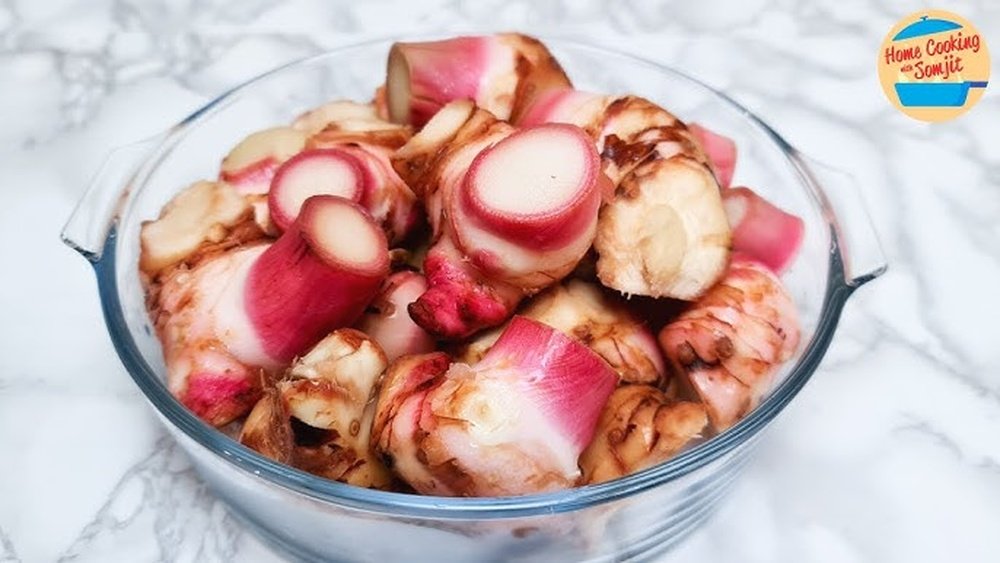
Galangal is a unique root that brings strong flavor and aroma to Asian dishes. With its bright, peppery, citrus-like notes, galangal is often compared to ginger but is sharper and more complex. If you cook Thai, Indonesian, or Malaysian food, you may already know the power of galangal in soups, curries, and stir-fries.
But like many fresh roots, galangal can be hard to find and expensive. If you buy it in bulk or want to make it last, learning how to store galangal properly is crucial. The wrong storage can mean dry, woody, or moldy roots that lose their punch quickly.
This guide will help you store galangal in the best way possible—whether you have it fresh, dried, or ground. You’ll learn how to keep galangal flavorful for weeks or months, avoid common mistakes, and even save money by reducing waste.
Along the way, you’ll pick up tips that most beginners miss, such as how to prep galangal before storage and which methods keep both flavor and texture. By the end, you’ll be ready to use galangal whenever your recipe calls for it, without a last-minute trip to the store.
Understanding Galangal: What Makes It Special
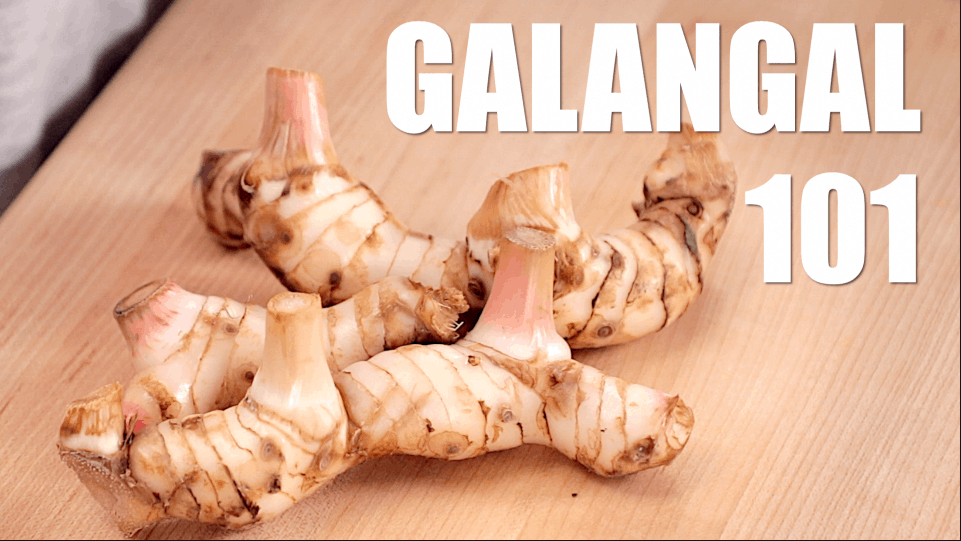
Galangal is not just another ginger. It comes from the rhizome family, closely related to ginger and turmeric, but with its own unique taste. There are several types, but the most common is Greater galangal (Alpinia galanga), used widely in Thai and Indonesian cuisine. Lesser galangal and Chinese ginger are other varieties but are less common outside Asia.
What sets galangal apart is its hard, woody texture and complex aroma. The root can be difficult to cut, which matters for storage—if you store galangal the wrong way, it can dry out or become tough. Galangal has natural oils and compounds (like galangin and eugenol) that give it both its spicy flavor and medicinal qualities.
These oils can evaporate or break down if galangal is left exposed to air, heat, or moisture.
Fresh galangal is usually sold in chunks or whole pieces, sometimes with the skin on. Dried galangal comes sliced or as powder. Each form needs different storage strategies to keep it at peak quality.
Why Proper Storage Matters
Storing galangal the right way keeps its flavor, texture, and aroma at their best. If you leave it on the counter, galangal quickly dries out, losing its spicy bite. If it gets too much moisture, it can mold or rot. Incorrect storage can also mean wasted money, especially if you buy galangal in larger quantities.
Good storage can extend the life of fresh galangal from a few days to several weeks, and dried galangal for a year or more. Proper storage also means you always have high-quality galangal ready for your next soup or curry.
How To Store Fresh Galangal
Fresh galangal is prized for its sharp, clean flavor. But it is also the most perishable form. Here are proven ways to store fresh galangal, whether you’ve bought a large piece or just have leftovers.
Storing Galangal At Room Temperature
If you plan to use galangal within a day or two, you can keep it at room temperature. Place the unwashed root in a cool, dry spot away from sunlight. Do not wrap it in plastic or seal it tightly, as trapped moisture encourages mold.
Instead, let the air circulate around it.
This method is best for short-term storage. After two days, galangal will begin to shrivel and lose flavor.
Refrigerating Galangal
Refrigeration is the most common way to keep galangal fresh for longer. Here’s how to do it right:
- Clean the root: Wipe off any dirt with a dry cloth, but do not wash with water before storage. Moisture can cause rot.
- Wrap in paper towel: Wrap the root loosely in a paper towel. This absorbs extra moisture and prevents mold.
- Place in a plastic bag: Put the wrapped root in a zip-top bag, but don’t seal it fully. Leave a small gap for air to escape.
- Store in the vegetable drawer: The crisper drawer is ideal, as it maintains steady humidity.
Stored this way, fresh galangal can last 2–3 weeks. Check it every few days for soft spots or mold and remove any bad sections immediately.
Freezing Galangal
Freezing is the best method for long-term storage. It keeps galangal’s flavor and allows you to use it as needed.
Steps for freezing:
- Wash and dry: Wash the root thoroughly and dry completely.
- Peel (optional): You can peel galangal before freezing, but it’s not required.
- Slice or chop: Cut into thin slices or chunks. Slicing before freezing makes it easier to use later, as frozen galangal can be tough to cut.
- Single layer freeze: AmazonSpread slices on a baking tray in a single layer and freeze until solid (2–3 hours).
- Transfer to airtight container: Move frozen pieces to a freezer bag or airtight box. Label with the date.
Frozen galangal keeps for up to 6 months. Use it straight from the freezer; no need to thaw before adding to hot dishes.
Storing Galangal In Alcohol Or Vinegar
For even longer shelf life, you can preserve galangal in alcohol or vinegar. This method works well if you use galangal in small amounts, such as for cocktails or pickles.
- Alcohol preservation: Place peeled, sliced galangal in a glass jar and cover with vodka or another high-proof alcohol. Seal tightly and store in a cool, dark place. The alcohol extracts flavor and preserves the root for up to a year.
- Vinegar preservation: Use white or rice vinegar. Cover sliced galangal completely and refrigerate. The flavor will infuse into the vinegar, which you can also use in cooking.
This method is less common but keeps both the root and the liquid usable.
Comparison: Room Temperature Vs. Refrigeration Vs. Freezing
Here is a summary comparing the three main methods:
| Method | Storage Time | Flavor Retention | Best For |
|---|---|---|---|
| Room Temperature | 1-2 days | High (very short-term) | Immediate use |
| Refrigeration | 2-3 weeks | Good | Weekly cooking |
| Freezing | Up to 6 months | Very good | Long-term, bulk storage |
How To Store Dried Galangal
Dried galangal is easy to find in Asian grocery stores. It is usually sold as thin slices or chips. Dried galangal lasts much longer than fresh, but only if you store it correctly.
Keeping Dried Galangal Fresh
- Airtight container: Always store dried galangal in a jar or container with a tight lid. Exposure to air can make it lose aroma.
- Cool, dark place: Place the container in a pantry or cupboard, away from heat and sunlight.
- No moisture: Keep it dry. Even a little moisture can cause mold.
With these steps, dried galangal can last up to 1 year. However, it slowly loses strength over time, so use older slices for soups where the flavor can cook out more slowly.
Freezing Dried Galangal
If you live in a humid area, you can freeze dried galangal to prevent moisture and mold. Place it in a zip-top bag, remove as much air as possible, and freeze. The main risk is freezer burn, so make sure the bag is well sealed.
Recognizing Spoiled Dried Galangal
Dried galangal should be hard and aromatic. If it turns soft, smells musty, or shows spots, it is past its best and should be discarded.
Credit: hot-thai-kitchen.com
How To Store Galangal Powder
Ground galangal is a common spice in Indonesian and Malaysian recipes. It is more convenient than whole roots or slices but loses potency faster. Proper storage can keep your powder strong for many months.
Best Practices For Galangal Powder Storage
- Use glass jars: Glass is better than plastic because it doesn’t absorb flavors. A tight lid keeps out air.
- Store away from heat: Keep the jar in a cool cupboard, not above the stove.
- No light: Light breaks down the essential oils. Opaque jars or a dark shelf are best.
- Don’t double dip: Use a dry spoon every time to avoid moisture.
Stored well, galangal powder keeps its flavor for 6–8 months. After that, it starts to fade.
Comparing Fresh, Dried, And Powdered Galangal Storage
Here’s a look at how long each form lasts and the best methods:
| Form | Best Storage | Expected Shelf Life | Notes |
|---|---|---|---|
| Fresh | Refrigerator/Freezer | 2–3 weeks / 6 months | Best flavor, most perishable |
| Dried | Airtight container, cool & dark | 1 year | Rehydrate before use |
| Powdered | Glass jar, cool & dark | 6–8 months | Convenient, loses aroma fastest |
Preparing Galangal For Storage
How you prepare galangal before storage affects how well it keeps.
- Washing: Only wash galangal if you plan to use or freeze it right away. Extra moisture can cause mold if storing in the fridge.
- Peeling: The skin is edible but tough. Peel only if your recipe requires it, or before freezing to save time later.
- Cutting: Slice into smaller pieces for easier use and to speed up freezing.
Tip: For freezing, pre-measure galangal into small bags, so you only defrost what you need.
Common Mistakes When Storing Galangal
Even experienced cooks make errors with galangal. Avoid these common mistakes:
- Storing wet galangal: Moisture is the enemy. Always dry galangal before wrapping and refrigerating or freezing.
- Sealing fresh galangal too tightly: Completely sealing galangal can trap moisture and cause rot.
- Exposing to sunlight: Sunlight breaks down flavor compounds. Store in the dark.
- Using old containers: Spices and roots absorb odors. Clean containers before use.
- Forgetting to label frozen galangal: Always date your freezer bags to avoid guessing later.
Special Tips To Maximize Galangal Shelf Life
Want to get even more from your galangal? Try these advanced tips:
- Vacuum sealing: If you have a vacuum sealer, use it for both fresh and dried galangal. It removes air and slows down spoilage.
- Desiccant packs: For dried galangal, add a small food-safe desiccant pack to the jar to absorb any moisture.
- Infused oils: You can store galangal slices in oil for a few weeks in the fridge. Use the oil for stir-frying or salad dressings.
- Batch prep: Slice a large amount and freeze in recipe-sized portions.
How To Tell If Galangal Has Gone Bad
Knowing when to throw away galangal is just as important as storing it. Bad galangal loses flavor and can ruin a dish.
Signs Of Spoilage In Fresh Galangal
- Soft spots: The root should be firm and heavy. Soft, mushy areas mean rot.
- Mold: White, blue, or green spots are signs of mold growth.
- Dry and shriveled: If it looks dry and woody, it’s past its best.
- Off smell: A sour or musty odor means galangal is bad.
Signs Of Spoilage In Dried Galangal
- Loss of aroma: Old dried galangal smells weak or dusty.
- Soft or flexible: Dried galangal should snap, not bend.
- Visible mold: Any fuzz or spots mean it’s time to toss it.
Signs Of Spoilage In Galangal Powder
- Caking: Hard lumps or clumps mean moisture got in.
- Color fading: Old powder turns pale and loses its punch.
- Weak aroma: If it smells like dust, not spice, it’s lost its power.
How To Use Stored Galangal
Proper storage is only part of the story. Here’s how to get the best results from your stored galangal.
Using Frozen Galangal
- Add frozen slices directly to hot soups, stews, or curries.
- For stir-fries, thaw in the fridge for 10–15 minutes, then slice thinly.
- Frozen galangal can be grated while still frozen.
Using Dried Galangal
- Soak slices in warm water for 20–30 minutes before using.
- Use more dried galangal than fresh, as dried is less strong.
- Dried galangal is best for long-cooked dishes like broths.
Using Galangal Powder
- Add directly to dishes at the start of cooking.
- Use a smaller amount, as powder is concentrated.
- Mix with other spices for spice blends.

Credit: www.youtube.com
Comparing Galangal Storage To Ginger And Turmeric
Many people wonder if galangal should be stored like ginger or turmeric. Here’s a quick comparison:
| Root | Best Storage Method | Max Shelf Life | Special Consideration |
|---|---|---|---|
| Galangal | Freeze or refrigerate | 6 months (frozen) | Very hard, benefits from slicing before freezing |
| Ginger | Refrigerate or freeze | 6 months (frozen) | Softer, easier to grate from frozen |
| Turmeric | Refrigerate, store in sand | 3–4 weeks (fresh) | Stains easily, skin often left on |
Environmental Factors And Their Impact
Where you live affects how you should store galangal. In humid climates, moisture control is critical. Use airtight containers, desiccant packs, and consider freezing dried forms. In dry climates, galangal may shrivel faster, so refrigeration is better.
If your kitchen is hot (above 77°F or 25°C), always store fresh galangal in the fridge or freezer. Heat speeds up spoilage and mold growth.
Buying Galangal For Storage
To store galangal well, you need to start with good quality.
- Choose firm, smooth roots: Avoid any with wrinkles, soft spots, or mold.
- Buy in bulk if you freeze: Buying larger pieces can save money if you freeze in portions.
- Check dried galangal for freshness: It should have a strong, clean aroma.
Tip: If you buy galangal online or from a specialty store, ask when it was harvested or packaged. Fresher is always better for storage.
Practical Examples: How Chefs Store Galangal
Professional kitchens often buy galangal in bulk and need it to last. Here are some real-life methods:
- Thai restaurants: Slice and freeze in small bags, labeled by date and weight.
- Indonesian home cooks: Dry slices in the sun, then store in glass jars with desiccant.
- Modern kitchens: Vacuum seal prepped galangal for weeks of freshness.
These methods can be used at home to save time and keep your galangal ready.
Credit: www2.parklanejewelry.com
Saving Money By Reducing Waste
Galangal can be expensive, especially when imported. Good storage means less waste and more value. Here’s how to make your supply last:
- Freeze leftovers: Don’t toss unused pieces—freeze them for next time.
- Use every part: The peel can flavor stocks and broths.
- Plan recipes: Use galangal in several dishes over a week to avoid spoilage.
Key Insights Most Beginners Miss
- Galangal’s tough texture means it dries out faster than ginger. Always check for hardness and moisture before storing.
- Slicing before freezing is a game-changer. Whole galangal is almost impossible to cut when frozen.
- Dried galangal loses aroma faster than it seems. Smell it before using in delicate dishes.
- Alcohol or vinegar storage isn’t just for show. It’s a professional method that can add depth to your cooking.
Where To Learn More
If you want to dive deeper into galangal’s uses and history, check out the Wikipedia page on Galangal for more scientific and culinary information.
Recommended Tools That You Need
To complete this repair or project safely and effectively, we analyzed the guide steps and selected the highest-rated physical tools and replacement parts available on Amazon.

OAKSWARE Chinese Chef's Knife 7", Vegetable Cleaver & Meat Slicing Knife
To slice the hard, woody galangal root into thin pieces or chunks before storing.

Omesata Tomato Knife, Tomato Slicing Knives Serrated Blade
To slice the hard, woody galangal root into thin pieces or chunks before storing.
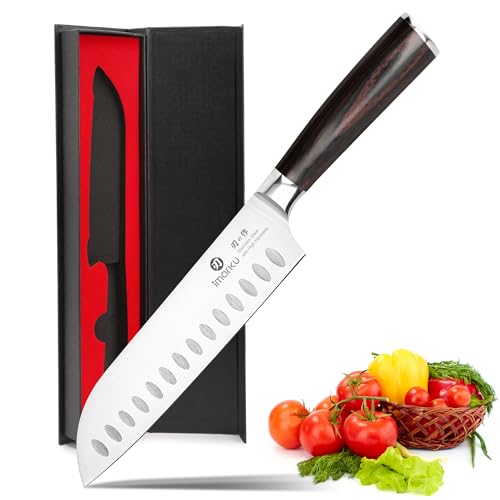
imarku Santoku Knife 7 Inch with Sharp Japanese High Carbon Stainless Steel
To slice the hard, woody galangal root into thin pieces or chunks before storing.

Chef Craft Select Vegetable Knife, 4.5 inch blade 8.5 inches in length 2 piece set, Stainless Steel/Black
To slice the hard, woody galangal root into thin pieces or chunks before storing.

PAUDIN Nakiri Knife - 7" Razor Sharp Meat Cleaver and Vegetable Kitchen Knife, High Carbon Stainless Steel, Multipurpose Asian Chef Knife for Home and Kitchen with Ergonomic Handle
To slice the hard, woody galangal root into thin pieces or chunks before storing.

Cutluxe Santoku Knife, 7" Meat & Vegetable Chopping Knife – Sheath Included
To slice the hard, woody galangal root into thin pieces or chunks before storing.
Frequently Asked Questions
How Long Does Fresh Galangal Last In The Fridge?
Fresh galangal lasts about 2–3 weeks in the refrigerator if wrapped in a paper towel and placed in a partially sealed plastic bag. It’s important to check it every few days for any signs of mold or soft spots.
Can I Substitute Ginger For Galangal If I Run Out?
Ginger is similar but not the same. Galangal is more citrusy and peppery. If you must substitute, use ginger plus a little lime zest or black pepper, but the flavor will be different.
Is It Safe To Freeze Galangal Multiple Times?
It’s best to avoid refreezing galangal. Every time you freeze and thaw, the texture and flavor suffer. Slice and freeze in small portions to use only what you need.
Does Galangal Powder Go Bad?
Yes, galangal powder loses its aroma and flavor after about 6–8 months, even if it doesn’t spoil in the traditional sense. Keep it in an airtight glass jar away from light and heat.
What Is The Best Way To Use Dried Galangal?
Soak dried galangal slices in warm water for 20–30 minutes before adding to soups or stews. Use more than you would fresh, as dried galangal is less strong.
Storing galangal well is a small step that makes a big difference in your kitchen. With these tips, you’ll enjoy rich, aromatic dishes every time—no waste, no last-minute panic, just pure flavor on demand.