
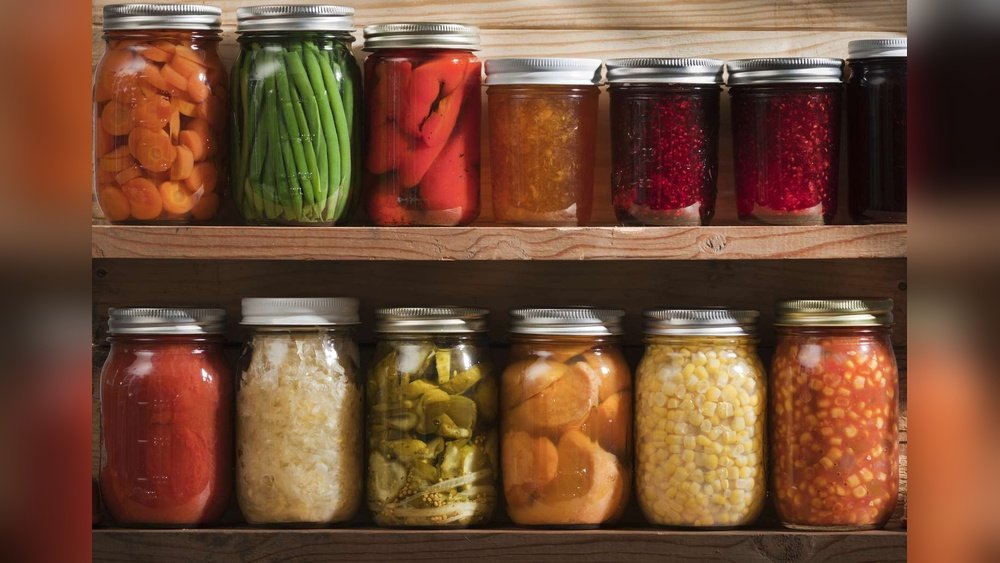
Storing food without a fridge may sound old-fashioned, but it is a useful skill in many situations. Whether you live off-grid, face a long power outage, travel in remote areas, or just want to reduce energy use, knowing how to keep food fresh without modern appliances can save money and prevent waste.
Before electric refrigerators, people around the world used clever methods for centuries to store their food safely. These techniques are still valuable today, and with a bit of knowledge, you can keep most types of food safe and tasty for days or even weeks.
Learning how to store food without a fridge does more than just solve problems when the power goes out. It helps you better understand food safety, avoid chemicals in store-bought processed foods, and connect with traditions from different cultures. Many methods use simple tools and natural processes, like drying, fermenting, or salting.
Some need a bit of planning, but many can be started right in your kitchen with basic supplies. Along the way, you’ll discover that food can taste better, last longer, and keep more nutrients when stored with care.
In this article, you’ll find practical and detailed advice for storing all kinds of food without a refrigerator. You’ll learn why these methods work, what mistakes to avoid, and how to choose the best technique for your needs. We’ll also show you how to combine methods for extra protection and offer tips for keeping your stored food safe from pests, heat, and moisture.
Let’s explore the world of traditional and modern no-fridge food storage together.
Basic Principles Of Food Storage Without A Fridge
Before looking at specific methods, it’s important to understand the key factors that affect food spoilage. Temperature, moisture, light, and air exposure are the main enemies of freshness. If you control these, you can slow down or stop bacteria, mold, and yeast that make food go bad.
- Cool temperatures slow down bacteria growth. Even without a fridge, you can use cellars, caves, or shaded outdoor spots to keep food cool.
- Dryness is key for many foods. Bacteria and mold need moisture to grow, so removing water from food (drying) or keeping it in airtight containers helps a lot.
- Limited oxygen can slow down spoilage. Some methods, like oil-packing or vacuum sealing, create a barrier against air.
- Cleanliness is crucial. Always wash hands, tools, and storage containers well to avoid introducing germs.
- Protect from pests like insects and rodents by using tight lids and checking stored food often.
Now, let’s dive into the main ways you can store different foods without a fridge.
Drying And Dehydration
Drying is one of the oldest and simplest ways to store food. By removing water, you prevent most bacteria, yeast, and molds from growing. You can dry fruits, vegetables, herbs, fish, and meat.
Sun Drying
This method works best in warm, dry climates. Slice food into thin pieces and lay them on clean trays or hang them on strings in direct sunlight. Cover with a thin cloth or net to keep insects away. Turn pieces every few hours for even drying.
Most fruits take 2–4 days; meats and fish may need longer.
Oven Or Dehydrator Drying
If the weather is humid or unpredictable, use an oven set to the lowest temperature (around 140°F/60°C) with the door slightly open, or a food dehydrator. Spread food in a single layer and dry until pieces are leathery or crisp.
Storage
Store fully dried food in airtight containers or glass jars in a cool, dark place. Make sure there is no moisture left, or mold can grow. Add a food-safe silica gel packet for extra protection.
Non-obvious Insight
Even a small amount of leftover moisture can cause problems over weeks. Test dryness by bending a piece—if it snaps, it’s ready. If it bends, dry it longer.
Salting And Curing
Salt draws moisture out of food and creates an environment where bacteria can’t grow easily. Salting is popular for meat, fish, and some vegetables.
Dry Salting
Cover food pieces with plenty of coarse salt, making sure every surface is coated. Layer in a container, add more salt on top, and cover tightly. Store in a cool place. After a few days to weeks (depending on thickness), the food is safe to eat or can be rinsed and cooked.
Brining
Make a salty water solution (brine) with about 5–10% salt by weight. Submerge food fully and keep it under the surface with a clean weight. Brined foods can last weeks or months, especially in a cool spot.
Non-obvious Insight
Salted foods can last even longer if combined with drying. For example, salted and air-dried fish can last several months.
Fermentation
Fermenting uses good bacteria to change food and keep it safe. This method is famous for making sauerkraut, kimchi, yogurt, and pickles.
Lacto-fermentation
Pack chopped vegetables into a clean jar, add salt (2–3% of the weight), and press down to release juice. Make sure vegetables stay below the brine. Cover loosely and keep at room temperature (65–75°F/18–24°C). In a few days, the good bacteria start to grow, making the food sour and safe.
Dairy Fermentation
You can make yogurt or cheese by adding starter cultures to milk and keeping it warm (100–110°F/38–43°C) for several hours. Once set, store in a cool, dark place or use soon.
Non-obvious Insight
Fermented foods often get better flavor and more probiotics as they age. But watch for mold or strange smells—these mean it’s time to throw it out.

Credit: www.motherearthnews.com
Canning And Bottling
Canning uses heat and airtight jars to keep food safe for months or years. You don’t need a fridge if you follow safe steps.
Water Bath Canning
Best for high-acid foods like fruits, tomatoes, and pickles. Fill clean jars with hot food, seal with lids, and boil jars in water for a set time. Cool and store in a dark place. Check seals—if the center pops up, use that jar soon.
Pressure Canning
Needed for low-acid foods like meats, beans, and vegetables. A special pressure canner heats jars to over 240°F (115°C), killing dangerous bacteria. Never can these foods with just boiling water.
Storage
Store canned foods in a cool, dry place. Label with date and contents.
Non-obvious Insight
Jars must stay sealed. If you see bulging lids, leaks, or strange smells, throw the food away—it may not be safe.
Root Cellaring And Cool Pantries
A root cellar is a cool, dark, and humid room (often underground) that acts like a natural fridge. Even a closet or shaded cabinet can work if it stays below 60°F (16°C).
Best Foods For Cellaring
- Root vegetables: Carrots, potatoes, beets, turnips
- Cabbage, apples, pears
- Onions, garlic (need lower humidity)
How To Store
- Bury root veggies in damp sand or sawdust
- Keep fruits separated from vegetables (fruits give off ethylene gas that can spoil veggies faster)
- Check every week for soft or moldy spots
Non-obvious Insight
You can make a mini-root cellar by burying a large food-grade barrel in the ground with a tight lid.

Credit: lazyhomesteader.com
Pickling
Pickling uses vinegar or brine to keep food safe. The acid stops bacteria from growing.
Vinegar Pickling
Heat vinegar, water, salt, and sugar. Pour over vegetables or fruits packed in clean jars. Seal and cool. Store in a cool, dark place. Most pickles last for months.
Brine Pickling
For cucumbers, cabbage, and more, pack food in a saltwater brine and let it ferment. This combines pickling and fermentation for more flavor.
Non-obvious Insight
Pickled foods can lose crunch over time. To keep them crisp, add a grape leaf or small bit of alum to each jar.
Oil Packing
Covering food with oil keeps out air and moisture, stopping spoilage. This is popular for sun-dried tomatoes, herbs, or roasted peppers.
How To Do It
- Dry or roast food first
- Place in a clean jar and cover fully with olive or vegetable oil
- Store in a cool, dark place and use within a few weeks
Safety Tip
Oil-packing is not safe for garlic or raw foods unless acidified first—botulism can grow without oxygen.
Non-obvious Insight
Add herbs or spices to the oil for extra flavor, but always keep food below the oil line.
Smoking
Smoking uses wood smoke to dry and flavor food, especially meat and fish. It also adds chemicals that kill bacteria.
Cold Smoking
Food is smoked at low temperatures (below 90°F/32°C). This method adds flavor but does not fully cook or preserve. Combine with salting or drying.
Hot Smoking
Food is cooked and smoked at the same time (over 150°F/65°C). This makes it safer and lasts up to a week in a cool place.
Storage
Keep smoked foods in a cool, dry place or wrap and hang in a well-ventilated area.
Non-obvious Insight
Hardwood like hickory, apple, or oak gives the best flavor. Avoid resinous woods like pine—they add bitter or harmful chemicals.
Sugaring
Packing fruit in sugar or honey draws out water and keeps bacteria away. This method is used for jams, jellies, and candied fruit.
Jam And Jelly
Cook fruit with sugar until thick, then pour into clean jars. Cover with wax paper or a tight lid. Store in a cool spot.
Candied Fruit
Boil fruit pieces in sugar syrup, dry, and roll in more sugar. Store in airtight jars.
Non-obvious Insight
Honey is a strong preservative on its own. You can store small fruits or nuts in honey for many months.
Underground Storage And Natural Refrigeration
If you have access to land, you can use the earth’s coolness to keep food fresh.
Methods
- Bury food in animal-proof containers below the frost line (3–4 feet deep)
- Store root crops in pits lined with straw
- Use clay pots (zeer pots) with water between two pots—evaporation cools the inner pot
Non-obvious Insight
Moisture in the ground helps keep vegetables from drying out, but too much can cause rot. Always use drainage and check often.
Clay Pot Cooling (zeer Pot)
This is a simple evaporative cooler used in hot, dry climates.
How It Works
- Place a smaller clay pot inside a larger one
- Fill the space between them with wet sand
- Put food inside the inner pot and cover with a damp cloth
- As water evaporates, it cools the inside—can lower temp by 10–20°F
Best Uses
Great for fruits, vegetables, dairy, and cooked food for a few days.
Non-obvious Insight
Works best with a slight breeze and in low humidity. Keep the sand wet for best cooling.
Using Cool Streams And Wells
If you live near a clean, cool stream or have a deep well, you can use them as a fridge.
Methods
- Submerge tightly sealed containers of food in the water
- Hang food in a bucket down a well (above the waterline but in the cool air)
Safety Tip
Always use waterproof, animal-proof containers.
Non-obvious Insight
Water can transfer heat quickly, so food cools faster than in air. This method is great for milk, butter, or drinks.
Grain And Legume Storage
Grains, beans, and seeds last for months or years if kept dry and away from pests.
How To Store
- Dry grains fully before storing (moisture below 13%)
- Use airtight containers, metal bins, or sealed buckets
- Add oxygen absorbers or bay leaves to deter insects
Non-obvious Insight
Sunlight can spoil grains. Store in dark, cool places for longest life.
Dairy Storage Without Refrigeration
Milk and dairy spoil quickly but can be kept safe for a few days with care.
Short-term Methods
- Boil milk to kill germs, then store in a clean jar in a cool place
- Use a clay pot cooler or submerge in cool water
- Make yogurt or cheese to extend shelf life
Non-obvious Insight
Sour milk can be used in baking if it smells fresh, not rotten.
Bread And Baked Goods
Bread stales quickly but can be kept soft and mold-free for longer.
Storage Tips
- Wrap in cloth or paper, not plastic (prevents mold but lets it breathe)
- Store in a cool, dark cabinet or bread box
- For longer storage, dry into toast or rusks
Non-obvious Insight
Hard bread can be revived by steaming briefly before eating.
Fresh Produce: Fruits And Vegetables
Many fruits and vegetables last for days or weeks if stored right.
General Tips
- Keep in a cool, dark place with good airflow
- Wrap leafy greens in damp cloths
- Store apples, pears, and potatoes separately (fruits release gases that age veggies)
Non-obvious Insight
Root vegetables last longer with dirt left on—only brush off loose soil before storing.
Combining Storage Methods
For best results, you can combine methods. For example, salt and dry meat, or pickle and ferment vegetables. This adds layers of protection.
Practical Example
Sun-dried tomatoes can be stored in oil with herbs for extra flavor and safety.
Non-obvious Insight
Using two methods often improves both taste and shelf life.
Common Mistakes And How To Avoid Them
Many beginners make simple errors that cause waste or even illness. Here’s what to watch out for:
- Not drying food enough: Even small moisture can cause mold. Always test for dryness.
- Poor cleaning: Dirty hands or tools spread germs. Always use clean equipment.
- Ignoring pests: Mice, bugs, and mold can ruin food quickly. Check storage often and use tight lids.
- Bad storage conditions: Too much heat, light, or humidity will spoil food. Pick the coolest, driest spot you have.
- Mislabeling jars: Always date and name stored food. Use older items first.
Example: One-week No-fridge Food Plan
To help you see how these methods work together, here’s a sample plan for a week without a fridge.
| Day | Breakfast | Lunch | Dinner | Snack |
|---|---|---|---|---|
| Monday | Dried fruit, hard cheese, bread | Pickled vegetables, smoked fish | Root vegetable stew | Roasted nuts |
| Tuesday | Yogurt, honey, bread | Fermented cabbage, salted meat | Bean salad | Jerky |
| Wednesday | Oat porridge (stored dry) | Oil-packed veggies, bread | Eggs (fresh, unrefrigerated) | Dried apples |
| Thursday | Jam, bread, tea | Lentil soup | Hot smoked fish, pickles | Sunflower seeds |
| Friday | Cheese, fruit, bread | Roasted roots, sauerkraut | Salted beef, grain porridge | Honeyed nuts |
| Saturday | Eggs, bread, jam | Pickled beets, cheese | Dried tomato stew | Candied fruit |
| Sunday | Yogurt, oats, honey | Fermented veggies, smoked meat | Potato soup | Dried berries |
:max_bytes(150000):strip_icc()/__opt__aboutcom__coeus__resources__content_migration__treehugger__images__2014__06__homemade_dill_pickles-15bbd94c463146908a1166e15ab5a920.jpg)
Credit: www.treehugger.com
Comparing Food Storage Methods
Different methods fit different foods and climates. Here’s a quick comparison to help you choose:
| Method | Best For | Storage Length | Key Tools Needed | Difficulty |
|---|---|---|---|---|
| Drying | Fruits, veggies, meat | Months | Trays, sun/oven | Easy |
| Salting | Meat, fish, some veggies | Weeks–months | Salt, containers | Medium |
| Fermenting | Veggies, dairy | Weeks–months | Jars, salt | Medium |
| Canning | Fruits, meats, jams | Months–years | Jars, canner | Hard |
| Root Cellar | Roots, apples | Months | Cool room, bins | Easy |
| Oil Packing | Cooked veggies | Weeks | Oil, jars | Easy |
| Pickling | Veggies | Months | Vinegar, jars | Easy |
| Smoking | Meat, fish | Days–weeks | Smoker | Medium |
Food Safety Tips
Storing food without a fridge needs extra care. Always:
- Smell and check food before eating
- When in doubt, throw it out
- Use clean hands and tools
- Watch for signs of spoilage: Mold, slime, odd smells, bubbles in liquids
- Date your stored foods and use oldest first
For more on food safety, see USDA Food Safety.
Frequently Asked Questions
How Long Can You Keep Food Without A Fridge?
It depends on the method and the type of food. Dried or canned foods can last months to years. Fermented, salted, or pickled foods last weeks to months. Fresh foods (like milk or cooked leftovers) are safe for 1–2 days in a cool place.
Can You Store Cooked Food Without A Fridge?
Yes, for a short time. Keep cooked food in a clay pot cooler or submerge in cool water, and eat within 24–36 hours. For longer storage, dry, pickle, or ferment cooked foods.
What Is The Safest Way To Store Meat Without A Fridge?
Salt-cure, dry, or smoke meat for longer storage. Always use enough salt, keep meat dry, and store in a cool, dark place. Never risk eating spoiled or smelly meat.
Do Eggs Need A Fridge?
Fresh, unwashed eggs can last 2–3 weeks at room temperature if kept dry and clean. Once washed or cracked, use them quickly or refrigerate if possible.
How Do I Protect Stored Food From Pests?
Use airtight, rodent-proof containers. Store food off the ground and away from walls. Check often for signs of bugs or mice, and use bay leaves or food-safe diatomaceous earth for grains.
By using these time-tested methods, you can safely store food without a fridge, reduce waste, and enjoy new flavors and traditions. With a little planning and care, you’ll find that many foods keep their quality longer than you might think—no electricity required.