
Sharpening a knife may sound simple, but getting a truly sharp, safe, and long-lasting edge—especially on high-quality knives like Cangshan—requires more than just running the blade over a stone. If you want your Cangshan knives to cut as beautifully as they did out of the box, you need to understand the right techniques, tools, and maintenance routines. Many home cooks make small mistakes that not only ruin the sharpness but can also damage the blade. In this guide, you’ll learn everything you need to know about sharpening Cangshan knives—the right way. Whether you own one or a full block set, these methods and tips will help you keep your investment working like new.
Understanding Cangshan Knives
Cangshan knives are known for their German and Swedish steel, balance, and attention to detail. But what makes sharpening them unique compared to other brands?
Cangshan uses high-carbon stainless steels like X50CrMoV15 and Swedish Sandvik 14C28N, which are tough, hold an edge well, and resist rust. The knives are often sharpened to a 16-degree angle per side at the factory, making them sharper than many Western knives but a bit more durable than Japanese blades.
This means:
- You need to preserve the factory edge angle for best performance.
- The steel is hard but not brittle, so both sharpening stones and honing rods work well.
- Cangshan blades have a fine edge that rewards careful sharpening.
Why Knife Sharpness Matters
A dull knife is not just annoying—it’s dangerous. It requires more force to cut, which leads to slips and accidents. A sharp knife glides through food, giving you clean cuts and more control. For Cangshan knives, regular sharpening maintains their precision and extends their lifespan.
Tools Needed For Sharpening Cangshan Knives
Before you start, gather the right tools. Using the wrong equipment can damage your knife or fail to restore the edge.
| Tool | Purpose | Recommended For |
|---|---|---|
| Whetstone (Sharpening Stone) | Restores edge, controls angle | Home chefs, professionals |
| Honing Rod (Steel or Ceramic) | Aligns the edge, maintains sharpness | Quick maintenance |
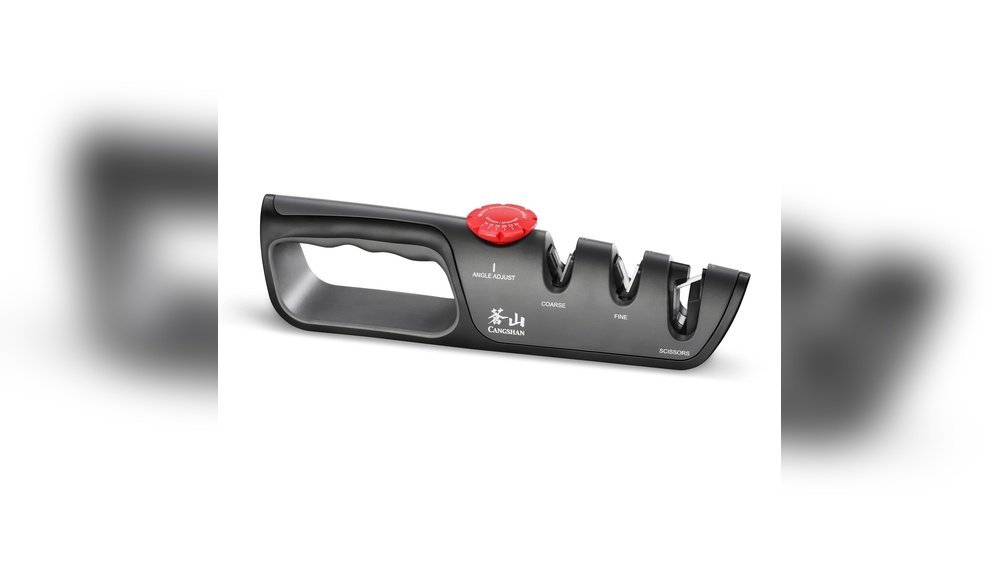
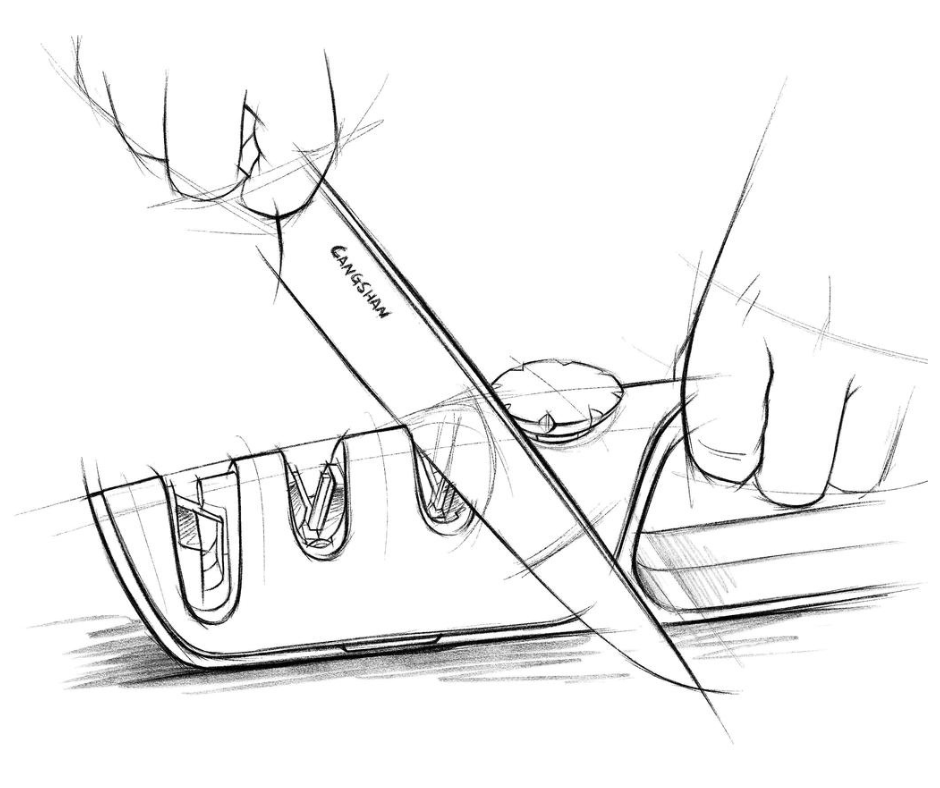
| Pull-Through Sharpener | Fast sharpening, less control | Beginners, quick fixes |
| Electric Sharpener | Automated sharpening, less precision | Convenience |
| Leather Strop | Polishes and refines edge | Finishing touch |
Most professionals recommend a whetstone for the best results, but honing rods and pull-through sharpeners have their place for quick maintenance.
The Key Steps To Sharpening Cangshan Knives
Let’s break down the process step by step, focusing on safety and effectiveness.
1. Inspect The Knife Edge
Start by checking the blade. Hold it up to the light. If you see shiny spots or feel rough areas, the edge is dull or chipped.
- Run your thumb gently across (not along) the blade to feel for nicks.
- Check for any bends or warps.
If your knife is only slightly dull, a honing rod may be enough. If it’s blunt or damaged, you’ll need a whetstone.
2. Choose The Right Sharpening Angle
Cangshan recommends a 16-degree angle per side. Keeping this angle is critical for maintaining the knife’s cutting ability and safety.
- For comparison: Many Western knives are sharpened at 20 degrees; Japanese knives at 15 degrees.
- Use an angle guide or visualize the angle (just under the angle of a credit card).
3. Prepare The Whetstone
A whetstone is the most precise way to sharpen Cangshan knives. You’ll need a stone with two grits: coarse (around 1000) and fine (3000–8000).
- Soak the stone in water for 10–15 minutes before use.
- Place it on a damp towel or stone holder to keep it steady.
4. Sharpen On The Coarse Grit
Hold the knife at a 16-degree angle. Start with the coarse side of the stone:
- Place the heel of the blade on the stone.
- Draw the blade smoothly across the stone, moving from heel to tip.
- Apply gentle, even pressure.
- Repeat 8–12 times per side, checking the edge often.
5. Refine On The Fine Grit
Switch to the fine side of the stone:
- Repeat the same motion, but use even lighter pressure.
- Make 6–10 passes per side.
- The goal is to polish and refine the edge, not remove much metal.
6. Test For Sharpness
Use the paper test: Hold a sheet of paper and slice down. A sharp knife will glide through easily.
- If the knife snags, repeat fine sharpening.
- For a more advanced test, gently shave a small patch of arm hair (if comfortable).
7. Strop For A Razor Edge
A leather strop with polishing compound removes any tiny burrs and gives the edge a mirror finish.
- Draw the blade backwards (spine leading) across the strop, 5–10 passes per side.
8. Clean And Dry The Knife
Always wash the blade with soap and water after sharpening. Dry immediately to prevent rust.
Credit: cangshancutlery.com.au
Using A Honing Rod For Maintenance
Sharpening removes metal and should be done only when necessary. For daily or weekly maintenance, a honing rod realigns the edge and keeps the knife sharp.
- Use a ceramic rod for Cangshan’s hard steel.
- Hold the rod vertically, set the blade at 16 degrees, and swipe each side 6–8 times.
This step does not replace sharpening but extends the time between full sharpenings.
Pull-through And Electric Sharpeners: Pros And Cons
Some home cooks prefer pull-through sharpeners or electric sharpeners for speed and simplicity. But these tools have trade-offs.
| Sharpener Type | Pros | Cons |
|---|---|---|
| Pull-Through | Fast, easy to use | Removes a lot of metal, less precise angle, can damage blade over time |
| Electric | Automated, quick results | Expensive, not always set for 16-degree angle, risk of overheating |
| Whetstone | Most control, best edge | Requires skill and time |
Pro tip: If you use a pull-through or electric sharpener, choose one with adjustable angle settings and use it sparingly.

Credit: www.youtube.com
How Often Should You Sharpen Cangshan Knives?
The answer depends on use, but here are general guidelines:
- Home cooks: Every 3–6 months for sharpening; hone weekly.
- Professional chefs: Sharpen monthly, hone daily.
- If you notice more force needed or ragged cuts, it’s time to sharpen.
A big mistake is over-sharpening, which wears out your knives faster. Honing regularly and sharpening only when necessary will maximize the life of your Cangshan blades.
Common Mistakes To Avoid
Even experienced cooks sometimes make errors when sharpening. Here are issues that can ruin your knife or waste your effort:
- Wrong angle: Using the wrong sharpening angle changes the blade profile and reduces performance.
- Dry stone: Never use a dry whetstone; it causes scratches and uneven sharpening.
- Inconsistent strokes: Changing pressure or angle mid-stroke leads to a wavy edge.
- Skipping the fine grit: Coarse sharpening alone leaves a rough, toothy edge.
- No cleaning: Sharpening residue can rust your blade if not washed off.
- Overuse of pull-through sharpeners: They can grind away too much metal and shorten knife life.
- Forgetting to hone: Skipping regular honing makes knives dull faster.
Sharpening Cangshan Knives: Step-by-step Example
Let’s walk through a real example using a Cangshan S1 8-inch chef’s knife and a double-sided 1000/6000 grit whetstone.
Step 1: Soak The Stone
Fill a bowl with water. Submerge the stone for 10–15 minutes until bubbles stop rising.
Step 2: Secure The Stone
Place the stone on a damp towel. This prevents slipping, which is dangerous.
Step 3: Set The Angle
Hold the knife so the blade makes a 16-degree angle with the stone. If you don’t have an angle guide, fold a sticky note in half three times—this is close to 16 degrees.
Step 4: Sharpen On 1000 Grit
With the edge facing away, place the heel on the stone. Draw the blade toward you while sliding from heel to tip, covering the whole edge.
- Repeat 10 times per side.
- Wipe off metal dust with a damp cloth.
Step 5: Sharpen On 6000 Grit
Flip the stone. Repeat the same motion with lighter pressure.
- 8 passes per side is usually enough.
Step 6: Strop And Test
Use a leather strop if available, then test on paper.
Step 7: Clean Up
Wash the blade, dry it, and oil lightly if you live in a humid area.
Maintaining Your Cangshan Knives After Sharpening
Sharpening is only part of the process. Good habits keep your knives sharp longer:
- Always hand wash and dry immediately.
- Store in a knife block, sheath, or magnetic strip—never loose in a drawer.
- Cut on wood or plastic boards, not glass or stone.
- Hone regularly to realign the edge.
Cangshan Knife Models And Sharpening Differences
Cangshan makes several series: S1, H1, Thomas Keller Signature, and more. While the steel type may change, the sharpening method remains similar. However, some premium knives use harder Swedish steel, which holds an edge longer but can take more effort to sharpen.
| Model Series | Steel Type | Ease of Sharpening |
|---|---|---|
| S1 | X50CrMoV15 | Easy, forgiving |
| Thomas Keller Signature | Swedish Sandvik 14C28N | Holds edge longer, a bit harder to sharpen |
| H1 | High-carbon stainless | Easy to sharpen |
For the harder steel, use a higher grit stone (4000–8000) for finishing.
Signs Your Cangshan Knife Needs Sharpening
Don’t wait until your knife is completely dull. Here are early signs:
- Blade slides off tomatoes or squashes soft foods.
- You feel resistance when chopping onions or carrots.
- The edge reflects light (a sharp edge is almost invisible).
- The knife tears rather than slices paper.
If you notice these, schedule a sharpening session.
The Science Behind Knife Sharpness
A sharp knife has a very thin edge—sometimes just a few microns wide. When you use a knife, the edge rolls or folds, even if you can’t see it. Honing realigns these folds. Sharpening removes a small amount of metal to create a new edge.
The steel in Cangshan knives is hardened to around 58 HRC (Rockwell Hardness), which is a balance between sharpness and durability. This means they can take a fine edge but are not brittle like some Japanese knives.
Advanced Tips For Expert-level Sharpness
If you want to go beyond basic sharpening, try these advanced tips:
- Progressive Grits: Use three stones (1000, 3000, 8000) for a mirror edge.
- Edge Leading vs. Trailing: For coarse grits, use edge leading strokes; for strops, use edge trailing.
- Angle Consistency: Mark the edge with a Sharpie marker. If you sharpen correctly, the marker will disappear evenly.
- Water Quality: Use clean water for soaking stones; minerals can clog the stone surface.
- Strop with Compound: Chrome oxide compound on a strop gives a razor finish.
Most beginners skip the marker trick—it’s a simple way to see if you’re sharpening the full edge.
Professional Sharpening Services: When To Consider
Sometimes, the blade is chipped, heavily damaged, or you simply don’t want to risk it. In that case, a professional sharpener is a good option.
- Look for someone who uses water-cooled systems and can match the 16-degree angle.
- Avoid services that use high-speed grinders, which can overheat and damage the blade.
For very expensive Cangshan knives, professional sharpening every 1–2 years keeps them in top shape.
Safety Tips For Sharpening
Sharpening can be risky. Always:
- Keep fingers away from the edge.
- Use a stable surface.
- Wipe off water and metal dust promptly.
- Store stones and rods out of reach of children.
Insider tip: Many accidents happen when drying or cleaning the knife after sharpening—move slowly and use a towel folded over the spine.
Comparing Cangshan To Other Popular Knife Brands
Cangshan knives are often compared to brands like Wüsthof, Shun, and Zwilling. While all are high quality, Cangshan’s 16-degree angle and steel composition make their sharpening needs unique.
- Wüsthof: 14-degree angle, softer steel, easier to sharpen but dulls faster.
- Shun: 16-degree angle, harder steel, sharp but more brittle.
- Cangshan: Balanced hardness, good edge retention, easy to maintain with the right tools.
This means your sharpening routine should match the knife’s factory specs for the best results.
Storage Tips To Keep Knives Sharper Longer
How you store your knife matters. The best options:
- Magnetic strip: Keeps edge free from dings, easy access.
- Wooden block: Protects blade, but clean regularly to prevent bacteria.
- Blade guard/sheath: Good for drawers, especially during transport.
Never toss knives loose in a drawer—this dulls the edge quickly and is unsafe.
Environmental Factors That Affect Sharpness
Humidity, food acids, and even water quality can impact your knife’s edge. Always dry your knives immediately after washing, especially if you live in a humid area. Avoid slicing on stone, glass, or ceramic plates. Acidic foods like citrus can also wear the edge faster; rinse and dry after prepping lemons, tomatoes, or pineapples.
Sharpening Serrated Cangshan Knives
Many Cangshan bread and steak knives are serrated. These require a different approach:
- Use a special serrated knife sharpener (a tapered rod).
- Insert the rod into each gullet (the curved part of the serration) and gently sharpen.
- Avoid using standard whetstones or pull-through sharpeners, which can ruin the serrations.
Sharpening serrated knives is slow but only needed once a year or less.

Credit: www.youtube.com
When To Replace Instead Of Sharpen
Even the best knife can’t be sharpened forever. If your Cangshan knife is:
- Bent, chipped, or has a broken tip
- The blade is too thin from repeated sharpening
- The handle is loose or cracked
It may be time to replace it. For most home cooks, a Cangshan knife will last 10–20 years with proper care.
Additional Resources
If you want to see sharpening in action, check video guides from knife experts and the official Cangshan website. For a deep dive on knife steels and angles, Wikipedia provides technical background.
Frequently Asked Questions
How Do I Know If My Cangshan Knife Is Sharp Enough?
Try the paper test: Hold a sheet of paper upright and slice down. If the knife glides through smoothly without tearing, it’s sharp. You can also test on a ripe tomato—if it cuts cleanly without pressure, your edge is good.
Can I Use A Cangshan Knife Sharpener For Other Brands?
Yes, as long as the blade is similar in steel and factory angle (around 16 degrees). Avoid using it on knives with very hard Japanese steel or very thick Western blades, as the results may vary.
How Often Should I Hone My Cangshan Knife?
For home cooks, honing once a week is ideal. If you cook daily, hone every few days. Honing doesn’t remove metal; it just keeps the edge aligned.
Are Pull-through Sharpeners Safe For Cangshan Knives?
They’re safe for occasional use but can remove metal quickly and may not preserve the 16-degree angle perfectly. For best results, use a whetstone or ceramic rod regularly.
What Should I Do If My Knife Edge Gets Chipped?
For small chips, use a coarse whetstone (400–600 grit) to reprofile the edge, then finish with fine grit. For large chips or cracks, consult a professional sharpener or consider replacing the knife.
Keeping your Cangshan knives sharp isn’t just about technique—it’s about respecting the tool, using the right equipment, and making sharpening part of your kitchen routine. With these methods, your Cangshan knives will deliver safe, clean, and satisfying cuts for years to come.