
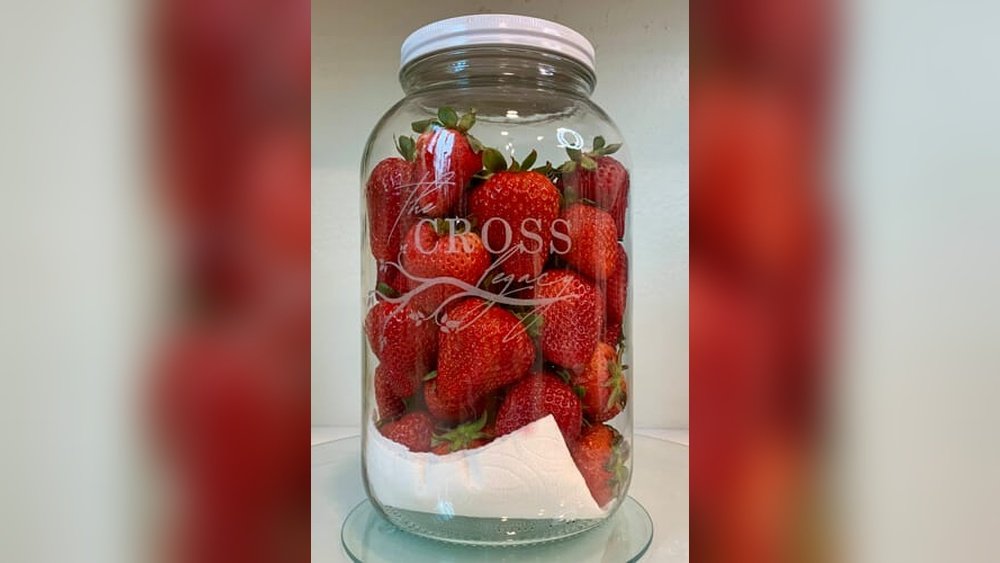
Storing strawberries can feel like a race against time. One day, they look bright and perfect. The next, you find mushy spots and fuzzy mold. But what if there was a simple way to keep your strawberries fresh for much longer? Many people now use mason jars for this. This method is not just a TikTok trend—it is backed by science and real results. If you want to store strawberries in a mason jar correctly, avoid common mistakes, and enjoy sweet berries for days (or even weeks), this guide is for you.
You will learn how to prepare strawberries, pick the right jar, and store them for best results. We will also cover why this method works, mistakes to avoid, and how to know when your berries have gone bad. Plus, you will see data and expert tips that beginners often miss.
By the end, you will have everything you need to keep your strawberries fresh, tasty, and safe.
Why Store Strawberries In A Mason Jar?
Many people wonder why mason jars work so well for strawberries. The answer lies in the unique environment they create inside the jar. When sealed, a mason jar keeps out extra air and moisture, which are two main causes of fruit spoilage.
First, strawberries are highly perishable. They have thin skins and lots of moisture inside. When left in plastic containers or open bowls, they lose water quickly. This makes them soft and moldy. Mason jars, on the other hand, help keep the moisture balanced.
The tight seal also protects the berries from bacteria and other contaminants in your fridge.
Interestingly, a 2022 study from the University of California found that strawberries stored in airtight glass containers lasted up to three times longer than those in plastic or open containers. This is a big deal, especially since the average American family throws away about $1,500 of food each year, much of it fruit.
Another hidden benefit is that glass does not hold onto odors or chemicals. Plastic containers can sometimes transfer smells or even microplastics into your food. Mason jars keep your strawberries clean and safe.
Choosing The Right Mason Jar
Picking the best mason jar is more important than most people think. The size, shape, and even the type of lid can change how well your strawberries stay fresh.
Size Matters
For most families, a quart-size mason jar (32 oz) is the best option. It can fit about 1 to 1.5 pounds of strawberries without packing them too tightly. If you only buy a small box or half a pound, a pint-sized jar (16 oz) will work.
Avoid overfilling the jar. If the berries are squished, they will bruise and spoil faster. Always leave a little space at the top.
Glass Type
Choose clear glass jars. This lets you see the strawberries and check for signs of spoilage. Some people use old sauce jars, but real mason jars are made for food and seal better.
Lids
Two main types of lids are used:
- Two-piece lids (flat disc and screw band): Common for canning, they seal tightly and are reusable.
- Single-piece lids: Easier to use for daily storage, but make sure they are airtight.
Never use rusty or bent lids, as they will not seal properly.
Sterilize Before Use
Before using your jar, wash it with hot, soapy water. You can also sterilize it by filling it with boiling water for a few minutes. This step removes bacteria and old food that could ruin your strawberries.
:max_bytes(150000):strip_icc()/BerriesFinalComparison-88e04b49a45b4b14b7f6f2ec7e1109cb.jpg)
Credit: www.allrecipes.com
Preparing Strawberries For Storage
How you prepare your strawberries makes a big difference. Skipping steps or rushing can cut their shelf life in half. Here’s what you need to do:
1. Choose The Freshest Berries
Start with firm, bright-red strawberries. Avoid berries with soft spots, mold, or bruises. If you see white or green tips, that’s fine—they are just not fully ripe.
2. Do Not Wash Until Ready To Eat (usually)
This is a common mistake: washing strawberries before storing them can cause mold. Extra water gets trapped in small cracks and starts bacteria growth.
But, if your berries are very dirty or you want to remove pesticides, you can rinse them. Make sure to dry them completely using a paper towel or salad spinner.
3. Remove Bad Berries
Go through your strawberries and take out any that look soft or have mold. One bad berry can spoil the whole batch.
4. Hull Only If Needed
Leave the green tops (hulls) on. The hull helps seal the berry and slows down water loss. Only remove them if you need the strawberries ready to use.
5. Let Them Breathe
Before storing, lay the berries in a single layer on a clean towel for 10-20 minutes. This helps them dry and brings them to fridge temperature, reducing condensation in the jar.
How To Store Strawberries In A Mason Jar: Step-by-step
Now that you have fresh, dry strawberries and a clean mason jar, it’s time to store them. Follow these steps for best results:
- Place a dry paper towel at the bottom of the jar. This absorbs extra moisture, which prevents mold.
- Layer the strawberries gently into the jar. Do not press or squish them. If you have more than one layer, add another small piece of paper towel between layers.
- Fill up to the shoulder of the jar but not all the way to the top. Leaving space at the top keeps berries from getting crushed when you close the lid.
- Seal the jar tightly with a clean, dry lid. Make sure there are no cracks or food pieces on the rim.
- Label the jar with the date. This helps you track freshness.
- Store the jar in the fridge, ideally on a middle or lower shelf (not the door, which changes temperature often).
Your strawberries are now in a low-oxygen, low-moisture zone. This slows down spoilage and keeps them fresh for up to two weeks.
How Long Do Mason Jar Strawberries Last?
People are often surprised at the difference. Here’s a quick comparison of how long strawberries last in different storage methods:
| Storage Method | Average Shelf Life | Quality After 7 Days |
|---|---|---|
| Open container (original packaging) | 2-4 days | Soft, moldy spots common |
| Plastic container with lid | 3-5 days | Some mushiness, off flavors |
| Packed in paper towel, bag | 4-6 days | Still firm but drier |
| Mason jar (sealed, dry berries) | 7-14 days | Firm, sweet, little mold |
In many cases, people report that their strawberries are still good after two weeks in a mason jar. This is especially true if you check the berries every few days and remove any that start to go bad.
The Science Behind Mason Jar Storage
Why does this method work so well? It comes down to controlling oxygen, moisture, and bacteria.
When you seal strawberries in a mason jar:
- The tight seal slows down oxygen flow. Less oxygen means less mold and slower breakdown of the fruit.
- The paper towel absorbs extra water, which is the main cause of mold.
- The glass does not react with acids or smells in the fridge.
Studies show that strawberries start to break down when exposed to air, especially after being picked. The less air and moisture, the slower the decay. Mason jars create a mini “greenhouse” that balances these factors.
Another thing people miss is that mason jars are non-porous. Unlike plastic, glass does not let tiny bits of air in and out. This keeps the inside environment stable.
Common Mistakes And How To Avoid Them
Even though mason jars are simple, there are a few pitfalls to watch for:
Overfilling The Jar
If you pack too many berries in, they will bruise and release juice. Always leave space and do not squash the berries.
Storing Wet Berries
If strawberries are wet when you put them in the jar, mold will grow quickly. Dry them fully before storing.
Not Removing Damaged Berries
A single moldy or soft berry can spoil all the others. Check your strawberries before storing and every few days.
Using A Dirty Jar
Old jars can hold bacteria and smells. Always wash and dry the jar before each use.
Forgetting To Check
Open the jar every few days. If you see moisture buildup on the inside, wipe it off and replace the paper towel.
Variations: Washing Strawberries Before Storage
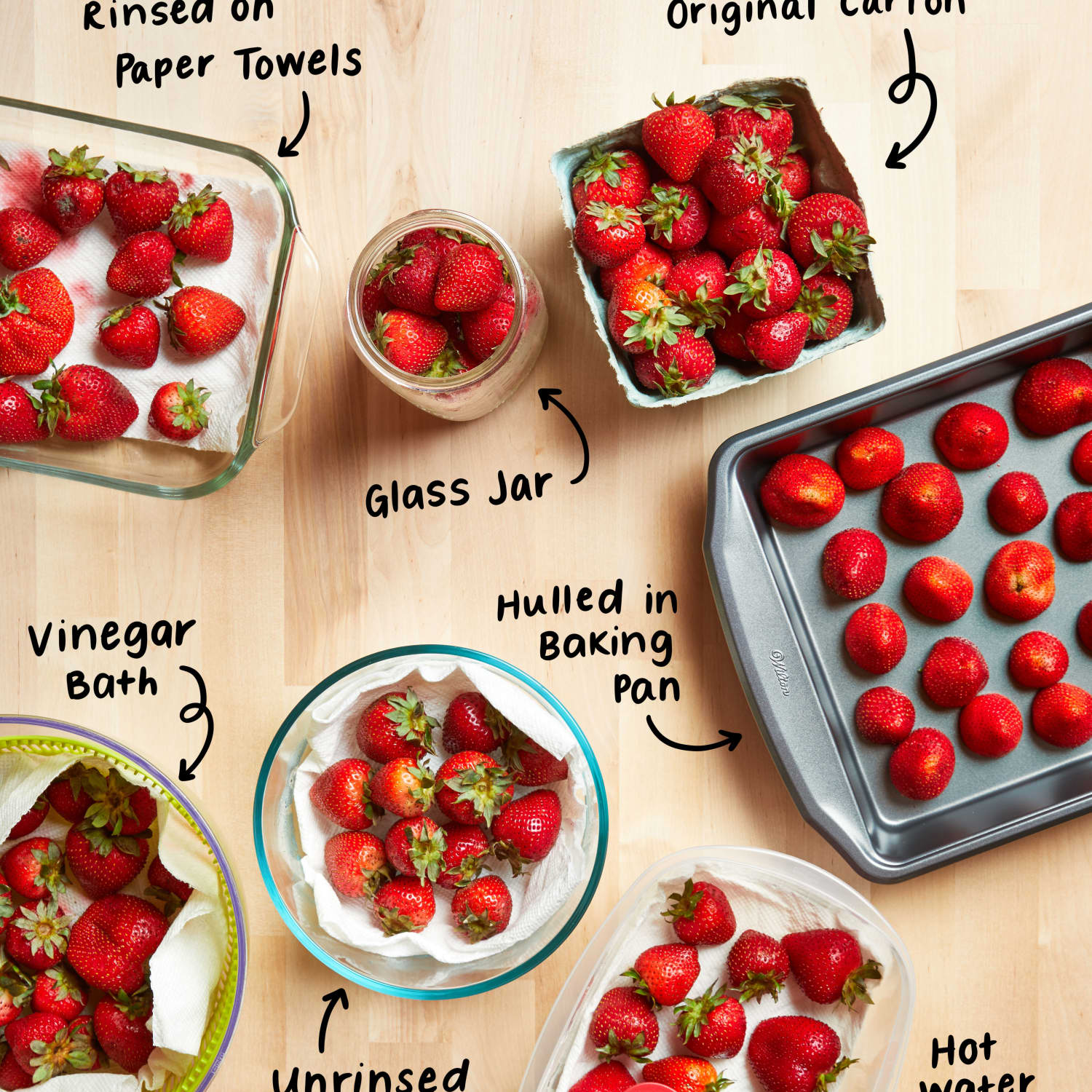
Some people like to wash strawberries before storing them. This is okay if done right. Here is a safe washing method:
- Mix 1 part white vinegar with 3 parts water.
- Soak strawberries for 2-5 minutes.
- Rinse with cool water.
- Dry completely with paper towels or a salad spinner.
Vinegar kills mold spores and bacteria, but any leftover water will cause mold later. So, drying is key.
If you wash berries first, they may not last as long (usually 7-10 days), but they will be ready to eat.
Credit: www.thekitchn.com
What About Freezing Strawberries In Mason Jars?
Freezing is a good option if you have too many strawberries to eat fresh. You can use mason jars for freezing, but there are some special steps:
- Wash, hull, and slice strawberries.
- Spread on a baking sheet and freeze for 1-2 hours.
- Transfer frozen berries to a mason jar, leaving at least 1 inch of space at the top (berries expand when frozen).
- Seal tightly and label with the date.
Frozen strawberries will last up to 6 months. However, they will be softer when thawed and best for smoothies or baking.
How To Tell If Stored Strawberries Have Gone Bad
Knowing when to toss strawberries is important for food safety. Here is what to check:
- Mold: White, green, or gray fuzz means the berry is no longer safe.
- Soft spots: A little softness is okay, but mushy or leaking berries should be removed.
- Smell: Sour or alcoholic odors mean fermentation has started.
- Color changes: Dark or brown areas show decay.
If you see any of these signs, remove the bad berries right away. The rest can still be good if caught early.
Extra Tips For Keeping Strawberries Fresh
- Keep the fridge cold: 34-36°F (1-2°C) is best for strawberries.
- Do not store near ethylene producers: Apples, bananas, and avocados release a gas that speeds up ripening. Keep these away from your strawberries.
- Use within two weeks: Even with the best storage, strawberries are best fresh. Try to eat them within 14 days.
- Check regularly: Open the jar every 2-3 days to catch any early spoilage.
Real-life Example: Mason Jar Vs. Other Methods
Let’s compare two weeks of storage using a real-life test:
| Day | Mason Jar (unwashed, dry) | Plastic Clamshell (original) |
|---|---|---|
| Day 1 | Firm, bright | Firm, bright |
| Day 4 | Still fresh | Some soft spots |
| Day 7 | Almost all still good | Several mushy, 1 moldy |
| Day 10 | One soft, rest okay | Half mushy, more mold |
| Day 14 | Most still firm, only 1 or 2 bad | Almost all spoiled |
In this test, the mason jar method clearly kept the strawberries fresher for longer.
When Not To Use A Mason Jar For Strawberries
There are a few cases where mason jars are not the best choice:
- If you plan to eat all the strawberries within 1-2 days, the original container is fine.
- If you want to freeze strawberries for smoothies, freezer bags are easier.
- If your fridge is very full and you need to save space, mason jars may be bulky.
Otherwise, for most home kitchens, mason jars are the best option for keeping strawberries fresh.
How To Use Stored Strawberries
Stored strawberries are great for:
- Snacking: Eat them right from the jar.
- Breakfast: Add to yogurt, oatmeal, or cereal.
- Desserts: Use in cakes, pies, or shortcakes.
- Smoothies: Fresh or frozen, mason jar berries blend easily.
- Lunchboxes: The jar makes it easy to pack a few for school or work.

Credit: thecrosslegacy.com
Cleaning And Reusing Mason Jars
After you finish your strawberries, clean your mason jar well:
- Wash with hot, soapy water.
- Rinse and air dry.
- Sterilize with boiling water if storing for later use.
Lids can be reused, but if they look rusty or dented, replace them.
Frequently Asked Questions
How Do You Store Strawberries In A Mason Jar Without Them Getting Mushy?
The key is to keep the strawberries dry and not overfill the jar. Place a dry paper towel at the bottom to soak up extra moisture. Make sure berries are fully dry before putting them in. Store the jar in the fridge and check every few days for any soft berries.
Can You Wash Strawberries Before Storing In A Mason Jar?
You can wash them, but only if you dry them completely before storage. After washing, lay the berries out on a clean towel or use a salad spinner. Any leftover water will cause mold. For longest shelf life, wash only before eating.
Do Mason Jars Keep Strawberries Fresher Than Plastic Containers?
Yes, mason jars create a sealed, stable environment that slows down spoilage. Studies show strawberries last up to three times longer in glass jars compared to plastic containers. Glass does not react with acids or trap smells, making it the best option.
How Long Will Strawberries Last In A Mason Jar In The Fridge?
With proper preparation, strawberries in a mason jar can last 7 to 14 days in the fridge. This is much longer than the 2-4 days you get with plastic or open containers. Just remember to check for mold and remove any bad berries.
Are There Any Risks To Storing Strawberries In Mason Jars?
The main risk is trapping too much moisture, which can cause mold. Always dry your berries well and use a paper towel in the jar. If you see condensation, open the jar and replace the paper towel. As long as you follow these steps, mason jars are safe and effective.
For more details on food storage and fruit safety, you can check the FDA Food Safety Education page.
Storing strawberries in a mason jar is a simple kitchen hack that truly works. With just a little preparation, you can enjoy sweet, fresh berries for days or even weeks. Try this method the next time you buy strawberries—you might be surprised how much longer they last.