
Using a rice cooker can change how you cook at home, making meal preparation easier, faster, and more reliable. The Dash rice cooker is a popular choice because it is simple, compact, and affordable. Whether you are a college student, a busy parent, or someone who wants fluffy rice without watching a pot, learning how to use a Dash rice cooker can save you time and stress. But many people miss out on its full potential, often using it only for white rice. This guide will help you unlock all the features of your Dash rice cooker, avoid common mistakes, and get the best results every time.
Understanding The Dash Rice Cooker
Before you cook, it helps to know what makes the Dash rice cooker unique. This small appliance is designed for convenience. Most Dash models hold 2 to 6 cups of cooked rice, making them perfect for singles, couples, or small families. The cooker usually comes with a removable nonstick pot, a measuring cup, a rice paddle, and a glass lid. Some models have a “Keep Warm” function, but most are very basic with just an on/off switch.
Dash rice cookers are known for their one-touch operation. You add your ingredients, press the switch, and the cooker does the rest. This simplicity is a big reason why people love it. However, this also means you have less control compared to more advanced rice cookers. Knowing how to measure ingredients and use the features correctly is key.
Two things beginners often miss:
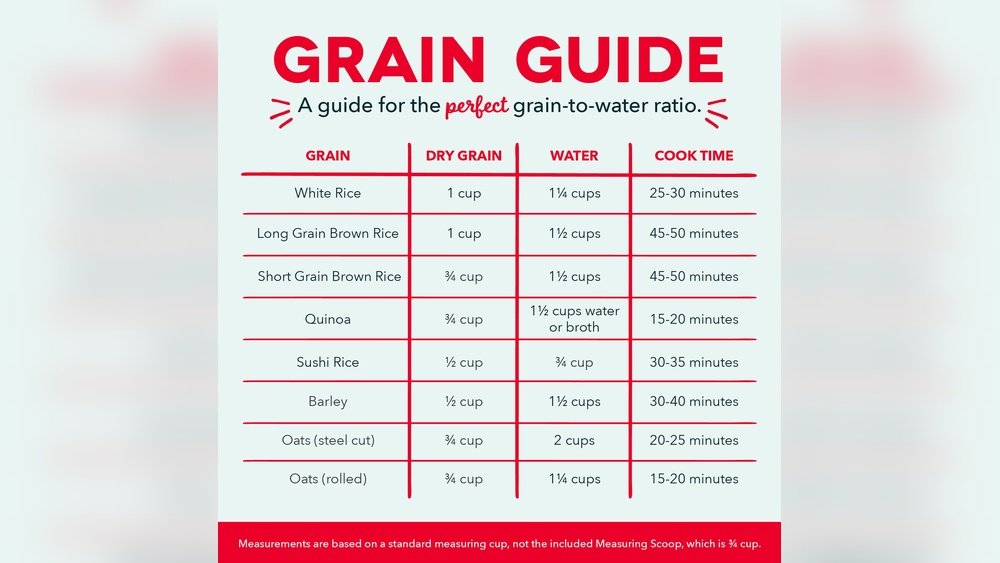
- The included measuring cup is not a standard US cup (it’s usually 3/4 cup). This affects water-to-rice ratios.
- The cooker can make more than just rice—think oats, quinoa, steamed veggies, and even cakes.
Unboxing And Setup
When you get your Dash rice cooker, take a few minutes to set it up properly. Here’s what you should do:
- Check the contents: Your box should include the cooker base, inner pot, glass lid, measuring cup, rice paddle, and instruction booklet. If anything is missing, contact the seller right away.
- Wash all removable parts: Clean the inner pot, lid, measuring cup, and paddle with warm soapy water. Rinse and dry them completely.
- Find a safe spot: Place the cooker on a flat, dry surface near a power outlet. Make sure the cooker is away from the edge of the counter and out of reach of children.
- Plug in and test: Plug in the cooker and press the switch without anything inside to make sure the power light comes on. Turn it off immediately—this is just to check if it works.
Tip: Do not immerse the cooker base or power cord in water. Only the inner pot and accessories are washable.

Credit: bydash.com
Measuring Rice And Water Correctly
Getting the right rice-to-water ratio is the most important part of using any rice cooker. With the Dash rice cooker, this step is even more important because the machine is simple and doesn’t adjust for mistakes.
Why The Right Ratio Matters
If you use too much water, the rice turns mushy. Too little, and you get dry, hard grains. The Dash cooker’s small size means even small errors can ruin a batch.
Using The Included Measuring Cup
The cup that comes with your Dash cooker is smaller than a regular US cup (about 3/4 cup or 180 ml). Always use this cup for both rice and water to keep the ratio correct.
Standard Rice-to-water Ratios
- White rice: 1 cup rice to 1.25 cups water
- Brown rice: 1 cup rice to 1.5 cups water
- Jasmine or Basmati rice: 1 cup rice to 1.2 cups water
- Sushi rice: 1 cup rice to 1.1 cups water
Example: If you want to make 2 cups of white rice, use 2 cups of rice (using the Dash cup) and 2.5 cups of water.
Table: Rice Types And Water Ratios
| Rice Type | Rice (cups) | Water (cups) | Notes |
|---|---|---|---|
| White Rice | 1 | 1.25 | Standard long/short grain |
| Brown Rice | 1 | 1.5 | Needs more water |
| Jasmine Rice | 1 | 1.2 | Fragrant rice |
| Sushi Rice | 1 | 1.1 | Sticky texture |
Non-obvious tip: Rinse your rice before cooking to remove excess starch. This keeps the rice from sticking and getting gummy.
Step-by-step: Cooking Rice In A Dash Rice Cooker
Making rice in a Dash rice cooker is easy, but following each step closely will help you get perfect rice every time.
1. Measure Your Rice
Use the Dash measuring cup to measure the amount of rice you want. Never fill the pot above the max line (usually 2 cups uncooked rice for a 3-cup cooker).
2. Rinse The Rice
Place the rice in a bowl and rinse with cold water. Swirl the grains with your hand, then drain the water. Repeat 2–3 times until the water is mostly clear.
3. Add Water
Pour the rinsed rice into the inner pot. Add the correct amount of water (see table above), using the same measuring cup.
4. Place Inner Pot In Cooker
Wipe the outside of the pot to keep it dry. Set the inner pot inside the cooker base.
5. Add Seasoning Or Oil (optional)
If you like, you can add a pinch of salt, a teaspoon of oil, or a small pat of butter. This can add flavor and prevent sticking.
6. Cover And Start Cooking
Put the glass lid on. Plug in the cooker. Press the switch down (it may say “Cook” or just have a light). The cooker will start.
7. Wait For Cooking To Finish
The Dash rice cooker will cook until all the water is absorbed. Most cookers switch off or to “Warm” automatically when done. This takes about 20–30 minutes for white rice, or 35–40 minutes for brown rice.
8. Let Rice Rest
When the cooker finishes, let the rice sit with the lid on for 5–10 minutes. This lets the steam finish cooking the rice and makes it fluffier.
9. Fluff And Serve
Use the included paddle to fluff the rice gently. Serve while hot.
Mistake to avoid: Do not open the lid while cooking. This lets steam escape and may make the rice undercooked.
Cooking Other Grains And Foods
Many people think the Dash rice cooker is just for rice, but you can use it for many other foods. Here are some examples:
Oatmeal
- Use rolled oats, not instant.
- Ratio: 1 cup oats to 2 cups water or milk.
- Add a pinch of salt and cook as you would rice.
- Stir after cooking and let sit for a few minutes before serving.
Quinoa
- Rinse quinoa under cold water.
- Ratio: 1 cup quinoa to 2 cups water.
- Cook as usual. Fluff with a fork.
Steamed Vegetables
- Place a steaming tray or small rack above the rice while it cooks (if your model fits one).
- Add small pieces of carrot, broccoli, or peas.
- The steam from the rice cooks the veggies at the same time.
Table: Cooking Times For Common Foods
| Food | Amount | Water Needed | Approx. Cook Time |
|---|---|---|---|
| White Rice | 1 cup | 1.25 cups | 20–25 min |
| Brown Rice | 1 cup | 1.5 cups | 35–40 min |
| Oatmeal | 1 cup | 2 cups | 15–20 min |
| Quinoa | 1 cup | 2 cups | 20–25 min |
Non-obvious Uses
- Cakes and muffins: Some users make small cakes by mixing batter and cooking directly in the pot.
- Hard-boiled eggs: Place eggs on top of the rice or in a steaming tray.
- Soup and stews: Use the rice cooker like a small slow cooker for simple soups.
Cleaning And Maintenance
Keeping your Dash rice cooker clean is important for safety and taste. Here’s how to do it right:
Cleaning Steps
- Unplug the cooker and let it cool.
- Remove the inner pot and wash with warm soapy water. Avoid metal utensils or abrasive scrubbers.
- Wipe the outside of the cooker with a damp cloth.
- Wash the lid, paddle, and measuring cup.
- Dry all parts before storing.
Maintenance Tips
- Check the power cord for damage before each use.
- Do not submerge the base in water.
- If you see buildup on the heating plate, use a soft, damp cloth to clean it.
- Avoid scratching the nonstick coating.
Insight: If you accidentally burn rice, soak the pot with warm soapy water for an hour before cleaning. Never use sharp objects to scrape the pot.

Credit: www.youtube.com
Common Problems And How To Fix Them
Even with a simple device like the Dash rice cooker, things can go wrong. Here’s how to handle the most common issues:
Rice Is Too Mushy
- Use less water next time.
- Make sure you use the Dash measuring cup.
- Rinse rice well to remove extra starch.
Rice Is Undercooked Or Crunchy
- Add a little more water.
- Let rice rest longer after cooking.
- Check for power issues or if the cooker was unplugged early.
Rice Sticks To The Pot
- Add a few drops of oil or butter before cooking.
- Rinse rice thoroughly.
- Don’t leave rice on “Keep Warm” for too long.
Cooker Overflows Or Leaks
- Don’t fill above the max line.
- Use proper water ratios.
- Clean the lid vent if it’s clogged.
Cooker Won’t Turn On
- Check the power outlet.
- Make sure the inner pot is seated properly.
- Inspect the power cord for damage.
Unique insight: If your cooker switches to “Warm” too early, it may be due to a dirty heating plate or the pot not sitting flat. Clean and reposition the pot before starting again.
Making The Most Of Your Dash Rice Cooker
If you want to get more value out of your Dash rice cooker, try these ideas:
- Batch cooking: Make extra rice and freeze portions for later use.
- One-pot meals: Add chopped veggies, cooked meat, and seasonings to the rice for a quick meal.
- Flavor boosters: Use broth instead of water, or add a cinnamon stick for sweet rice.
Table: Quick Rice Cooker Meal Ideas
| Meal Idea | Ingredients | Steps |
|---|---|---|
| Veggie Rice Bowl | Rice, mixed veggies, soy sauce | Add all ingredients, cook, and stir in soy sauce |
| Chicken Rice | Rice, cooked chicken, broth | Use broth instead of water, add chicken, cook together |
| Breakfast Oats | Oats, milk, fruit, cinnamon | Cook oats in milk, top with fruit and cinnamon after cooking |
Expert tip: Pre-soak brown rice for 30 minutes to shorten cooking time and improve texture.

Credit: www.youtube.com
Comparing Dash Rice Cooker Models
Dash offers a few different rice cooker models. The main differences are size and a few extra features.
Dash Mini Rice Cooker (2-cup)
- Best for singles or small portions
- Smallest size, fits in any kitchen
- Simple on/off switch
Dash Deluxe Rice Cooker (6-cup)
- Feeds 3–4 people
- Has a “Keep Warm” function
- Slightly more powerful
Dash Express Rice Cooker
- Similar to Mini but includes a steaming tray
- Good for cooking rice and steaming veggies at once
How to choose: Think about how much rice you make at a time. If you cook for yourself, the Mini is enough. For families, the Deluxe is better. The Express is best if you want to steam veggies or dumplings.
Safety Tips
Using a rice cooker is generally safe, but keep these points in mind:
- Always unplug after use.
- Keep the cooker away from water sources.
- Don’t touch the hot lid or pot with bare hands.
- Keep children away while cooking.
- Do not use the cooker if the cord is damaged.
Hidden danger: Steam from the lid vent can burn you. Open the lid carefully, away from your face.
Frequently Asked Questions
How Do I Prevent Rice From Sticking To The Bottom?
To prevent rice from sticking, rinse the rice thoroughly before cooking. Add a small amount of oil or butter to the water. Avoid leaving cooked rice in the “Keep Warm” mode for too long, as this dries and hardens the bottom layer.
Can I Cook Other Grains Besides Rice?
Yes, the Dash rice cooker can cook other grains like quinoa, oats, barley, and even couscous. Always adjust the water ratio based on the grain. For example, quinoa needs more water than white rice. Check the user manual for grain-specific instructions.
Why Does My Rice Cooker Overflow Or Leak Water?
Overflowing usually means you used too much water or overfilled the cooker. Never go above the maximum fill line. Starchy rice can also foam up—rinsing rice well helps reduce this. If the lid vent is blocked with residue, clean it to allow steam to escape.
Is The Dash Rice Cooker Dishwasher-safe?
The inner pot, lid, paddle, and measuring cup are usually dishwasher-safe, but always check your model’s manual. Never put the cooker base or heating element in water or the dishwasher.
Where Can I Find More Recipes For The Dash Rice Cooker?
You can find more recipes in the manual, on the Dash website, or by searching online. Many food blogs and forums share ideas for one-pot meals, breakfast dishes, and even desserts. For a wide range of recipes, see the official Dash recipes page.
Cooking with a Dash rice cooker is simple once you understand the basics. With the right measuring, cleaning, and a bit of creativity, you can enjoy perfect rice and much more every day.