
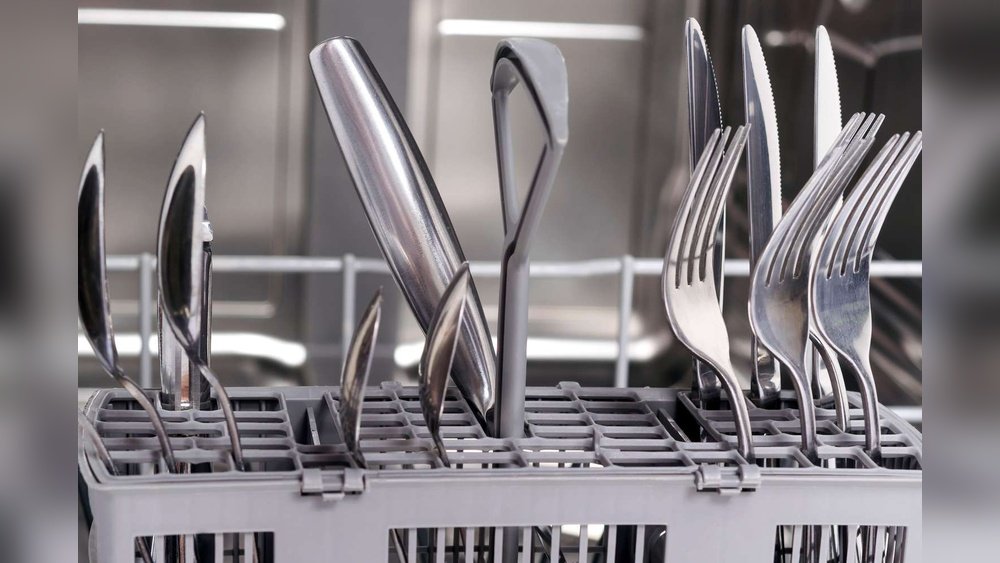
Loading silverware in a dishwasher might sound simple, but it’s one of those small details that can make a big difference in your kitchen routine. Many people just toss their forks, knives, and spoons into the basket and hope for the best.
But if you’ve ever unloaded your dishwasher to find water spots, stuck-on food, or even bent utensils, you know there’s more to it. Taking a few extra seconds to load your silverware the right way can mean cleaner dishes, a longer life for your utensils, and a smoother workflow in your kitchen.
You might be surprised to learn that proper silverware loading can prevent damage to both your utensils and the dishwasher itself. It can also help keep your family safe, since poorly loaded knives or sharp objects can lead to cuts when you’re unloading.
In this guide, you’ll find everything you need to know to load silverware efficiently, safely, and in a way that delivers sparkling results every time. Whether you’re new to dishwashers or have been using one for years, you’ll pick up tips and techniques that make your life easier and your kitchen cleaner.
Why Proper Silverware Loading Matters
Most people focus on loading plates and cups, but silverware often gets less attention. This is a mistake. When silverware is loaded carelessly, you may end up with dirty utensils, rust spots, and even broken dishwasher parts.
Water flow is the secret behind a dishwasher’s cleaning power. When utensils nest together, water can’t reach every surface. Food gets trapped, and you’re left rewashing items. Also, sharp utensils can scratch racks or block the spray arm, leading to costly repairs. Proper loading helps avoid all these problems.
In homes with young children, how you load knives and forks can reduce the risk of accidental cuts. Pointing sharp objects down and separating utensils by type can make unloading safer and quicker.
Understanding Your Dishwasher’s Silverware Basket
Before you start, take a good look at your silverware basket. Not all baskets are the same. Some are a single compartment, while others have divided sections. Some are removable, and some are built into the rack.
Common Types Of Silverware Baskets
| Basket Type | Description | Best For |
|---|---|---|
| Single Large Basket | One open area for all utensils | Quick loading, large families |
| Divided Basket | Multiple small slots or compartments | Preventing nesting, better cleaning |
| Removable Basket | Can take out for easy loading/unloading | Flexible use, easy unloading |
| Built-in Basket | Fixed to the rack, often with lids | Small kitchens, secure silverware |
Some baskets have lids with slots for individual utensils. These are designed to keep items separated, which can be helpful for cleaning but may slow down loading. If your basket has lids, check the manufacturer’s advice—sometimes the slots are optional.
Step-by-step: How To Load Silverware In A Dishwasher
Loading silverware well is more than just dropping it in. Here’s a practical, detailed process to get the best results every time.
1. Pre-rinse Only When Needed
Modern dishwashers are built to handle dirty silverware. Unless your utensils are covered in sticky or dried-on food, skip the pre-rinse. Scrape off big chunks, but let the machine do the hard work. Over-rinsing can actually make detergents less effective, as they need some grease to activate.
2. Don’t Overload The Basket
Each slot or section should hold only one or two pieces. Overloading leads to poor cleaning because water and detergent can’t reach every surface. If you have extra utensils, run a second load or wash a few by hand.
3. Mix Up The Utensils
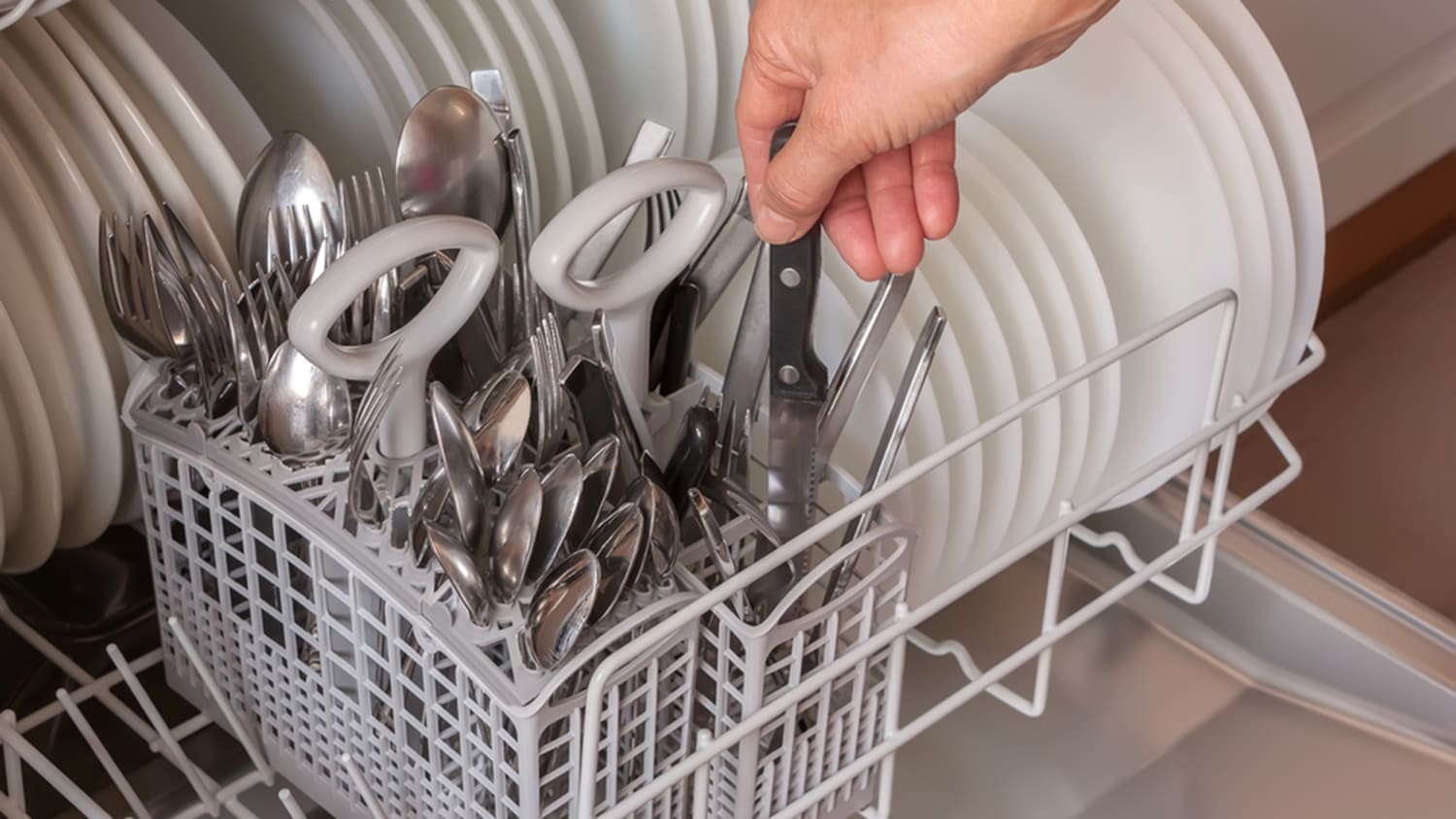
Don’t place all forks or all spoons together. When similar items group, they “nest” together, blocking water flow. Alternate forks, knives, and spoons as you load, or mix them in each section. This simple trick leads to much cleaner silverware.
4. Place Handles Up Or Down Based On Safety
This is one of the most debated points in dishwasher use. Here’s a safe and practical guideline:
- For forks and spoons, load handles down, so the eating surface is exposed to the spray.
- For sharp knives, load handles up. This prevents accidental cuts when unloading.
If your basket has small slots or is hard to reach, you may need to adjust. Safety should always come first, especially if kids help unload the dishwasher.
5. Separate Larger Utensils
Serving spoons, spatulas, and ladles don’t belong in the regular basket. Place them flat on the top rack or in special holders if your dishwasher provides them. Large utensils can block the spray arm if loaded in the basket, leaving all your silverware dirty.
6. Face Dirty Surfaces Outward
If your basket sits on the side, face the dirty ends (tines, bowls, blades) toward the center of the dishwasher. This lets the spray arm hit the messiest areas directly. For center baskets, alternate direction for better coverage.
7. Use The Basket Lids (if Available)
Some baskets come with flip-up lids that have small slots for each utensil. These stop nesting and improve cleaning but may slow you down. If you’re in a hurry, leave the lids open. For best results, use the slots for sticky items or when you need spotless silverware.
8. Load Knives Carefully
Knives are special. Always load sharp knives with the blade down for safety, unless the basket design requires another method. Never place chef’s knives or delicate blades in the dishwasher; hand wash them to avoid dulling and corrosion.
9. Check For Obstructions
Before closing the dishwasher, spin the spray arm by hand. If any utensils block its path, rearrange them. Even a single spoon sticking out can prevent a full load from getting clean.
10. Unload Silverware First
When the cycle finishes, start by unloading the silverware. This way, if any water drips from the upper rack, it won’t land on your clean utensils. Silverware is often the driest part, so it’s ready to put away right away.
Comparison: Handle Up Vs Handle Down
People often ask which way is best to load silverware—handle up or handle down. Here’s a quick comparison to help you decide:
| Loading Method | Pros | Cons |
|---|---|---|
| Handle Up | Safer unloading; reduces risk of cuts | Less exposure to spray; may not clean as well |
| Handle Down | Better cleaning; eating surfaces face spray | More risk of cuts; unsafe for sharp knives |
In most cases, mix the two methods: knives up (for safety), forks and spoons down (for cleanliness).
Common Mistakes When Loading Silverware
Even experienced users make small mistakes that can lead to dirty or damaged utensils. Here are the most common problems and how to fix them.
Putting Similar Utensils Together
When you put all forks or all spoons together, they tend to “nest. ” This means water and detergent can’t reach all surfaces, and you’ll see food stuck on the utensils. Alternate types for the best results.
Overloading The Basket
Trying to fit too many utensils in a single load is tempting, but this reduces cleaning power. Leave space for water to flow.
Placing Sharp Knives Point Down
Sharp knives should always go in handle up to prevent injuries. This is especially important in homes with children or when multiple people unload the dishwasher.
Washing Delicate Or Wooden Utensils
Never put wooden, bone, or delicate silverware in the dishwasher. The hot water and detergent can cause cracks, warping, or discoloration. Hand wash these items to protect them.
Blocking The Spray Arm
Utensils sticking out of the basket can block the spray arm, making the entire load less effective. Always check before starting the cycle.
Silverware Types: Special Tips
Not all silverware is the same. Here’s how to handle different types for the best results.
Stainless Steel
Stainless steel is the most common dishwasher-safe material. Load as usual, but avoid leaving it in a damp dishwasher for long after the cycle ends. This prevents water spots and rust.
Silver-plated Or Sterling Silver
Real silver can tarnish in the dishwasher, especially if it touches stainless steel. Wash these pieces by hand or, if you must use the dishwasher, separate them from stainless steel to prevent a chemical reaction.
Plastic-handled Utensils
Some plastic handles can melt or deform. Check the manufacturer’s label—if it says “dishwasher safe,” load them on the top rack for gentler cleaning.
Wooden Or Bamboo Utensils
Never put wooden items in the dishwasher. The high heat and detergent strip the wood’s natural oils, causing cracks and warping.
Sharp Or Specialty Knives
Chef’s knives, paring knives, and other specialty blades should be hand-washed. Dishwashers can dull the blade and cause rust near the handle.
Credit: www.today.com
Dishwasher Features That Affect Silverware Cleaning
Modern dishwashers have features that can help or hurt your silverware results. Knowing these can help you load smarter.
Adjustable Racks
Some dishwashers let you raise or lower racks. Lowering the top rack creates more space below, so you can fit tall utensils in the basket without blocking the spray arm.
Silverware Jets
High-end models have dedicated jets for the basket. If your dishwasher has this feature, make sure the basket is in the correct position so jets reach every utensil.
Removable Baskets
If your basket comes out, you can load and unload at the counter. This makes it easier to separate utensils and avoid nesting.
Slot Lids
Some baskets have plastic lids with slots. Use these for sticky or tricky utensils, but feel free to leave them open for quick loads.
Delicate Or Eco Cycles
Eco cycles save water and energy, but they may not get heavily soiled silverware clean. For best results, use the normal or heavy cycle for full loads.
How To Deal With Stubborn Stains Or Rust Spots
Sometimes, you still end up with stains or rust spots, even after following all the tips. Here’s how to handle them:
- Soak in vinegar: Place affected utensils in a cup of white vinegar for 15-30 minutes, then wash as usual.
- Use baking soda paste: Mix baking soda with a little water, rub on the stain, and rinse.
- Dry immediately: After the cycle, open the door to let steam escape. Remove silverware promptly to avoid water spots.
If stains keep coming back, check your dishwasher’s filter and clean it. Hard water can also cause spotting—consider using a rinse aid to help.
:max_bytes(150000):strip_icc()/GettyImages-172148339-2000-737ebc6bca884bb08796852114e583bf.jpg)
Credit: www.southernliving.com
Practical Tips For Faster Loading And Unloading
Loading silverware shouldn’t feel like a chore. With these time-saving tricks, you’ll get better results with less effort:
- Sort silverware by type as you load (one section for forks, one for spoons). This makes unloading faster, especially if you have a lot of utensils.
- Face fork and spoon bowls up for easier access, but always handle sharp knives with care.
- Shake off large food scraps before loading. This prevents the filter from clogging and boosts cleaning.
- Use the “express” or “quick” cycle for lightly soiled silverware to save time and energy.
Real-world Examples And Data
A 2022 survey by the American Cleaning Institute found that 53% of dishwasher owners sometimes find dirty silverware after a cycle. In most cases, improper loading was the main cause. Another study by Consumer Reports showed that properly loaded utensils were 37% more likely to come out clean, compared to those that were nested or overloaded.
Personal experience also matters. Many families report that mixing utensil types and using the basket lids gives the cleanest results, especially for sticky foods like peanut butter or melted cheese.
:max_bytes(150000):strip_icc()/Simply-Recipes-Utensils-In-Dishwasher-LEAD-01-4e42014ff003428fa27c64d789c28459.jpeg)
Credit: www.simplyrecipes.com
Comparing Dishwasher Models: Silverware Cleaning Performance
Different dishwashers offer different designs for silverware cleaning. Here’s a comparison of three popular types:
| Dishwasher Model | Silverware Placement | Cleaning Performance | Ease of Loading |
|---|---|---|---|
| Basket with Slots | Vertical, each utensil separated | Excellent, prevents nesting | Slower, but very organized |
| Open Basket | Vertical, utensils mixed | Good, but some nesting possible | Fast and easy |
| Third Rack (Flat Tray) | Utensils laid flat on top rack | Very good, especially for long utensils | Fast, but some trays are shallow |
If you’re shopping for a new dishwasher, look for models with adjustable baskets or a third rack for the most flexible silverware loading.
Non-obvious Insights Most People Miss
Many guides focus only on the basics, but there are a few less-known tips that can make a big difference:
1. Don’t Mix Metals: If you have both stainless steel and silver-plated utensils, keep them apart in the basket. When they touch, a chemical reaction can cause black spots or tarnishing.
2. Replace the Basket When Needed: Over time, dishwasher baskets can crack or lose their shape. If utensils start to fall through or don’t stand upright, buy a replacement basket. This small investment keeps your dishwasher working better and protects your silverware.
Safety Tips For Families
If you have children, silverware loading is about more than just cleanliness. Here’s how to keep everyone safe:
- Teach kids to keep knives and sharp items handle up.
- Never allow children to reach into the basket without supervision.
- Store the basket away from the edge of the counter when loading or unloading to avoid accidents.
How To Keep Your Dishwasher And Silverware In Top Shape
Proper loading is just one part of the puzzle. Here’s how to maintain your dishwasher and silverware:
- Clean the dishwasher filter monthly to prevent buildup and odors.
- Run a cycle with dishwasher cleaner or a cup of vinegar every few months.
- Store silverware dry to prevent rust.
- Check for hard water. If you see white spots or film, consider adding a rinse aid.
You’ll find more about dishwasher maintenance on the official Consumer Reports site.
Frequently Asked Questions
What Happens If I Overload The Silverware Basket?
Overloading the basket blocks water and detergent from reaching all surfaces. This leads to dirty utensils, stuck-on food, and sometimes even damage to the basket or dishwasher. It’s better to run two smaller loads than one overloaded one.
Should I Put All Forks, Knives, Or Spoons Together For Easy Unloading?
It’s tempting, but when you group similar items, they tend to nest. This means they stick together and don’t get fully clean. Mixing types prevents nesting and ensures better results. If you want to sort for easy unloading, alternate the direction of each utensil.
Is It Safe To Wash Sharp Knives In The Dishwasher?
It’s not recommended. The dishwasher can dull the blades and may cause rust at the handle. For safety, if you must wash knives in the dishwasher, load them handle up. But for long-lasting sharpness, hand wash them instead.
Can I Put Wooden Or Plastic-handled Utensils In The Dishwasher?
Wooden utensils should always be hand-washed. The dishwasher’s heat and detergent can damage the wood. Some plastic-handled utensils are dishwasher safe, but always check the label. When in doubt, place plastic items on the top rack, away from the heating element.
Why Do My Silverware Pieces Come Out With Spots Or Rust?
Spots or rust usually result from hard water, leaving utensils in the dishwasher too long after the cycle, or mixing different metals. To fix this, try using a rinse aid, empty the dishwasher promptly, and keep stainless steel away from silver or aluminum pieces.
Loading silverware the right way might take a few extra moments, but those seconds save you time, trouble, and money in the long run. With the right habits, you’ll have cleaner utensils, a safer kitchen, and a dishwasher that works better for years to come.