
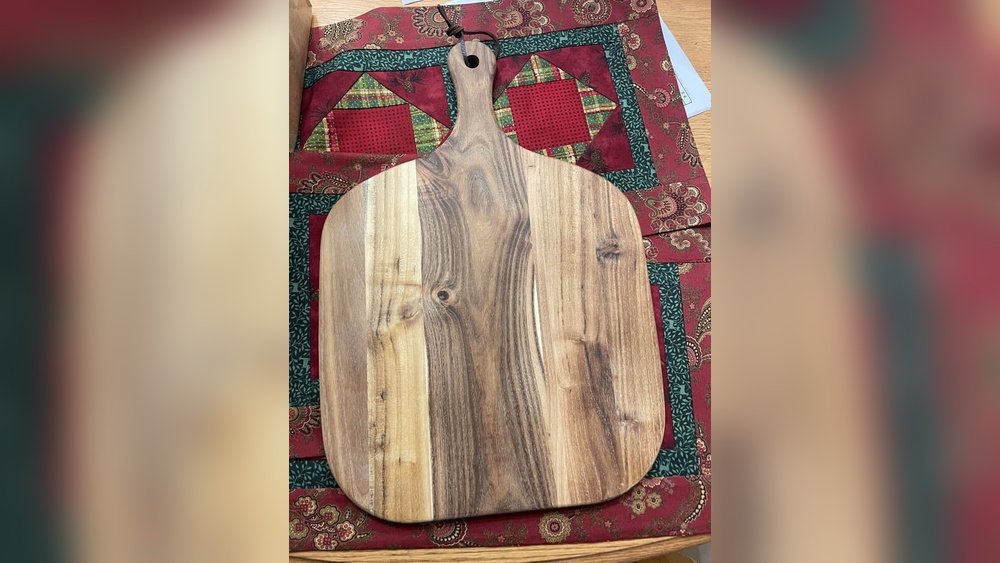
Sealing vinyl on a wood cutting board sounds simple, but if you want it to be food safe, you need to follow the right steps. Many people personalize cutting boards with vinyl decals for gifts, décor, or branding. However, not everyone knows how to make the vinyl last without peeling, or how to seal it so it’s safe for food contact. This guide will help you understand the best way to seal vinyl on wood cutting boards—ensuring it’s attractive, durable, and safe for kitchen use.
Sealing vinyl on a cutting board is different than sealing other crafts. Here, your project will be exposed to food, knives, moisture, and cleaning. So, you have to be extra careful. Choosing the wrong sealer can make your board unsafe for food, cause vinyl to peel, or ruin the look of your project. In this article, you’ll learn everything you need: the right materials, step-by-step instructions, important safety rules, and expert tips that beginners often miss.
Why Seal Vinyl On Wood Cutting Boards?
Vinyl decals can make a plain wood cutting board look unique and personal. But vinyl alone is not designed for heavy kitchen use. Here’s why sealing is important:
- Protects the Vinyl: Without a seal, vinyl can peel, curl, or get damaged by moisture and cleaning.
- Food Safety: Not all sealers are safe for surfaces that touch food. Using the wrong product can be dangerous.
- Easy Cleaning: Sealing creates a barrier, making the board easier to wipe clean.
- Longer Life: A good seal helps your design last for years, not just weeks.
Many people misunderstand that “permanent” vinyl means it will last forever. In reality, permanent vinyl can still come off with washing and regular kitchen use unless properly sealed.
What You Need To Know About Food Safety
Not all sealers are safe for food contact. Some contain chemicals that can transfer to food, especially when cutting or if the surface gets hot. Here’s what you need to consider:
- FDA Food Contact Safe: Only use sealers that are rated as food safe by the FDA or similar authorities.
- Curing Time: Some finishes are only food safe after a full curing period (which can be up to 30 days).
- Location of Vinyl: It is safest if the vinyl and sealer are on the non-cutting side of the board, since knives can damage both the vinyl and the sealer, possibly getting fragments into food.
Beginners often forget that “food safe” is not the same as “food grade. ” Food grade means it’s safe to eat, but food safe means it won’t harm you during normal use. Always check the product label and manufacturer’s website.
Choosing The Right Materials
Your project’s success depends on using the right supplies. Here’s a comparison of common options:
| Material | Food Safe? | Durability | Appearance | Notes |
|---|---|---|---|---|
| Permanant Adhesive Vinyl | No (must be sealed) | Good (when sealed) | Glossy/Matte | Choose high-quality brands |
| Mod Podge Dishwasher Safe | No (not for food contact) | Medium | Glossy | Not for cutting surfaces |
| Shellac | Yes (if 100% pure) | Medium | Shiny | Needs frequent reapplication |
| Mineral Oil | Yes | Low | Matte | Not a sealer for vinyl |
| Food Safe Polyurethane | Yes (after curing) | High | Glossy/Matte | Long cure time |
| Epoxy Resin (food safe) | Yes (if certified) | Very High | Very Glossy | Thick, needs careful use |
Non-obvious Insight: Many crafters use regular Mod Podge, but it is NOT food safe. You need either a food safe resin, shellac, or fully cured polyurethane. Always check the label!
Step-by-step: How To Seal Vinyl On Wood Cutting Board Food Safe
Follow these steps for best results. This method works for most types of vinyl and wood boards.
1. Prepare Your Cutting Board
- Wash the board with warm, soapy water to remove dust and grease.
- Dry completely—moisture trapped under vinyl or sealer can cause peeling or mold.
- Lightly sand the area where you’ll apply the vinyl (use 220 grit sandpaper). This helps the vinyl stick better.
- Wipe away dust with a clean, damp cloth and let dry.
Expert Tip: Never apply vinyl or sealer to a board that smells musty or is already oily. The finish won’t stick well.
2. Apply The Vinyl Decal
- Use high-quality permanent adhesive vinyl (like Oracal 651 or Cricut Premium).
- Make sure your hands are clean and dry.
- Position the decal, press down firmly, and smooth out air bubbles.
- Let the adhesive set for at least 1 hour before sealing.
If the design is complex, use transfer tape to position the decal perfectly.
3. Choose And Apply Your Sealer
There are three main food-safe options: shellac, food-safe polyurethane, and food-safe epoxy resin. Each has pros and cons.
Food Safe Shellac
- 100% pure shellac is made from natural resin and alcohol.
- It dries quickly (within 1 hour) but is not as durable as resin.
- Apply with a clean brush in thin coats. Let each coat dry before adding the next.
- Usually, 3–4 coats are enough.
Food Safe Polyurethane
- Polyurethane labeled as “food safe” (like General Finishes or Varathane) is very durable after curing.
- Apply with a foam brush or lint-free cloth.
- Use thin coats, letting each dry for 4–6 hours.
- Full cure time is 21–30 days. Do not use the board before this.
Food Safe Epoxy Resin
- The most durable and waterproof option.
- Use only resins rated for direct food contact (check for FDA compliance).
- Mix resin and hardener as directed (usually 1: 1 ratio).
- Pour or brush a thin layer over the vinyl and edges.
- Pop air bubbles with a heat gun or torch.
- Cure for 24–72 hours, depending on the brand.
Non-obvious Insight: Many resins are “food safe” only after full curing. Using the board too soon can lead to chemical contamination.
4. Let The Sealer Cure Fully
- Place the board in a dust-free area.
- Avoid touching or moving until fully cured.
- Check manufacturer’s label for exact curing times. Rushing this step is a common mistake.
5. Test The Surface
- After curing, check for a smooth, even finish.
- Lightly wipe with a damp cloth and inspect for sticky spots or cloudiness.
- If the surface feels sticky, let it cure longer.
If you find rough edges, gently sand with very fine (400 grit) sandpaper and apply a thin final coat.
6. Clean And Maintain
- Hand wash only—never soak or put in the dishwasher.
- Wipe spills quickly.
- Avoid cutting directly on the vinyl or sealed area; use the other side for chopping.

Credit: www.reddit.com
Common Mistakes To Avoid
- Using the wrong sealer: Many craft sealers are not food safe.
- Skipping the cure time: This is crucial for food safety.
- Applying too thick a coat: Thick layers can stay sticky or peel off.
- Sealing both sides: Only seal the side with the vinyl. The other side should remain natural for food chopping.
- Cutting on the vinyl side: This can release small vinyl or sealer fragments into food.
Pro Tip: If your project is a gift, include care instructions so the recipient knows which side is safe to cut on.
Comparison: Food Safe Sealer Options
Let’s look at how the main options compare for sealing vinyl on wood:
| Sealer | Best For | Dry/Cure Time | Cost | Pros | Cons |
|---|---|---|---|---|---|
| Shellac | Quick gifts, light use | 1 hr dry, 24 hr cure | Low | Natural, fast, easy to repair | Less durable, can be damaged by alcohol/water |
| Polyurethane | Heavy use, long-lasting | 4-6 hr dry, 21-30 day cure | Medium | Very durable, water resistant | Long cure time, not always natural |
| Epoxy Resin | Decorative boards, max protection | 24-72 hr cure | High | Waterproof, high gloss, strong | Expensive, thick, can yellow |
Advanced Tips For Best Results
Use A Barrier Method For High-use Boards
If you want to make a board that’s both beautiful and practical, try this:
- Apply vinyl and sealer only to one side (the decorative side).
- Leave the other side plain wood, treated only with mineral oil or beeswax.
- Use the sealed side for serving, not cutting.
This way, you get beauty and safety in one board.
Select The Right Vinyl
Not all vinyl is equal. Professional crafters use brands like Oracal 651 for better adhesion and durability. Cheaper vinyl may bubble or peel, even under sealer.
Sand Between Coats
Lightly sanding between sealer coats (with very fine sandpaper) can help each new layer stick better and create a glass-smooth finish.
Avoid Overheating
If you use a heat gun to remove bubbles in resin, keep it moving. Holding heat in one spot can scorch the resin, the vinyl, or even the wood.
Label The Board
If you’re selling or gifting, add a small tag: “Decorative side only. Not for food prep.” This simple step prevents misuse.
How Long Will A Sealed Vinyl Cutting Board Last?
The lifespan of your project depends on:
- The quality of the vinyl and sealer
- How often the board is washed
- Whether you cut on the sealed side
With proper care, a vinyl-sealed side can last for years as a serving board. However, if used for chopping, the finish will break down faster.
Some users report 2–3 years of use with food safe resin; shellac may need refreshing every 6–12 months. Polyurethane can last 5+ years if cured well and not exposed to knives.

Credit: www.youtube.com
Practical Examples
Example 1: Family Name Board
A home cook wants to personalize a cutting board with their family name in vinyl for cheese and appetizers.
- They use Oracal 651 vinyl, apply it to one side, and seal with three coats of food safe shellac.
- The other side is left plain for food prep.
Result: The board is safe, attractive, and easy to clean.
Example 2: Charcuterie Board For Gifts
A crafter makes a batch of charcuterie boards with custom vinyl monograms.
- They use a thick layer of food safe epoxy resin, making a super glossy, waterproof surface.
- Boards are labeled “Not for cutting.”
Result: The boards are perfect for serving and look professional.
Example 3: Restaurant Branding
A small café wants their logo on serving boards.
- They apply vinyl, then use a food safe polyurethane for durability.
- The boards are cured for 30 days before use.
Result: The branding lasts through hundreds of washes and daily use.
Non-obvious Insight: Even if the sealer is food safe, the underlying vinyl is not. The sealer must fully cover all vinyl edges, or moisture can get underneath and cause peeling.
Cleaning And Care Instructions
After sealing, treat your board with care:
- Hand wash with mild soap and warm water; dry immediately.
- Never soak or run through the dishwasher.
- Do not leave in standing water; this causes warping.
- Reapply sealer if you see dull spots or wear.
- For the unsealed side, refresh with mineral oil every few months.
If the board is accidentally cut on the vinyl side, check for damage. If the sealer is broken, clean and reseal before using for serving food again.

Credit: www.silhouetteschoolblog.com
Safety Considerations
- Always work in a well-ventilated area when applying sealers.
- Wear gloves to avoid skin contact with uncured resin or shellac.
- Keep sealers and adhesives away from children and pets.
- Dispose of brushes and rags safely (some finishes can self-ignite if left in a pile).
If you have allergies or sensitivities, test the sealer on a small area first.
When Not To Use Vinyl On Cutting Boards
There are times when vinyl, even sealed, is not a good idea:
- If you want to cut or chop directly on the design
- For boards that will go in the dishwasher
- For hot food that could soften the sealer
In these cases, consider a wood burned or engraved design instead.
Where To Find Food Safe Sealers
You can find food safe finishes at most hardware stores, craft stores, or online. Look for brands like:
- General Finishes Wood Bowl Finish
- Tried & True Original Finish
- TotalBoat TableTop Epoxy (certified food safe)
- Zinsser Bulls Eye Shellac (ensure it’s pure shellac)
Read the product description carefully to confirm food safety. When in doubt, consult the manufacturer’s website or a reliable source like the FDA Food Contact Substances Database.
Frequently Asked Questions
Is It Safe To Put Vinyl On A Cutting Board?
Vinyl itself is not food safe and should not be used where food will be cut. However, if you seal it fully with a food safe finish and use that side only for serving or decoration, it is safe.
What Is The Best Food Safe Sealer For Vinyl On Wood?
Food safe epoxy resin offers the best protection and shine, but food safe polyurethane and pure shellac are good options too. Always check the label for food contact safety.
How Long Should I Wait Before Using A Sealed Cutting Board?
Wait until the sealer is fully cured. For shellac, 24 hours is enough. For food safe polyurethane, wait 21–30 days. For food safe epoxy, follow manufacturer’s instructions (usually 2–3 days).
Can I Cut Food On The Vinyl Side After Sealing?
It’s not recommended. Even with a food safe sealer, knives can break the seal and cut into the vinyl, which can then get into food. Use the plain wood side for cutting.
How Do I Clean A Sealed Vinyl Cutting Board?
Hand wash with mild soap and water. Never soak, and do not put in the dishwasher. Dry right away. Avoid harsh scrubbers on the sealed side.
Sealing vinyl on a wood cutting board can be a fun and creative project, but it requires careful attention to food safety and long-lasting results. By using the right materials, applying the sealer correctly, and following good care practices, you can enjoy a personalized, safe, and beautiful cutting board for years to come.