
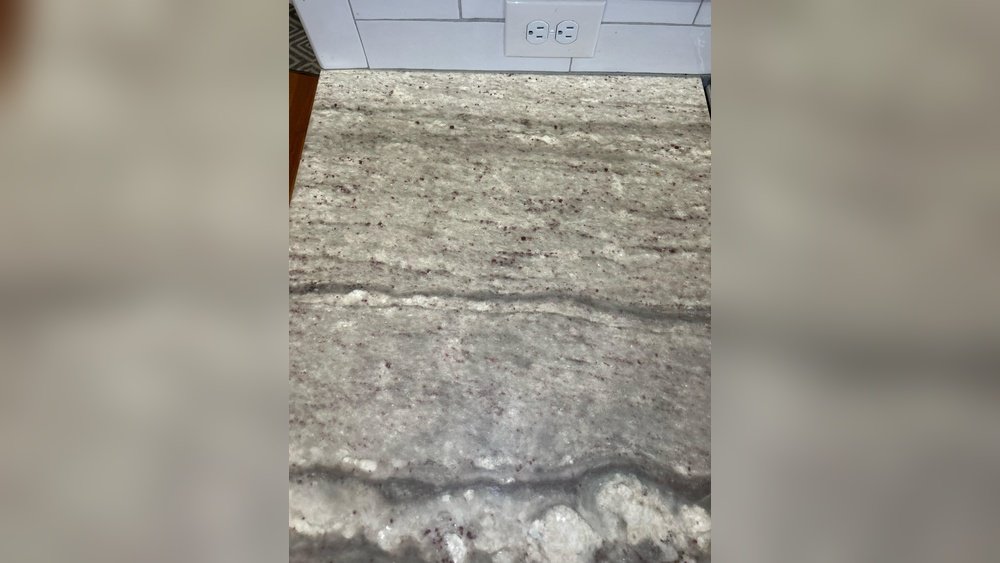
Leathered granite brings a unique, sophisticated look to any kitchen or bathroom. Its matte finish, subtle texture, and deep color make it a favorite for homeowners who want something different from the usual polished granite. But many people feel uncertain about how to clean leathered granite the right way.
If you use the wrong cleaner or scrub too hard, you can damage the surface or leave behind ugly marks. This article gives you everything you need to know—practical steps, expert tips, and what to avoid—so you can keep your leathered granite looking beautiful for years.
What Makes Leathered Granite Different?
Leathered granite is not just regular granite with a different look. The leathering process gives the stone a soft sheen, a slightly rough texture, and often brings out deeper colors and patterns. Unlike polished granite, which is shiny and smooth, leathered granite feels more natural and less reflective. This finish hides fingerprints and smudges better, but it can trap dust and spills in its tiny grooves.
The unique texture also means that cleaning leathered granite is a bit different. You cannot just wipe it the same way you would a glassy surface. Understanding these differences is key to caring for your counters or tiles.
Why Proper Cleaning Matters
Proper cleaning does more than keep your granite looking nice. It also:
- Prevents stains from setting in.
- Protects the sealant that helps resist water and oil.
- Stops bacteria and mold from growing in textured areas.
- Extends the life of your investment.
Many people don’t realize that using harsh chemicals or rough tools can slowly wear away the sealant or even scratch the stone. Once the surface is damaged, repairs are costly and sometimes not possible. Taking the right steps from the start saves time and money later.

Credit: www.reddit.com
Supplies You Need For Cleaning Leathered Granite
Before you start, gather the right tools and products. Having everything ready makes cleaning quick and easy. Here’s a list of what you should use:
- Microfiber cloths: These are gentle and effective for picking up dust and debris.
- Soft-bristled brush: Helps reach into the textured surface without scratching.
- PH-neutral stone cleaner: Specially designed cleaners protect the stone and sealant.
- Warm water: For daily cleaning and rinsing.
- Spray bottle: To mist water or cleaner evenly over the surface.
- Soft sponge: Good for wiping up spills.
- Paper towels: For quick drying.
- Bowl or bucket: To mix water and cleaner, if needed.
Do not use:
- Vinegar, lemon juice, or other acidic cleaners
- Bleach or ammonia
- Abrasive scrub pads or steel wool
These items can damage the stone or its protective seal.
Daily Cleaning: Step-by-step
Keeping leathered granite clean is easier if you do a little each day. This prevents dirt and spills from settling in the textured surface.
- Remove loose debris
- Use a dry microfiber cloth to gently wipe away crumbs, dust, or grit. Pay attention to corners and textured areas.
- Wipe with warm water
- Spray a light mist of warm water on the surface. Wipe with a clean, damp microfiber cloth.
- Use stone cleaner for sticky spots
- If you notice fingerprints, oil, or food residue, spray a small amount of pH-neutral stone cleaner. Let it sit for a minute, then wipe away.
- Dry the surface
- Use a paper towel or dry microfiber cloth to remove any leftover moisture. This stops water spots from forming.
Non-obvious Insight 1
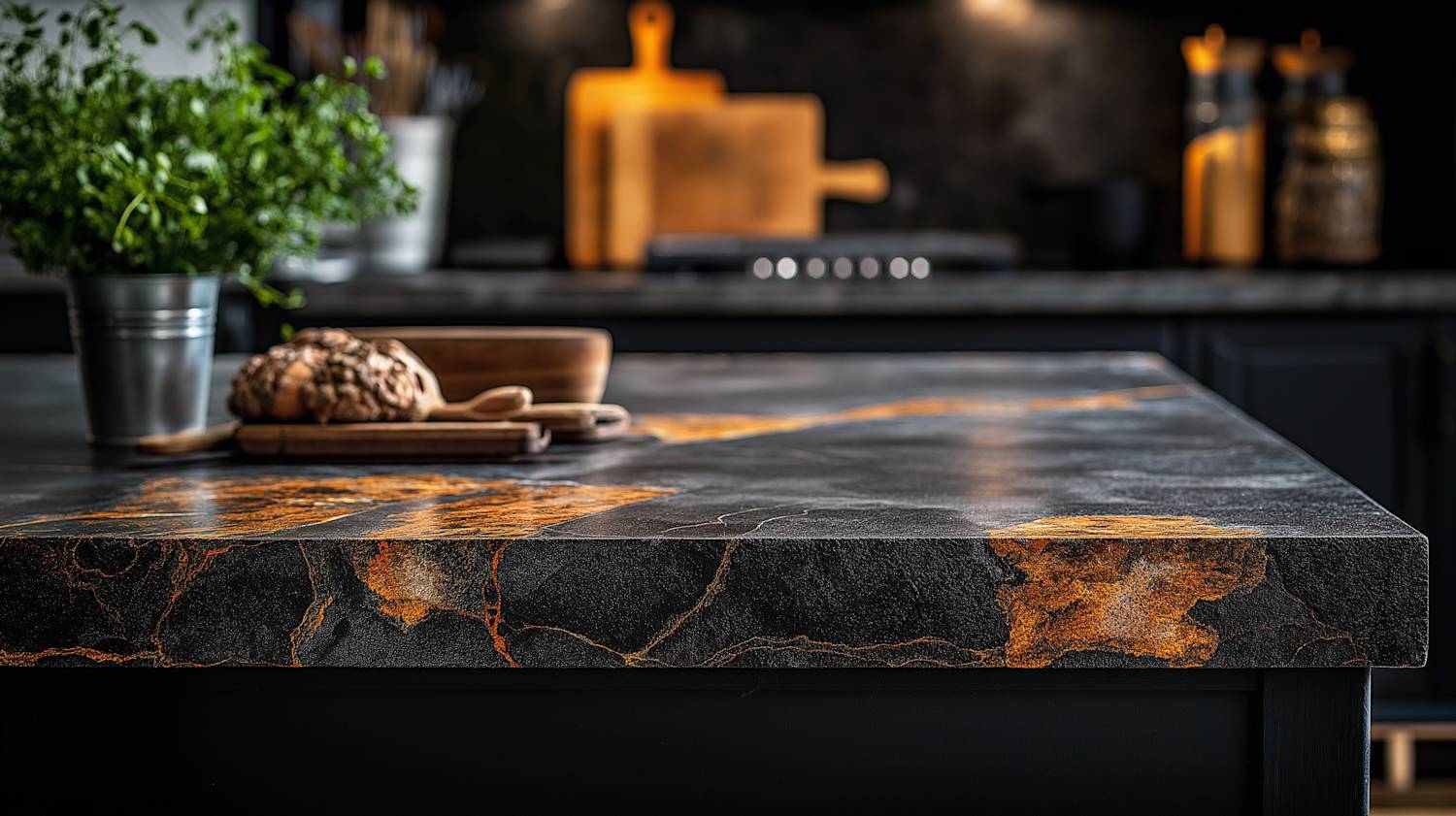
Leathered granite can hide dried spills. Run your hand over the surface to feel for sticky spots that your eyes might miss. This helps you catch and clean hidden messes before they stain.
Credit: www.gvdrenovationsinc.com
Deeper Weekly Cleaning
Every week, give your granite a more thorough cleaning. This keeps bacteria, grease, and grime from building up in the textured finish.
- Mix stone cleaner and water
- In a spray bottle, mix pH-neutral stone cleaner with water as directed on the label.
- Spray the counter
- Mist the surface evenly, covering all areas.
- Use a soft-bristled brush
- Gently scrub textured spots, seams, or edges. Move in small circles to loosen dirt.
- Rinse with clean water
- Wipe away soap residue with a damp microfiber cloth.
- Dry thoroughly
- Don’t leave moisture sitting. Dry with a paper towel or clean, dry cloth.
Non-obvious Insight 2
If your granite feels sticky or “dull” after cleaning, you may be using too much cleaner or not rinsing enough. Always rinse with clean water to remove all product residue.
Handling Spills And Stains
Spills happen, especially in busy kitchens. Leathered granite is less likely to show water spots, but it can absorb oils and dark liquids if not cleaned quickly.
Immediate Spill Cleanup
- Blot, don’t wipe. Use a paper towel to blot up the spill. Wiping can push liquid deeper into the stone’s texture.
- Rinse the area with water.
- Use stone cleaner if needed, then dry completely.
For Tough Stains
If a stain does set, act quickly. Here’s what to do:
- Make a paste
- Mix baking soda with a little water (for oil-based stains) or hydrogen peroxide (for water-based stains). The paste should be thick, not runny.
- Apply to the stain
- Spread the paste over the stain. Cover with plastic wrap and tape the edges.
- Let sit overnight
- Give the paste 12-24 hours to draw out the stain.
- Wipe away
- Remove the plastic, gently wipe up the paste, and rinse the area. Repeat if needed.
Do not use this method for every stain, and never scrub hard. For deep or stubborn stains, call a stone care professional.
Comparison Of Cleaning Methods
Different granite finishes need different care. Here’s how cleaning leathered granite compares to other types:
| Finish Type | Cleaning Ease | Scratch Resistance | Stain Resistance | Common Mistakes |
|---|---|---|---|---|
| Leathered | Moderate | High | Medium | Using too much cleaner, not rinsing |
| Polished | Easy | Medium | High | Acidic cleaners, ignoring water spots |
| Honed | Moderate | Medium | Low | Not sealing often enough |
Notice that leathered granite is more scratch-resistant but needs careful rinsing and proper sealing to avoid stains.
Sealing Leathered Granite
Sealing is one of the most important things you can do to protect your leathered granite. The sealant fills tiny pores in the stone, making it harder for spills to penetrate.
How Often To Seal
Most leathered granite surfaces need sealing every 6-12 months, but this depends on:
- Stone color: Lighter stones stain more easily.
- Use: Busy kitchens may need more frequent sealing.
- Water test: Drop a few drops of water on the surface. If the water beads up, the seal is good. If it soaks in, it’s time to reseal.
How To Seal
- Clean the surface: Follow the deep cleaning steps and let the granite dry completely.
- Apply sealant: Use a granite-specific sealer. Pour a small amount onto a clean cloth and rub into the stone in circles.
- Let it sit: Wait 15-20 minutes or as directed.
- Wipe off excess: Use a dry cloth to remove extra sealer.
- Buff to finish: Once dry, buff with a clean microfiber cloth.
Tip: Always follow the sealant manufacturer’s instructions. Don’t use generic sealers meant for other materials.
What To Avoid On Leathered Granite
Some habits can shorten the life of your granite or make cleaning harder. Avoid these mistakes:
- Acidic cleaners: These can break down the sealant and etch the stone.
- Abrasive pads: Even though leathered granite is tough, steel wool and rough sponges can scratch the texture.
- Letting spills sit: Oil, wine, and juice can stain if not cleaned quickly.
- Ignoring regular sealing: Skipping this lets stains and bacteria settle in.
- Excess water: Don’t let water pool on the surface. Wipe dry after cleaning.
Quick Reference: Do’s And Don’ts
Here’s a handy summary to help you remember the basics:
| Do | Don’t |
|---|---|
| Use microfiber cloths | Use abrasive scrub pads |
| Choose pH-neutral cleaners | Apply vinegar or lemon juice |
| Seal every 6-12 months | Ignore water spots |
| Dry after cleaning | Let spills sit |
| Blot, don’t wipe spills | Scrub stains harshly |
Common Cleaning Scenarios
After Cooking
Cooking often leaves splashes of oil or sauce. After you finish, check your granite for any greasy spots. Spray stone cleaner, let it sit for a minute, and wipe with a microfiber cloth. For sticky residue, use a soft brush in a circular motion.
High-traffic Areas
Islands and counters near the sink get the most use. Clean these spots daily and check for stains or water marks. Reseal these areas more often if you notice the water test failing.
Bathrooms
Leathered granite in bathrooms can collect soap scum. Use a pH-neutral stone cleaner and soft brush. Avoid regular bathroom cleaners, as many are acidic or contain bleach.
Dealing With Special Situations
Removing Sticky Substances
For gum, wax, or glue:
- Harden the substance: Place an ice cube in a plastic bag and hold on the sticky spot for a few minutes.
- Gently scrape: Use a plastic scraper or old credit card to lift the substance—never use metal.
- Clean the area: Use stone cleaner and a soft cloth.
Sanitizing The Surface
If you need to disinfect, don’t use regular kitchen disinfectants. Instead, mix equal parts isopropyl alcohol (70%) and water in a spray bottle. Spray lightly, let sit for 3-5 minutes, then rinse with water and dry.
Note: Overuse of alcohol can dry out the sealant, so use this method only when necessary.
Eco-friendly Cleaning Options
Many people want to avoid strong chemicals. There are safe, eco-friendly ways to clean leathered granite:
- Castile soap: A few drops mixed with water work well for daily cleaning.
- Baking soda paste: For gentle stain removal.
- Reusable microfiber cloths: Reduce waste and are machine washable.
Avoid using vinegar or citrus-based cleaners, even if labeled “natural. ” They are too acidic for granite.
How To Restore Shine And Texture
Leathered granite is not meant to be glossy, but it should have a soft, rich look. If it starts to look dull or feel rough, try these steps:
- Clean thoroughly
- Buff with a dry microfiber cloth in small circles.
- Apply a stone conditioner if recommended by your installer. This brings out color and adds a soft sheen.
Do not use polish meant for shiny granite—it will not work and may make the surface streaky.
Professional Help: When To Call In Experts
Sometimes, home cleaning is not enough. Call a professional if:
- Stains do not come out after several tries.
- The surface feels rougher than before.
- You see deep scratches or chips.
- The granite needs resealing and you’re unsure how.
Professionals have special tools and cleaners that go deeper without harming the stone. They can also restore the leathered finish if it gets damaged.
Leathered Granite In Different Rooms
Kitchen
Most leathered granite is used for kitchen countertops. Regular cleaning is a must because food, oil, and water are common. Always use cutting boards and clean spills right away.
Bathroom
Vanity tops look great with leathered granite. Watch for soap, toothpaste, or makeup spills. Clean with stone-safe products and dry well to avoid water spots.
Outdoor Spaces
Some people use leathered granite for outdoor kitchens or patios. Outdoor surfaces get more dirt, pollen, and rain. Clean more often, and reseal every 6 months to protect from the weather.
Cost Of Maintenance
Leathered granite is not much harder to clean than other granite finishes, but you may need to buy special cleaners and sealers. On average, a bottle of pH-neutral stone cleaner costs $10–$20 and lasts several months. Sealing costs $30–$50 per application if you do it yourself.
Professional deep cleaning can cost $100–$300, depending on surface size.
The extra cost is small compared to the price of replacing damaged stone or frequent repairs.
Long-term Care Tips
- Check your seal every few months with the water test.
- Rotate cleaning cloths so you’re not spreading dirt around.
- Use coasters and trivets under drinks and hot pans.
- Keep a small stone cleaner spray handy for quick cleanups.
Over time, these small habits keep your granite looking new and prevent bigger problems.
Leathered Granite Vs. Other Stone Surfaces
Is leathered granite right for you? Here’s a quick comparison with other popular surfaces:
| Surface | Appearance | Cleaning Difficulty | Durability | Cost (per sq ft) |
|---|---|---|---|---|
| Leathered Granite | Matte, textured | Moderate | High | $60–$120 |
| Polished Granite | Glossy, smooth | Easy | High | $50–$100 |
| Quartz | Glossy/matte, uniform | Easy | Very High | $70–$120 |
| Marble | Glossy, veined | Hard | Medium | $75–$200 |
Leathered granite offers a unique look with strong durability, but requires a bit more attention to cleaning than quartz or polished granite.
Real-life Example: Cleaning A Family Kitchen
Sarah, a homeowner in Texas, switched to leathered granite for her kitchen remodel. She loved the deep color and soft finish, but after a few weeks, she noticed some dull spots and sticky areas. She was using regular kitchen spray and rough sponges, which left the surface looking worse.
After switching to pH-neutral stone cleaner, microfiber cloths, and resealing every 9 months, Sarah’s countertops stayed beautiful. Her tip: “Run your hand over the counter every day. If it feels sticky or rough, clean right away. It’s easier to keep up than fix a big stain.”
:strip_icc()/102315473_preview-481f2fca8dc4441d80f6ac33e9f2926a.jpg)
Credit: www.bhg.com
Frequently Asked Questions
How Often Should I Clean Leathered Granite?
Clean daily with a damp microfiber cloth and pH-neutral stone cleaner for best results. Deep clean with a soft brush and reseal every 6–12 months, depending on use.
Can I Use Regular Kitchen Cleaners On Leathered Granite?
No. Most regular kitchen cleaners are too harsh or acidic. Always use a cleaner specifically designed for natural stone to avoid damaging the surface or sealant.
What Is The Best Way To Remove Stains From Leathered Granite?
Make a paste of baking soda and water (or hydrogen peroxide for tough stains). Apply, cover with plastic wrap, and let sit overnight before wiping away. For stubborn stains, contact a professional.
Does Leathered Granite Need To Be Sealed?
Yes. Leathered granite is more porous than polished granite and should be sealed every 6–12 months. Test with water drops to check if resealing is needed.
Where Can I Find More Information About Caring For Natural Stone Surfaces?
For more detailed care guides and product recommendations, visit the Natural Stone Institute.
Caring for leathered granite does not have to be hard or stressful. With the right tools, regular cleaning, and a few smart habits, your counters and surfaces will look stunning for years. Make these practices a part of your routine, and you’ll enjoy both the beauty and durability of leathered granite every day.